REVIEW · AKAGERA NATIONAL PARK
From Kigali: 1-Day Akagera National Park Safari
Book on GetYourGuide →Operated by Kawira Safaris Ltd · Bookable on GetYourGuide
Start before sunrise and chase lions at dawn. This is a tight, well-run 1-day Akagera National Park safari from Kigali, built around morning and afternoon game drives. I like the way the day balances real wildlife searching with big Rift Valley scenery, and how guides like Frank, Robert, and Joseph actively work your wish list. One possible drawback: sightings are never guaranteed, so if you must see a specific animal, you’ll want patience.
Akagera itself is a great reason to go. You’re trading Rwanda’s hills for savannas, wetlands, and places like Lake Ihema, where hippos and crocodiles fit naturally into the scenery. Still, the logistics are early and long: a 5:30 AM hotel pickup means you’ll be tired by the end, even with breaks.
In This Review
- Key Takeaways Before You Go
- Kigali’s 5:30 AM Pickup and the Road to Akagera
- Morning Game Drive: Your Best Shot at the Big Five
- Quick reality check on Big Five odds
- Great Rift Valley Savannas, Wetlands, and Lake Ihema
- Picnic Lunch on the Park Premises: What to Expect
- Afternoon Safari to Giraffe Valley
- Optional Add-On: The 1.5-Hour Boat Excursion at Park Reception
- Price and Value: Is $400 Per Person Worth It?
- Who This Safari Fits Best (and Who Should Rethink It)
- The Best Part of This Tour: The Guides
- What Can Go Wrong (So You Can Stay Happy Anyway)
- Should You Book the 1-Day Akagera National Park Safari?
- FAQ
- What time is the pickup in Kigali?
- Where is this safari taking place?
- What animals are you hoping to see?
- Are there morning and afternoon game drives?
- What is included in the price?
- Does the tour include a visit to Giraffe Valley?
- Is a boat excursion included?
- What language is the tour conducted in?
- How much does the safari cost?
- Can I reserve without paying today, and is cancellation flexible?
Key Takeaways Before You Go
- The Big Five chase is real here: rhino, lion, buffalo, leopard, and elephant are the target.
- Two game drives in one day: you’re not stuck with just one short window.
- Lake and wetland scenery matter: the park is known for lakes, swamps, and marshland, not just dry grass.
- Lunch is typically part of the day: picnic lunch is listed as included, but plan for food reality on-site.
- Afternoon focus includes Giraffe Valley: a smart change of pace after the morning search.
- Optional boat time can add a different angle: a 1.5-hour boat excursion can be booked at park reception.
Kigali’s 5:30 AM Pickup and the Road to Akagera
Your day starts with a 5:30 AM pickup from your hotel in Kigali. Then you head east toward Akagera National Park, tucked along Rwanda’s eastern border and hugging the line with Tanzania. Expect the drive to take a couple of hours, and expect early eyes: this is the kind of tour where the animals benefit from you being on the road before the sun climbs too high.
What I like about this timing is simple: in many safari settings, wildlife activity often picks up in the early hours. Guides also seem to use the morning drive to cover ground efficiently, and that’s where you’ll get your best odds for the bigger, harder-to-find animals.
On the road, some guides build in comfort stops. One experience included a coffee break en route, and another added an extra coffee stop on the way back—small touches that help when your start time is brutal.
Morning Game Drive: Your Best Shot at the Big Five
The heart of the safari is the morning game drive inside Akagera. You’re scanning for the animals that make Africa safaris famous: rhinos, lions, buffalo, leopards, and elephants. Even when you don’t get all five, there’s a big difference between a drive where you spot nothing and a drive where sightings stack up.
From what I’ve seen in guide behavior across this tour, the best days come from a mix of skill and attitude. Guides such as Frank, Robert, Joseph, and Clementine are described as staying engaged—asking what you want to see, then shifting attention to likely zones and keeping the search active. That matters, because in a big park you can’t “set it and forget it.” The tour works when your guide keeps reading the landscape and timing.
You might hear about different animals beyond the Big Five too: giraffes, zebras, baboons, and more birdlife are commonly part of the day’s sightings. One guide also shared animal habits along the way, which makes each sighting feel earned rather than random.
Quick reality check on Big Five odds
Even in the best parks, you may not catch every target animal in a single day. Some people saw 4 of the Big Five, and others saw 3. A few came away missing lions or rhinos. So go with a flexible mindset: you’re buying access, time in the park, and a guide who’s working the game.
Great Rift Valley Savannas, Wetlands, and Lake Ihema
Akagera is not just grassland. The park’s terrain shifts from hills into the savannas of the Great Rift Valley, and it’s heavily shaped by water. Lakes, swamps, and marshland create a different kind of safari experience than you’d get in a dry-only landscape.
This is one of the best parts of the day, because it affects what you see and where you might see it. In the southern part of the park, Lake Ihema is an important feature. It’s home to hippos and crocodiles, so the wetlands don’t feel like a background detail—they’re part of the wildlife story.
Birdwatching also shows up on this itinerary. There’s even mention of the rare shoebill stork, a species that’s famous enough that it can make a safari feel like more than a big-animal checklist.
If you love noticing how nature creates wildlife—waterlines, feeding grounds, and movement corridors—Akagera rewards that kind of attention. The day’s variety is part of the value.
Picnic Lunch on the Park Premises: What to Expect
Between drives, you stop at a picnic site for lunch. Lunch is listed as included, and in most cases that likely means a simple picnic setup inside the park area—exactly what you want, because it avoids wasting time driving back and forth.
That said, I’d plan for one small wrinkle: at least one person reported that lunch being labeled included didn’t match what they were asked to pay for on-site, and that the payment process relied on card (no cash there). I’m not saying this is the norm, but it’s a good reminder for Africa safaris: details can vary by day and by how the park handles service.
Practical tip for lunch: bring a card with you just in case, and don’t assume every component will be handled exactly the way it’s described in an online listing. The food is still described as good, just keep your expectations grounded.
After lunch, you’re back in the vehicle, refreshed enough to continue the hunt.
Afternoon Safari to Giraffe Valley
The afternoon drive is where the tour changes tempo. Instead of staying in the same rhythm as the morning, you later go toward Giraffe Valley. The point isn’t just more driving—it’s more variety, and it can pay off because giraffes and other animals may use different areas depending on the day’s heat and water availability.
After a morning focused on the Big Five, the afternoon often brings a mix of repeat sightings and fresh ones. You might see giraffes up close here, along with zebras, baboons, and other common park species. Hippos can also come up as you stay alert for movement around water.
This stretch is also a great moment to ask your guide to explain what you’re seeing. With guides like Robert and Joseph, the wildlife talk isn’t just trivia—it helps you understand why animals are where they are, and that makes even a quiet moment in the vehicle feel useful.
Optional Add-On: The 1.5-Hour Boat Excursion at Park Reception
If you want a different view of Akagera, there’s an add-on that some people love: a 1.5-hour boat excursion. It can be booked at the park’s reception, and it’s described as a fantastic way to see the park from another perspective and get closer to animals.
This isn’t listed as part of the core included plan you follow in the morning and afternoon game drives, so treat it as a bonus if your schedule and energy allow. It’s also a nice option if you’re the kind of traveler who likes variety: land safari plus water safari keeps the day from feeling repetitive.
Price and Value: Is $400 Per Person Worth It?
At $400 per person, this isn’t a budget activity. You’re paying for a full day inside a major protected area, plus the guide, transport from Kigali, park entry fees, bottled water, and picnic lunch.
Here’s why I think it can be good value anyway:
- You get time, not just a quick drive. Two game drives in one day is the main selling point.
- Guides actively search, not just cruise. People highlight guide communication, prompt arrivals, and proactive attempts to find target animals.
- Akagera is a unique mix: savannas plus wetlands, plus the possibility of hippos and crocodiles around Lake Ihema.
- You’re near a Big Five target even if the exact outcomes vary.
If your priority is seeing wildlife and learning from someone who can put your vehicle in the right places, the price can feel fair. If your priority is guaranteed Big Five sightings, no one can sell that with confidence, and that’s the main reason to think carefully.
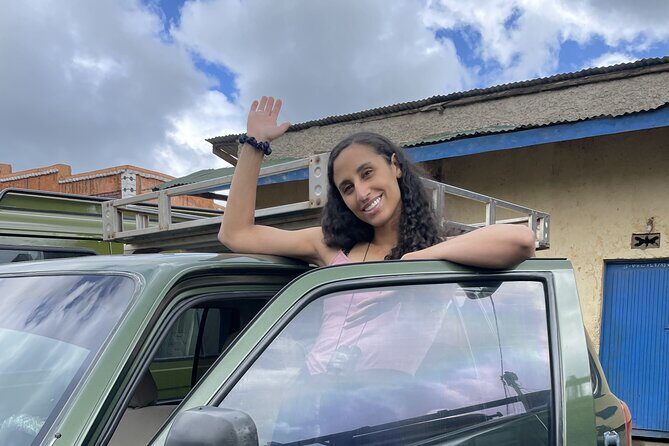
This tour also seems to work well for solo travelers. One traveler specifically mentioned feeling comfortable as a solo woman with a dedicated guide and a personalized pace.
Who This Safari Fits Best (and Who Should Rethink It)
This 1-day Akagera safari from Kigali is ideal if you:
- want a wildlife-focused day with two drives instead of a half-day gamble
- like the idea of the Big Five target, but you’re okay with outcomes varying by animal movement
- value a guide who takes your preferences seriously (Frank, Robert, Joseph, Clementine, and Jeff were all praised for that kind of effort)
- want a straightforward “leave early, return before night” plan
You might want to reconsider if:
- you’re traveling on low energy and hate early starts (5:30 AM is not negotiable in the plan)
- you need one specific animal like a guaranteed rhino sighting
- you strongly dislike the possibility of missing lions or leopards in a single day
The Best Part of This Tour: The Guides
The people on the ground make a big difference in this kind of safari. Across the experiences, guides stood out for being attentive, communicative, and genuinely invested in sightings.
- Frank is described as excellent with communication and even arriving early.
- Joseph is praised as knowledgeable and flexible, with conversations that added Rwanda context during the drive.
- Robert is repeatedly noted for comfort, safety for solo travelers, and effort to spot animals, plus engagement during the day.
- Clementine and Jeff also came up in positive comments for kindness and an amazing day.
It’s not that the animals are tame or predictable. It’s that a good guide helps you stay focused, interpret clues, and feel like you’re doing everything possible during the available time.
What Can Go Wrong (So You Can Stay Happy Anyway)
The biggest risk is also the most normal one: wildlife sightings are not guaranteed. Some people saw 4 out of the Big Five, others saw 3, and a few came away disappointed by missing lions or rhinos.
Weather can also affect the day’s movement patterns, and that’s always a factor in parks with mixed terrain and water. But even if animal timing is slower than you’d like, Akagera’s variety—savanna views, wetlands, and birds—can still make the day feel complete.
Finally, be realistic about food details. Lunch is listed as included, yet one report suggests there can be confusion in practice. Keep a card handy and you’ll protect yourself from a small surprise.
Should You Book the 1-Day Akagera National Park Safari?
I’d book this if you want a high-effort wildlife day with real chances at the Big Five, and you’re comfortable starting early. Akagera rewards time in the park, and this plan gives you that time—morning and afternoon drives, lunch, and a route that includes areas like Giraffe Valley and the park’s water-rich sections.
Skip it (or pair it with a longer stay) if you’re the type who needs a single perfect outcome. One day is a short window in an enormous park, and the best days are the ones where animals decide to cooperate.
If you do book, go in with a good attitude and a flexible checklist. With guides like Frank, Robert, Joseph, and Clementine pushing hard for sightings, you can turn a single day into a life-memory—even when the lion or rhino plays hard to get.
FAQ
What time is the pickup in Kigali?
You’ll be picked up from your hotel in Kigali at 5:30 AM.
Where is this safari taking place?
It’s a day trip to Akagera National Park in Rwanda’s Eastern Province.
What animals are you hoping to see?
The safari focuses on Big Five wildlife: rhinos, lions, buffalo, leopards, and elephants.
Are there morning and afternoon game drives?
Yes. The plan includes a morning game drive and an afternoon game drive.
What is included in the price?
The included items are a guide, bottled water, picnic lunch, and park entry fees.
Does the tour include a visit to Giraffe Valley?
Yes. The afternoon exploration includes visiting Giraffe Valley.
Is a boat excursion included?
A 1.5-hour boat excursion can be booked at the park’s reception, but it is not listed as part of the included items.
What language is the tour conducted in?
The tour language is English.
How much does the safari cost?
The price is $400 per person.
Can I reserve without paying today, and is cancellation flexible?
Yes. You can use reserve & pay later, and you can cancel up to 24 hours in advance for a full refund.