REVIEW · KIGALI
From Kigali: Akagera National Park Safari game drive
Book on GetYourGuide →Operated by Iriza Tours & Safaris · Bookable on GetYourGuide
Akagera National Park feels like a real safari shortcut from Kigali. I especially love the odds of seeing reintroduced Big Five animals on game drives, plus the chance to shift from dusty roads to Lake Ihema for birds and water wildlife. The themed stops and driver-guided focus on what to watch keep you engaged the whole day.
Two things make this outing stand out for me: you get serious time in different habitats (open savannah, wooded hills, swamp fringes), and you also get a lakeside day built around hippos and birdlife. One consideration: the Big Five sightings aren’t guaranteed, and the Lake Ihema boat cruise is listed as optional with an extra cost, so read the plan carefully before you decide.
In This Review
- Key takeaways before you go
- Getting to Akagera: the Kigali drive that sets the mood
- Community arts center stop: quick culture, better photos
- Park orientation and the habitats you’ll actually see
- Big Five game drive plus the themed tracking twist
- The “Big Cat Moment” stops
- Binoculars are not optional (for best results)
- Lunch by the lake Mihindi and the soundscape of hippos
- Lake Ihema boat cruise: hippos, crocs, and serious birdlife
- What’s worth your attention on the cruise
- Sunset sundowner: sparkling water, snacks, and golden light
- Price and logistics: what $199 really covers (and what doesn’t)
- Tips that improve sightings and comfort
- Guides: what you get from the people driving the search
- Who this safari from Kigali is best for
- Should you book Akagera from Kigali?
- FAQ
- How long is the Akagera safari experience from Kigali?
- What’s included in the price?
- Are Big Five animals part of the plan?
- Is the Lake Ihema boat cruise included?
- How much are the park entry fees?
- What should I bring for the safari?
- Is the tour wheelchair accessible?
Key takeaways before you go
- Drive time is part of the experience: you’ll leave Kigali early and spend hours in the park, not just a quick loop.
- The arts center stop adds local texture: a short break with community crafts and an easy photo moment.
- Big Cat Moment style tracking: silent stops at known watering holes can improve your odds of lions or leopards.
- Lakeside lunch/picnic vibe: you eat with hippos and water birds in the mix.
- Boat cruise is where birding goes big: Lake Ihema is strong for hippos, crocodiles, and a huge range of species.
Getting to Akagera: the Kigali drive that sets the mood
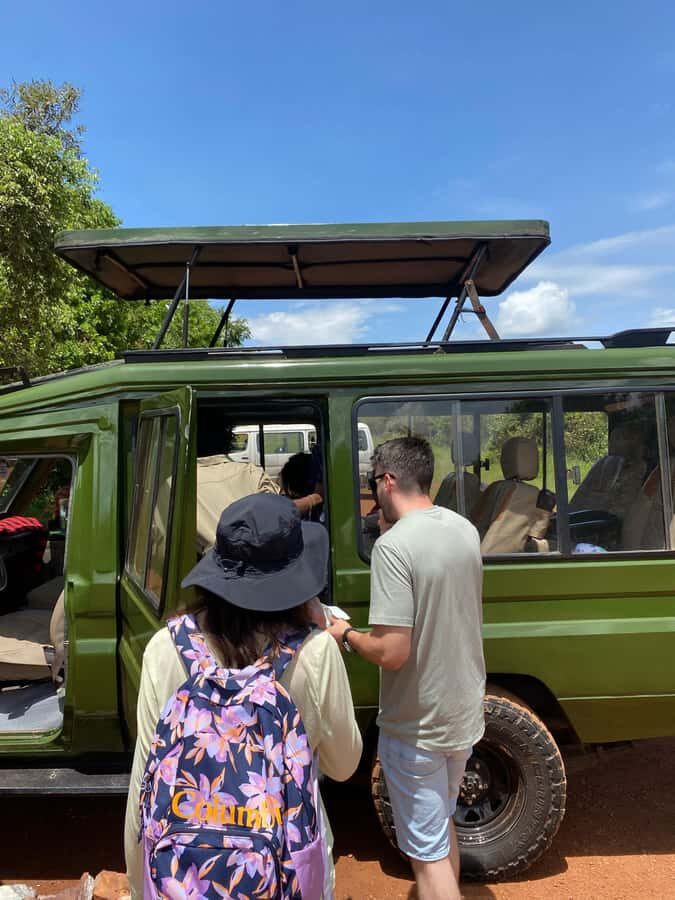
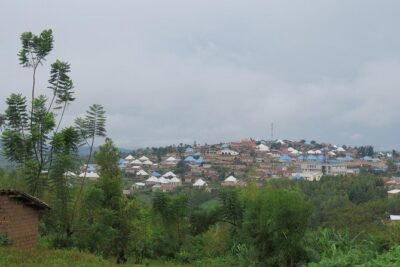
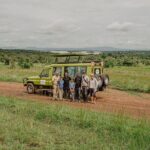
Your day starts with an early pickup in Kigali, then you head east on a roughly 2.5-hour drive. What I like about this is simple: you’re not spending your best light stuck on a bus all day. The route moves through rolling hills and everyday village life, which gives the safari context—this park isn’t in some fantasy bubble. It sits in a real region with real people nearby, and you’ll feel that as you travel.
If you prefer a smooth schedule, this is a good format because the timing is built around reaching the park, registering, and using the prime wildlife hours on safari. Expect the driving day to feel like part of the adventure, not just a transfer.
A few more Kigali tours and experiences worth a look
Community arts center stop: quick culture, better photos
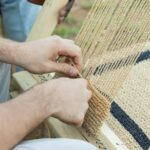
About 20 minutes is set aside at a community arts center. This is one of those stops that feels small on paper, but practical in real life. You stretch your legs, you see local craft work up close, and you can pick up ideas and souvenirs without it turning into a time-waster.
It also helps if you like photography. There’s a human element to the day—artists and makers—so your images won’t all be just animal spotting through glass. This is the kind of cultural add-on that doesn’t steal the safari focus.
Park orientation and the habitats you’ll actually see
Once you enter Akagera National Park, there’s registration and orientation at the entrance. Then the day’s structure kicks in: you’re guided through multiple habitat types. That matters because different animals show up in different places, and the best guides think in habitat, not just in species lists.
In Akagera, you’ll move across:
- open savannah
- wooded hills
- swamp fringes
This is why you shouldn’t judge the park by what you saw in a single moment. You’re effectively getting several “mini-scenes” in one day, and the chance to see different animals rises when you’re not stuck in only one habitat.
Big Five game drive plus the themed tracking twist
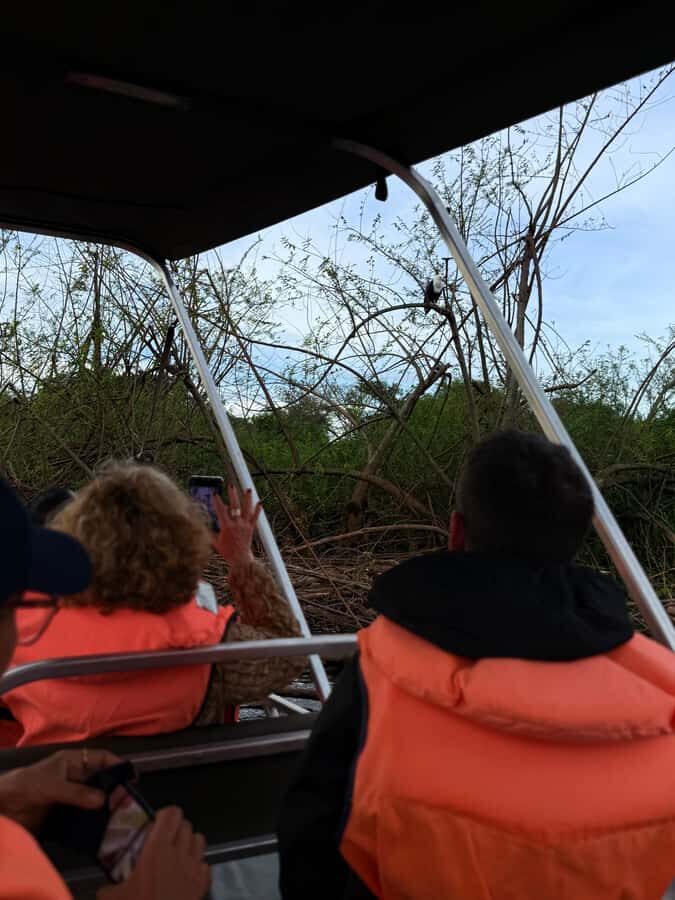
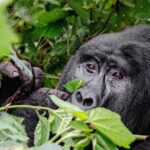
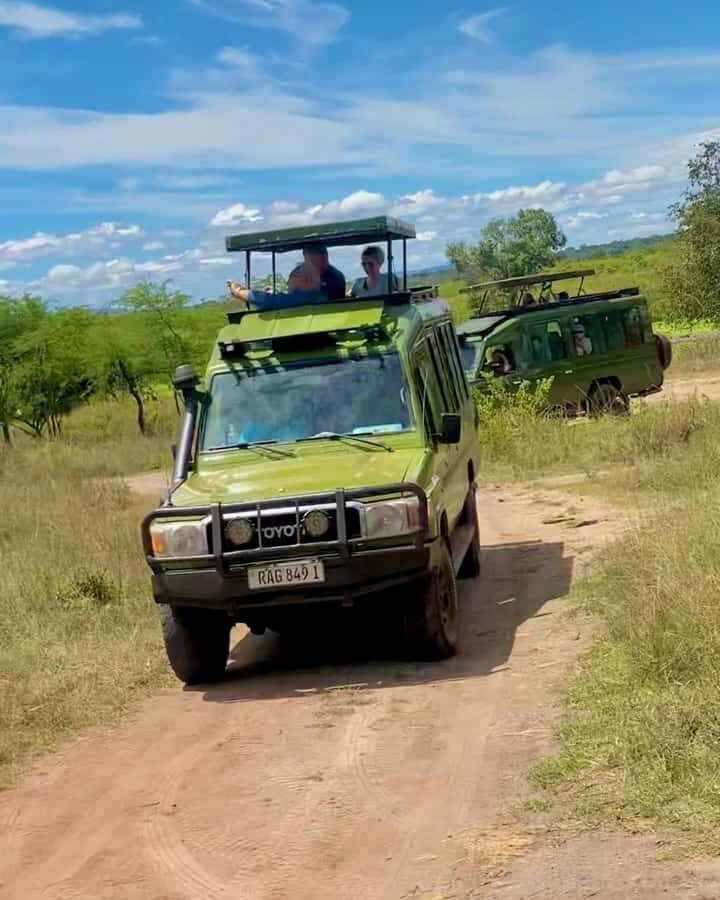
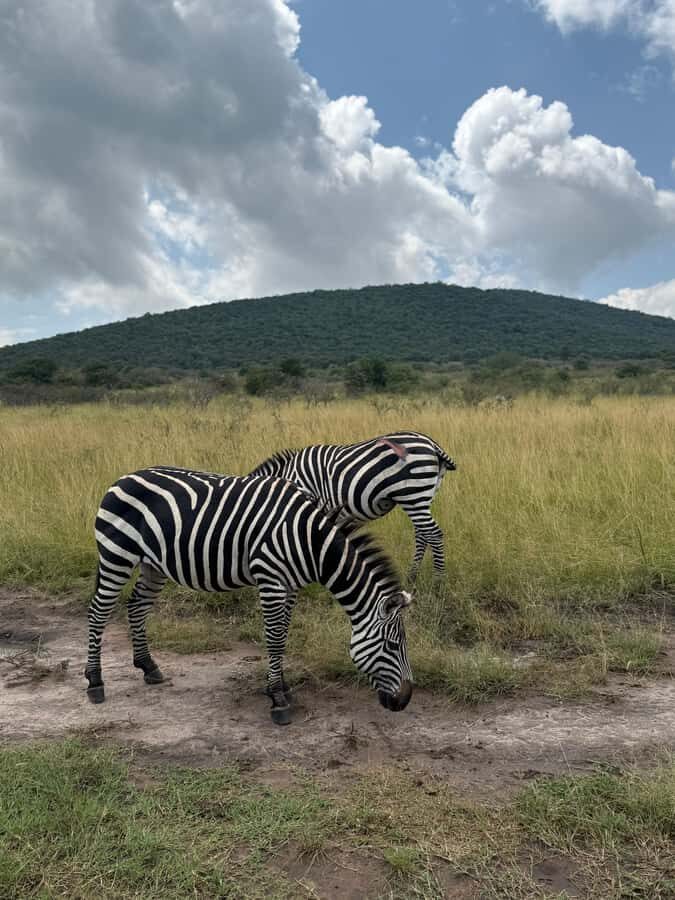
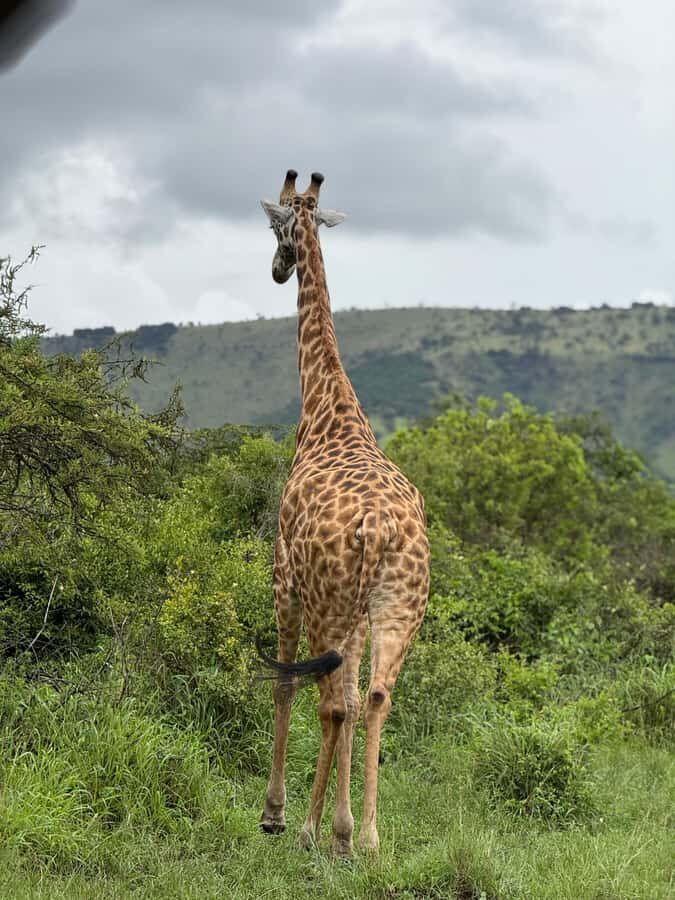
This is the heart of the outing. You’ll spend around 7 hours on safari in the park, spread across morning and afternoon drives. You’re looking for elephants, giraffes, zebras, buffalo, and antelope species such as topi and eland. And yes, the stars are the Big Five.
What makes Akagera special here is that lions, leopards, rhinos, elephants, and buffalo are described as reintroduced and now regularly spotted. I like that your day isn’t framed as a wish—your route and stop strategy are built to improve the odds.
The “Big Cat Moment” stops
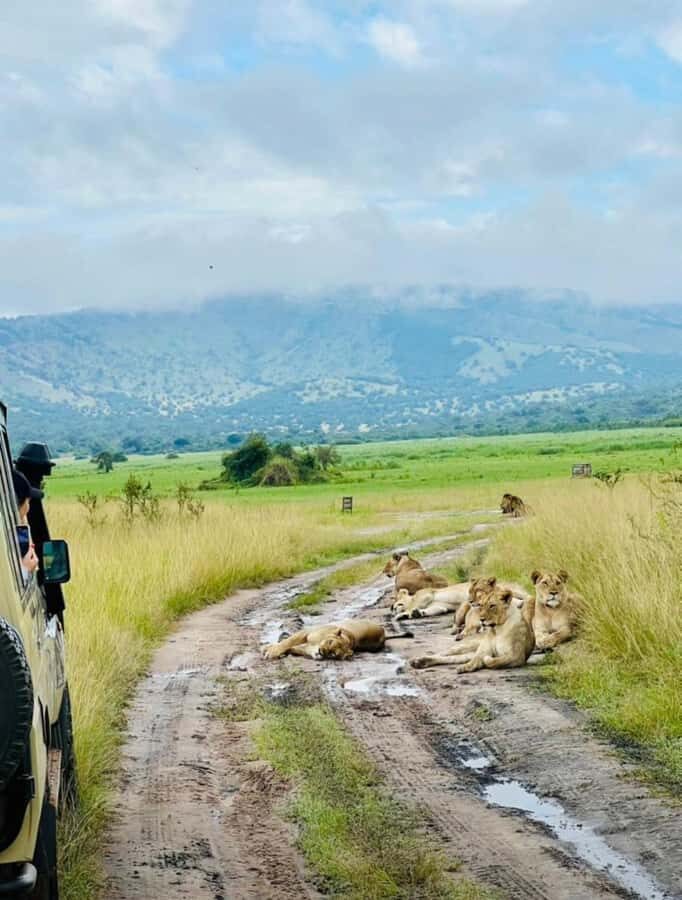
One of the more interesting parts is the themed tracking approach for big cats. Instead of constant scanning and noise, you get silent stops at known watering holes. The goal is simple: let the cats feel less pressured, while you maximize the chance of a lion or leopard showing up.
This style also helps you slow down and watch for smaller signs—fresh tracks, movement near brush, or animals that change behavior when something is nearby. Along the way, you might also find hyenas and bushbuck, plus smaller primates like vervet, olive, and blue monkeys. That mix makes the day feel fuller than a checklist.


Binoculars are not optional (for best results)
Here’s a practical tip that many tours don’t emphasize enough: bring your own binoculars. You’ll get better at spotting distant movement sooner, and you’ll make the most of your guide’s pointing and scanning. If you’re already carrying them, great—you’ll feel like you’re part of the hunt instead of only reacting at close range.
Lunch by the lake Mihindi and the soundscape of hippos
A standout moment comes when the day shifts from driving to water. Lunch is included at a lakeside spot (listed as Mihindi), and the overall experience is designed to feel like you’re eating alongside the wildlife, not just inside a restaurant. You can also expect the day’s lakeside time to pair with hippo activity and water birds.
The vibe is more than scenic. It’s about timing and calm. When you’re not driving, you can actually watch. Hippos surface. Birds react. You start noticing patterns—what flies in, what waits, and what ignores you.
And because Akagera is described as having intense biodiversity around water, the meal becomes one more wildlife window, not a break from wildlife completely.
Lake Ihema boat cruise: hippos, crocs, and serious birdlife
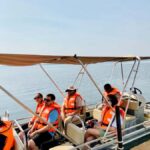
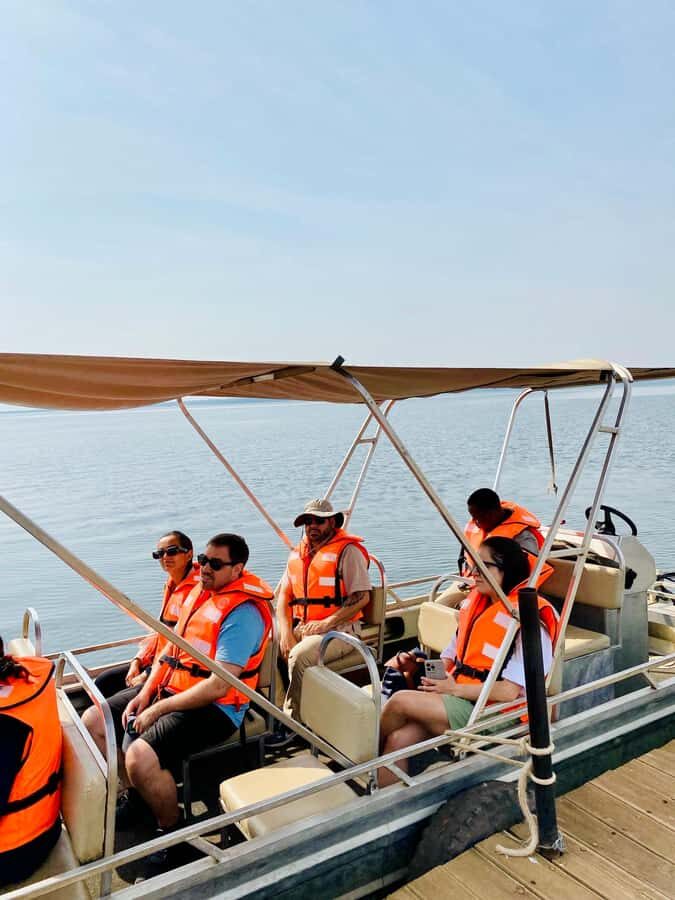
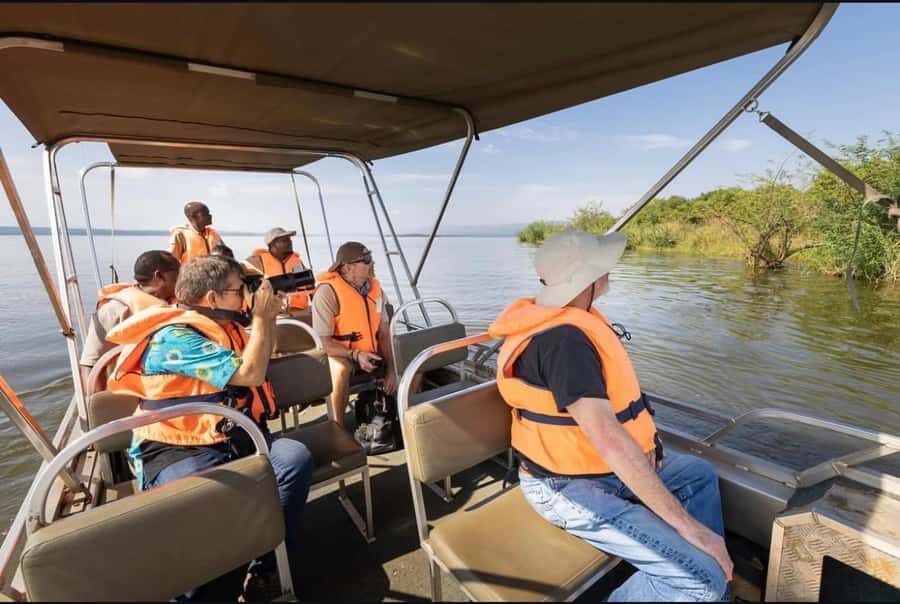
The Lake Ihema boat cruise is optional. If you add it, you get about 1 hour on the water, and it’s where Akagera turns into something different.
The boat portion is described as gliding quietly, which is exactly what you want for animals that spook easily. From the lake you can spot hippo pods, Nile crocodiles, and birdlife. The birding angle is a major reason to consider this add-on: Lake Ihema is listed as supporting at least 525 species.
Specific birds mentioned include:
- herons
- fish-eagles
- shoebill stork (and yes, this is a name you’ll want to ask about if you’re a birder)
- papyrus gonolek
What’s worth your attention on the cruise
When you’re on the water, don’t just scan for big animals. Watch for movement changes—birds lifting off, water ripples from something surfacing, or crocodiles appearing after a slow shift. The calm boat format gives you better odds to spot those subtle signals than from the shore.
Sunset sundowner: sparkling water, snacks, and golden light
Later in the day, you’ll have a sunset sundowner from a scenic hilltop or woodland clearing. You’ll be served sparkling water (or a soft drink) along with light snacks.
This part works because you’re already emotionally invested by then. After hours of looking for movement, it’s a relief to sit, sip, and let the last light do its job. You’ll often get the best photos during this window, because the savannah light turns warm and the contrast makes animals easier to pick out.
Price and logistics: what $199 really covers (and what doesn’t)
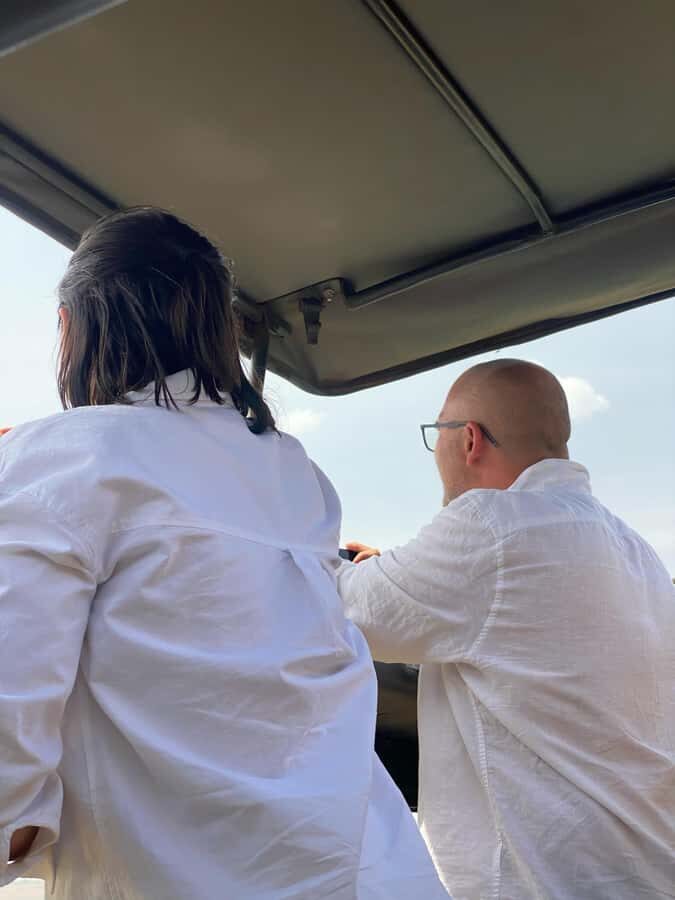
The price listed is $199 per person, and that covers a lot of the hard parts: pickup and drop-off from Kigali, the long drive, the community arts center stop, park registration and orientation, game drives, lakeside lunch, and storytelling by a professional driver-guide.
However, it’s crucial to budget for what’s not included:
- Akagera park entry fees, paid at the gate, vary by nationality (from about USD 15 for Rwandan/EAC citizens up to about USD 100 for non-African international visitors)
- the Lake Ihema boat cruise is optional, around USD 35–45 depending on schedule
Here’s how I’d think about value. You’re paying for time in the park with a guide who actively searches, plus a full day structure that includes both savannah viewing and lake time. If you skip the boat cruise, you’re still getting a strong safari day, but if birdlife and water wildlife are high on your list, that add-on can turn your trip from a good safari day into a more rounded Akagera experience.
Also note the group format is described as small group, which usually helps with spotting and pacing.
Tips that improve sightings and comfort
This is one of those days where your comfort choices affect your ability to stay alert. Bring:
- a sun hat
- a camera
- insect repellent
- cash
- binoculars
- closed-toe shoes
- a reusable water bottle
Wear choices matter too. You’ll be out in the open and moving between vehicles and viewing stops, so aim for clothing that won’t annoy you if it gets hot or dusty. Also note what’s not allowed: smoking, short skirts, alcohol or drugs, smoking in the vehicle, and loose clothing rules are listed. It’s a safari day, but it’s still an organized tour environment with guidelines you’ll want to respect.
Guides: what you get from the people driving the search
Good safari days are mostly about one thing: finding animals efficiently and keeping you positioned. The reviews for this kind of Akagera outing strongly highlight that guides know where to go and how to read conditions.
For example, Jerome (one of the guides mentioned) is praised for being smart, experienced, easy to be around, and helpful with French for a friend. Another guide, Pacific, is described as kind, knowledgeable, and focused on making sure the group enjoyed every moment.
In practical terms, that means you should expect more than random driving. You’ll get narrative storytelling about Akagera’s revival and an active search strategy that builds toward those big-cat and water-focused moments.
Who this safari from Kigali is best for
This experience fits well if you want:
- a full-day safari without flying to a distant region
- a mix of savannah and water wildlife
- a structured plan that doesn’t leave you guessing
- a small-group feel with a professional driver-guide
It’s also a good option if you care about birdlife. Even if you skip the boat cruise, the day still includes lakeside moments, and Lake Ihema is a big draw if you add it.
One note: it’s listed as not suitable for wheelchair users, so if mobility access is a concern, plan another option.
Should you book Akagera from Kigali?
I’d book this if you’re excited by the idea of combining Big Five odds with a lake component in the same day. The structure is practical: drive in from Kigali, get set up in the park, spend real time on safari, then shift to lakeside wildlife and sunset calm.
If you’re the type who wants guaranteed action, no safari is that. But Akagera’s Big Five are described as regularly spotted after reintroduction, and the themed big-cat tracking style plus silent watering-hole stops is exactly the sort of detail that can improve what you see.
Finally, decide early whether the boat cruise is a priority for you. If hippos and crocodiles on calm water sound like your kind of day, budget for the extra boat fee. If you’d rather keep costs simpler, you can still have a strong safari day without it.
FAQ
How long is the Akagera safari experience from Kigali?
The duration is listed as 10 hours to 2 days, depending on availability and starting times. Plan for an early start from Kigali and a long, full wildlife-focused day.
What’s included in the price?
Pick-up and drop-off from your accommodation in Kigali, the drive to and from Akagera with scenic highlights, a community arts center stop, park registration and orientation, game drives, lakeside lunch (Mihindi), plus narration and storytelling by the driver-guide.
Are Big Five animals part of the plan?
Yes. Lions, leopards, rhinos, elephants, and buffalo are described as reintroduced and regularly spotted, and the itinerary is built around game drives and themed tracking moments that focus on big cats.
Is the Lake Ihema boat cruise included?
No, it’s listed as optional. You can add it for an extra fee of about USD 35–45 per person depending on schedule.
How much are the park entry fees?
Entry fees vary by nationality and are paid at the park gate. The listed approximate ranges are: USD 15 for Rwandan/EAC citizens, about USD 50 for Rwandan/EAC residents and Pan-African non-EAC Africans, and about USD 100 for international non-African visitors.
What should I bring for the safari?
Bring a sun hat, camera, insect repellent, cash, binoculars, closed-toe shoes, and a reusable water bottle.
Is the tour wheelchair accessible?
No. It’s listed as not suitable for wheelchair users.