REVIEW · KIGALI
Private Memorial Day Tour Ntarama and Nyamata
Book on Viator →Operated by Wild Hikes Rwanda · Bookable on Viator
The hardest days in Rwanda come with a plan, and this private memorial tour is it: Ntarama and Nyamata memorial churches, guided with care and context. You get a focused visit with time to understand what happened in places where people prayed and then were attacked. It’s not sightseeing. It’s remembrance, with a guide to help you connect the dots.
I especially like that this is private, so you can ask questions and move at a pace that feels right. I also like the practical support: pickup, lunch, bottled water, and all fees and taxes included. One drawback to consider: the content is heavy, and you should plan for an emotionally intense day.
In This Review
- Key things I’d mark down before you go
- Why a private memorial tour beats a quick drive-by
- Ntarama Church Memorial Centre: old worship space, then the story of the killing
- Nyamata Church Memorial: where hiding happened in a church, then it failed
- The 5-hour rhythm: what timing actually does for you
- Lunch, water, and the small comfort you’ll appreciate more than you think
- Price and value: what $260 buys you in Kigali
- Who this tour suits best—and who should pause
- Should you book the Private Memorial Day Tour Ntarama and Nyamata?
- FAQ
- What time does the tour start?
- How long is the tour?
- Is lunch included?
- Do I need to pay admission tickets?
- Is this tour private?
- What’s the cancellation policy?
Key things I’d mark down before you go
- Private guide time so the story stays clear, not rushed
- Two memorial stops with enough time to actually take it in
- Lunch + bottled water included, so you’re not scrambling during a serious day
- What you see matters: the old church setting, plus items like weapons and clothing at Ntarama
- Guided explanation of causes and outcomes, not just dates and names
Why a private memorial tour beats a quick drive-by
A private tour is the difference between seeing a place and understanding it. At Ntarama and Nyamata, the setting is the message. These are former Catholic churches where people sought safety, and thousands were killed or buried where they hid. With a private guide, the day doesn’t turn into a checklist. You get a real narrative, step by step.
I like that the tour is built around meaning, not pace. You’re scheduled for about five hours starting at 9:00 am, with around two hours at each church memorial. That structure matters because your brain needs time to process what your eyes just saw. Even with a great guide, this is the kind of experience that doesn’t fit into a fast half-hour photo stop.
One more practical point: this tour offers pickup in Kigali and includes lunch. That sounds small until you’re on-site and you’re tired, hungry, and emotionally stretched. Having food and water covered helps you stay present.
You can also read our reviews of more private tours in Kigali



Ntarama Church Memorial Centre: old worship space, then the story of the killing
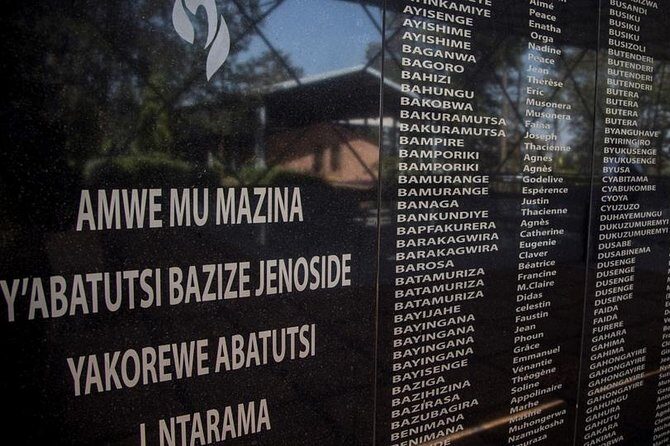
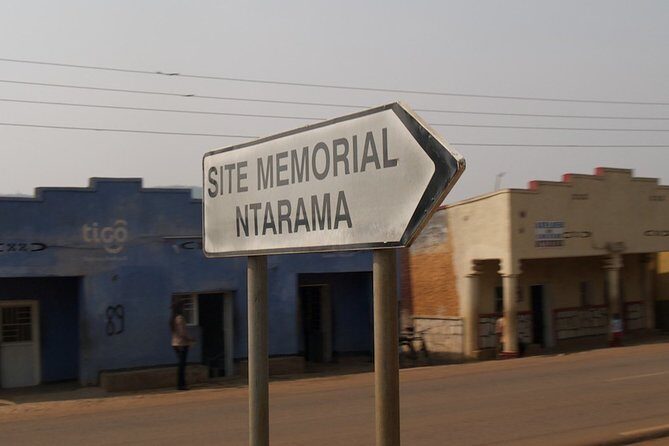
The Ntarama stop is about place and timeline. You’ll visit the Ntarama Genocide Memorial Centre, where 5,000 people were killed in a Catholic church. The visit is centered on the old church itself—the space where victims used to pray—and the guide walks you through how the violence unfolded there.
What I find most important here is that you don’t just hear a summary. You get to see physical reminders tied to the reality of the event, including weapons used to kill and old clothes of the victims. Seeing those items shifts the memory from abstract to concrete. It also makes the guide’s explanation easier to follow, because your eyes are already anchored in the setting.
Your guide also takes you through how the genocide started, the main cause, and how it ended. That kind of storytelling is valuable because it helps you place Ntarama inside the wider Rwanda tragedy instead of treating it like an isolated scene. At Ntarama, the goal isn’t to shock you. It’s to help you understand what people faced and why.
A heads-up for your own pacing: this stop can feel intense. Even if you’re prepared mentally, the combination of the church setting and the tangible items can land hard. If you need a moment, it’s okay to pause and ask your guide to slow down.
Nyamata Church Memorial: where hiding happened in a church, then it failed
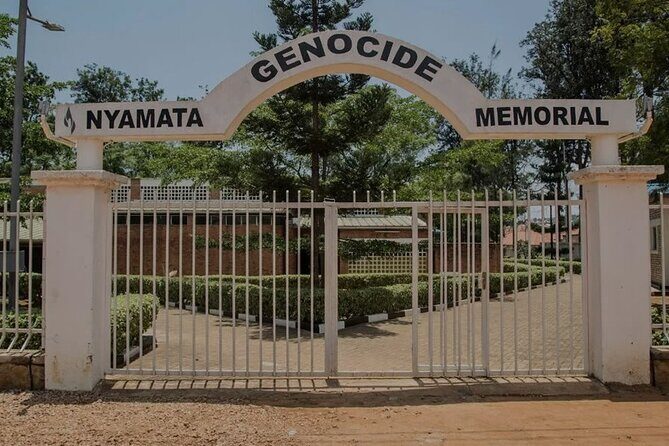
Nyamata is a different scale, and the memorial makes that clear. The Nyamata Genocide Memorial centers on a former church about 30 km south of Kigali, commemorating what happened in 1994. Here, the remains of 50,000 people are buried, and the focus is on what the area looked like before the attack—and what occurred when people hid.
You’ll spend about two hours here, including time to understand the history of the area and to learn about the old church where victims were hiding. The guide explains how and when they were attacked while hiding in the church, so the story stays connected to the physical space you’re standing in.
What I like about Nyamata as a follow-up to Ntarama is that it helps you see patterns without turning the tragedy into repetition. You come from one church memorial (with the specific details of Ntarama) and then you’re brought to another church memorial (with the scale and burial reality at Nyamata). By the end, your understanding is more complete: not only what happened, but how it played out across different locations.
The 5-hour rhythm: what timing actually does for you
This tour is scheduled to run smoothly without feeling rushed: 9:00 am start, about 5 hours total, and roughly two hours per memorial. That timing matters because you get a structured flow:
- First, you absorb the Ntarama church memorial center and the guide’s full explanation of how things began and ended.
- Then you move on to Nyamata for the second church setting and the details around hiding and attack.
- Lunch and bottled water are included, which helps keep your energy steady for the emotional load.
Because it’s private, you’re not trapped in a crowd. If you have questions, you can ask them in the moment rather than saving them for the end. That’s one of the reasons I see this as “personalized” in a real way—not just a marketing term.
Also, the tour uses a mobile ticket, which is handy. You avoid paper juggling on a day where you’d rather stay focused.
Lunch, water, and the small comfort you’ll appreciate more than you think
The memorial content is heavy. So I pay attention to how the tour handles basic needs. Here, you get lunch and bottled water included, plus a guide and all fees and taxes. That’s not just convenience—it’s emotional steadiness.
If you’ve ever tried to do something serious while hungry or distracted, you know what happens: your attention frays, and you miss details. With lunch and water handled, you can stay present during the explanations your guide gives at each site.
There’s also alcohol not included. That’s a practical detail worth noting. For a memorial tour, keeping the day clear-headed tends to be the right choice.

Price and value: what $260 buys you in Kigali
At $260 per person, this isn’t the cheapest activity in Kigali. But it’s priced like a private, guided experience with built-in comfort: pickup, lunch, bottled water, a guide, and all fees and taxes are included.
Here’s how I think about the value:
- You’re paying for private time with a guide who explains causes, realities, and consequences—not just general facts.
- You’re not paying extra for the core site access because admission tickets are free for both stops in the information provided.
- You’re also not paying for basic needs like water and lunch, which helps make the day feel manageable.
If your goal is a respectful, guided understanding of the genocide at two major memorial sites, the cost starts to make sense. If your goal is only a quick look at memorial grounds, it’s likely more than you need.
Who this tour suits best—and who should pause
This is best for people who want a guided, respectful memorial experience and are ready for emotional intensity. The information says most travelers can participate, and the format is designed for a private group only.
I’d especially recommend it if:
- You want a story-driven visit, including how events started and how they ended
- You like asking questions and getting clear explanations
- You want two memorial sites in one day without feeling rushed
I’d pause if you know you struggle with intense historical content or if you’ll be traveling with someone who isn’t prepared for a heavy theme. This is a day for seriousness, not a casual outing.
Should you book the Private Memorial Day Tour Ntarama and Nyamata?
If you’re choosing between doing these memorial sites on your own versus with a guide, I’d lean toward booking. The biggest reason is simple: the tour is built around context and explanation, including the guide’s walkthrough of how the genocide started and how it ended. Add private time, lunch, and bottled water, and it becomes a practical way to pay attention to what matters.
Go ahead and book if you want understanding, not just locations. Consider skipping (or scheduling a gentler plan) if you know you need a lighter day emotionally. Either way, plan for a respectful, quiet, full-hearted visit.
FAQ
What time does the tour start?
The tour starts at 9:00 am.
How long is the tour?
It runs for about 5 hours (approx.).
Is lunch included?
Yes. Lunch is included, along with bottled water.
Do I need to pay admission tickets?
Admission tickets are listed as free for both Ntarama and Nyamata stops.
Is this tour private?
Yes. It’s a private tour/activity, and only your group participates.
What’s the cancellation policy?
You can cancel for a full refund if you cancel at least 24 hours before the experience starts. If you cancel within 24 hours of the start time, the amount paid is not refunded.