REVIEW · KIGALI
3-Day Rwanda Gorilla Safari
Book on Viator →Operated by Nkuringo Safaris Ltd · Bookable on Viator
A single trail can change your day. This 3-day Rwanda gorilla safari focuses on one rare goal: mountain gorilla tracking in Volcanoes National Park from Kigali. You’ll get picked up, driven north, briefed properly, and then spend real time in the forest instead of rushing through stops.
I like the clear inclusions for the biggest pieces of the trip: a gorilla tracking permit, the 4×4 Land Cruiser with an English-speaking guide, and meals (breakfast, lunch, dinner) built into the schedule. I also like that you can upgrade your stay for a fee, so you can match the trip to your budget without changing the core experience.
One thing to consider: the trek time is unpredictable (about 2–8 hours), and your day is built around weather and gorilla movement. If you’re not comfortable with long periods of walking uphill and uneven ground, you’ll want to plan carefully.
In This Review
- Key things to know before you go
- Why Volcanoes National Park feels like more than a gorilla checklist
- Price and logistics: what $3,746 gets you (and what it doesn’t)
- Day 1: Kigali meet and greet, then Kinigi at the foot of Volcanoes National Park
- Day 2: Gorilla briefing and the real meaning of 2–8 hours of forest time
- Day 2 rules: one hour with a habituated gorilla family
- Day 3: Kigali return, plus optional Genocide memorial and museum time
- Where you stay: upgrading from guest house to lodge comfort
- What to pack for a trekking day that can run 2–8 hours
- Your fitness level and the pacing you should expect
- Who this private Rwanda gorilla safari fits best
- Should you book this 3-Day Rwanda Gorilla Safari?
- FAQ
- What time does the safari start?
- Where does the tour start and end?
- Is a gorilla tracking permit included?
- How long does gorilla tracking take?
- How much time will I spend with the gorillas?
- What meals are included?
- What is not included in the price?
- Can I upgrade my accommodation?
- Is this tour private?
- Should you book this 3-Day Rwanda Gorilla Safari?
Key things to know before you go
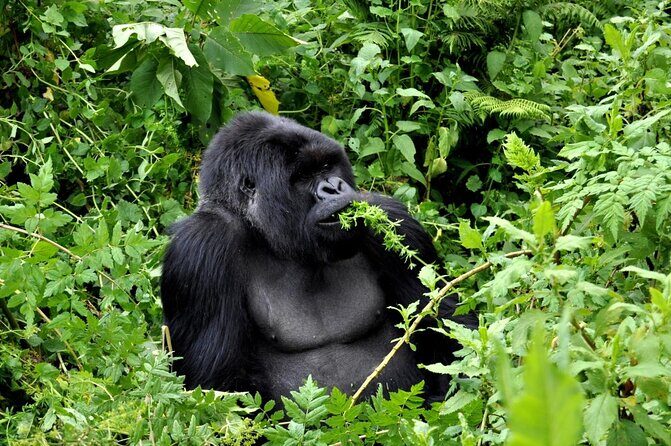
- Permit + tracking time planning: You get 1 gorilla tracking permit per person, and the day can run 2–8 hours in the forest.
- One-hour gorilla window: You’re allowed to spend one hour with a habituated gorilla family.
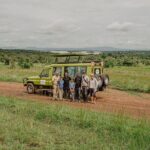
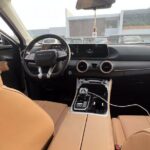
- Private, English-speaking 4×4 support: You travel by 4×4 Land Cruiser with an experienced English-speaking guide.
- Meals included for less stress: Breakfasts, lunch, and dinners are covered for 2 nights.
- Kinigi base near Volcanoes National Park: Day 1 focuses on getting you up the mountain to settle in before tracking.
- Upgrade paths if you want more comfort: Mid-range or luxury lodge options are available for an added cost.
Why Volcanoes National Park feels like more than a gorilla checklist
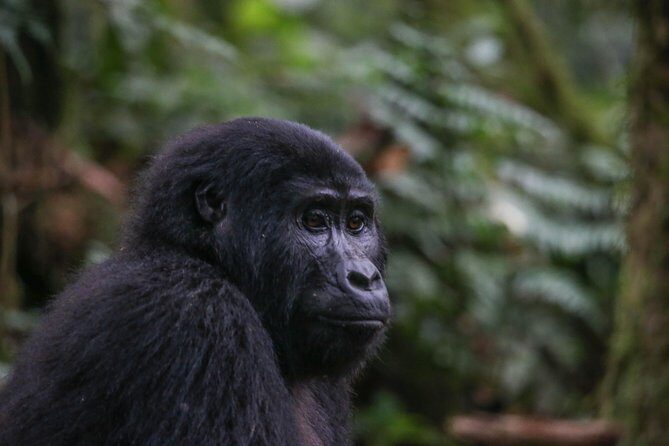
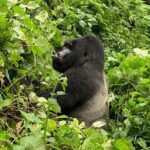
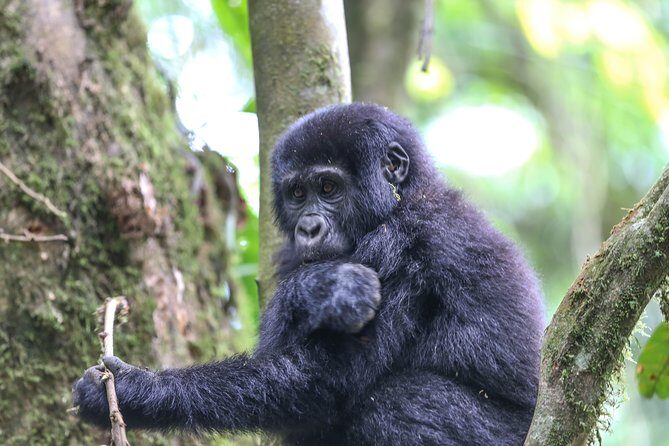
If you’ve seen gorillas in photos, you already know they’re powerful animals. What this trip gives you is the chance to meet them under the rules that protect them: a real briefing, a controlled one-hour visit, and a guided tracking day that depends on temperature and movement.
There’s also something practical and calming about the route: Kigali to Kinigi is done with enough driving time to get scenery, not just transportation. Day 1 isn’t just a transfer day. It’s built to get you near the action—so Day 2 starts early and focused.
The other big point is the guide support structure. You’ll travel with a driver and guide, and on tracking day you’ll also be following the people who lead the group through the forest. In the experience that really stands out from the provided feedback, the ranger who led the group uphill and the trackers who led the way to the gorillas were described as excellent. When you’re tired and the terrain changes fast, that kind of leadership matters.
A few more Kigali tours and experiences worth a look
Price and logistics: what $3,746 gets you (and what it doesn’t)
At $3,746 per person, this is not a budget safari. The value is in what you’re not scrambling to arrange yourself.
You do get the key safari costs that can easily become surprise expenses on your own:
- 1 gorilla tracking permit per person
- A 4×4 safari Land Cruiser with fuel
- An English-speaking guide
- Breakfast (2), lunch (2), and dinner (2)
You also get hassle-reducing logistics:
- Airport pickup and drop-off are included
- A mobile ticket is provided
- It’s a private tour/activity, meaning it’s just your group
What’s not included is also clear:
- Visa costs are listed at USD 50 each
- Gratuities and tips aren’t included
- Drinks and laundry services aren’t included
- Optional extras (like museum visits or city time) can cost extra depending on what you pick
So, is it good value? For gorilla safaris, yes—because the gorilla permit and the guided tracking day are the expensive, hard-to-move pieces. When those are built in, you can focus your energy on fitness, weather, and the actual trek.
Day 1: Kigali meet and greet, then Kinigi at the foot of Volcanoes National Park
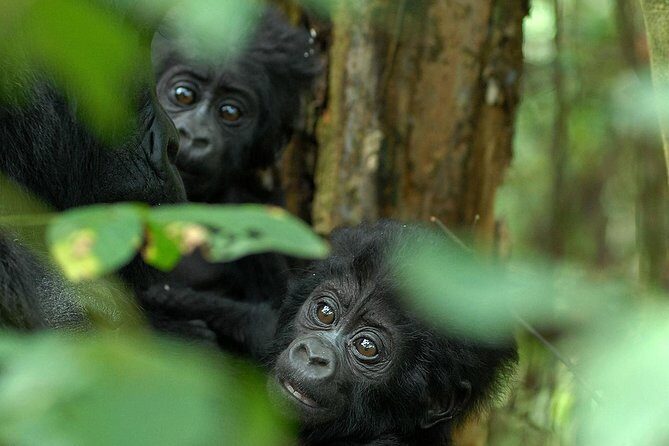
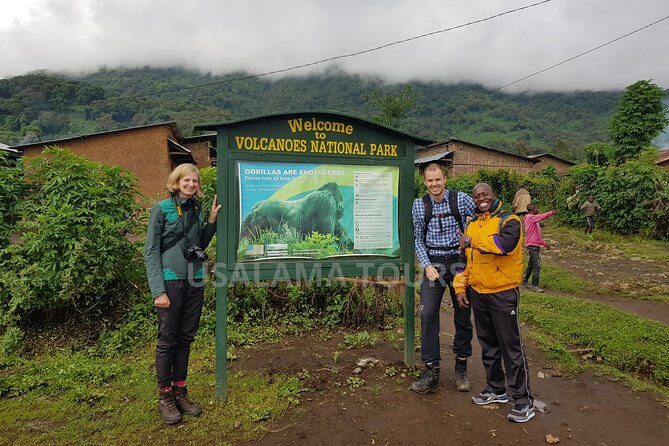
Your day starts at 7:30 am in Kigali. The plan begins with a meet-and-greet with your private Rwanda gorilla safari guide, followed by a briefing. Then you’ll drive north toward Kinigi at the foot of Volcanoes National Park.
The drive time is about 3 hours, with strong driving speed planned so you actually get countryside time, not just a long wait. This matters because the next day depends on you being ready early. A good Day 1 transfer helps you sleep better and reduces that stressed feeling of arriving too close to tracking time.
After checking into your lodge, you’ll have dinner later in the evening in an area described as surrounded by evergreen tropical forest. You won’t be doing a big sightseeing circuit. You’ll be resetting your body for the next day’s work.
Practical takeaway: Day 1 is about positioning and rest. Don’t plan an aggressive schedule for the evening beyond dinner, especially if you know you’ll have a long tracking day tomorrow.
Day 2: Gorilla briefing and the real meaning of 2–8 hours of forest time
Day 2 starts with an early breakfast, then it’s off to the park headquarters for the gorilla briefing. This briefing isn’t a formality. It’s the moment where you learn the rules that keep the gorillas safe and keep your group moving as a team.
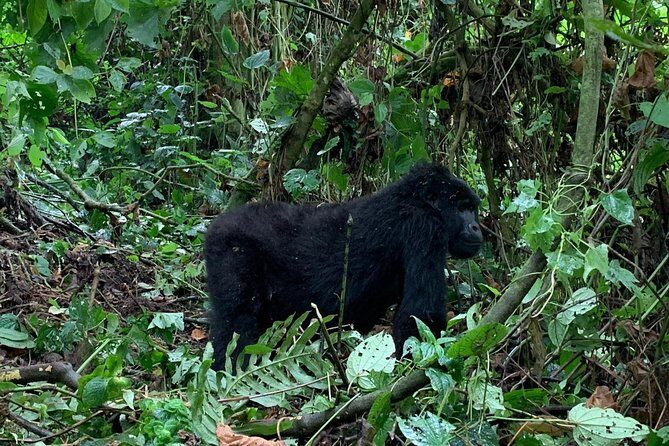
Then comes the heart of the trip: tracking in the forest. The time spent tracking is described as unpredictable, ranging from about 2 to 8 hours before you reach the habituated gorilla family.
That wide range is the reality of mountain gorilla tourism:
- The forest conditions shift with weather
- Feeding range and movement change
- Trackers ahead of your group help adjust where you’ll eventually meet the family
So what should you do with that information? You should mentally plan for the long side of the estimate. Pack like the day could be long. And keep your pace steady rather than trying to sprint early. Even if you feel strong at the start, the forest can still wear you down with hours of uneven ground.
You’ll have a packed lunch, and you’ll want comfortable clothes and shoes, plus a walking stick. The itinerary specifically calls out the walking stick idea, which is smart here. A stick reduces fatigue and helps you steady your steps when the trail gets slick or steep.
Day 2 rules: one hour with a habituated gorilla family
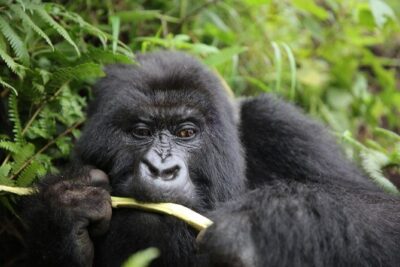
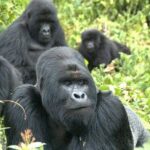
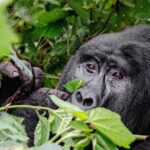
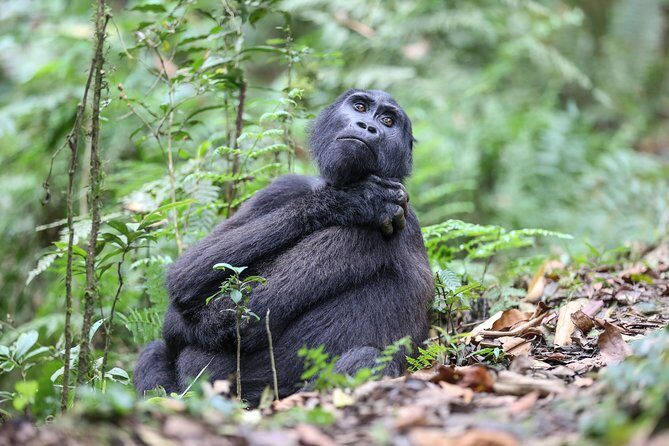
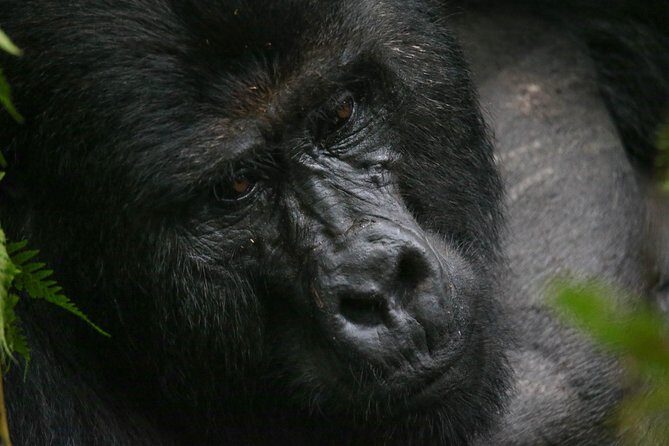
Once you reach the gorillas, you get the moment everyone dreams about. But it’s not open-ended time. Visitors are allowed to spend one hour in the company of a habituated gorilla family.
That one-hour cap is actually part of what makes the experience feel meaningful. You don’t wander for hours doing whatever you want. You’re focused. You watch. You follow instructions. You keep a safe distance. And you take in a full animal behavior session rather than rushing past it.
Because the gorillas’ location depends on daily movement and conditions, your group’s path can change. That’s why the earlier briefing, the rules at the trailhead, and the leadership of the ranger/trackers matter. The feedback you were given highlights that the ranger who led the group uphill—and the trackers who guided the group to the gorillas—were excellent. When the trail gets tough, you’ll be grateful for that guidance.
One more practical note: even if tracking time ends up shorter than the maximum, you’ll still be tired after. Build your evening around recovery.
A few more Kigali tours and experiences worth a look
Day 3: Kigali return, plus optional Genocide memorial and museum time
After an early breakfast, you drive back toward Kigali. This day is more flexible than Day 2 because it depends on your flight timing.
You can add an optional city excursion, including:
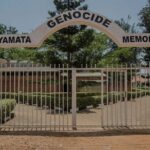
- Kigali Genocide Memorial in Gisozi
- Rwanda National Museum
If you have time, these can add depth to what you’ve seen in the country. And if you don’t, you still have the comfort of knowing Day 3 isn’t built around more strenuous hiking.
There’s also an optional option depending on your schedule: a day room or overnight at Heaven Boutique or The Retreat. That’s useful if your flight isn’t aligned with the end of the trip and you want somewhere comfortable to freshen up.
Where you stay: upgrading from guest house to lodge comfort
Your standard plan includes an overnight in a guest house area near the park. But there’s an explicit upgrade path for comfort.
For a fee, you can choose:
- Mountain Gorilla View Lodge (mid-range)
- Volcanoes Virunga Lodge (luxury)
The luxury and mid-range notes include added perks: local beverages and laundry service are included with the upgrade. That’s not just convenience. After a long trek day, having laundry service can be a real quality-of-life win.
If you’re budgeting, ask yourself what you’re trying to protect:
- If you want maximum value, the core gorilla day and included meals matter most.
- If you want more comfort for recovery, upgrading the lodge can be worth it—because you’ll feel it after the trek.
What to pack for a trekking day that can run 2–8 hours
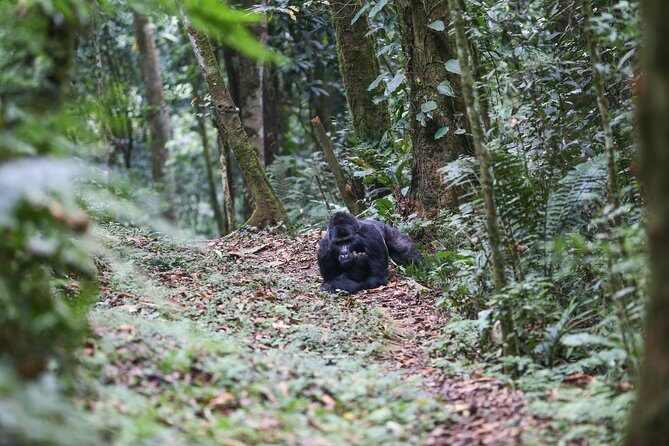
The itinerary calls for specific gear, and you should take that seriously. Gorilla tracking is physical, and the day can stretch.
Bring:
- Comfortable clothes for forest walking
- Comfortable shoes with good traction
- A walking stick (strongly suggested)
- A mindset that the trek time is unpredictable
Also, because it operates in all weather conditions, dress appropriately. You don’t have to go “outdoor survival mode,” but you should expect moisture and changing temperatures.
Food-wise, you’ll have packed lunch on tracking day, and meals are included across the trip. That’s one less thing to worry about. Still, it helps to plan water and snacks carefully within your own comfort needs, since drinks aren’t listed as included.
Your fitness level and the pacing you should expect
This trip is listed as requiring moderate physical fitness. The reason is simple: even with guidance, the trek can involve hours of uphill and forest walking.
Here’s how to judge if it fits you:
- If you can handle long walks with uneven ground and occasional steep sections, you’re likely okay.
- If you want guaranteed short hiking time, you won’t get that. The experience depends on gorilla movement and forest conditions.
- If you’re prone to knee pain on descents, consider the walking stick seriously. It’s not a fashion accessory on this kind of trek.
The best way to enjoy the day is to treat the trek as a steady effort, not a race.
Who this private Rwanda gorilla safari fits best
This is a great match if you want:
- The big focus: gorilla tracking (not a packed sightseeing route)
- An included permit and clear meal coverage
- A private setup where your group participates together
- 4×4 transportation plus an English-speaking guide
It’s also a good choice if you’re traveling with at least one other adult, since the minimum is 2 adults per booking.
If you’re the kind of traveler who likes structured days with clear rules for safety and conservation, you’ll appreciate the briefing-heavy approach. One-hour gorilla time with proper guidance is exactly that kind of structure.
Should you book this 3-Day Rwanda Gorilla Safari?
Book it if you want the core gorilla experience done the practical way: included permit, included tracking logistics, and a schedule that gets you positioned near Volcanoes National Park before the trek day.
Don’t book it if:
- You’re not comfortable with the chance of a long tracking day (up to 8 hours)
- You dislike physical walking and uneven ground
- You need lots of free time for independent planning, since the itinerary is built around early briefing and flexible tracking timing
If you’re on the fence, this is the deciding thought: the gorilla part can’t be rushed, and it can’t be fully controlled. The value here comes from having the permit, the guide, and the transport handled well—so when your trek day finally starts moving, you’re ready for it.
FAQ
What time does the safari start?
The start time is listed as 7:30 am.
Where does the tour start and end?
It starts in Kigali, Kigali Province, and ends back at the same meeting point.
Is a gorilla tracking permit included?
Yes. The trip includes 1 gorilla tracking permit per person.
How long does gorilla tracking take?
The time spent tracking is unpredictable and can range from about 2 to 8 hours before an encounter.
How much time will I spend with the gorillas?
You’re allowed to spend one hour in the company of a habituated gorilla family.
What meals are included?
Breakfast (2), lunch (2), and dinner (2) are included.
What is not included in the price?
Visa (listed at USD 50 each), gratuities and tips, drinks, laundry services, and any optional activities not included in the itinerary.
Can I upgrade my accommodation?
Yes. You can upgrade for a fee to mid-range Mountain Gorilla View Lodge or luxury Volcanoes Virunga Lodge.
Is this tour private?
Yes. It’s described as a private tour/activity with only your group participating.
Should you book this 3-Day Rwanda Gorilla Safari?
If you’re aiming for mountain gorillas with a smooth, guided setup, this is a strong choice. You’re paying for the hardest-to-handle parts—the permit and guided tracking day—and you get meals and transport built in, which helps you avoid trip-day stress. Just be honest about the trekking effort, because the day can run long based on conditions.