REVIEW · KIGALI
2 Day Gorilla Trekking Safari in Uganda via Kigali
Book on Viator →Operated by Bamboo Ecotours · Bookable on Viator
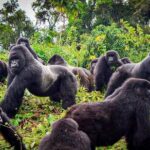
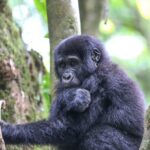
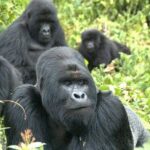
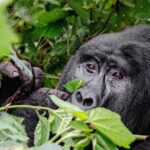
Gorillas start with a long drive. This 2-day safari from Kigali brings you to Uganda’s Bwindi Impenetrable Forest for a real hunt for gorillas on foot, with a small group and a guided briefing that sets your expectations before you go in. I like that the route is built around efficient ground travel through Rwanda and the border into Uganda, so you lose less time to logistics and more time to the forest.
I also like two practical things: gorilla trekking permits and key transfers are included, and you get a national park guide’s briefing and assigned family right at the gate. The trip keeps things intimate—your overall group is capped, and your trekking group is limited too—so the whole day moves at a calmer pace than big tours.
The one drawback to plan for is the effort. The road time is long both directions (about 5 hours each way), and gorilla trekking can range from a few hours to longer depending on where the family is. You’ll also want to be comfortable with a moderate fitness level for walking on uneven forest terrain.
In This Review
- Key things I’d clock before you go
- Kigali to Bwindi: why a 2-day trip can make sense
- The Rwanda-to-Uganda drive: border crossing and using that time well
- Day 1 in Bwindi: early arrival, Lake Mutanda options, and a calmer afternoon
- Day 2 at the gate: briefing, family assignment, and the real trek variable
- Sleeping in Bwindi: tented accommodation inside park limits (and what it implies)
- Price and value: what $1,780 covers and what you must bring to the table
- Guides, drivers, and the small-group comfort factor
- Should you book this Kigali via Rwanda gorilla trekking safari?
- FAQ
- How long is the drive from Kigali to Bwindi?
- Are gorilla trekking permits included?
- What meals are included during the trip?
- Is sleeping inside Bwindi National Park included?
- What group size will I be in?
- Do I need to arrange a visa and travel insurance?
- Is the booking refundable?
Key things I’d clock before you go
- Small-group setup: your tour group is capped (max 5), while your gorilla trekking party is kept to a limit (up to 10).
- Gate briefing before your trek: you learn how it works and get told which gorilla family you’ll track.
- Real Bwindi time: you’re not just driving through Uganda—you spend the night very close to the experience, with options for sleeping within park limits in tented accommodation (at extra cost).
- Long but straightforward route: Kigali to Bwindi is roughly a 5-hour drive via Musanze (Ruhengeri) and the Cyanika border post.
- Flex day-one timing: arrival in the early afternoon can leave room for optional add-ons like coffee making or canoeing at Lake Mutanda.
Kigali to Bwindi: why a 2-day trip can make sense
If you’re short on days but still want the heart-pounding part—watching mountain gorillas in the wild—this format is built for you. You trade extra sight-seeing for one clear goal: get into Bwindi, get briefed at the park, track your assigned family, then get back to Kigali.
This works especially well if you’re already in Rwanda and want an easy mental switch: instead of adding multiple countries, you do one cross-border transfer and focus on one once-in-a-lifetime activity. And because you’re capped at a small number of people, the day doesn’t feel like cattle movement. You’re guided, you’re briefed, and you move with a sense of purpose.
This kind of trip is also a good fit if you like clean planning. The essentials are handled: transport from Kigali, meals during the trip, and the gorilla trekking permit. You’ll still need to plan your passport/visas and your insurance (those aren’t included), but the core safari mechanics are covered.
You can also read our reviews of more hiking tours in Kigali
The Rwanda-to-Uganda drive: border crossing and using that time well
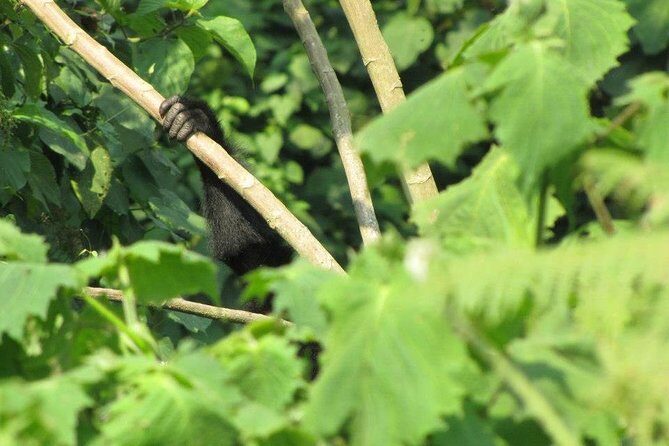
Day 1 starts with a pickup in Kigali and a long drive toward Bwindi Impenetrable Forest. The route runs through Musanze (Ruhengeri) in northern Rwanda, crosses into Uganda at the Cyanika border post, then continues through Kisoro before reaching the park area. The drive is listed at about 5 hours.
That’s a lot of time in a vehicle, so here’s how I’d treat it like a strategy, not a tax:
- Expect your day to start early in spirit, even if the exact pickup time isn’t spelled out. Road trips like this run on schedules, not vibes.
- Don’t plan heavy extras that require urgency right at departure. Your best bet is to keep your first afternoon open, because the tour is designed to arrive early enough for options.
The value of this routing is simple: it’s the practical way to connect Rwanda to Bwindi without adding more moving parts. You’re not doing a complicated swap of vehicles or bouncing through multiple border points. One border, one drive line, then you’re in position for the park.
Day 1 in Bwindi: early arrival, Lake Mutanda options, and a calmer afternoon
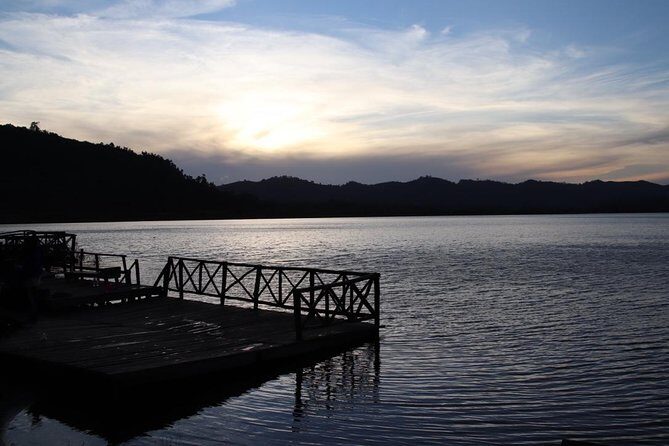
Once you reach Bwindi National Park in the early afternoon, you don’t immediately jump into the gorilla trek. That extra half-day matters. It gives you time to breathe, settle in, and decide on optional activities while your body is still fresh.
Two options are specifically mentioned:
- A coffee making tour
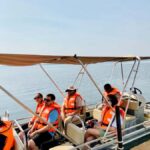
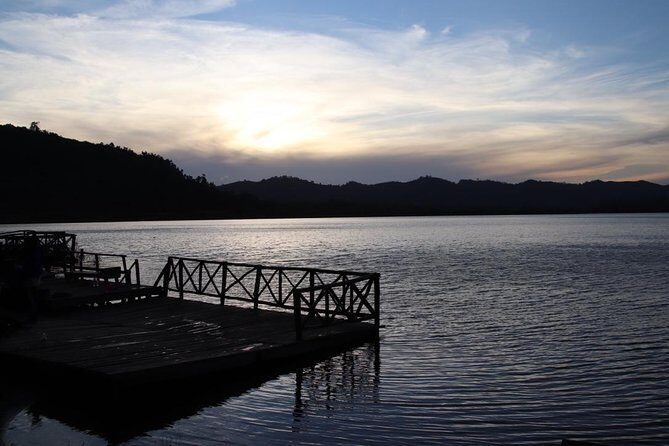
- Canoeing at Lake Mutanda
Whether you do those or not depends on timing and your energy, but the key point is this: the schedule leaves slack. For many people, that slack turns day one from stressful to enjoyable. You can ease into the area and learn something local before the big day.
This is also a smart moment to mentally prep for Bwindi itself. You’re going from road travel into dense forest terrain, and your second day will be physically active. Early arrival helps you avoid the feeling that you’re rushing straight from the border into a long hike without time to reset.
Day 2 at the gate: briefing, family assignment, and the real trek variable
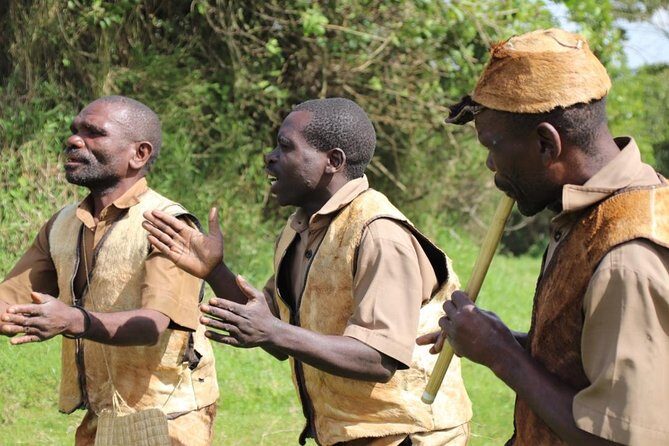
On Day 2, it’s breakfast first, then straight to the park gate for your gorilla trek briefing. This is where the trip becomes more than transport and permits.
Your national park guide runs the briefing and covers what to expect during the trek. You’ll also be told which gorilla family you’ll track at that moment. That family assignment is a big deal. Gorillas don’t live like a theme park with one predictable route, so the forest logistics drive your hike length.
Then you’re off. The trek time is listed as variable—from a few hours to many hours—depending on how far the gorillas are inside the forest. That’s not just a random detail; it changes how you should think about your day:
- Plan for flexibility, not a fixed itinerary timeline.
- Accept that your day is determined by gorilla movement and guide decisions, not by your schedule.
After the trek, you head back out and drive to Kigali, with the return drive estimated at about 5 hours.
This kind of structure is one reason the experience gets such strong feedback: it keeps the day grounded in how gorilla trekking actually works—briefing, family assignment, then a forest search with guidance.
Sleeping in Bwindi: tented accommodation inside park limits (and what it implies)
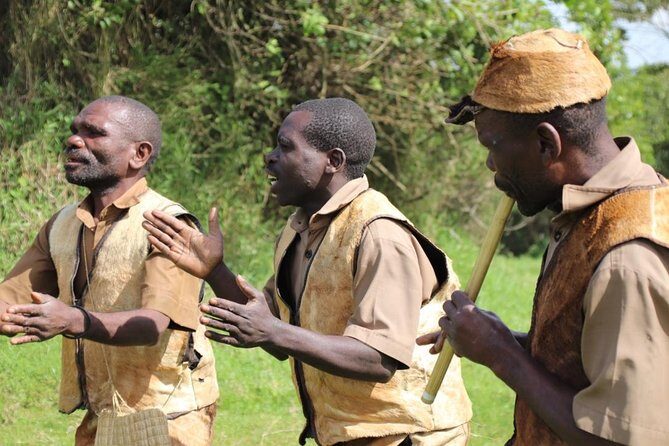
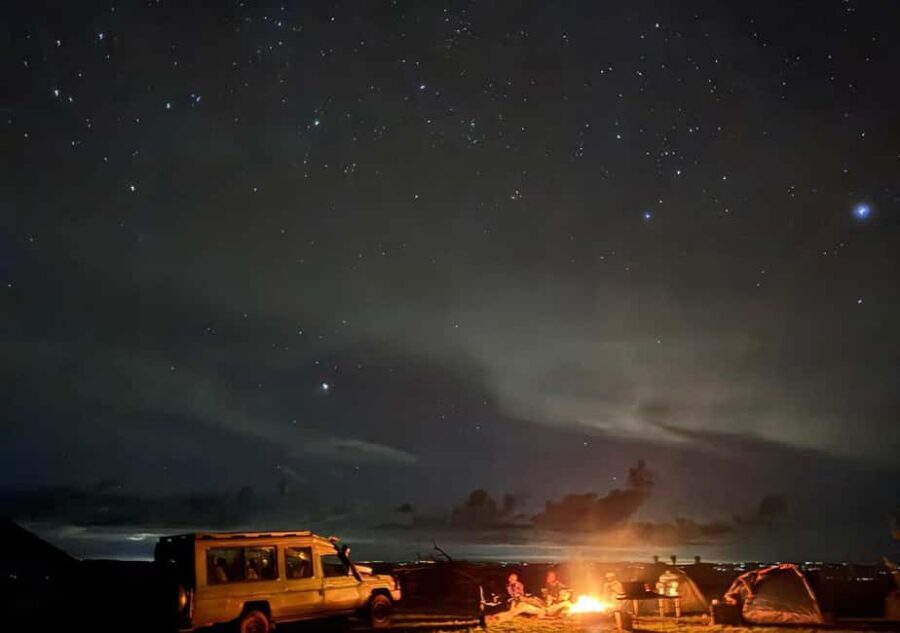
The tour overview mentions sleeping within Bwindi’s park limits in tented accommodation, with this being an additional cost. That matters because it’s the difference between “near the action” and “in the action.”
If you choose the in-park option, you’re buying two benefits:
- More time close to where the trek begins, which can help the day feel less rushed.
- A more direct connection to the forest setting, since you’re not far removed from the environment you’re visiting.
The tradeoff is the nature of tented stays. This type of lodging is not the same as a city hotel bed and bathroom setup. The tour data doesn’t list exact comfort levels, so you should treat this as a wilderness-style overnight. If you’re the type who enjoys camping-adjacent experiences and wants the night to feel tied to the safari, it can be a great match.
If you strongly prefer standard hotel comforts, you might weigh the added cost carefully. But if you’re willing to trade some convenience for closeness to the experience, this is the option that tends to make the trek feel even more like one continuous journey.
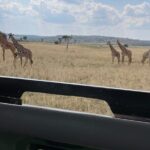
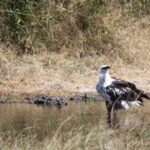
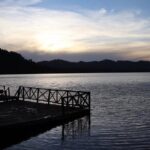
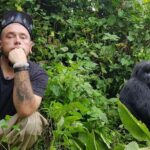
A few more Kigali tours and experiences worth a look
Price and value: what $1,780 covers and what you must bring to the table
At $1,780 per person for a 2-day safari, the real question isn’t just the sticker price. It’s what’s included and how much you’d otherwise pay in separate pieces.
Here’s what’s covered:
- Meals: breakfast, dinner, and lunch twice
- Gorilla trekking permits
- Transfers (ground transport as outlined in the drive)
- The park briefing with a national park guide
What isn’t included:
- Visas and travel insurance
- Items of personal nature
- Flights (domestic and international)
So where is the value? It’s in three high-cost, hard-to-arrange items: the permit, the ground logistics across a border, and the fact you’re not paying separately for the core safari day framework. When those pieces come bundled, you avoid the risk of discovering that you bought transport but still have to source a permit at the last minute.
Also note the math on time. You’re effectively doing Kigali-to-Bwindi and back in two days, which means you’re paying for efficiency. If you tried to build your own version, the permit management and scheduling coordination can be the headache.
One more factor: the experience is listed as non-refundable and cannot be changed for any reason. That’s not a minor clause. If your plans are sensitive, you’ll want to feel confident before you lock it in.
Guides, drivers, and the small-group comfort factor
The trip is operated by Bamboo Ecotours, and the experience is described as small-group with practical pickup and support.
From the names that come up in past experiences, I’d specifically pay attention to how you’re looked after in transit and at the park:
- People reported excellent driving and communication from drivers like Herbert, Fred, Jackson, Godfrey, and also a driver named Mugorozi Jackson.
- In booking and planning conversations, Edison is repeatedly named as the contact who responds quickly and helps manage details.
That matters because gorilla trekking isn’t only about the hike. You also need smooth timing—getting to the gate, understanding the briefing, handling the border crossing, and returning to Kigali without drama.
Add in the group structure:
- The tour limits you to a maximum of 5 travelers.
- Your gorilla trekking group is limited to 10 people.
That difference is subtle but important. A smaller trekking party can make the day feel more personal and less rushed. It also fits the reality that guides need to manage safety and spacing as people move through the forest.
If you want your safari day to feel controlled and calm—rather than frantic—this is the kind of setup that typically delivers.
Should you book this Kigali via Rwanda gorilla trekking safari?
I’d book it if your priorities are: gorillas first, strong organization, and not spending extra days just moving between places. It’s also a good choice if you already have Rwanda plans and want a straightforward way to add Uganda’s Bwindi without building a DIY schedule.
I’d pause if any of these are dealbreakers for you:
- You’re not comfortable with the road time. The drive is about 5 hours each way, and you’ll be doing it twice.
- You might struggle with variable trek length. The gorilla trek can be a few hours or much longer depending on where the family is.
- You’re uncertain about dates. The booking is non-refundable and cannot be changed for any reason.
If you go in with the right mindset—flexible about time, respectful of the forest day, and ready for a guided trek—this tour format offers a solid value: permits and core logistics handled, meals included, and a small-group feel that keeps the focus where it belongs.
FAQ
How long is the drive from Kigali to Bwindi?
The drive is estimated at about 5 hours, traveling through Rwanda’s Musanze (Ruhengeri) area, crossing into Uganda via the Cyanika border post, then continuing through Kisoro.
Are gorilla trekking permits included?
Yes. Gorilla trekking permits are included in the package price.
What meals are included during the trip?
Breakfast, dinner, and lunch are included. The itinerary lists lunch twice as part of the included meals.
Is sleeping inside Bwindi National Park included?
Sleep within the park limits in tented accommodation is mentioned as an option, but it comes with an additional cost.
What group size will I be in?
The tour lists a maximum of 5 travelers. Your gorilla trekking is conducted in a group limited to 10 people.
Do I need to arrange a visa and travel insurance?
Yes. Visas and travel insurance are not included, and they’re listed as not covered by the package.
Is the booking refundable?
No. The experience is non-refundable and cannot be changed for any reason. If you cancel or request an amendment, the amount paid will not be refunded.