REVIEW · KIGALI
Home staying experience
Book on Viator →Operated by Beyond the Gorillas Experience · Bookable on Viator
Village life hits different in Rwanda. This Kigali home stay pairs a rural welcome with time in a traditional community, and you’ll get the kind of 5-volcano views over Lake Ruhondo that make the drive feel like part of the experience. I love how the family setup gives you a real sense of everyday life, and I also love that you can take part in the traditional wedding ceremonies, from the early choices through the final stages. The main drawback to plan for is that this is not a hotel stay: the rural facilities and the walking to a remote village mean you should come ready for simple, outdoorsy conditions.
This is run by Beyond the Gorillas Experience, and your BGE guide helps translate what’s happening so you’re not just watching from the sidelines. The group stays small (max 6), and pickup is offered, so you’re not stuck figuring out rural transport on your own.
If you like human-scale travel and clear, practical cultural experiences, this one fits well. It’s also the sort of program that works nicely for students, internships, and research visits, because it’s built around real family life rather than a checklist.
In This Review
- Key highlights I’d mark on your must-do list
- Kigali to the rural village: where the day starts to feel real
- What you’ll see inside a mud or brick home stay
- The best cultural moment: traditional wedding ceremonies up close
- Meals with the family: lunch, dinner, and breakfast included
- How the overnight part tends to feel (and what to bring)
- Price and value: $71.80 makes sense if you want the real deal
- Who this Kigali home stay is best for
- Simple planning tips before you go
- Final verdict: should you book this home stay?
- FAQ
- Where is this experience located?
- What is the price per person?
- How long does the experience last?
- What time does it start?
- Is pickup offered?
- What meals are included?
- Is private transportation included?
- How many people are in the group?
- What fitness level do I need?
- Is there free cancellation?
Key highlights I’d mark on your must-do list
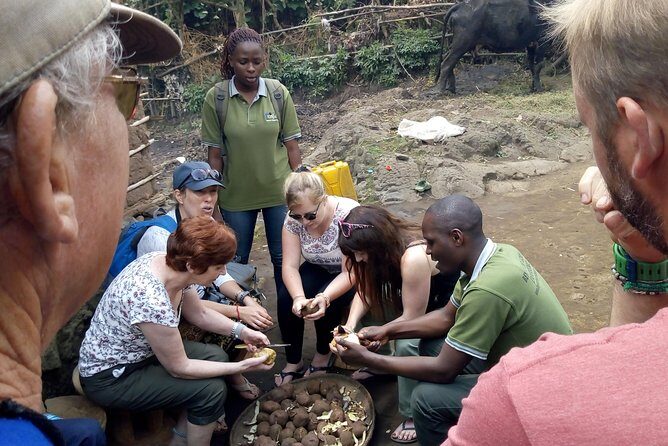
- Five-volcano viewpoints over Lake Ruhondo, with a strong bird-spotting vibe
- A small group limit (6) that keeps the home stay personal, not chaotic
- Traditional wedding ceremonies you can participate in, including the gusaba stage
- Meals included: lunch, dinner, and breakfast, made through the home family routine
- Real rural spaces to see (outdoor kitchen, bathing outhouse, animal stalls, pit latrine area)
- Optional local beer and food during the ceremonies
Kigali to the rural village: where the day starts to feel real
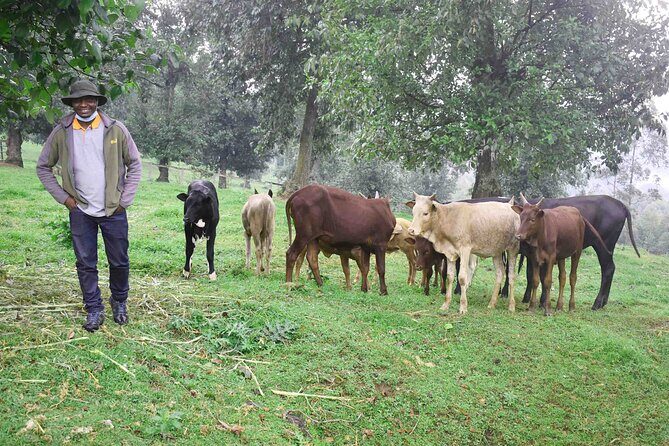
Your experience begins in Kigali and starts at 3:00 pm. From there, you head toward the nearby rural village where your BGE guide and community hosts welcome you. Expect the tone to shift fast: the city logistics fall away, and you’re suddenly in a place where the pace is guided by family work, conversation, and shared time.
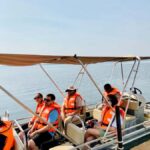
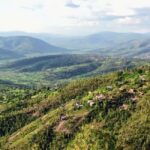
One of the first reasons I think this experience is worth your attention is the view component. You’ll enjoy stunning scenery of the five volcanoes overlooking Lake Ruhondo, and the area is known for birds. Even if you don’t call yourself a bird person, bird activity often signals a calmer, scenic environment—and it tends to make the whole afternoon feel special.
Another reason I like the way this is structured is that it avoids the common tourism trap. Instead of dropping you at a viewpoint and moving on, you’re guided into community life. That means you’re more likely to understand what you’re seeing, not just photograph it.
Practical consideration: the day can include walking or a longer rural approach to reach the remote village for the wedding ceremonies. If you have any mobility concerns, plan around a moderate fitness level.
You can also read our reviews of more tours and experiences in Kigali.

What you’ll see inside a mud or brick home stay
The home stay hostesses (and their families) live in homes typically made of mud or bricks. You’ll usually find one larger front room where visitors are received, plus smaller bedrooms for the family. That simple layout matters because it shapes how you’ll be welcomed and how conversation happens—most of the social time tends to gather in the main front space.
Behind the home, the enclosed area gives you a clear look at how a family handles everyday needs. From what’s described for this experience, you can expect to see practical, functional spaces such as:
- an outdoor kitchen
- an enclosed pit latrine and a bathing outhouse
- animal stalls
- family work spaces
This is the part where you learn the most. You’re not touring a museum room; you’re seeing how household life is organized around labor, animals, and basic daily routines. If you want an authentic “how do people live here?” answer, this is one of the strongest ways to get it.
Comfort truth (the honest one): these are real rural living arrangements, so don’t expect hotel-style plumbing or privacy standards you’re used to. The upside is you’ll get a fuller, more respectful understanding of family life.
The best cultural moment: traditional wedding ceremonies up close
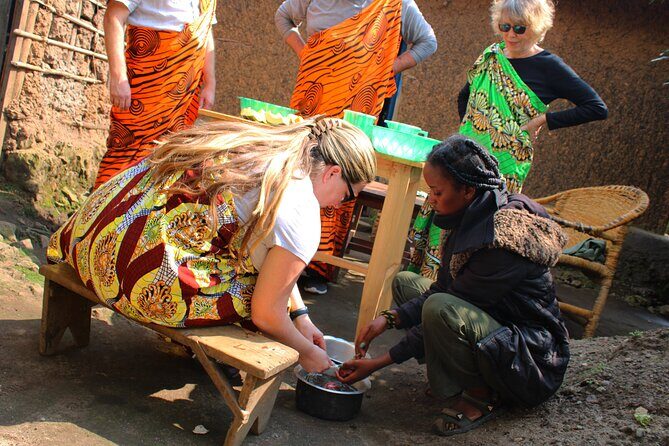
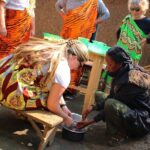
A big promise of this experience is time with traditional wedding ceremonies in a remote village setting. This is where your role can be more than passive. The ceremonies can include stages ranging from the choice of the wife to be through the final stages of the wedding.
Your BGE guide helps set the context, and you’ll be able to participate through the flow of the ceremony—while also taking photos freely. That last part matters: it means you’re not confined to a cordoned-off viewing spot. You can usually move with the moment and capture what you’re seeing, as long as you stay respectful.
Two ceremony details are worth calling out:
- gusaba ceremony: this is specifically mentioned as part of the wedding process
- choice steps: you’re not only seeing dancing or music; you’re seeing how the wedding process is structured
Food and drink also enter the picture. You may get chances to taste local beer and food (optional) during the ceremonies. Even if you skip alcohol, watching how food and drink are woven into the event gives you a better sense of celebration and community.
What to watch for: ceremonies can move with their own rhythm. Plan to be patient and ready to follow cues from your guide and hosts. If you come with a flexible attitude, you’ll get more out of the experience than if you try to force a tourism-style schedule onto it.
Meals with the family: lunch, dinner, and breakfast included
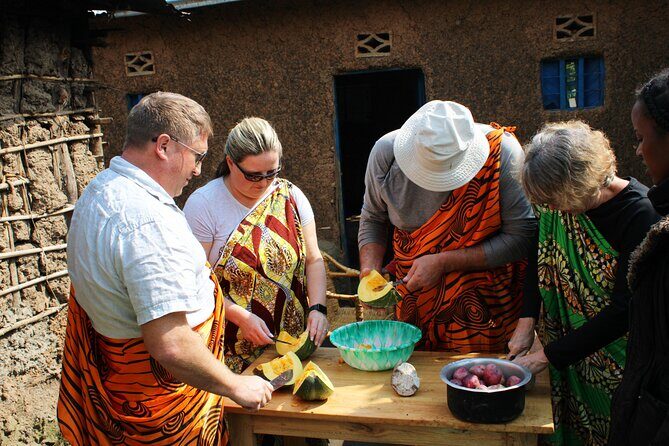
One of the most straightforward ways this experience becomes good value is simple: meals are included. You’ll have:
- Lunch
- Dinner
- Breakfast
- plus bottled water
That matters for your budget because rural travel can add costs quickly once you’re paying for food on your own. Here, at least the core meals are handled as part of the home stay rhythm.
The bigger benefit, though, is cultural. Eating where you’re staying usually gives you a better sense of what daily life feels like, not just what the ceremony looks like. Dinner especially tends to be a social moment—time to talk, ask questions through your guide, and see how the household decompresses after the daytime activities.
A realistic note: since this is a rural home environment, meal style and timing can differ from what you’re used to. If you have dietary needs, it’s worth checking with the operator at booking so you know what options can be offered.
How the overnight part tends to feel (and what to bring)
The experience is described as an overnight home stay, so you should plan for at least one night with the family. That’s part of what makes it more than a one-off cultural show.
What you’ll likely feel most is how the home environment shapes your day-to-evening transition. The outdoor kitchen, animal stalls, and enclosed spaces all point to an active home life. When you’re in that environment, you’re not just observing culture; you’re living in the same setting that supports it.
Because the listing details emphasize practical on-site infrastructure (outhouse, pit latrine area, bathing outhouse), it’s smart to come prepared for basics. I’d recommend you pack with this in mind:
- Comfortable walking shoes (you may walk to a remote village)
- Light layers (rural evenings can feel cooler)
- A small flashlight/headlamp if you’ll move around after dark
- Toiletries you’re comfortable using in outdoor/basic facilities
- A reusable water bottle (bottled water is included, but having your own is handy)
Why this matters: if you’re physically and mentally ready for a rural setup, the overnight becomes one of your trip’s most memorable parts rather than a logistics stress test.
Price and value: $71.80 makes sense if you want the real deal
At $71.80 per person for an experience that lasts about 4 hours (approx.), it’s not a budget bargain in the way street-food might be. But it is good value when you look at what’s actually included:
- Pickup offered
- Guided community visit with a BGE guide
- A structured cultural highlight: traditional wedding ceremonies
- Lunch, dinner, and breakfast
- Bottled water
- Small group size (max 6)
If you’re comparing against a typical day tour that only includes a guide and maybe one meal, this feels more like paying for a full cultural exchange package. The overnight component (implied by the meal list and home stay format) is also part of the value story, because it’s a different level of access than a standard sightseeing stop.
For the best value: come because you want connection and context, not because you want a perfectly controlled comfort level. If that’s your priority, you’ll likely feel like you got your money’s worth.
Who this Kigali home stay is best for
This home stay works especially well for:
- people who enjoy small-group cultural experiences
- anyone curious about rural Rwanda family life beyond the headline attractions
- students and research-minded travelers (the program is described as popular for internships and research)
- people with at least moderate physical fitness who can handle a walk to a remote village
It may not be a great fit if you strongly need hotel-level comfort, private bathrooms, or a super predictable schedule with zero walking.
Also, since it’s said to be near public transportation, you’ll have an easier time getting to/from Kigali basics, even though private transportation isn’t included.
Simple planning tips before you go
Here’s how I’d prep so you get the most from the experience:
- Expect rural conditions: dress and pack for outdoorsy reality.
- Bring cash if you want to support the family in ways not listed (the only stated inclusions are meals and water, so extra spending is up to you).
- Have an open attitude at the ceremonies. Your best photos and your best understanding often come when you pause, watch, and follow your guide’s cues.
- Use the small group size to your advantage: ask questions through your BGE guide.
And if you’re nervous about the overnight: don’t overthink it. If you respect the family environment and go in ready to adapt, the experience usually becomes the kind of trip highlight you remember for years.
Final verdict: should you book this home stay?
If you want Rwanda through real daily life—a mud or brick family home, a community welcome, and time at traditional wedding ceremonies—this is a strong choice. The included meals, the volcano-and-Lake Ruhondo views, and the small group cap make it feel like more than a “tour.” It’s also the kind of experience that rewards curiosity and patience.
But be honest with yourself about comfort. This is not built for perfection. If you can handle basic rural facilities and possibly some walking, you’ll probably love how human-scale it is.
Should you book? Yes, if your travel style is about connection and culture you can actually see up close. If you need hotel comforts at every step, you might want to choose a different type of Kigali outing.
FAQ
Where is this experience located?
It’s located in Kigali, Rwanda.
What is the price per person?
The price is $71.80 per person.
How long does the experience last?
The duration is about 4 hours (approx.).
What time does it start?
The experience starts at 3:00 pm.
Is pickup offered?
Yes, pickup is offered.
What meals are included?
Lunch, dinner, and breakfast are included, along with bottled water.
Is private transportation included?
No, private transportation is not included.
How many people are in the group?
There is a maximum of 6 travelers.
What fitness level do I need?
Travelers should have a moderate physical fitness level.
Is there free cancellation?
Yes. Free cancellation is available: you can cancel up to 24 hours in advance for a full refund. The experience also notes that it requires good weather, and poor weather may lead to a different date or a full refund.