REVIEW · KIGALI
Ntarama and Nyamata Genocide Memorial Day Tour
Book on Viator →Operated by Judith Safaris · Bookable on Viator
Churches, silence, and real testimony. This private day trip from Kigali takes you to the Ntarama and Nyamata churches, places where people sought refuge during the 1994 genocide, and where you’ll hear guided stories about what happened between April and July 1994. It’s heavy subject matter, but the structure of the day keeps you from feeling rushed or lost.
What I like most is that you’re not stuck in a big group with a vague plan. You get hotel pickup and drop-off plus private transportation, and then you meet a local guide on-site at each memorial stop. One thing to consider: this is a solemn visit, and the stops are time-boxed, so it’s not ideal if you need long pauses to decompress.
The second big plus for your day-to-day comfort: the tour includes a local lunch and bottled water, with all fees and taxes handled. The main tradeoff is price: at $850.34 per person, it’s clearly aimed at travelers who want a private, guided day rather than a budget outing.
In This Review
- Key Things to Know Before You Go
- A Tough Day Trip With Clear Structure for Ntarama and Nyamata
- What You’ll Learn About Rwanda’s 1994 Genocide (Without Guesswork)
- Price and Logistics: Is $850.34 Per Person Fair Value?
- Morning Pickup to Two Memorial Stops: How Your 8:00am Day Works
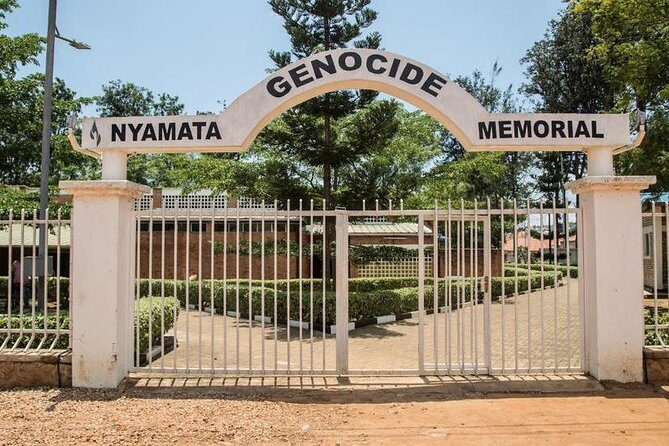
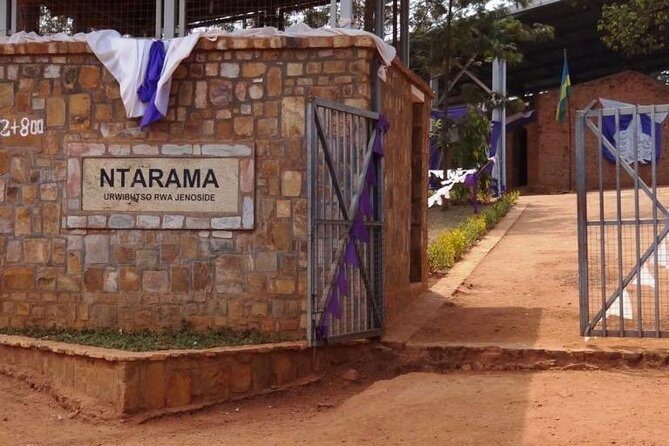
- Ntarama Church: Meeting the Story Where People Found Shelter
- Nyamata Church: Rows of Evidence and the Weight of Loss
- Your Guides: How Judith Safaris and Joana Shape the Day
- What to Pack (and How to Prepare Your Mind)
- Who This Tour Is Best For (and Who Might Want Another Option)
- Should You Book This Tour?
- FAQ
- What time does the tour start?
- How long is the Ntarama and Nyamata Genocide Memorial Day Tour?
- Is hotel pickup and drop-off included?
- Are admission tickets included for Ntarama Church and Nyamata Church?
- Is lunch included?
- Is bottled water provided?
- Is this tour private?
- Will there be a local guide at the memorials?
- Do I get a mobile ticket?
- Can I get a full refund if I cancel?
Key Things to Know Before You Go
- Private format: only your group participates, so your guide can pace the story around you
- On-site local guidance: you meet a local guide at both memorial stops
- Free memorial admission: tickets are listed as free for both Ntarama and Nyamata churches
- Comfort basics included: bottled water plus a local lunch during the day
- Easy Kigali logistics: pickup and drop-off from your hotel with private transportation
A Tough Day Trip With Clear Structure for Ntarama and Nyamata
This is the kind of tour where the schedule matters. From Kigali, you’re away for about 7 hours starting at 8:00 am, and the day is organized around two church memorials. Each stop is set at around 1 hour, which is long enough to understand what you’re seeing, without turning the visit into a marathon.
Also, you’re not just handed a map and sent off. The day is guided end-to-end: you’ll have a driver/guide for the transport, and then you meet a local guide at each church. That combination helps a lot at places like Ntarama and Nyamata, where context is everything.
And yes, it’s emotional. The memorials are tied to real events during the genocide, including the massacre of Tutsi and Hutu communities in 1994. Go in expecting that the visit may hit hard—then let the guidance help you keep your footing.
You can also read our reviews of more tours and experiences in Kigali.

What You’ll Learn About Rwanda’s 1994 Genocide (Without Guesswork)
The core promise of this experience is understanding. The tour is set up to help you learn about the causes and consequences of the genocide, and then to connect that broader story to what happened at these specific church memorials.
At both sites, you’ll hear stories tied to people who took refuge there. You’ll also learn what those events meant in the bigger sweep of Rwanda’s 1994 timeline—between April and July—when violence devastated communities including both Tutsi and Hutu people.
One practical way to get the most out of this kind of tour is to stay in “question mode” during the guided time. Ask things like what you’re looking at and how the space is connected to the events. With a private format, you can usually get a straight answer instead of waiting until the end for a one-size-fits-all explanation.
Price and Logistics: Is $850.34 Per Person Fair Value?
At $850.34 per person, this isn’t a cheap add-on. But the price isn’t just for a driver and a car ride. The tour includes hotel pickup and drop-off, private transportation, a local guide, and a local lunch, plus bottled water and all fees and taxes.
It also lists admission as free for both memorial stops. That matters because some tours quietly stack up “extra” costs once you get on-site. Here, the cost is bundled so you can plan your day without surprise line items.
So is it worth it? If you want a quiet, guided day that keeps you moving with purpose—and you prefer not to negotiate logistics yourself—this private format can feel like good value. If you’d rather keep costs down and don’t mind figuring things out on your own, you’ll likely find less expensive options. But for many visitors, a private guide at memorial sites is the difference between a confusing visit and a meaningful one.
Morning Pickup to Two Memorial Stops: How Your 8:00am Day Works
The tour starts at 8:00 am, with pickup from your Kigali hotel. That matters more than it sounds. Kigali driving can be unpredictable, and starting on time with a planned route helps you arrive while the day is still fresh.
After pickup, you’ll be transported to the first church memorial. At each site, your driver/guide handles the logistics while you meet the local guide on-site. Each memorial time slot is about 1 hour, so you’ll get enough guided explanation to connect the visuals to the events without spending the entire day in a single location.
Between the two memorial stops, you’ll be provided the local lunch as part of the day’s included services. Bottled water is also included, which is simple but genuinely useful when you’re walking around indoor spaces and outbuildings in a serious setting.
By the time you finish, you’re back at your pickup point area in Kigali thanks to the round-trip transfers.
Ntarama Church: Meeting the Story Where People Found Shelter
Your first stop is Ntarama Church, where you’ll spend about 1 hour. You’ll meet a local guide there, and that’s the key to making this stop work. Memorial sites can look straightforward—until you understand what the space meant during the events.
At Ntarama, the focus is on refuge during the genocide. You’ll hear what people faced and why these churches became gathering points. Even if you’ve read about Rwanda before, this kind of guided visit helps you connect dates and terms like massacre and genocide to a physical place.
One practical point: because your time here is set, come ready to pay attention right away. Give yourself a chance to settle in before the guided explanation starts. And if you need a moment to step back, do it during the guided hour so you don’t feel pressured by the clock.

Nyamata Church: Rows of Evidence and the Weight of Loss
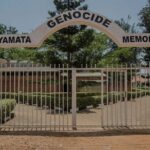
The second stop is Nyamata Church, also about 1 hour. This is where the experience can feel especially intense.
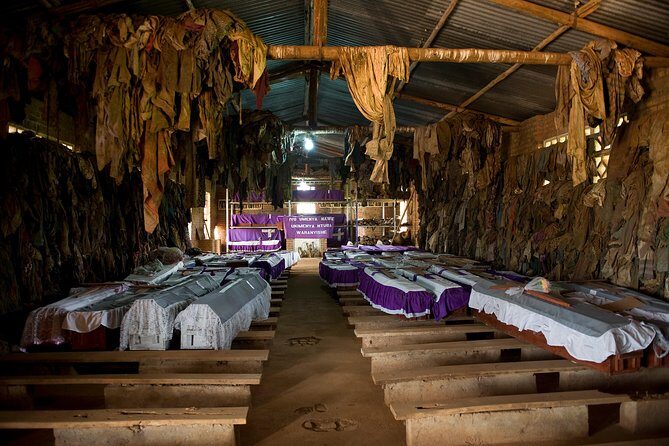
Nyamata is the kind of memorial that doesn’t let you look away. One of the most striking details shared from prior visitor experiences is the display of rows and rows of clothes, including children’s clothing. Seeing items preserved like this turns the story from abstract facts into something much more personal and hard to digest.
Nyamata is also tied to refuge during the genocide, and the guided portion helps you understand what happened there in 1994. Based on visitor feedback connected with this tour, Nyamata alone is associated with a figure of 45,000 people killed, and about 10,000 within the church itself. Those numbers underline why the memorial experience here is so powerful and so difficult.
This is where you’ll want to slow down mentally. Don’t rush through the guided time just to check it off. If the visit hits emotionally, that’s normal. The point is to understand the human cost and the historical meaning—not to treat it like a standard sightseeing stop.
Your Guides: How Judith Safaris and Joana Shape the Day
The tour is provided by Judith Safaris, and that shows up in the way people describe the experience as well organized and easy to manage. More than one person highlighted that working with Judith Safaris feels professional and smooth, especially when coordinating travel around Kigali.
One guide name that comes up in visitor feedback is Joana, described as feeling like family. That’s not the kind of detail you’d expect in a typical tour description, but it matters. At memorial sites, a guide’s tone and pacing can help you stay respectful and present, instead of feeling lost or overwhelmed.
At both Ntarama and Nyamata, you’ll meet a local guide on-site. The tour’s format is built around having local context at the exact moment you’re looking at the memorial elements. That’s a smart design choice.
What to Pack (and How to Prepare Your Mind)
For memorial days, I keep packing simple and focused on comfort. You’ll likely do indoor and outdoor walking, and you’ll want to stay comfortable enough to concentrate on the guide’s explanations.
Bring:
- Comfortable shoes for uneven surfaces
- Something light for sun or shade (even a hat can help)
- A small layer if churches are cool inside
- Any personal items you need for a long day (you do have bottled water and lunch included, but you may want extra personal comfort items)
Then do one mental prep step: decide beforehand how you’ll handle emotions. Some people want to take notes. Some prefer just listening. Either way is fine. What helps most is giving yourself permission to feel and then letting the guidance help you understand.
Who This Tour Is Best For (and Who Might Want Another Option)
This private tour makes the most sense if you:
- Want a guided, respectful visit to Ntarama and Nyamata from Kigali
- Prefer a smaller, private setup rather than large groups
- Care about understanding the causes and consequences of the genocide, not just seeing sites
It may be a tough fit if:
- You’re looking for a light, upbeat day
- You need lots of flexible downtime beyond the set 1 hour per memorial
- You’re uncomfortable with emotionally intense memorial content (like the preserved items at Nyamata)
If you do book it, go with a mindset of learning and remembrance. This is not about ticking boxes. It’s about being present for the story.
Should You Book This Tour?
I’d book this tour if you value a private, guided format and you want the memorial stops done with context. The included hotel pickup/drop-off, private transportation, local lunch, bottled water, and free admission to both churches make it easier to treat the day as one clear experience instead of a puzzle.
I would think twice if you’re price-sensitive or if you’d rather spend your day on your own pace with no structured stops. At $850.34 per person, you’re paying for comfort, guidance, and a controlled schedule.
If you can afford it and you’re ready for a serious, meaningful day, this is a strong choice for understanding Rwanda’s 1994 genocide through two of its most significant church memorial sites.
FAQ
What time does the tour start?
The tour starts at 8:00 am.
How long is the Ntarama and Nyamata Genocide Memorial Day Tour?
It runs for approximately 7 hours.
Is hotel pickup and drop-off included?
Yes. The tour includes hotel pickup and drop-off in Kigali.
Are admission tickets included for Ntarama Church and Nyamata Church?
Admission tickets are listed as free for both stops.
Is lunch included?
Yes. A local lunch is included during the tour.
Is bottled water provided?
Yes. Bottled water is included.
Is this tour private?
Yes. It is a private tour/activity, and only your group will participate.
Will there be a local guide at the memorials?
Yes. You meet a local guide at each memorial stop.
Do I get a mobile ticket?
Yes. The tour includes a mobile ticket.
Can I get a full refund if I cancel?
Free cancellation is available up to 24 hours in advance for a full refund. If you cancel less than 24 hours before the start time, the amount paid is not refunded.