REVIEW · KIGALI
Kigali: Learn the Amaraba Dance Experience in Kigali
Book on GetYourGuide →Operated by NuttinTODO · Bookable on GetYourGuide
Want rhythm you can feel? In Kigali, the Amaraba Dance Experience turns you from spectator into participant, so you learn by doing. I like that you’re guided through movements with local dancers instead of sitting through a staged performance.
Two things I’m especially fond of: the step-by-step teaching that actually helps you follow along, and the chance to ask questions so the moves make sense, not just look good. You’re learning gestures, sequences, and what they symbolize as you go.
The main drawback to flag is simple: this is active. You’ll be on your feet for most of the session, and the drumming can be loud, so it may be hard work for anyone with mobility limits or anyone who gets overwhelmed easily.
In This Review
- Key things to know before you go
- Amaraba Dance in Kigali: Why This Feels Different
- Your One-Hour Lesson: How the Session Flows
- The Drumming and Group Energy That Make It Work
- Culture, Symbolism, and What the Moves Mean
- Costumes, Photos, and Capturing the Right Moments
- Price and Value: Is $30 Worth It?
- Who Should Book (and Who Should Skip)
- Before You Go: Simple Rules and Smart Prep
- Should You Book This Amaraba Dance Experience in Kigali?
- FAQ
- How long is the Amaraba Dance Experience in Kigali?
- What is the price per person?
- Is the instruction available in English?
- What’s included in the ticket price?
- Do I need to bring a camera?
- Are meals included?
- How do I get there?
- Is the experience suitable for children?
- Is it suitable for people with impaired mobility?
- What is the cancellation policy?
- Is there any restriction on strollers or baby carriages?
Key things to know before you go
- Interactive, not a watch-and-leave show: you participate with the dancers.
- Drumming drives the lesson: you follow the beat and learn timing through sound.
- Meaning behind the moves: you get guidance on symbolism and stories.
- English instruction: the instructor is available in English.
- Photo moments are part of it: you may take pictures with the dancers.
- One hour, focused: it’s short enough to fit neatly into a busy Kigali day.
Amaraba Dance in Kigali: Why This Feels Different
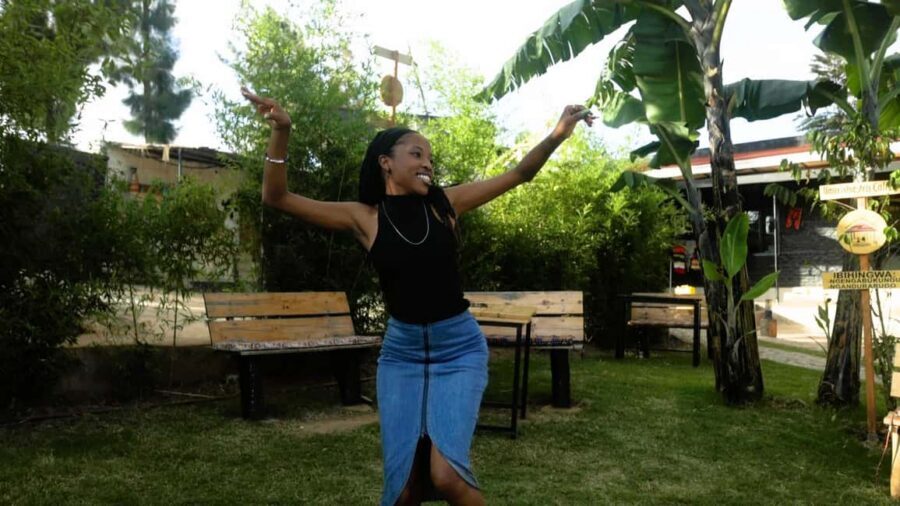
Most cultural experiences in a new city sit at a distance. This one doesn’t. From the first drumbeat, you’re pulled into the rhythm and taught how to move with it. That small shift changes everything: you’re not just collecting photos, you’re collecting muscle memory and context.
I also appreciate the tone of the experience: it’s supportive. The teaching is built around you learning in real time, not memorizing something you’ll forget later. And because it’s a participatory setting, you’ll usually end up laughing at your own attempts, which makes the whole thing feel human instead of performative.
The Amaraba dance itself is taught with explanation, so you understand why certain gestures happen and what they represent. That’s the difference between copying steps and actually learning a cultural language. You’ll walk away with a new skill and a clearer sense of how dance and drumming work together in Rwanda.
You can also read our reviews of more tours and experiences in Kigali.

Your One-Hour Lesson: How the Session Flows
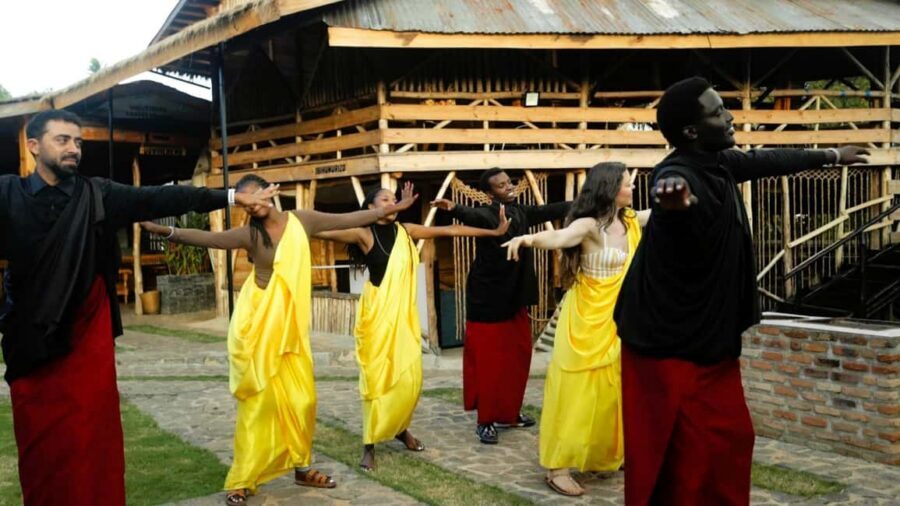
Plan on about one hour, and expect a steady rhythm from start to finish. The session begins with the drumming, then the dancers guide you into the first movements and sequences. You’ll repeat what you’re taught until the timing clicks.
Here’s the typical flow of what you’ll experience:
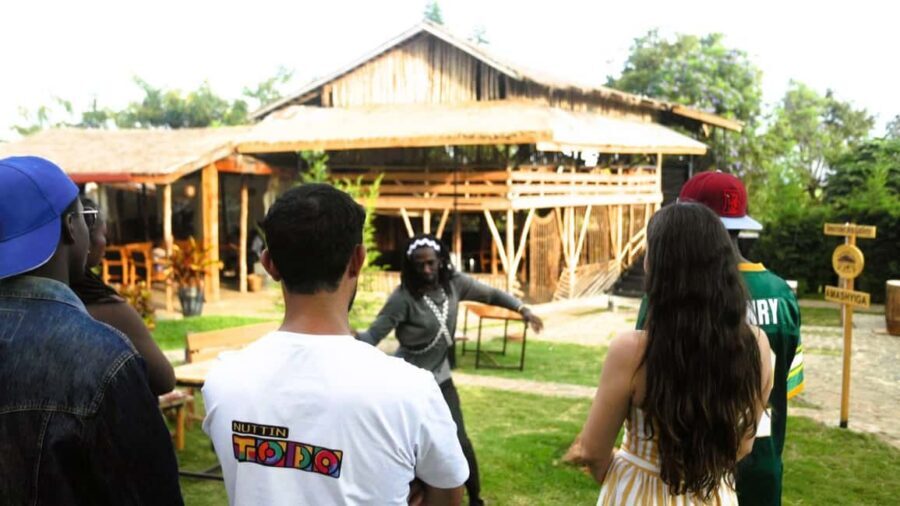
You’ll be shown Amaraba dance moves directly by local dancers, with guidance on how to follow the beat. Then you’ll practice in the group, step by step, while the drumming keeps the tempo steady. As you move, you’ll also receive cultural explanation—why that gesture matters and how different parts of the dance connect to stories or meanings.
Because it’s structured for learning, you’re not stuck guessing. You can ask questions, and the guidance is part of the event rather than something tacked on at the end. By the time you reach the later parts of the sequence, you’ll likely feel more confident, like you’re no longer just reacting—you’re participating.
The Drumming and Group Energy That Make It Work
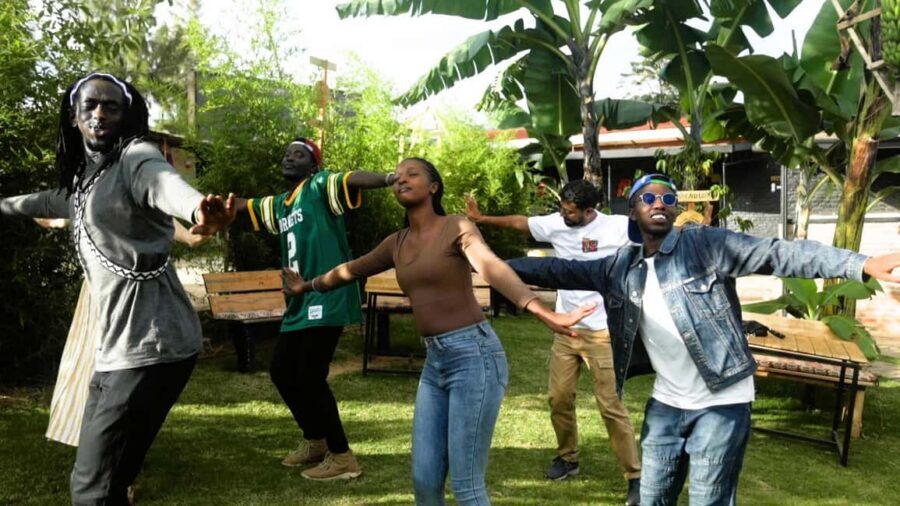
Rwandan drumming isn’t just background noise here. It’s the teaching tool. The beat sets tempo, cues transitions, and gives you a shared anchor with everyone in the session.
Two practical ways this helps you:
First, the drumming gives you a clear rhythm to follow. Even if you’ve never danced before, the pulse is something your body can match. Second, the call-and-follow feeling keeps the group moving together, so you’re less likely to feel lost.
One more real-world note: the drumming can be loud enough that it might overwhelm little children. The event is specifically not suitable for younger kids who can’t handle that kind of sensory input. Adults who enjoy energetic music usually find the sound energizing rather than stressful.
Culture, Symbolism, and What the Moves Mean
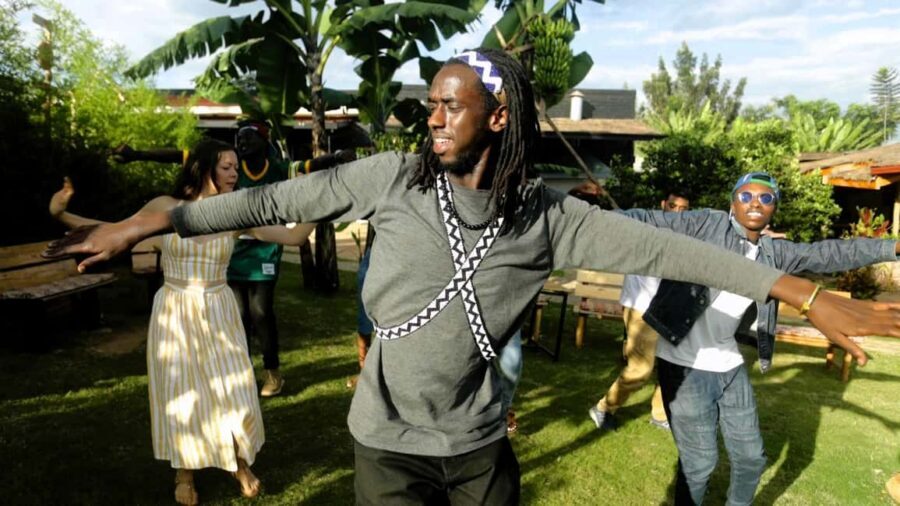
What I like most is that you’re not treated like you’re only there to perform. You’re there to learn. The dancers and the local guide explain the history, symbolism, and stories behind the movements, so you understand the dance on more than a surface level.
This matters because dance can look simple but carry real meaning. Gestures, timing, and body positions often connect to community life, values, and shared storytelling. When someone tells you what a movement represents while you’re doing it, you’re far more likely to remember it—and far more likely to respect it.
The explanations also help you connect the physical practice to cultural context. You’ll leave knowing what you did and why it matters, which is the goal if you want to experience Rwanda through action, not just observation.
Costumes, Photos, and Capturing the Right Moments
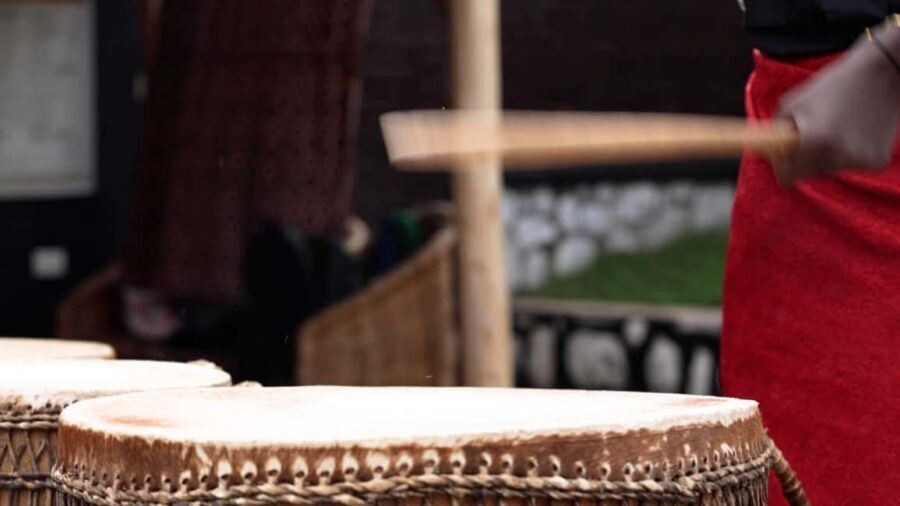
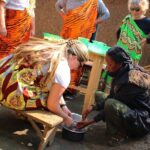
Amaraba dancers wear colorful costumes, and the look of the event is part of the experience. It’s also one of the reasons the photos come out well: bright outfits plus energetic movement equals natural visual energy.
Bring a camera. The event description includes the possibility to take photos with the dancers, and that’s often the easiest way to get a more personal souvenir than a generic group shot. If you care about photos, plan to have your camera ready when you first join in—the early stage of learning can be some of the most photogenic, because you’re still reacting and getting into the rhythm.
Just keep expectations realistic: you’ll be moving. So if you want great shots, you’ll have to balance dancing time with quick photo moments.



Price and Value: Is $30 Worth It?
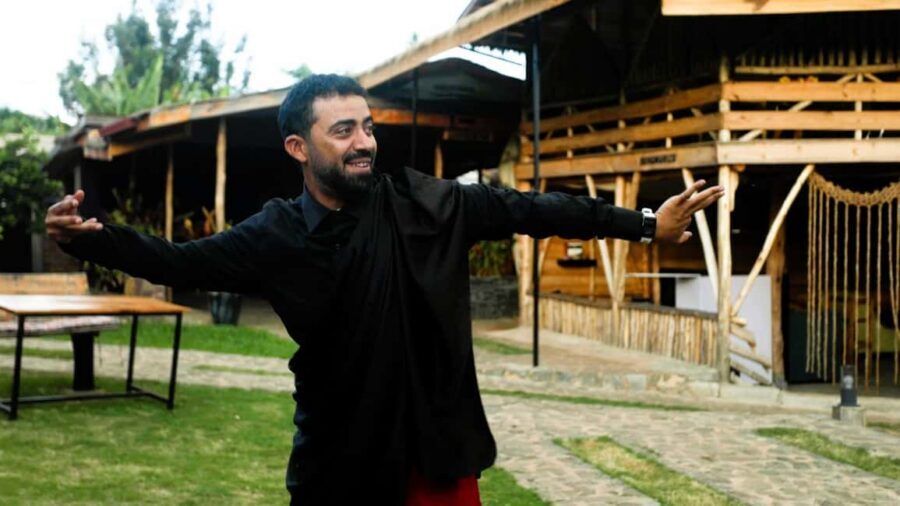
At $30 per person for about one hour, the value comes from what’s included. You’re paying for more than a performance entrance. The ticket covers guided explanation, chances to participate, and cultural insights from a local guide.
Here’s why that usually feels like fair value:
- You’re actively learning with local dancers instead of watching from a distance.
- The experience includes interpretation—meaning you’re not guessing at what you’re seeing.
- It’s time-efficient. One hour is long enough to learn the basics, short enough to fit into a busy Kigali itinerary.
In short, it’s a good buy if your goal is participation. If you only want to observe quietly, you may find the hands-on format less appealing. But if you want to walk away with a skill and a better understanding of the cultural story behind the moves, this price makes sense.
Who Should Book (and Who Should Skip)
This experience has clear limits, and I think that’s a good thing. The event is not suitable for people with impaired mobility because you’ll be required to be on your feet and moving for most of the session. It’s also not suitable for little children who may become overwhelmed with loud drumming.
Age guidance is explicit:
Children under 10 years aren’t suitable, and people over 70 years aren’t suitable.
Who it fits well:
- You if you can comfortably stand and move for about an hour.
- You if you enjoy music you can feel in your body.
- You if you want cultural understanding through participation, not just sightseeing.
If you’re unsure, ask yourself one question before booking: can I handle loud drumming and physical participation for most of the session? If the answer is yes, you’re likely to enjoy it.
Before You Go: Simple Rules and Smart Prep
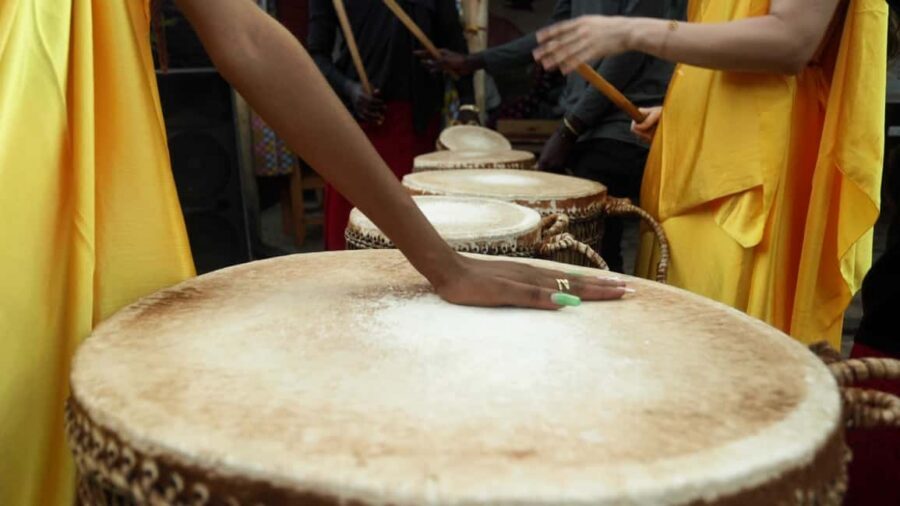
You only need to bring one thing listed clearly: a camera. Beyond that, the practical prep is about mindset and comfort.
Remember the event rules: alcohol and drugs aren’t allowed. Baby strollers and baby carriages also aren’t allowed. If you’re traveling with kids or need mobility support, double-check suitability first, because the session is built around movement.
Language is also straightforward: instruction is in English. That helps you follow the explanations while you’re dancing, which is key. If you’re not fluent, don’t panic—this is a physical learning experience too—but English makes the cultural context easier to take in.
Also, the provider is NuttinTODO, and the experience runs about an hour with starting times you can check based on availability.
Should You Book This Amaraba Dance Experience in Kigali?
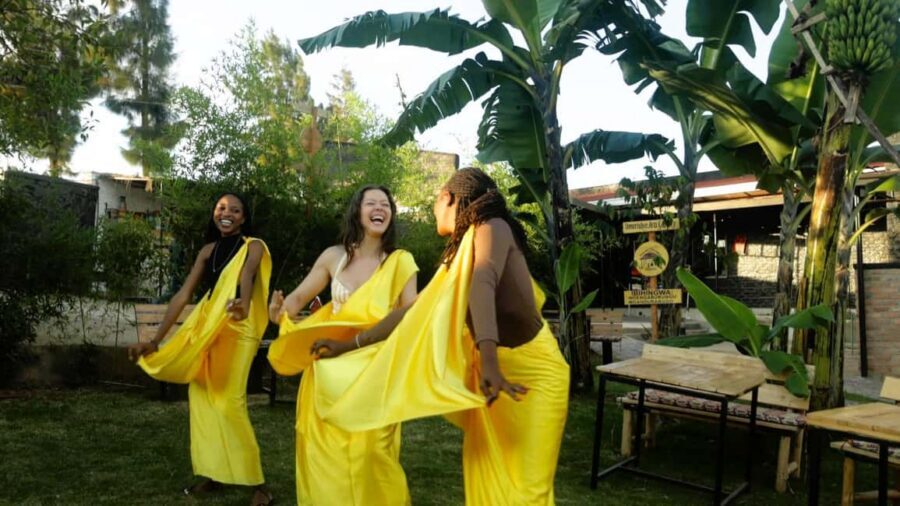
If you’re in Kigali and you want more than photos, I’d book it. This is one of those experiences where you learn by doing, and the teaching includes meaning, symbolism, and the stories behind the movements. The friendly, welcoming atmosphere is repeatedly noted by participants, which matters because you’ll feel more comfortable trying new moves.
Skip it if you want a quiet, seated cultural visit. The format is active, the drumming can be loud, and the rules make it clear it’s not built for mobility limitations or younger kids.
One extra reason to consider it: some people have stayed on to eat in the evening at the same place, and they described the dinner as excellent. So if you like the idea of pairing culture with a meal, this can help you do more in one stop.
If your body can handle an hour of standing and moving, this is a strong, good-value way to experience Rwanda through dance and rhythm.
FAQ
How long is the Amaraba Dance Experience in Kigali?
The experience lasts 1 hour.
What is the price per person?
It costs $30 per person.
Is the instruction available in English?
Yes. The instructor provides the experience in English.
What’s included in the ticket price?
Your ticket includes Amaraba dance performance entrance, guided explanation of dances with cultural significance, the opportunity to participate in dance with the dancers, the possibility to have photos with the dancers, and cultural insights from a local guide.
Do I need to bring a camera?
Yes, bringing a camera is recommended. A camera is listed as what to bring.
Are meals included?
No. Meals or refreshments are not included.
How do I get there?
Transportation to and from the venue is not included.
Is the experience suitable for children?
No for children under 10 years old. Loud drumming may overwhelm little children.
Is it suitable for people with impaired mobility?
No. It is not suitable for people with impaired mobility because you will need to be on your feet and moving for most of the session.
What is the cancellation policy?
You can cancel up to 24 hours in advance for a full refund.
Is there any restriction on strollers or baby carriages?
Baby strollers and baby carriages are not allowed.