REVIEW · KIGALI
Kigali: Traditional Carpet Weaving (Ikirago) + amazing views
Book on GetYourGuide →Operated by NuttinTODO · Bookable on GetYourGuide
You can turn thread into décor in one afternoon. The Ikirago workshop in Kigali pairs hands-on sisal weaving with real cultural context, so you’re not just copying a pattern—you’re understanding why it looks the way it does. I love the calm, guided pace and the chance to learn from local artisans right in their studio. You’ll also leave with a mini carpet you can actually use as a wall decoration or table mat. The main catch: if you’re a slow, perfection-driven beginner, 3 hours can feel a little tight.
This is also one of those rare classes where the focus stays practical. You start with the meaning behind patterns and colors, then you move straight into weaving, with help at every stage. And yes, the experience comes with amazing views as a welcome break from leaning over your loom.
In This Review
- Key Things That Make This Ikirago Workshop Worth It
- Ikirago Weaving in Kigali: More Than a Craft Class
- Inside the Studio: Patterns, Colors, and Why They Matter
- Your 3-Hour Plan: How the Weaving Comes Together
- 1) Set the foundation with Ikirago meaning
- 2) Learn the basics of weaving with sisal fiber
- 3) Create your own mini Ikirago carpet
- 4) See more designs and watch the weavers work
- A fair heads-up on timing
- What You Take Home: A Mini Carpet That Actually Gets Used
- The Kigali Setting: Views and a Calm Hands-On Pace
- Price and Value: Does $30 Make Sense?
- Who Should Book This Workshop (and Who Might Not)
- Practical Tips So You Enjoy Your Weaving Day
- Should You Book the Ikirago Weaving Experience?
- FAQ
- How long is the Ikirago carpet weaving workshop?
- How much does it cost?
- What do I make, and can I take it home?
- Is the workshop beginner friendly?
- Is hotel pick-up and drop-off included?
- Are there age limits?
Key Things That Make This Ikirago Workshop Worth It
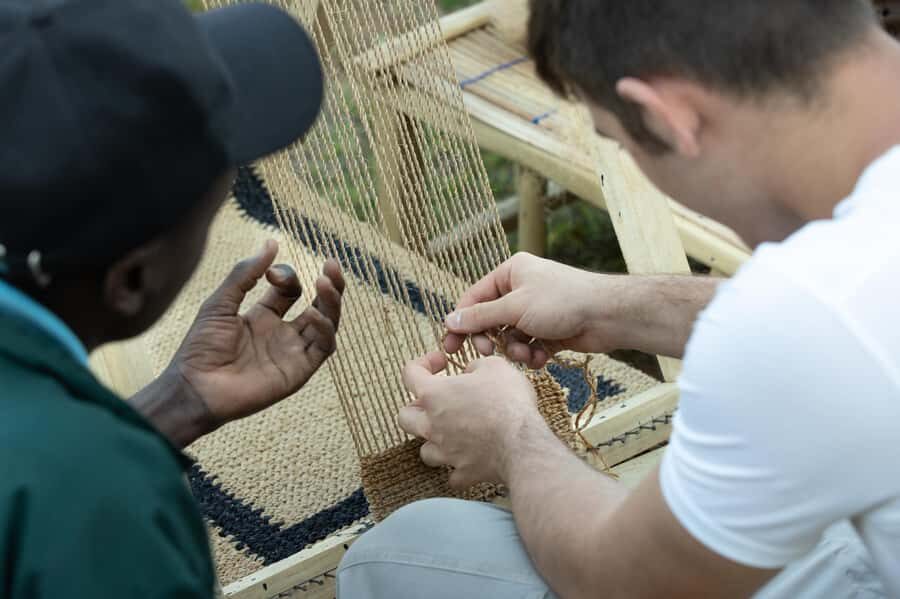
- Sisal fiber weaving, not a demo: you create your own mini carpet using traditional methods.
- Cultural context first: you learn the stories behind patterns and colors before you touch the loom.
- Personal instruction from local artisans: guidance is built into every stage, not just at the start.
- Take-home value: you leave with a usable piece, not just a souvenir photo.
- Relaxed, patient teaching: the vibe is hands-on and comfortable, even if you’ve never woven before.
Ikirago Weaving in Kigali: More Than a Craft Class
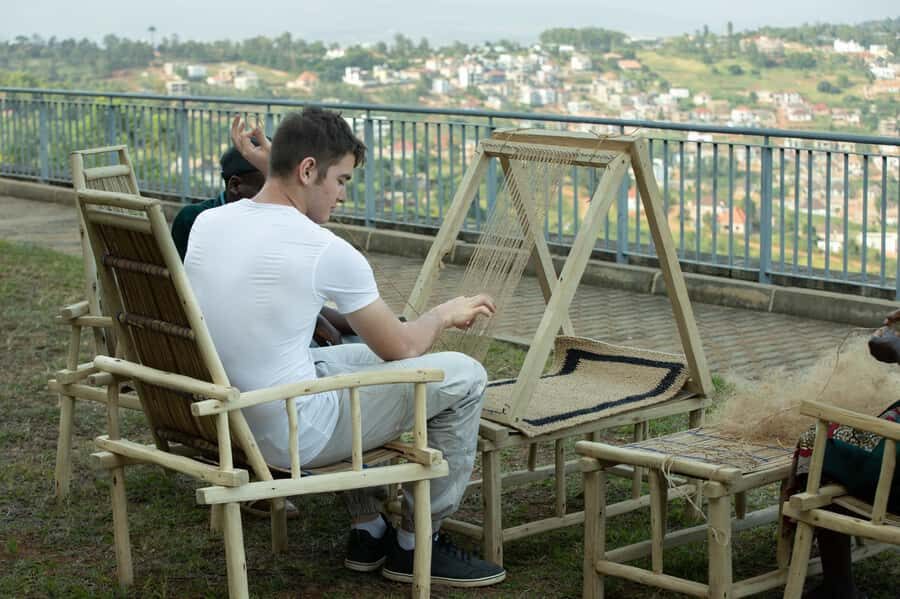
Ikirago is one of those traditions that makes sense the moment you see it in action: it’s craft, culture, and everyday skill rolled into one. In Kigali, this workshop keeps it grounded. You’re working in a traditional weaving studio, not a staged setup.
I like that the experience is structured like learning a real craft. First you understand what you’re making and why it matters. Then you get your hands moving quickly. That two-step rhythm helps you stay focused—there’s a reason behind every pattern choice, and it makes the final product feel intentional rather than random.
And because it’s a mini piece, it’s attainable. You’re not committing to weeks of work. In three hours, you can make something you’ll be proud to show, hang, or use.
You can also read our reviews of more tours and experiences in Kigali.



Inside the Studio: Patterns, Colors, and Why They Matter
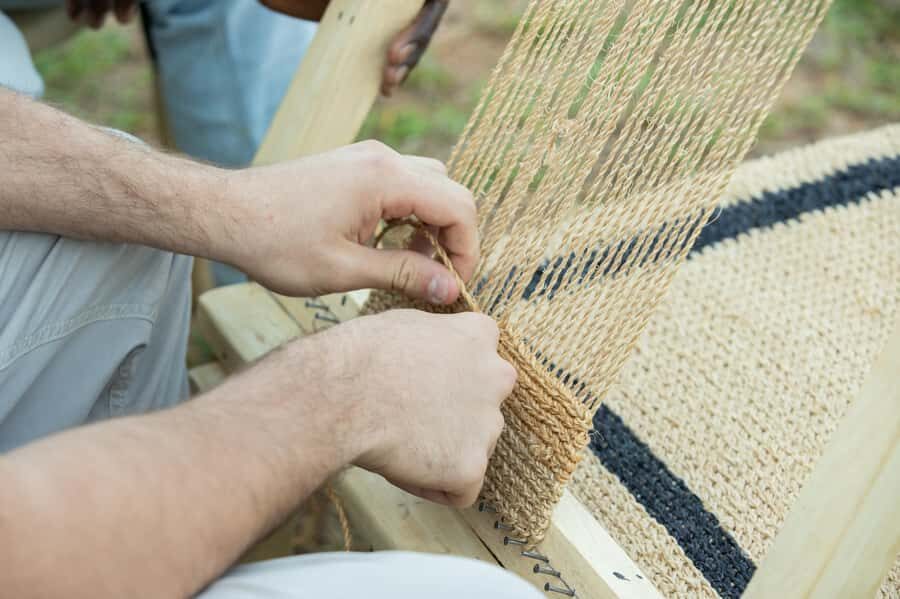
The workshop starts with culture, not just technique. You’ll get familiar with the history and importance of the Ikirago carpet from a traditional point of view. You’ll also hear the stories connected to the patterns and colors used in these pieces.
That matters more than it sounds. If you’ve ever bought a handmade item just because it looks nice, you know how fast that feeling fades when you don’t know the meaning. Here, you get enough background to read the design. You start to notice how a pattern can be more than decoration—more like a visual language.
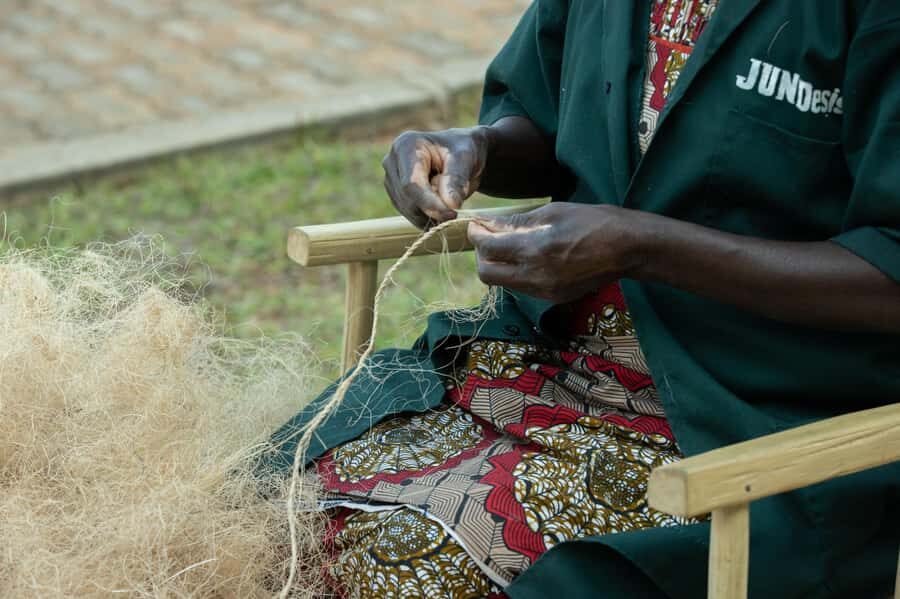
Then the day transitions from story to skill. Once you understand the goal, you move into weaving with sisal fiber using techniques passed down over generations. You’ll still get hands-on help throughout, so even if you’re slow at first, you’re not stuck. That support is a big part of why this feels beginner-friendly in practice, not just on paper.
Your 3-Hour Plan: How the Weaving Comes Together
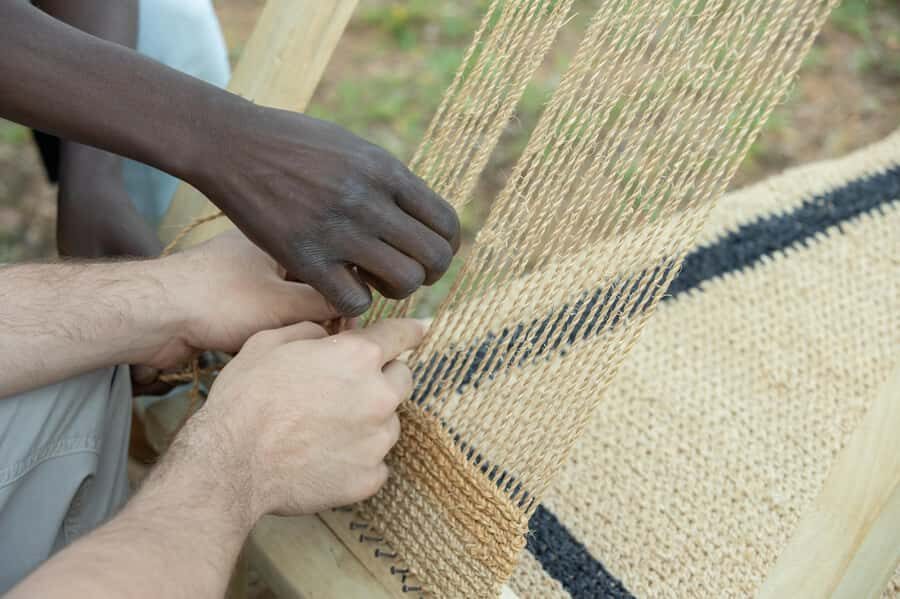
The time window is tight by design: 3 hours. That’s enough to learn basics, build confidence, and produce a take-home mini carpet. It also means you’ll want to treat this like a focused work session, not a chat-and-watch only kind of activity.
Here’s how the day typically flows, step by step:
1) Set the foundation with Ikirago meaning
You begin with the cultural side. You learn why Ikirago carpets are important, plus the stories behind patterns and colors. This is where you get context, so your weaving doesn’t feel like copying symbols blindly.
A practical tip: pay attention here. You’ll be using that info while you make choices later, especially if you’re offered options in how your piece comes together.
2) Learn the basics of weaving with sisal fiber
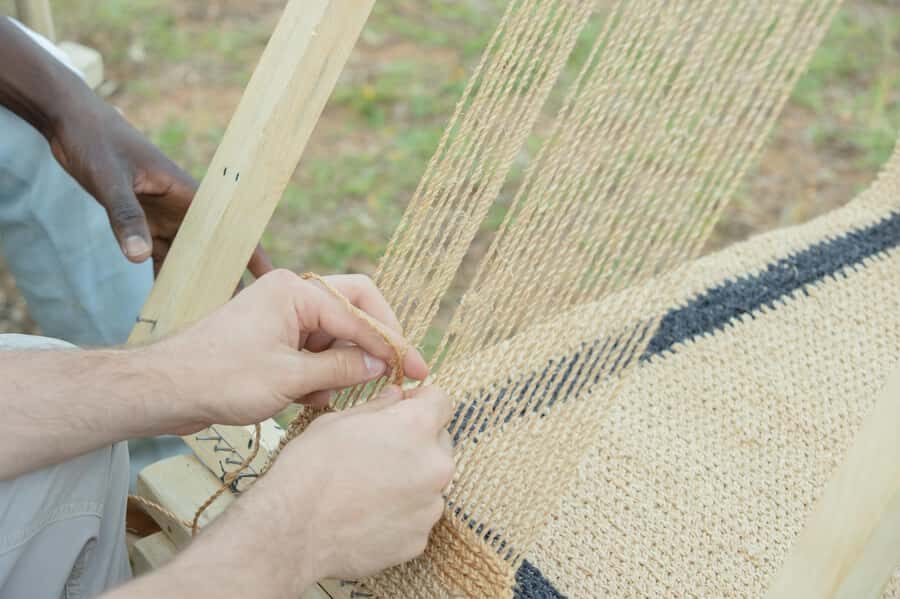
Next comes the real work: learning how to weave sisal fiber using traditional methods. Sisal is a strong, textured natural fiber. It doesn’t behave like a soft fabric. That means you’ll likely adjust your hand pressure and pace as you go.
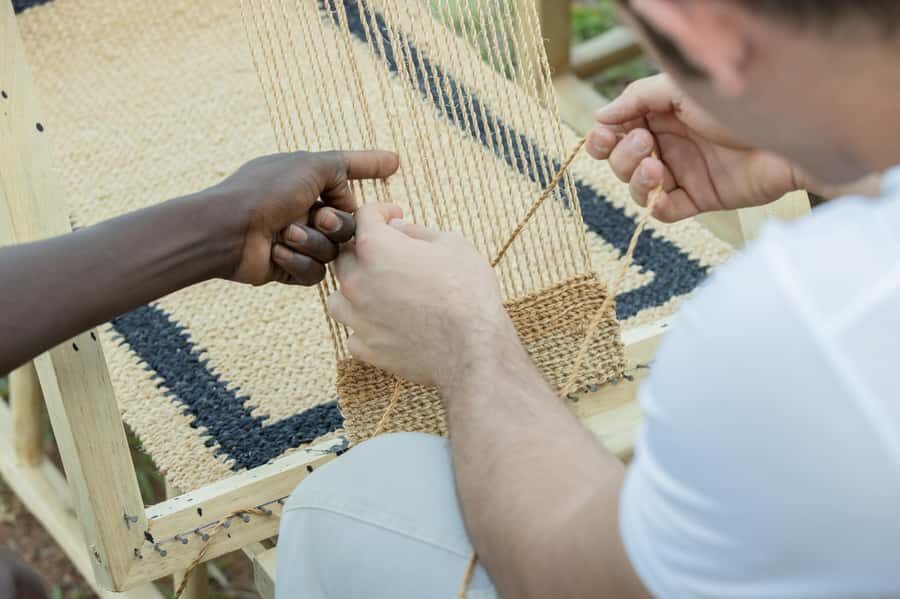
The good news is you’re not left alone with a loom. Your weavers stay on hand at every stage to assist you. That support is crucial because early weaving mistakes are normal, and fixing them quickly makes the rest of the session easier.



3) Create your own mini Ikirago carpet
After the basics, you weave your mini carpet. The idea is simple: you’re building a wearable skill into an actual object you can keep. The workshop guides you through creating something that can be used as a wall hanging, table mat, or for another purpose you choose.
And this is where the workshop earns its reputation. When instruction is patient, you stop fighting the process and start trusting it. That’s when you begin to feel progress fast.
4) See more designs and watch the weavers work
The session ends with a tour of the weaving studio. You’ll see the weavers in action and view additional designs and examples of finished work. This helps you connect what you made with what the studio produces beyond your mini piece.
It’s also a nice moment to slow down and notice details you might have missed while you were busy weaving.
A fair heads-up on timing
A real consideration: depending on your skill level (and how methodical you are), you might want more than 3 hours. The workshop is beginner-friendly, but it still takes time to get comfortable with the hands-on rhythm of weaving. If you love perfection and intricate repetition, aim to stay relaxed about finishing within the time.
What You Take Home: A Mini Carpet That Actually Gets Used
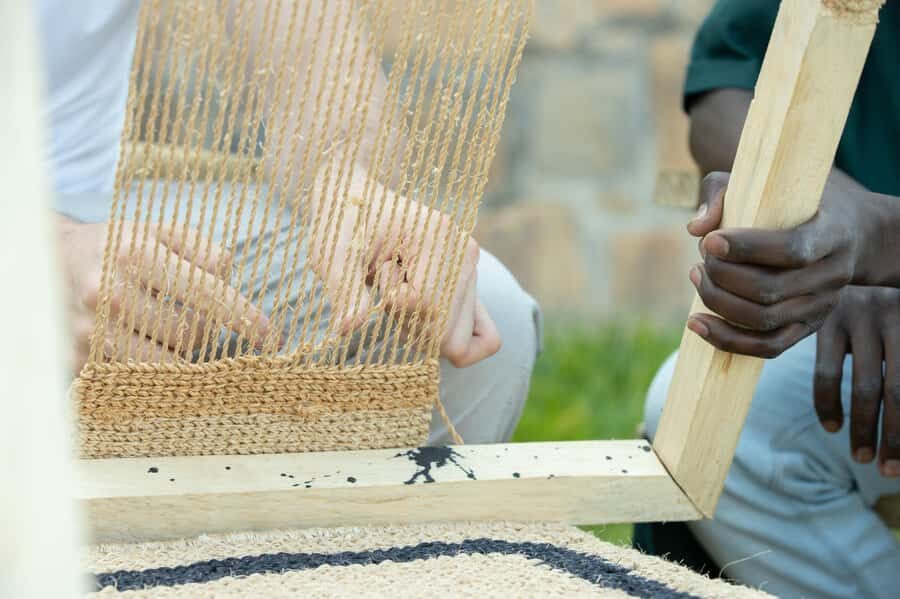
You’re not just leaving with a handmade story. You leave with a mini Ikirago carpet you can use. That’s the biggest value angle here.
The workshop’s product is flexible: it can function as a wall decoration, table mat, or for another purpose you choose. That means you’ll likely find a place for it in your home, rather than storing it in a drawer like many souvenirs.
I especially like that the item is tied to your own time and effort. It’s not a generic “here you go” craft. You made it, step by step, with guidance. The pride factor is real.
Also, since materials are included and you make the item in the workshop, you’re getting a finished outcome that feels complete when you walk out.
The Kigali Setting: Views and a Calm Hands-On Pace
Even though you’re focused on the loom, there’s a payoff in the surroundings. This experience includes amazing views as part of the day’s atmosphere, which gives your eyes a break from fiber textures and pattern lines.
That matters because weaving can be repetitive in a good way. It’s relaxing when you’re supported. You keep your hands busy, your brain learns the process, and you’re not constantly multitasking. You’ll likely feel the session shift from learning to flow—especially if you let yourself focus on one step at a time.
And because the workshop is held in a traditional studio environment, it doesn’t feel like you’re passing through a tourist stop. It feels like you’re spending an afternoon where the craft actually lives.
Price and Value: Does $30 Make Sense?
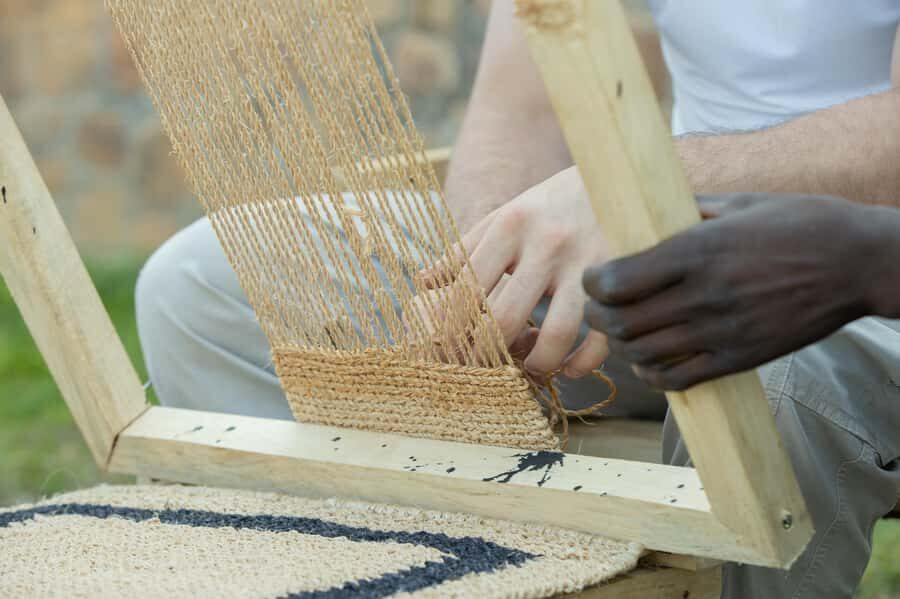
At $30 per person for about 3 hours, this workshop is priced like an activity that gives you something tangible at the end. The key is what’s included.
You get:
- A guided weaving workshop on Ikirago
- All necessary materials and tools
- Personal instruction from experienced local artisans
- Your own mini Ikirago carpet to take home
When you compare that to the cost of buying a similar handmade piece outright, the math usually becomes favorable fast—because you’re paying for both the instruction and the materials, plus the outcome.
Is it perfect value for everyone? Not if you’re looking for a casual “look and take photos only” experience, or if you want a long, slow session with lots of custom design time. But for most people, $30 feels fair because you leave with something you can use.
One more thing: pick-up and drop-off at your hotel are not included. That can affect how “easy” the day feels. If you’re already comfortable getting around Kigali, it’s not a dealbreaker. If you hate logistics, you’ll want to plan your transport in advance.
Who Should Book This Workshop (and Who Might Not)
This is for you if you:
- Want a hands-on cultural experience in Kigali
- Enjoy learning skills you can use as décor at home
- Are open to sitting with a craft for a focused 3 hours
- Like guided instruction and friendly patience while you practice
It may not be the best fit if:
- You’re bringing children under 12 years old (not suitable)
- You’re older than 70 years old (not suitable)
- You need mobility aids or baby strollers/carriages (not allowed)
If you’re a beginner, you’re still in the right place. The workshop is beginner friendly and doesn’t require prior knowledge.
Practical Tips So You Enjoy Your Weaving Day
Small prep helps. Here’s what will make the session smoother based on how the workshop is set up:
- Wear comfortable clothing. You’ll likely sit and lean forward for stretches.
- Bring a camera. You’ll want photos of the studio and the weaving process.
- Bring food and drinks. The activity doesn’t include lunch or drinks.
- Arrive at least 15 minutes early so the workshop can start on time.
- Expect the tools and materials to be provided, but you may bring your favorite weaving tools if you prefer using your own.
One more tip: since you’re learning something with your hands, don’t plan your day so tightly afterward. Leave a buffer so you can move comfortably, especially if you’ll be carrying your mini carpet.
Should You Book the Ikirago Weaving Experience?
I think you should book it if you want a real skill, not just a photo. The combination of cultural context, patient hands-on teaching, and a take-home mini Ikirago carpet makes this one of the better value activities in Kigali for people who like authentic crafts.
Skip it if you’re pressed for time, dislike sitting and concentrating, or you’re hoping for a highly customized, long-form creation. Also, if the idea of arranging your own way to and from the studio feels stressful, factor that in.
If you’re on the fence, this is the kind of workshop that pays off the moment you finish weaving and realize you made something useful. That feeling is hard to fake.
FAQ
How long is the Ikirago carpet weaving workshop?
The experience lasts 3 hours.
How much does it cost?
It costs $30 per person.
What do I make, and can I take it home?
You create a mini Ikirago carpet using sisal fiber. Your mini carpet is included and you take it home as a wall decoration, table mat, or for another purpose.
Is the workshop beginner friendly?
Yes. The workshop is beginner friendly and no prerequisite weaving knowledge is needed.
Is hotel pick-up and drop-off included?
No. Pick-up and drop-off at the hotel are not included.
Are there age limits?
Yes. It is not suitable for children under 12 years old or people over 70 years old.