REVIEW · KIGALI
Kigali: Learn How to Make Hot Sauce from Scratch
Book on Viator →Operated by NuttinTODO · Bookable on Viator
Hot sauce, made from scratch, in Kigali. This hands-on workshop lets you pick your own peppers—jalapeños, habaneros, and the local favorite pili pili—then adjust flavors until the heat feels right. I love that it is practical cooking, not a demo, and you actually get to cut, mix, and taste as you go. I also love the extra angle on fermentation, since it explains how the sauce gains depth over time rather than just tasting spicy.
You start off right with a refreshing water bottle, then jump into prep under chef guidance. The group stays small (up to 10), so you are not stuck watching from the back, and once your mixture is ready, you bottle it up to take home as a real souvenir.
One thing to consider: you will be working with spicy peppers, so if you are heat-averse or cooking with peppers makes your eyes water fast, tell the chefs at the start and go gentler with your choices.
In This Review
- Key highlights worth showing up for
- Arriving at BORISKA RESTOhouse: quick start, no fuss
- Choosing your peppers: jalapeños, habaneros, and pili pili
- Blending and tasting: make it your sauce, not theirs
- Fermentation 101: why the sauce gets deeper
- Bottling your chili sauce: a take-home souvenir that makes sense
- Price and value: what $35 buys in Kigali
- Who should book this hot sauce workshop
- Should you book this Kigali hot sauce class?
- FAQ
- FAQ
- Where does the hot sauce workshop start and end?
- How long is the experience?
- What peppers can I choose from?
- Do I get to take the sauce home?
- What is not included in the price?
- How big is the group?
- Is it easy to cancel if plans change?
Key highlights worth showing up for
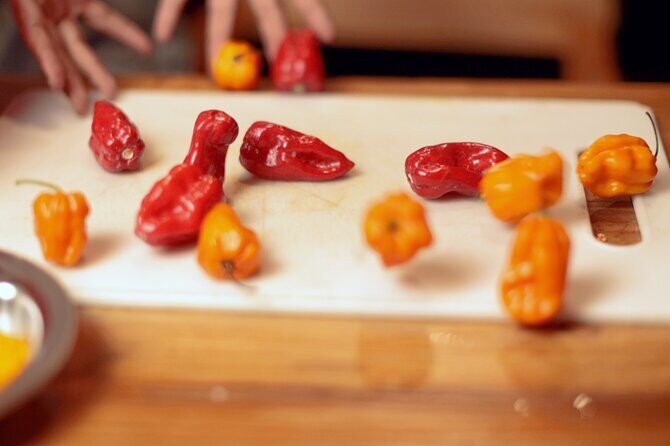
- Hands-on pepper prep with real cutting and aroma time, not just observing
- Taste-and-tune blending so your sauce matches your heat level
- Pili pili is in the mix, giving you a distinctly local pepper option
- Fermentation step explained, so you understand what makes it last and deepen
- A bottle is included, meaning you leave with something you made
- Small group size (max 10) for more attention and less waiting
Arriving at BORISKA RESTOhouse: quick start, no fuss
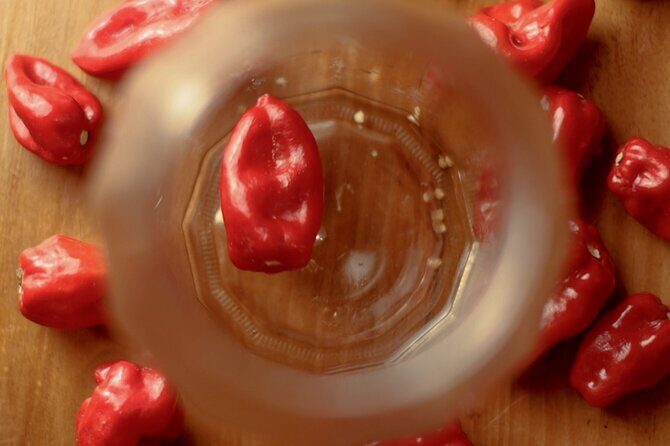
Your session begins at BORISKA RESTOhouse 1, KG 115 St, Kigali, Rwanda, and it ends back there. That matters more than you might think. For a short 1 hour 30 minute experience, you do not want extra time spent getting in and out of town or guessing where to go. You meet, you work, you leave with your bottle—simple flow.
When you arrive, you get a refreshing water bottle. It is a small touch, but it helps a lot once peppers and sharp cutting aromas enter the room. You’ll be moving your hands, tasting, and likely smelling chili on your fingers for a while, so staying hydrated keeps the whole session comfortable.
One more practical note: this is a mobile ticket experience. Bring your confirmation on your phone so check-in is quick, especially if you are coming in by taxi and want to reduce time standing around.
You can also read our reviews of more tours and experiences in Kigali.


Choosing your peppers: jalapeños, habaneros, and pili pili
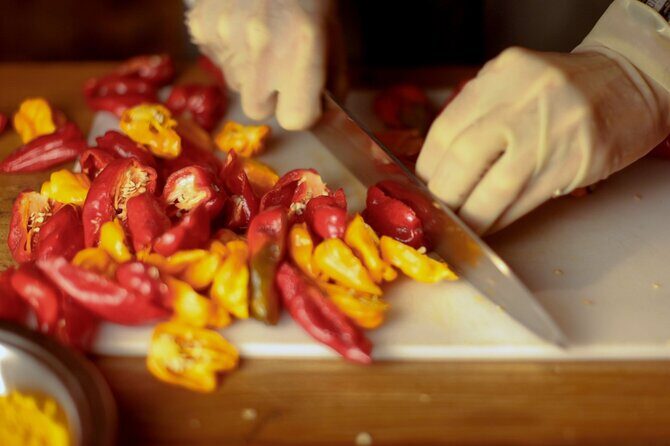
The heart of this workshop is your pepper choice. You start by selecting from options that include jalapeños, habaneros, and pili pili. This is where you get to stop guessing what you like and start building the sauce around your own preferences.
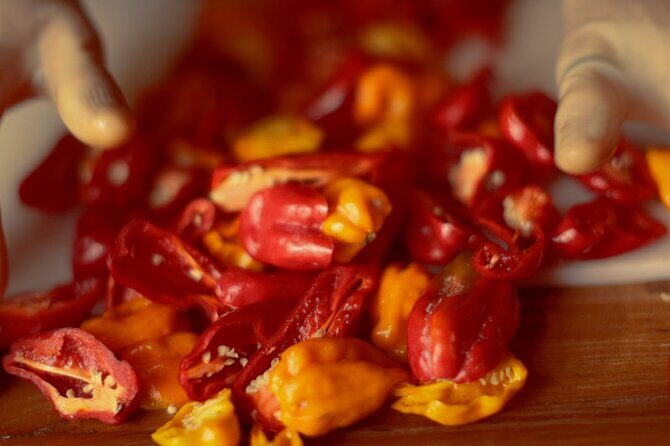
Here is what makes this stage valuable: peppers are not interchangeable just because they are all chili. Jalapeños tend to be milder and more familiar for many people. Habaneros can bring a stronger, sharper heat. Pili pili gives you a local flavor direction that you likely will not replicate at home without the same pepper base.
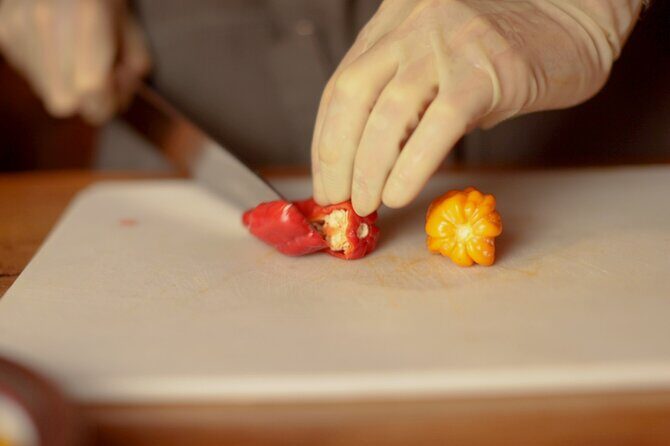
You will then prepare the peppers with a knife—cutting and getting up close to their aromas. Even if you consider yourself a casual cook, you will quickly understand why cooks treat peppers like ingredients with personalities, not just a heat source. It becomes a sensory lesson: the smell changes as you cut, the intensity feels different across varieties, and you can learn what kind of heat you’re signing up for.
If you are bringing a friend who loves heat and you do not, you can still enjoy the session together. The key is to be honest about what you want. Tell the chef your comfort level, and you can steer your pepper selection and how much you carry forward into the final blend.
Blending and tasting: make it your sauce, not theirs
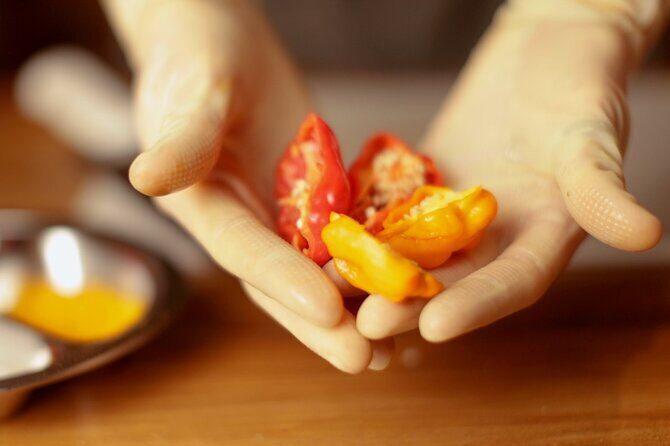
After prep, the workshop moves into blending. This is where the experience turns from ingredient collection into actual sauce craft. You mix and match ingredients and then taste as you go, adjusting until the flavor balance feels right.
This is one of the most satisfying parts for food lovers because it forces you to pay attention. Taste changes with small tweaks. A little extra spice can shift the whole profile. More pepper content can bring the heat forward immediately or later in the finish. Even without a heavy technical background, you start noticing what you prefer.
You also get to add your own twist with extra spices and adjustments. That does not mean you are on your own with wild experimentation. Chef guidance stays with you the whole time, so you can try a variation safely while still learning the logic behind the flavor.
For practical at-home results, this matters. Many “cook something” classes end with a dish you forget as soon as you leave. Here, the method is more memorable because you helped shape it. You learn what you liked, what you changed, and what you would do differently next time.
If you want to bring this sauce into your daily cooking, aim for balance rather than pure burn. A sauce that is too hot can be hard to use beyond special moments. The goal is a chili sauce you can actually enjoy on food—eggs, rice, grilled meat, or any meal that benefits from a tangy kick.
Fermentation 101: why the sauce gets deeper
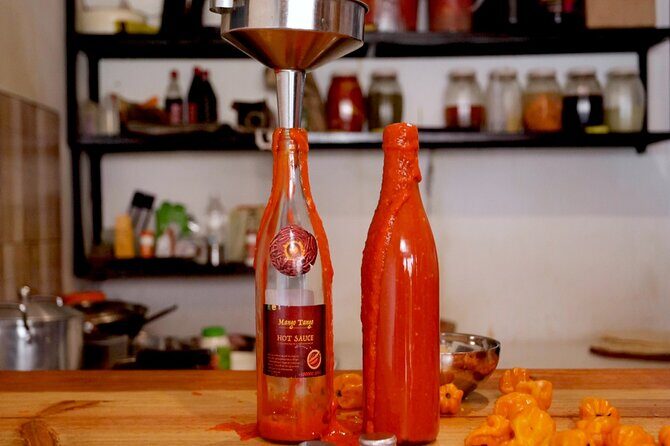
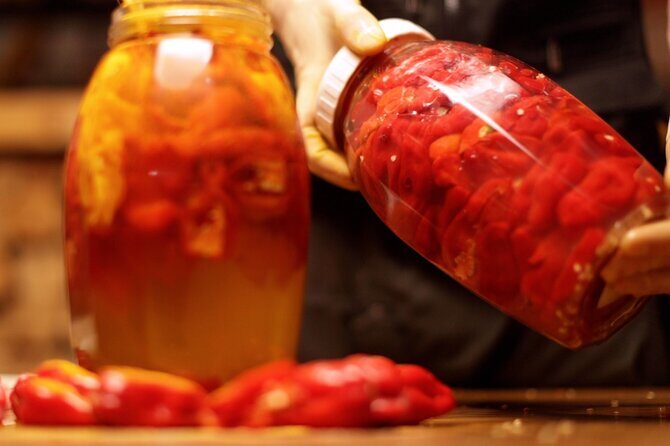
One of the best educational components here is the talk and process around fermentation. You will learn how fermentation helps chili sauce develop extra kick and more complexity over time. The timing and exact chemistry details are not the focus; the takeaway is what it does for flavor and why it matters.
When you start fermentation during the session, you are not just learning a concept—you are seeing the process begin. That turns the class into something with a beginning, middle, and future payoff. Even though you may not taste the fully fermented result immediately, you leave with a sense of direction. You know why your sauce will change after you take it home.
This is a smart pairing with the “taste and adjust” blending step. If you only learn how to make sauce today, you might miss why chili sauces become more interesting after they sit. Fermentation is the bridge between a quick recipe and a living condiment.
For you, this means the workshop can feel more like a skill than a snack. You walk away understanding how to think about future batches: how to adjust flavor now, and what fermentation will do later.
Bottling your chili sauce: a take-home souvenir that makes sense
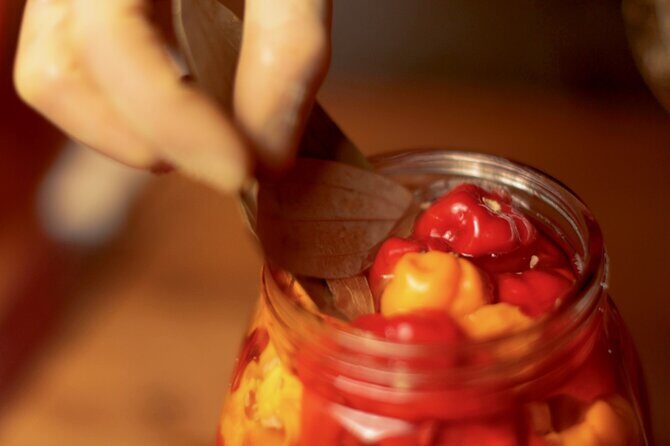
The class ends with bottling your sauce so you can take it home. A bottle of sauce is included, so you do not need to figure out packaging or bring anything extra just to get the result.
This is also where the workshop scores points for value. Plenty of experiences charge for learning, but the “product” is small—maybe a taste, maybe a photo. Here, you get an actual bottle you made. It becomes a practical souvenir: something you can use, share, and remember long after the class ends.
Because this is a short, structured 1 hour 30 minute session, the bottle also gives closure. You are not waiting days to see what it becomes. The fermentation step suggests more development over time, but the workshop still gives you a finished, portable result to start your home journey.

Price and value: what $35 buys in Kigali
At $35 per person, this is priced like a focused, hands-on class rather than a long full-day tour. That is a good fit for travelers who want food experiences without committing an entire day.
You get several things that justify the cost:
- Instruction from chef guidance during every stage: pepper prep, blending, and fermentation process
- A taste-and-adjust approach, so you are not just making one fixed recipe
- A included take-home bottle of sauce
- A small group cap (max 10), which usually means more interaction and less “watching only” time
The only notable thing not included is private transportation. If you are staying somewhere easy to reach by taxi or you have a local ride lined up, this should be smooth. If not, budget a little extra time and money to get to BORISKA RESTOhouse for the start.
One more value point: this is an experience you can repeat. After you learn the steps, you are more likely to make chili sauce again at home, because you have tasted and adjusted your own version. Skill sticks.
Who should book this hot sauce workshop
This experience fits best if you:
- Like food-focused activities and want something hands-on
- Want to learn what fermentation does, not just hear the word
- Enjoy building your own flavors and adjusting heat levels
- Want a memorable souvenir that you can actually use
You might also enjoy it if you are traveling with a group that includes different spice preferences. You can guide your pepper choices early, and the chef can help you blend in a way that works for your taste.
If you dislike spicy food, do not automatically skip. Just be upfront at the start. Go lighter on the peppers you choose, and lean into the flavor balance rather than maximum heat.
Should you book this Kigali hot sauce class?
I think you should book it if you want a practical, tasty class with real food payoff. It is short, structured, and chef-led, and it includes a bottle of sauce so the experience has an end product you will keep.
It may not be the best fit if you hate working with chili peppers or you prefer food experiences with zero heat handling. In that case, consider a different workshop where you can avoid pepper cutting and strong aromas.
If you’re on the fence, here is my simple decision rule: if you would enjoy learning how to make a condiment you can use at home, you’ll likely have a great time here.
FAQ
FAQ
Where does the hot sauce workshop start and end?
The workshop starts at BORISKA RESTOhouse 1, KG 115 St, Kigali, Rwanda, and it ends back at the same meeting point.
How long is the experience?
It runs for about 1 hour 30 minutes.
What peppers can I choose from?
You can choose from options including jalapeños, habaneros, and the local favorite, pili pili.
Do I get to take the sauce home?
Yes. A bottle of sauce is included, and you bottle your sauce during the session to take home.
What is not included in the price?
Private transportation is not included.
How big is the group?
The experience has a maximum of 10 travelers.
Is it easy to cancel if plans change?
Cancellation is free up to 24 hours in advance for a full refund.