REVIEW · KIGALI
Kigali’s city tour with Aline
Book on Viator →Operated by Tour with Aline · Bookable on Viator
Kigali teaches, not just entertains. This 3-hour Kigali city tour with Aline strings together the places that shape how the city thinks and lives today, from the Genocide Memorial to creative spaces and everyday neighborhoods. I love the local perspective you get from a real guide who’s happy to answer questions as you go, not after the fact.
My other favorite part is the mix: history, art, and daily market life all in one outing, so you leave with more than a photo set. The one drawback to plan around is timing: some stops are brief, so if you want extra time in the Memorial or a long shopping session, you’ll need to add time on your own after the tour ends.
In This Review
- Key highlights at a glance
- Entering Kigali at the Kigali Genocide Memorial
- Kigali Genocide Memorial: what you should expect in about an hour
- Niyo Art Gallery: where creativity meets community support
- Kigali City Market: quick taste of everyday Kigali
- Kimironko Market: the larger, louder side of shopping
- The Kigali Car-Free Zone: a breather with food and people-watching
- Nyamirambo Women’s Center: skills, work, and independence
- Price and what you actually get for $25
- Logistics that matter: timing, group size, and how to plan your day
- Should you book Kigali with Aline?
Key highlights at a glance
- Small group vibe: capped at 10 travelers, so questions don’t get lost.
- Aline’s Q&A style: you’re encouraged to ask, not just listen quietly.
- Genocide Memorial included in full focus: about 1 hour for remembrance and education.
- Art + community impact: Niyo Art Gallery links creative work with support for underprivileged children.
- Kigali beyond the center: you’ll see both the City Market area and the busier Kimironko Market.
Entering Kigali at the Kigali Genocide Memorial

The tour starts at the Kigali Genocide Memorial (KG 14 Ave). That matters, because it sets the tone right away: this isn’t a sightseeing-only route. The Memorial is a museum and memorial site dedicated to the victims of the 1994 Genocide against the Tutsi, with mass graves where over 250,000 victims are buried. It’s also a place designed for education and reconciliation, with exhibits, personal testimonies, and information about post-genocide healing.
What I like about leading with this stop is that it gives context for everything that follows. When you later see modern Kigali life—art spaces, women’s empowerment programs, and markets—those are not separate from the country’s story. They’re part of how people keep moving forward.
Plan your mindset before you arrive. Expect the content to be serious and emotionally heavy. It’s the kind of stop where you’ll probably want your phone away for stretches, just so you can actually read and absorb.
You can also read our reviews of more city tours in Kigali


Kigali Genocide Memorial: what you should expect in about an hour
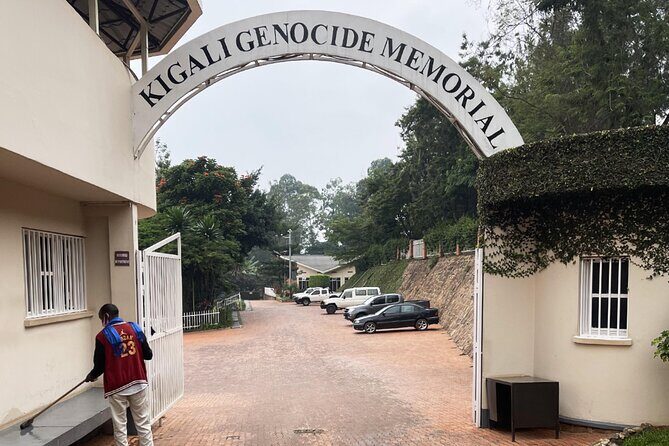
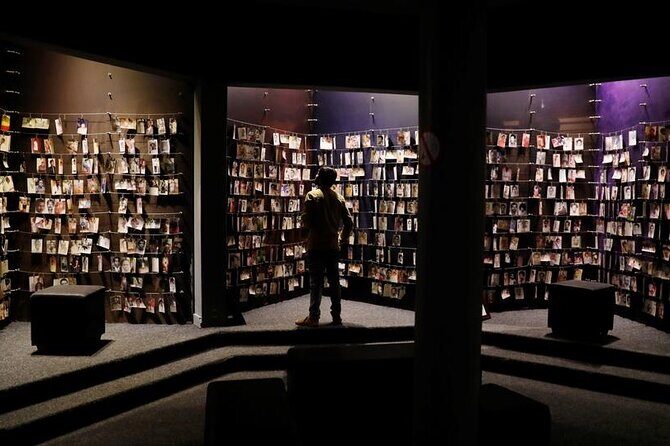
You’ll have about 1 hour here. The Memorial’s focus is remembrance and education, so the time is meant to help you walk through the main story: what happened, who was affected, and how the site helps people understand the past. Because admission and any donation are not included, budget extra if you want to contribute.
A practical tip: wear something comfortable and allow time to go slowly. Even with guided structure, this is one of those places where your attention will pull you off schedule. If you’re the type who reads every label, don’t assume you’ll finish everything in 60 minutes—some sections might need more time later.
Also, treat photos like a request, not a right. If staff are discouraging it in certain areas, follow their cue. This is a memory space, not a theme park.
Niyo Art Gallery: where creativity meets community support
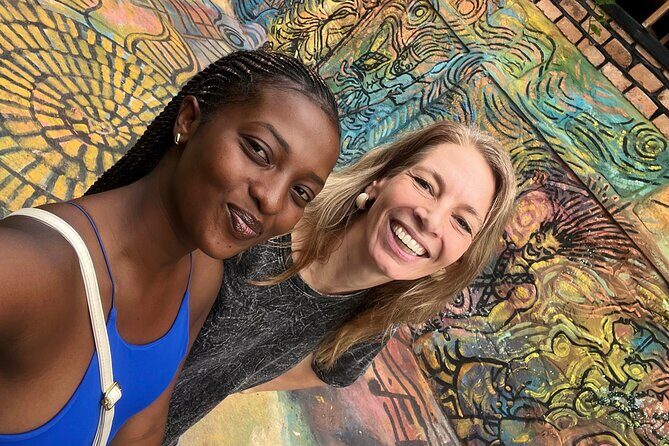
After the Memorial, the tour shifts to Niyo Art Gallery for about 20 minutes. This is a contemporary art space showcasing Rwandan and African art—think paintings, sculptures, and mixed media. The key value here is that the art isn’t presented as decoration. It often reflects cultural heritage and social themes, and the gallery supports community projects too.
One especially meaningful detail is that Niyo Art Gallery runs programs for underprivileged children. So when you look at the work, you’re not only learning about art styles. You’re also seeing how creative spaces can create opportunity.
At this stop, you’ll likely get a faster, more conversational overview rather than an academic lecture. That’s perfect for keeping the tour balanced: you get a reset from the heaviness of the Memorial, but you don’t lose the thread of how Rwanda expresses itself.
Kigali City Market: quick taste of everyday Kigali
Next comes Kigali City Market for about 20 minutes, with entry free. This is the heart-of-it feel market, with fresh produce, traditional crafts, textiles, spices, and other local products. The point isn’t to buy everything. It’s to walk through the rhythm of daily commerce and spot what people actually reach for.
What I like about stopping here (even briefly) is how it helps you understand the city’s texture. Kigali City Market is a place where locals and visitors overlap, and that makes it easier to talk to vendors or ask your guide questions about what you’re seeing.
Possible drawback: markets move fast. With only 20 minutes, you’ll want to pick a goal—like looking at crafts for a few minutes, then produce for a few minutes—otherwise you can end up rushing through everything without really registering details.
Kimironko Market: the larger, louder side of shopping
Then the tour heads to Kimironko Market, also about 20 minutes and free to enter. Kimironko is described as one of Kigali’s largest and busiest markets, known for fresh produce, clothing, fabrics, and handmade crafts. It’s popular with both locals and tourists, so you get a mix of languages, shopping styles, and stalls that feel like they’re built for browsing.
This stop is where you’ll likely notice differences from City Market: the pace, the range, and the sheer volume of goods. If you like markets, it’s a good chance to compare two styles of market life in one afternoon.
If you’re not a market person, that’s okay. Use your time smartly. Focus on one category—textiles, spices, or crafts—and let the rest blur into the background. Your guide can help point out what’s distinctive so you don’t waste time trying to figure it all out alone.



The Kigali Car-Free Zone: a breather with food and people-watching
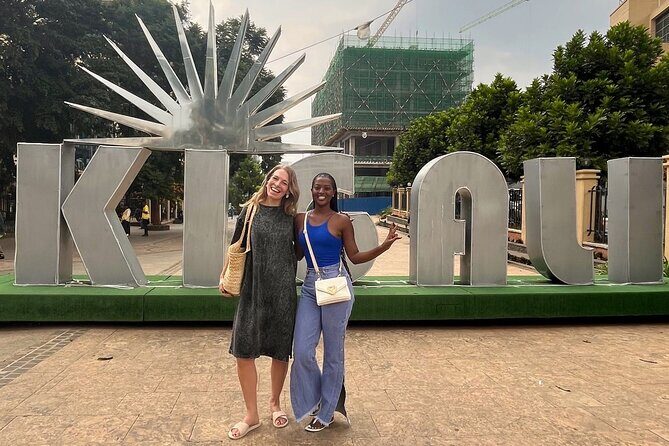
The tour then moves to the Kigali Car-Free Zone, for about 15 minutes, also free. This is a pedestrian-friendly area in the city center designed to reduce traffic and pollution and make walking and cycling more practical. The zone includes open spaces, cafes, shops, and recreational areas, which is exactly why it works as a tour finale.
This stop is a breather. You go from markets and structured visits into a more social urban space. And because the meeting point description notes there are nice local affordable restaurants around here, it’s a convenient place to grab a drink or a bite after the tour.
If you want a simple plan: arrive here a little hungry. You’ll be ready to sit down, decompress, and compare what you just learned with what you’re seeing in real time.
Nyamirambo Women’s Center: skills, work, and independence
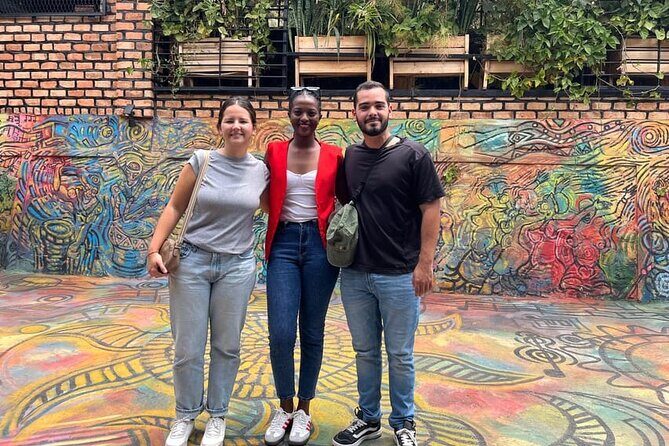
The final stop is the Nyamirambo Women’s Center (NWC) near the Nyamirambo district, for about 10 minutes. This is a women’s empowerment organization founded in 2007, offering education and skills training—literacy, sewing, and entrepreneurship. It also runs the Umutima initiative that produces handmade crafts, clothing, and accessories.
This stop is valuable because it shows a different kind of Rwanda story than monuments and markets alone. You’re seeing how education and training can lead to real livelihood support and how women’s economic independence is built through practical skills.
With only 10 minutes, the experience here is more of an introduction than a full visit. Still, it’s a strong close because it shifts you from observing Kigali to understanding what programs in Kigali are actively doing for people.
Price and what you actually get for $25

The tour costs $25 per person and runs about 3 hours. For that price, you get a tour guide and a mobile ticket. You do not get private transportation, snacks, coffee or tea, or the Genocide Memorial donation (and the Memorial’s admission ticket is also not included).
So is it good value? Yes, for a very specific reason: the day’s stops are meaningful and varied, and the guide is the glue that makes it all click. Without a local like Aline, you’d likely spend more time figuring out what you’re looking at. With her, the visits feel connected.
Still, plan your pocketbook a bit. If you want to contribute to the Memorial, that’s on you. And if you’re the kind of person who gets hungry after markets, consider adding your own snack plans before or after, since snacks aren’t provided.
Also note the time structure. Some stops are 20 minutes, one is 1 hour. That’s great for getting your bearings fast, but it’s not designed for deep, long-form wandering. If you want a slower pace, treat this as your orientation tour, then return to your favorite stop later.
Logistics that matter: timing, group size, and how to plan your day
This experience is typically booked about 7 days in advance, so if your schedule is fixed, don’t wait until the last minute. The group size max is 10 travelers, which is big enough to meet people but small enough for your questions to land.
The tour is marked as near public transportation and with a general note that most travelers can participate. That’s helpful if you’re trying to plan without a private driver. Still, you’ll be moving between multiple stops, including markets, so comfortable shoes matter more than fancy outfits.
Finally, the end point is the Car Free Zone. That’s a smart design because you’re not stuck back at your starting location. You can naturally turn the last part of your day into casual food time.
Should you book Kigali with Aline?
If you want a local-led introduction to Kigali that covers the places people actually talk about—remembrance, art with community impact, and real market life—this is an excellent choice. Aline’s approach, including her willingness to answer questions and talk about life in Rwanda, is exactly what turns a list of stops into a story you can understand.
Book it if:
- You want context, not just photos
- You like guided structure but still want to ask questions
- You have about half a day and want multiple neighborhoods in one go
Consider skipping or adding extra time if:
- You expect to spend a long time at the Memorial
- You want long market browsing without time pressure
- You need snacks or coffee handled for you
Overall, this is the kind of tour that helps you understand Kigali quickly, with respect where it counts and curiosity where it fits.