REVIEW · KIGALI
Kigali City Tour
Book on Viator →Operated by Usalama Tours Rwanda · Bookable on Viator
Four hours can change how you see Kigali. This private half-day tour strings together Kigali’s most important memorial sites, big viewpoint from Mt. Kigali, and a local market stop—so you don’t waste the day figuring out distances. I especially like the Kigali Genocide Memorial focus and the way the stops are arranged to give context fast, without burning hours on logistics. One consideration: the schedule is tight, so if you want a slow, deeply reflective visit at every stop, this may feel rushed.
What makes it feel worth it is the practical stuff: front-door pickup and drop-off from anywhere in Kigali, plus a private guide and bottled water. Guides highlighted in past tours include Darius, Djabil, and Alex, and the best part is getting real-time explanations instead of just reading signs. Still, since it’s designed as a highlights-and-views run, you’ll be doing a lot in a short window.
In This Review
- Key things that make this Kigali City Tour work
- Why a 4-hour private tour is the smart play in Kigali
- Kigali Genocide Memorial: education, scale, and how to handle the emotions
- Belgian Peacekeepers Memorial: a short stop with a sharp point
- Mt. Kigali viewpoints and the drive through Nyamirambo
- Campaign Against Genocide Museum: moving from facts to understanding
- Kimironko Market: souvenirs, bargaining, and everyday Kigali
- Guides, vehicle, and the small details that affect your day
- Price and value: what you’re really paying for at $121.80
- Who should book this Kigali City Tour (and who might not)
- Should you book it?
- FAQ
- How long is the Kigali City Tour?
- Is pickup and drop-off included?
- Is this a private tour?
- What is the price per person?
- Are admission tickets included?
- Is bottled water provided?
- How do I get the ticket?
- When will I receive confirmation after booking?
- What if the weather is poor?
- What is the cancellation policy?
Key things that make this Kigali City Tour work
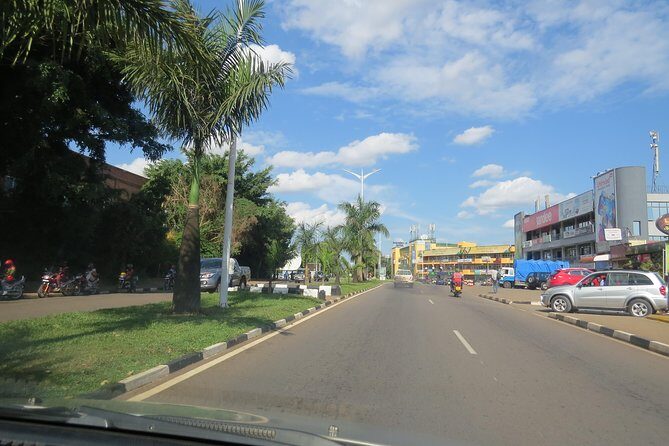
- Door-to-door pickup and drop-off so you can skip the taxi juggling
- Private guide context at major memorial stops, not just transportation
- Mt. Kigali viewpoint with panoramic views and a quick look at nearby neighborhoods
- Campaign Against Genocide Museum to add meaning beyond monuments
- Kimironko Market time for souvenirs and everyday shopping
- Admission tickets and bottled water included so you’re not hunting for small costs all day
Why a 4-hour private tour is the smart play in Kigali
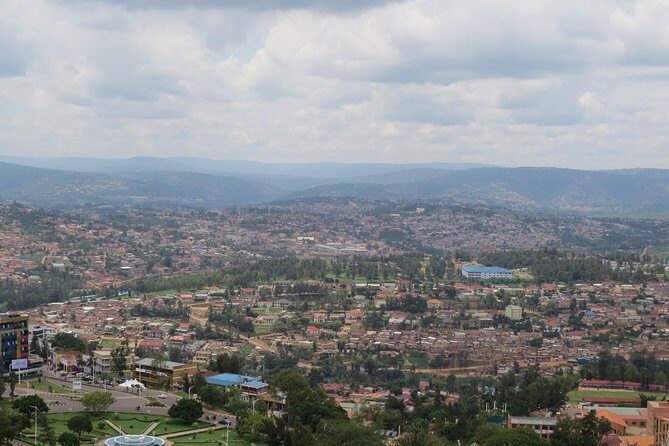
Kigali looks calm and organized, but the sights are spread out. A half-day private tour is a practical way to get your bearings fast, without turning your visit into a transit project.
You get a vehicle and a guide for about four hours, with pickup from wherever you’re staying in Kigali and drop-off back there when you’re done. That kind of door-to-door setup matters because Kigali’s best-known stops aren’t all clustered together. It also means you can spend your energy where it counts: on the viewpoints, the museums, and the local market experience.
This tour also has a clear pacing idea: memorial sites first, then views, then the neighborhood and market side of the city. That order helps. You come in with education and context, and then you leave with a sense of how Kigali is rebuilding and moving forward—plus a few tangible souvenirs.
One more practical note: it’s a private tour/activity, so it’s just your group. That tends to make the experience feel more personal, especially at the memorial stops where questions often come up.
You can also read our reviews of more city tours in Kigali


Kigali Genocide Memorial: education, scale, and how to handle the emotions
The Kigali Genocide Memorial is the kind of place that changes your brain chemistry. The numbers alone are heavy: it honors more than 250,000 victims, and it remembers the wider tragedy of more than one million Rwandans killed in 1994.
In a four-hour format, you don’t get unlimited time—but you do get structured time. Expect around two hours here, including admission. That’s enough time to see the exhibits and understand the basics of what happened, while still leaving room to continue the tour afterward.
What I like about having a guide at this stop is simple: the explanations help you avoid the common trap of only absorbing surface facts. You can ask things as you go, and you’re not stuck trying to connect dots on your own while your emotions are already doing their own work.
A quick consideration: because it’s intense, you might want to mentally prep yourself before you arrive. Bring water (you’ll get bottled water on the tour), and wear something comfortable. Also, keep your phone charged, but don’t feel pressured to document everything. The best visits aren’t measured by photos.
Belgian Peacekeepers Memorial: a short stop with a sharp point
After the Genocide Memorial, you’ll visit the Belgian Peacekeepers Memorial. It marks the deaths of 10 Belgian peacekeepers in 1994.
This stop is shorter—about 30 minutes—but it plays an important role in the overall arc of the day. It reminds you that this story wasn’t only lived inside Rwanda’s communities; it also involved international presence and tragic loss. In a highlights tour, these smaller memorials help the main site make more sense.
In practical terms, you should expect a clear, respectful visit. Don’t treat it like a quick photo break. Even though it’s brief, it matters.
Mt. Kigali viewpoints and the drive through Nyamirambo
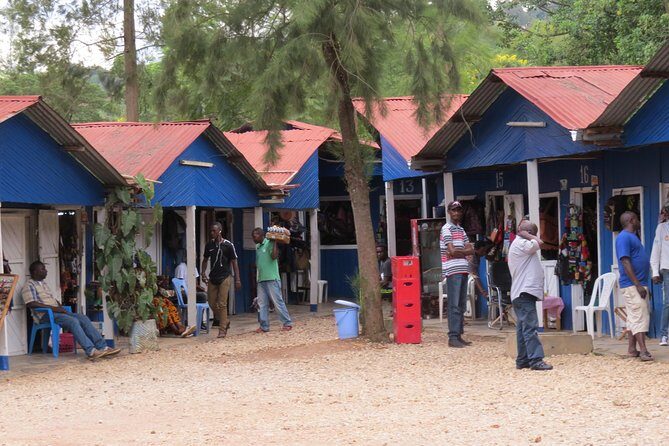
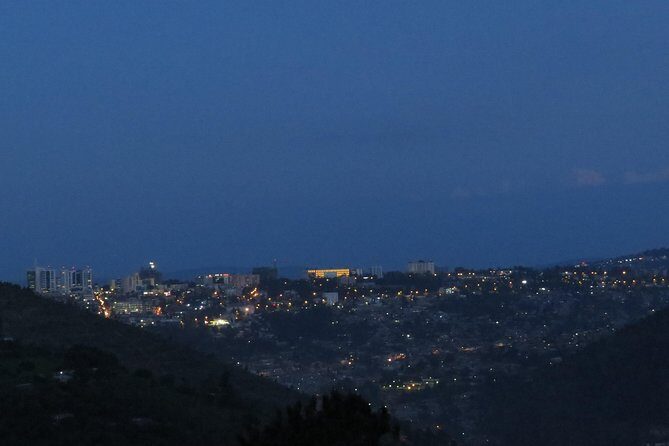
Then you shift gears—still with meaning, but with a different kind of experience. At Mt. Kigali you get panoramic views over the city.
This stop is around 30 minutes, including the ride time. The viewpoint is a great reminder of why Kigali matters as a living city, not just a place remembered through monuments. It’s also a useful reset after memorial time: your eyes can rest on the city’s shape and the hills around it.
On the way, you’ll pass through Nyamirambo, including Muslim neighborhoods. That’s a small but valuable detail, because it shows you parts of Kigali as a functioning, everyday city—people going about their lives, not staged scenes for tourists.
If you’re the kind of traveler who likes to understand neighborhoods instead of only landmarks, this route choice is a win. The short drive helps you get context on where the city sits and how different parts connect.
Campaign Against Genocide Museum: moving from facts to understanding
Next comes the Campaign Against Genocide Museum, where you’ll spend about an hour.
The museum focus is on the darker side of Rwanda’s history—despair, struggle, subjugation—and it also points to the efforts and sacrifices made during the time of rescuing Tutsi from Interahamwe. It’s an important complement to the Genocide Memorial because it keeps the story moving. Instead of only remembering victims, you also learn about the mechanics of the genocide and the human actions that stood against it.
In my view, this stop is the one that turns emotions into understanding. You leave with a better sense of what people were up against and why education and peace-building matter so much in Rwanda today.
One practical tip: museum time can feel long even at an hour, especially after two hours at the main memorial. If you get overwhelmed, it’s okay to slow down and focus on the most important sections first. A good private guide can help you pick what matters most for your questions.


Kimironko Market: souvenirs, bargaining, and everyday Kigali

After the museums and memorials, the tour shifts to a more everyday Kigali experience at Kimironko Market. You’ll have about an hour here, including admission.
This is a real local market where you can find fruits and vegetables, shoes, clothing, and other items. It’s also where you can shop for handmade gifts and souvenirs. The market stop gives your day a balance: the earlier parts of the tour carry heavy context, and Kimironko brings you back to the city’s trade and daily rhythms.
A helpful way to approach the market: go in with a simple plan. Decide what you want first—like small crafts, clothing, or gifts—then start comparing prices. One review tip I found useful is to bargain with confidence: start negotiations around half of the seller’s asking price.
Also, keep your shopping time realistic. An hour disappears fast when you’re browsing everywhere. If you’re trying to stay on schedule, ask your guide to help you identify a couple of good vendor lanes before you go off on your own.
Guides, vehicle, and the small details that affect your day

The difference between a good city tour and a great one often comes down to the details you only notice when something is wrong. Here, the setup aims to prevent those headaches.
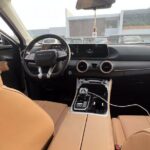
Pickup is front-door, drop-off is included, and the vehicle is described as clean and in excellent condition. That’s not a throwaway detail. When you’re moving between Kigali’s key stops, comfort and reliability matter because you’re already mentally focused on serious places.
Guides like Darius, Djabil, and Alex come up repeatedly in feedback, and the common thread is responsiveness—being flexible with timing while still reaching the main sites. That flexibility is handy if a stop runs a bit over or if your group has specific questions.
The tour can also be customized based on your travel needs. That’s a big deal for a memorial-heavy day. If you want a slightly different pace or want to adjust your market shopping priorities, ask early.
Price and value: what you’re really paying for at $121.80

At $121.80 per person for about four hours, this tour is not the cheapest way to see Kigali. But it’s also not just a taxi with a smile.
Your value includes:
- door-to-door transportation that reduces wasted time
- a private guide to add context at multiple major sites
- admission tickets for the key stops
- bottled water to keep the day manageable
The real question is whether you’ll spend your own time piecing things together. If you’re relying on taxis, you’ll likely lose hours coordinating rides between sites. If you’re trying to read everything alone, you might miss the important connections between the Genocide Memorial, the Belgian Peacekeepers Memorial, and the Campaign Against Genocide Museum.
One note to keep your expectations grounded: a couple of people have felt that some stops felt more like suggested contributions than strict ticket-only pricing. Even so, in this package, admission tickets are listed as included—so you should treat the price as mostly paying for the guide and the vehicle time, plus included site access. If you’re the type who hates surprise costs, it’s worth asking your provider what is included versus what might be optional.
Who should book this Kigali City Tour (and who might not)
This tour is a great fit if you:
- want to cover major highlights in about half a day
- prefer private guidance over self-guided sign reading
- appreciate memorial context and want a structured visit
- like having a market stop built in for practical souvenirs
It may be less ideal if you:
- want a slower, more in-depth experience at every memorial site
- prefer to spend longer than two hours at the Kigali Genocide Memorial
- get overwhelmed easily by emotionally heavy content and need lots of breathing room
If you’re in Kigali for a short stop or you’re combining this with other Rwanda travel, it’s an efficient way to get the most meaningful sights without eating your whole day.
Should you book it?
Yes, if you want the key Kigali experiences in one tidy half-day: the memorial education, the city viewpoint, and a real market stop. The door-to-door pickup and private guide make the day easier than cobbling together rides on your own.
Book it especially if you value interpretation at serious sites. That’s where a guide’s ability to explain what you’re seeing really changes how the day lands.
If you’re the kind of traveler who needs long reflection time, you might consider asking for adjustments to pacing or adding extra time at the places that hit you hardest. Either way, this is a strong choice for seeing Kigali thoughtfully without turning it into a logistics marathon.
FAQ
How long is the Kigali City Tour?
It’s about 4 hours.
Is pickup and drop-off included?
Yes. Front-door pickup and drop-off from anywhere in Kigali are included.
Is this a private tour?
Yes. It’s a private tour/activity, so only your group participates.
What is the price per person?
The price is $121.80 per person.
Are admission tickets included?
Yes. Admission tickets are included for the listed stops.
Is bottled water provided?
Yes. Bottled water is provided.
How do I get the ticket?
A mobile ticket is provided.
When will I receive confirmation after booking?
Confirmation is received at the time of booking.
What if the weather is poor?
This experience requires good weather. If it’s canceled due to poor weather, you’ll be offered a different date or a full refund.
What is the cancellation policy?
You can cancel for a full refund up to 24 hours in advance of the experience’s start time.