REVIEW · KIGALI
8 Day Gorilla Trek, Wildlife Safari and Chimp Habituation Experience
Book on Viator →Operated by Bamboo Ecotours · Bookable on Viator
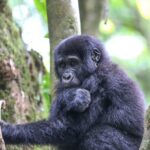
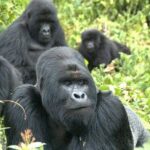
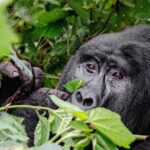
Meeting mountain gorillas changes your pace. This 8-day Rwanda-to-Uganda circuit pairs gorilla trekking in Bwindi with a hands-on chimp habituation experience in Kibale, then sprinkles in golden monkeys, tree-climbing lions, and a Kazinga Channel boat cruise. I really like the way the schedule mixes big-ticket wildlife moments with practical breaks, and I also like the built-in guidance for both treks. One thing to consider: this trip stacks several long drive days with hikes that can run longer than you expect in the forest.
The other plus I’d flag is how well it’s built for you if you want your time managed from start to finish. You’ll start with a border crossing day from Kigali to Bwindi, then move park-to-park in a logical loop, ending with a drive to Kampala or Entebbe. My only caution is physical: you need moderate fitness for forest treks and for walking in places like Kyambura Gorge.
In This Review
- Key things I’d zero in on before you book
- The Big Picture: gorillas, chimps, and the parks that connect them
- Day 1: Kigali to Bwindi via the Cyanika land border (a long start, but an efficient one)
- Day 2: Bwindi gorilla trekking briefing and family assignment at the park gate
- Day 3: Mgahinga golden monkey trekking, then Lake Bunyonyi for a proper unwind
- Day 4: Ishasha tree-climbing lions in Queen Elizabeth’s northern area
- Day 5: Kasenyi plains game drives plus Kazinga Channel boat cruise
- Morning: Kasenyi plains game drives
- Afternoon: Kazinga Channel boat cruise
- Day 6: Kyambura Gorge nature walk for chimps, then the crater lakes route to Kibale
- Day 7: Kibale chimp habituation experience with Uganda Wildlife Authority guidance
- Day 8: the long drive to Kampala or Entebbe airport to close the loop
- Value and pricing: what you’re paying for (and where it makes sense)
- Who this trip fits best (and who should adjust expectations)
- Should you book 8 Day Gorilla Trek, Wildlife Safari and Chimp Habituation?
- FAQ
- What is the tour duration and where does it start and end?
- What time does the tour start?
- Does the price include permits and park entry fees?
- Are meals included?
- What wildlife activities are included besides gorilla trekking?
- How long can the gorilla trek take?
- Do I need a moderate fitness level?
- Is the booking refundable?
Key things I’d zero in on before you book
- Two wildlife treks, two different styles: full-on gorilla trekking plus chimp habituation training-style access
- Kibale’s chimp time is guided by Uganda Wildlife Authority staff, not a generic walk
- Ishasha’s tree-climbing lions stop gives you a wildlife angle you won’t find everywhere
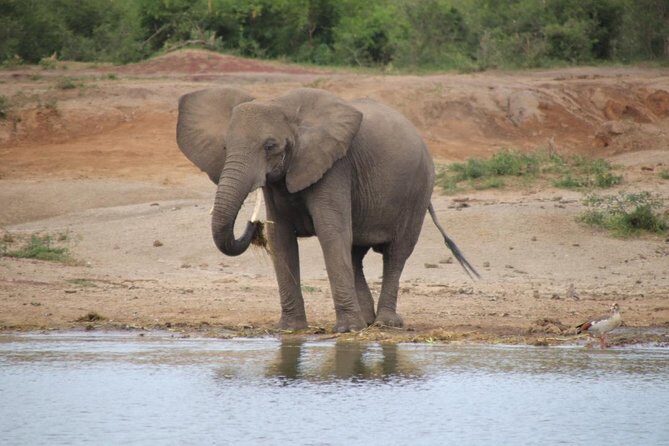
- Kazinga Channel boat cruise adds animals and birds from the water, not just from the road
- Private tour for your group means you’re not mixed into a big rotating crowd each day
The Big Picture: gorillas, chimps, and the parks that connect them
If you’re aiming for Rwanda and Uganda, this itinerary has a strong logic: it concentrates your effort where primates are actually the star. Bwindi Impenetrable Forest is where you go for mountain gorillas, while Kibale Forest National Park is where you get chimp-focused time with a habituation program. Between those two, you pass through other habitats that keep the trip from feeling like nonstop trekking.
You’re also not stuck in one type of viewing. You’ll do forest tracking on foot, savanna-style game drives, and water viewing on the Kazinga Channel. That variety matters because it keeps energy levels realistic. One day you’re listening for chimps in a gorge; another day you’re watching wildlife from a boat.
You can also read our reviews of more hiking tours in Kigali
Day 1: Kigali to Bwindi via the Cyanika land border (a long start, but an efficient one)
Your day begins with a 9:00 am start, then you drive from Kigali, Rwanda to Bwindi National Park in Uganda. The route goes through the land border at Cyanika and takes about 5 hours.
This is the day where the tour design is most about stress control. Instead of you figuring out cross-border logistics, you’re driving as part of the organized flow of the itinerary, with transfers handled by the operator. It’s also an important pacing choice: reaching Bwindi on Day 1 means you’re not scrambling for early briefing the next morning.
What to watch for: five hours of road time can make you want an early night. Don’t plan extra activities once you arrive. If you want the best chance of an easier gorilla trek morning, let your body settle before the forest.
Day 2: Bwindi gorilla trekking briefing and family assignment at the park gate
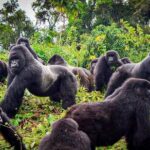
After breakfast, you go straight to the Bwindi park gate for a briefing led by the national park guide. This is the part I’d treat as more than a formality. The briefing sets expectations for what to do once you’re inside the forest and how the day’s rules work.
Then comes the key moment: you’re told which gorilla family you’ll track. That family assignment can mean the trek is shorter or longer, depending on how far the gorillas are from the start point. The trek itself can run from a few hours to many hours. Afterward, you return to your lodge for rest.
Why this is valuable: a gorilla trek isn’t just a walk in the woods. You’re entering a live system with strict movement limits. The briefing reduces confusion, helps you move safely, and makes it easier to stay focused once you’re following the team’s signs.
What to consider: your day length is partly out of your control because it depends on where the gorillas are. If you’re the type who likes rigid schedules, plan for flexibility and pack patience.
Day 3: Mgahinga golden monkey trekking, then Lake Bunyonyi for a proper unwind
In the morning, you switch gears to Mgahinga Gorilla National Park for golden monkey trekking. This walk is guided and takes about 5 hours.
The experience is described in very practical nature terms: you enter the forest and move through bamboo vegetation, plus other indigenous plants like giant lobelia. Your guide also shares context about the park’s fauna and flora, which makes the time go faster because you understand what you’re seeing.
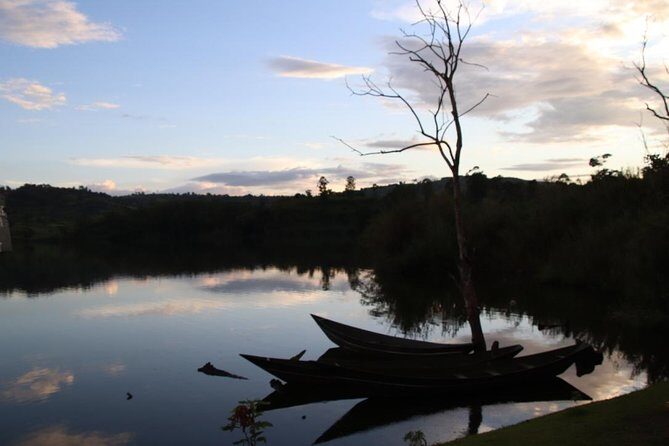
After the trek, you transfer to Lake Bunyonyi for evening relaxation.
Why I like this day’s structure: golden monkey trekking is demanding in a different way than gorillas. Gorillas are a “follow the team” moment. Golden monkeys often feel more like tracking movement through dense vegetation. Then Lake Bunyonyi gives you a change of pace. Water views and downtime help you absorb the primate intensity from the last two days.
Possible drawback: if you’re hoping for a fully easy day after gorillas, this won’t be it. It’s still a trekking day, just with a different animal and environment.
Day 4: Ishasha tree-climbing lions in Queen Elizabeth’s northern area
Today you drive from Bwindi National Park to Queen Elizabeth National Park. You make a stopover at the Ishasha sector to spot tree-climbing lions, then continue on to Katungulu in the northern Queen Elizabeth area.
This stop is there for a reason. Tree-climbing lions are a famous twist tied to Ishasha’s landscape and the way lions use trees in certain conditions. It’s not guaranteed in the way a zoo animal is guaranteed, but it’s one of those “try for it” wildlife moments that can pay off handsomely.
What to expect: you’re doing game-spotting time while you’re on the move toward the main park. That means your day is more about viewing opportunities than about one long single activity.
Consideration: if tree-climbing lions are your only goal in Queen Elizabeth, keep your expectations flexible. Your best move is to enjoy any big-cat sighting, not just the tree behavior.
A few more Kigali tours and experiences worth a look
Day 5: Kasenyi plains game drives plus Kazinga Channel boat cruise
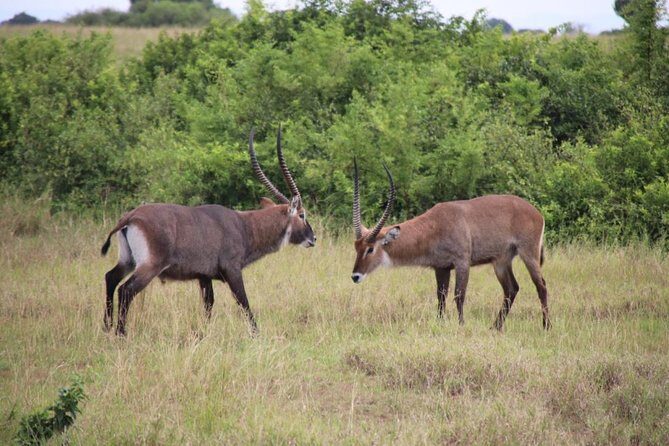
You get two separate wildlife formats today, which is one of the smartest ways to experience Queen Elizabeth.
Morning: Kasenyi plains game drives
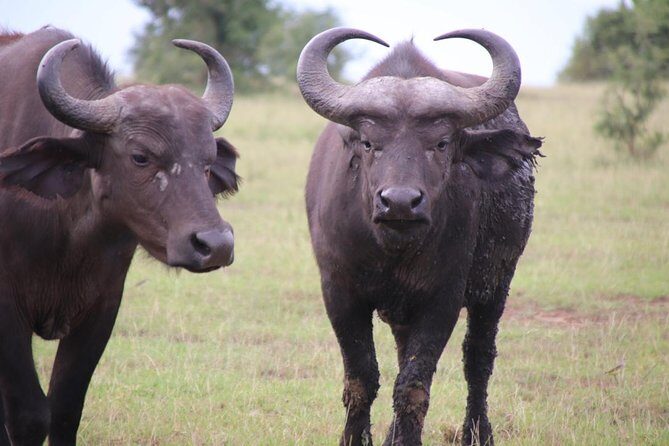
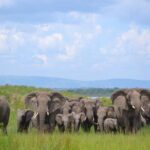
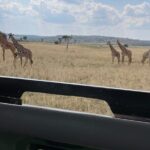
In the morning, you visit the Kasenyi plains of Queen Elizabeth National Park for game drives. The aim is to spot large wildlife, including lions, buffalo, elephants, and more.
Afternoon: Kazinga Channel boat cruise
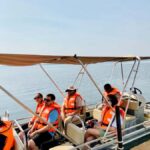
In the afternoon, you do a boat cruise on the Kazinga Channel. This is built for close encounters with animals and birds from the water, with elephants and buffalo mentioned again along with birdlife.
Why this combo works for you: road-based game drives let you scan for predators and herd movement. A boat cruise adds a different viewpoint and often a calmer rhythm, because you’re watching wildlife gather at water edges. It also changes the soundscape. The forest days are quieter and trickier; the channel day is often more “alive” and visible.
What to consider: boat cruises can mean sun, breeze, and changing temperatures. Bring what you need for weather and comfort so you can stay in viewing mode.
Day 6: Kyambura Gorge nature walk for chimps, then the crater lakes route to Kibale
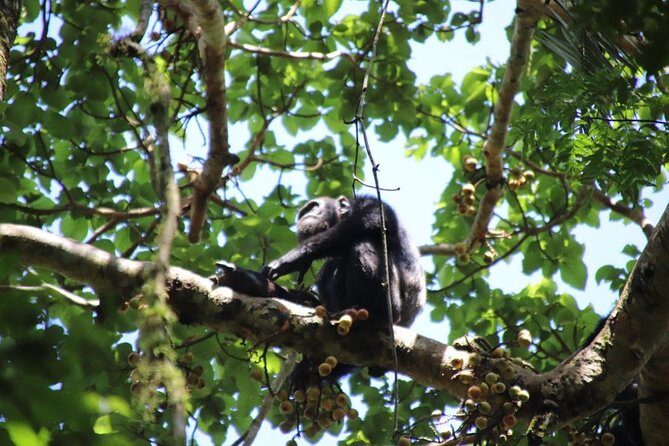
You start with a nature walk at Kyambura Gorge, which is also known for chimpanzees. After that, you drive to Kibale National Park via the Fort Portal crater lakes route.
This day is a bridge day. You’re not only traveling; you’re also getting another chance at chimp-related wildlife viewing before the main chimp habituation experience.
Why I think this matters: Kyambura Gorge helps you build familiarity with the landscape and how primates show up in these systems. It also helps you manage expectations. Even if you have a “chimp day” coming tomorrow, it’s helpful to see how signs and movement work in gorge habitat.
Possible drawback: it’s a full day on the go. You’ll want to keep your evenings low-key so you’re ready for another half-day jungle experience.
Day 7: Kibale chimp habituation experience with Uganda Wildlife Authority guidance
This is your second major primate day, and it’s specifically a chimp habituation experience. Starting in the morning at Kibale Forest National Park, you go into the jungle for a half-day program designed around how chimps are trained to get familiar with human presence.
You’re guided on the trek by Uganda Wildlife Authority staff, which is a big deal because it signals a structured, official program rather than a casual “see chimps if possible” outing. If you still have time after the trek, the itinerary notes complementary options like community walks and visiting the Bigodi swamp sanctuary.
What you’ll appreciate about habituation (vs. a standard viewing walk): you’re not just trying to catch a moment. You’re learning the logic behind the project and how the process supports conservation. It tends to make the day feel more purposeful, and it can also make you a better observer in the jungle because you know what you’re looking for.
What to consider: half-day still means time on your feet in forest conditions. Wear what you can move in comfortably, and keep your energy steady.
Day 8: the long drive to Kampala or Entebbe airport to close the loop
Your final day is a drive from Kibale National Park to Kampala or Entebbe airport, taking about 6 hours.
This is the kind of finish that’s convenient for flight plans because it gives you a clear ending point. Still, treat it as a transit day. Don’t plan “one last stop” hunting, unless your schedule is flexible and your vehicle timing is locked in.
Practical tip: if you have a flight the same day, keep some buffer. Road time is road time, even when the schedule is organized.
Value and pricing: what you’re paying for (and where it makes sense)
The price is listed at $3,674.47 per person for an 8-day experience in Rwanda and Uganda. That number can look steep until you break it into what’s actually included.
In your package, you get gorilla and chimp permits, park entry fees, guide/driver service, and transfers. You also get meals: breakfast on 7 days, lunch on 8 days, and dinner on 7 days.
So the value isn’t just “wildlife tickets.” It’s the combination of high-cost primate access plus multi-park transportation across two countries. The permits plus the guided trek structure are typically the hardest pieces to DIY without lots of coordination and risk.
Where it may feel less like a deal: because it’s private for your group, your total cost depends on group size. If you’re traveling solo or as a small party, your per-person price can be higher than a big-group option would be.
Who this trip fits best (and who should adjust expectations)
I think this tour is best for you if:
- You want both gorillas and chimps in one circuit, without juggling separate bookings.
- You’re comfortable with moderate fitness and you don’t mind that forest tracking can take longer than the shortest estimate.
- You care about real conservation work and like the structure of a habituation program, not just a quick sighting.
You might want a different option if:
- You dislike long drives and prefer fewer park hops.
- You need strictly short outings every day. This route is active, with trekking days and full travel days.
Should you book 8 Day Gorilla Trek, Wildlife Safari and Chimp Habituation?
I’d say book it if your priority is access and structure: gorilla trekking in Bwindi, chimp habituation in Kibale, and a thoughtfully mixed wildlife week that adds lions and a Kazinga boat cruise. The itinerary is built around primate prime time and keeps you moving between habitats without wasting days.
Before you commit, make sure you can handle the biggest reality check: treks can run long, and drive days are substantial. If that’s fine for you, this is a strong choice for a once-in-a-lifetime wildlife and conservation trip across Rwanda and Uganda.
FAQ
What is the tour duration and where does it start and end?
The experience runs about 8 days. It starts in Kigali, Rwanda and ends in Kampala, Uganda, or you can end at Entebbe airport. The route can also be done in reverse.
What time does the tour start?
The start time is listed as 9:00 am.
Does the price include permits and park entry fees?
Yes. The package includes gorilla and chimp permits, park entry fees, and the guide/driver and transfers.
Are meals included?
Yes. Breakfast is included for 7 days, lunch is included for 8 days, and dinner is included for 7 days.
What wildlife activities are included besides gorilla trekking?
You also get chimp habituation in Kibale Forest National Park, golden monkey trekking in Mgahinga Gorilla National Park, a tree-climbing lions stop in the Ishasha sector, and a Kazinga Channel boat cruise.
How long can the gorilla trek take?
The gorilla trek can take from a few hours to many hours, depending on how far the gorillas are inside the forest.
Do I need a moderate fitness level?
Yes. The tour notes that travelers should have a moderate physical fitness level.
Is the booking refundable?
No. The experience is non-refundable and cannot be changed for any reason.