REVIEW · KIGALI
Kigali: Traditional Kubumba Pottery Making with Local Women
Book on GetYourGuide →Operated by NuttinTODO · Bookable on GetYourGuide
Clay lessons in Rwanda feel oddly calming. In Kigali, this Kubumba pottery experience puts you at the center of traditional Rwandan making—working with local women and taking home your own souvenir, while your booking helps support community initiatives tied to NuttinTODO.
What I like most is the hands-on guidance and the way the session starts with context, not just instructions for shaping clay. You’ll learn what Kubumba means culturally before you’re expected to create something yourself, so the final pot feels connected to Rwanda, not like a generic workshop.
One possible drawback to plan for: pottery drying time. A finished-looking pot at the end of the hour may still need extra time to harden, especially in rainy weather—so you should think ahead if you’re hoping to carry it immediately.
In This Review
- Key highlights you’ll care about
- Kubumba Pottery in Kigali: What you’re making, and why it matters
- Inside the one-hour session: from cultural intro to your finished piece
- Price and value: is $30 a fair deal in Kigali?
- The studio vibe: coffee shop setting and local art around you
- Drying time and rainy-season reality: plan smarter than I did
- English, Swahili, and how the instruction style affects your results
- Best for: families, craft lovers, and Rwanda culture seekers
- Should you book Kubumba Delight in Kigali?
- FAQ
- FAQ
- How long is the Kubumba pottery making session?
- What is the price per person?
- What’s included in the workshop?
- Do I get to take my pottery home?
- Is transportation to the pottery studio included?
- Are meals and refreshments included?
- What languages are the instructors available in?
- Do I need extra time after the session for the pottery to harden?
- What is the cancellation policy?
- Can I reserve without paying right away?
Key highlights you’ll care about
- Kubumba culture first: you get the meaning and background before you start shaping clay
- Local women teach the real process: patient, practical coaching from instructors such as Mariam, with support you might meet in the studio
- A personalized souvenir: you leave with a piece you made, not just a stamped certificate
- Coffee-shop setting with art around you: the workshop happens in a pleasant spot with artwork on view
- Drying is the main variable: drying and hardening can take longer in rain, so your timing matters
- Your money supports local initiatives: your session contributes to community development through Go Rwanda Now
Kubumba Pottery in Kigali: What you’re making, and why it matters
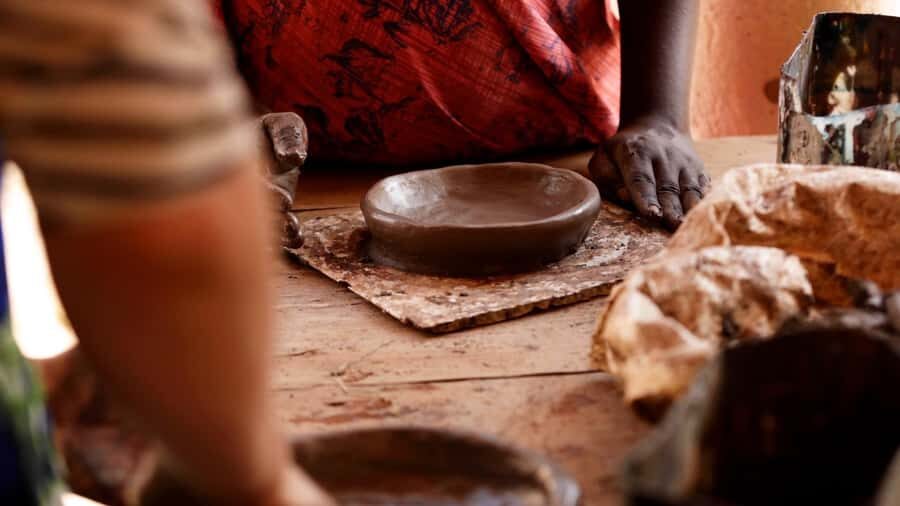
Kubumba is more than a craft project. It’s part of how Rwandans understand making, materials, and the lived traditions passed through local knowledge. This workshop is built to give you that “why” up front, so you’re not just copying shapes. You get cultural insight into the significance of Kubumba, then you translate that into action.
That matters for two reasons. First, it keeps the session from feeling like a rushed souvenir factory. Second, it helps you notice what you’re doing while your hands work—how the clay responds, how form changes with small adjustments, and how decoration ties back to style and tradition.
You’re also not doing this in isolation. The experience is guided by local artisans associated with NuttinTODO, and your booking includes a contribution to community development through Go Rwanda Now. So while you’re creating something you can take home, you’re also supporting the people running the studio and their wider efforts.
You can also read our reviews of more tours and experiences in Kigali.



Inside the one-hour session: from cultural intro to your finished piece
The workshop runs about one hour, with an instructor available in English and Swahili. In that short window, the structure is simple but effective: context, hands-on work, and a take-home outcome.
1) Warm-up with Kubumba context
You start with an introduction to Kubumba’s history and cultural importance. Even if your language skills are basic, this part gives you the mental frame. You’ll know what you’re making and what to look for as techniques get explained.
A practical note: because the session is short, you’ll get the most from the cultural intro if you treat it like a quick briefing. Ask a question if you can. Even one good question can turn the rest of the hour from “do what they say” into “I understand what I’m doing.”
2) Clay time: shaping, molding, and building form
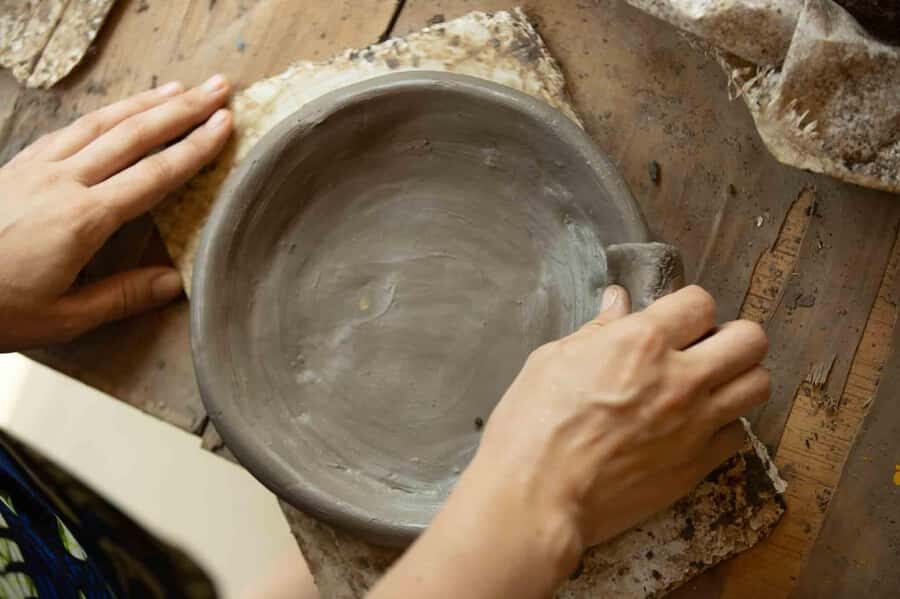
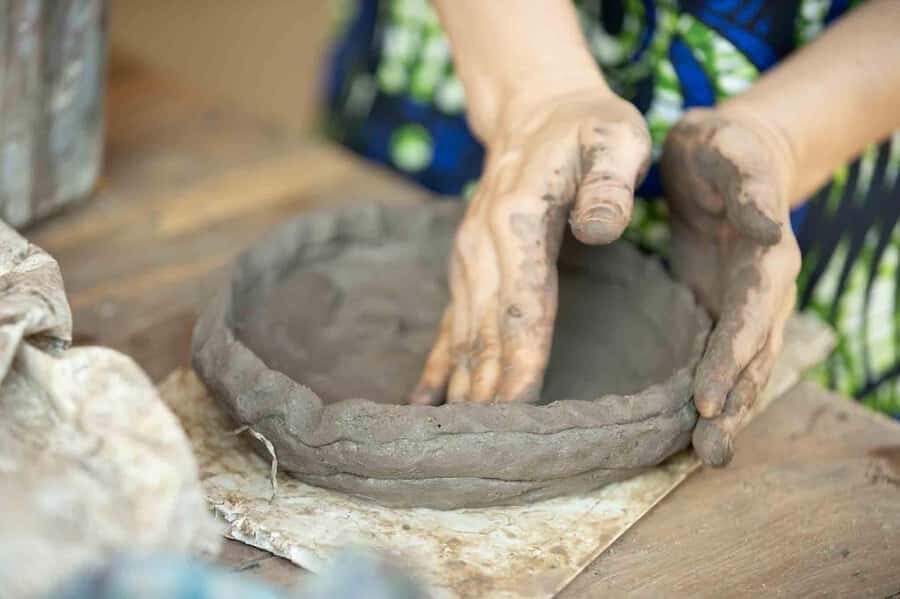
Then you roll up your sleeves and get to the core work: you shape and form your pottery using traditional methods. The workshop provides the materials, so you’re not worrying about sourcing tools or supplies. This also means the session is designed for a range of skill levels.
Don’t expect perfect symmetry on attempt one. Hand-building usually looks better after the instructor shows you how to correct small things—pressure, thickness, and where to smooth. If you keep following the guidance, your pot will gradually look more deliberate.
3) Decorating: your choices show up here
Once your basic form is in place, you’ll work on decorating. This is where your souvenir starts to feel like yours. Even within traditional techniques, there’s room for personal style, and that’s what turns a handmade item into a memory.
4) Leaving with your piece (with timing caveats)
You’ll take home a personalized pottery piece. That said, pottery hardens and cures with time, and the workshop experience includes the reality that drying can vary. If you’re traveling with limited luggage space or very tight schedules, it’s smart to plan for the possibility that your pot may need extra time to harden properly after the session ends.
Price and value: is $30 a fair deal in Kigali?
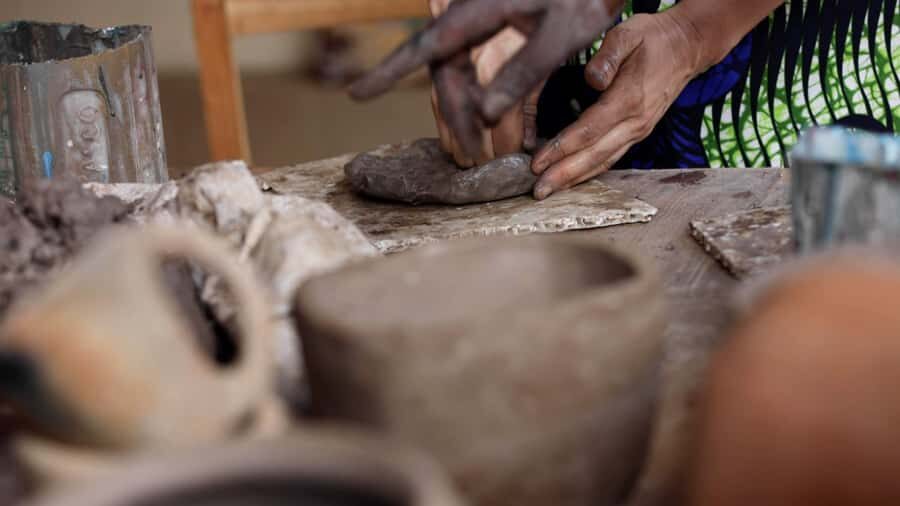
At $30 per person, this is priced like a true craft session rather than a “watch and buy” activity. The value comes from three things that are all included:
- guided teaching by local artisans
- all necessary materials
- a take-home, personalized piece
You’re paying for time, instruction, and the materials that allow you to actually make something. That’s different from many low-cost activities where you’re mainly observing and leaving with a generic souvenir.
There’s also the community angle. Your booking contributes to community development through Go Rwanda Now, tied into NuttinTODO. That matters because you’re not just buying an object—you’re supporting the studio’s work.
If you’re the type of traveler who likes hands-on experiences that produce something tangible, $30 is a reasonable spend. If you’re hoping for a long, museum-style lecture, a one-hour format might feel short. Think of it as a focused class where you leave with a piece you made yourself.
The studio vibe: coffee shop setting and local art around you
One of the nice surprises is the location feel. The workshop happens at a coffee shop, and you can enjoy a complimentary drink tied to the pottery purchase price, up to 3500 RWF. In at least one account, the coffee shop offered options like fresh smoothies and pastries, which made the morning feel like more than a quick craft stop.
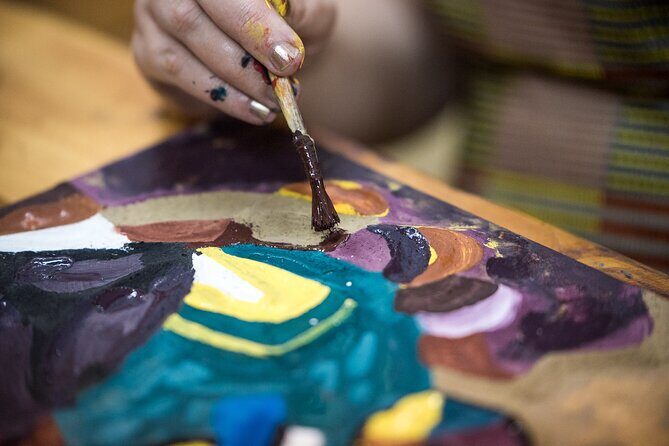
Even better, the studio area includes a gallery space with paintings from multiple artists. That means before or after you make your pottery, you can browse art without turning the activity into a rushed checklist.
This is the kind of setup I like for Kigali. It’s practical and comfortable. You get a cultural activity with a place to sit, sip, and reset your brain while your hands do the work.
Drying time and rainy-season reality: plan smarter than I did
Here’s the main practical catch: pottery needs time to harden. The session is one hour, but pottery is not instant gratification.
In some situations, you may need to leave your piece for about three days for it to harden properly. That’s not a small detail. It affects what you do next with the item—how you store it, whether you can transport it right away, and how you plan the rest of your trip.
Rainy season can make it slower. With extra moisture in the air, drying can take longer, and you might not get the result you hoped for by the time you need to move on.
So what should you do? Ask the instructor one direct question before you start decorating:
- When will it be properly hardened, and how does the studio handle drying?
If you’re on a strict schedule, this is the one question that prevents disappointment.



English, Swahili, and how the instruction style affects your results
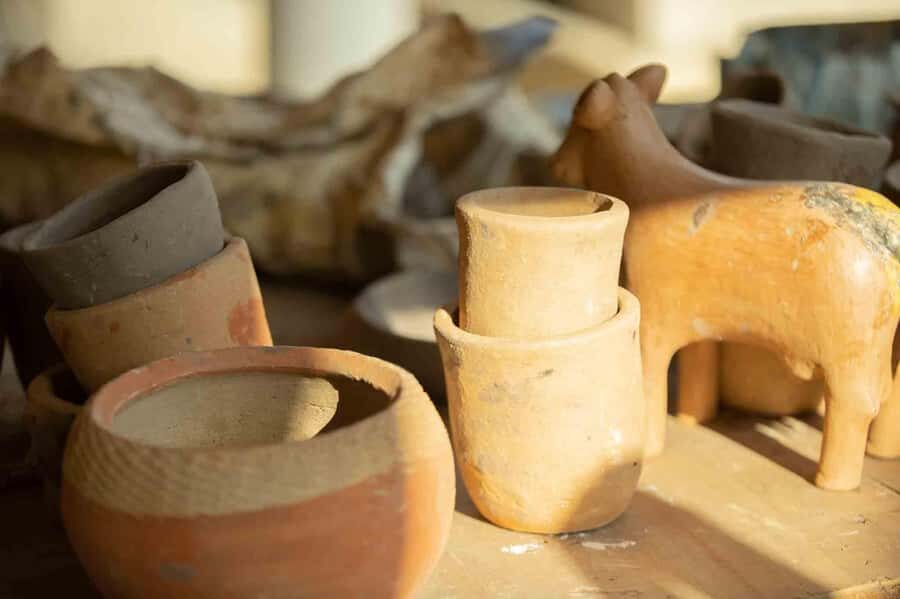
The workshop is taught by instructors speaking English and Swahili. That’s a strong point for international visitors, and it also helps families.
In one example, the teaching was especially supportive for kids. An instructor demonstrated patience and worked in a way that let children handle the clay themselves while still getting enough guidance to create a keepsake they were proud of. If you’re traveling with younger kids, this is a good sign: the activity can be age-friendly when the instructor slows down and gives clear, doable steps.
That said, instruction quality can vary session to session. In at least one account, the person supporting translation didn’t actively guide the participant, which reduced the learning feel. You can minimize this risk by speaking up early if you don’t understand a step.
If you’re worried about language, bring a simple strategy: decide on one or two goals for the hour. For example:
- learn the basic shaping steps
- practice decoration that fits the technique
You don’t need to understand every detail to create a meaningful souvenir.
Best for: families, craft lovers, and Rwanda culture seekers
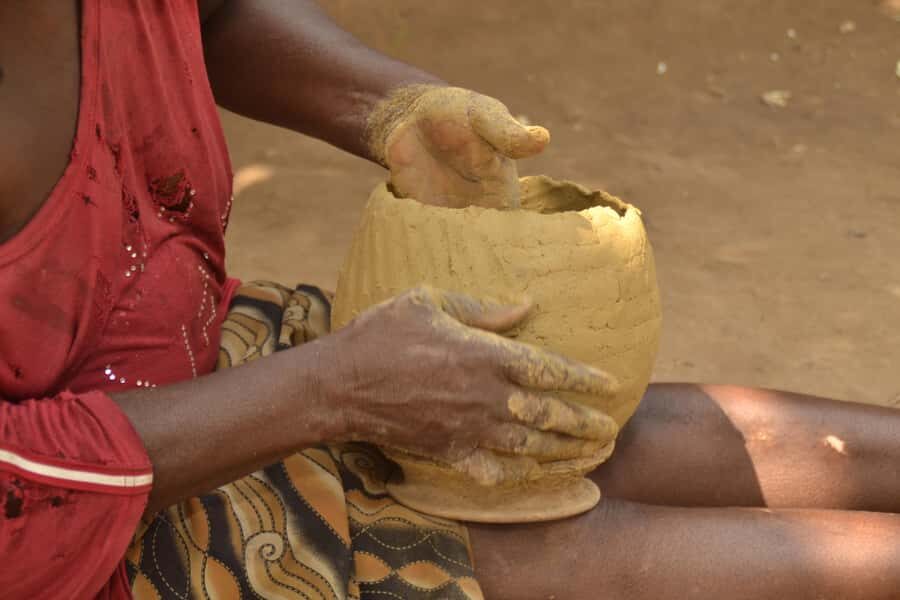
This workshop fits several types of travelers:
You should consider booking if:
- you like hands-on learning more than watching
- you want a personalized souvenir made by your own hands
- you travel with kids and want a structured activity that keeps attention
- you prefer experiences led by local artisans rather than big tours
It may be less ideal if you’re short on time and need everything finished instantly, or if you’re extremely sensitive to rainy-season scheduling and drying delays.
Also, it’s a good choice if you want something authentic and local that doesn’t require special fitness. The main effort is hands and focus, not hiking or climbing.
Should you book Kubumba Delight in Kigali?
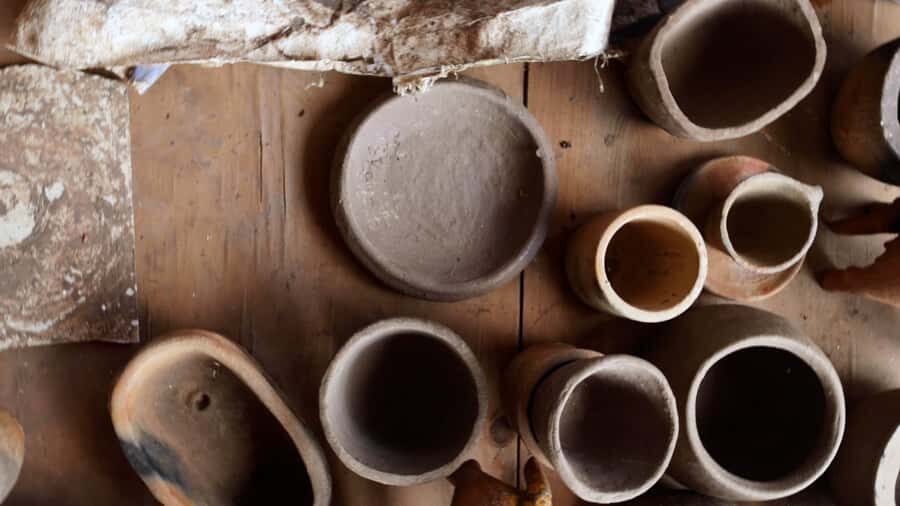
If your goal is to create a real handmade souvenir while learning the cultural meaning behind Kubumba, I’d say yes, book it—especially given the $30 price includes materials, instruction, and a take-home piece.
But book with one smart mindset: treat the hour as the making time, not the full curing time. Ask about hardening and drying before you rely on quick turnaround. If you’re traveling fast through Rwanda, that extra question can save you stress.
I also like the value blend here: you get a craft experience led by local women under NuttinTODO, and your booking supports community initiatives through Go Rwanda Now. That combination makes the workshop more than a one-off souvenir stop.
FAQ
FAQ
How long is the Kubumba pottery making session?
It lasts 1 hour.
What is the price per person?
The price is $30 per person.
What’s included in the workshop?
You get a guided Kubumba pottery session with local artisans, all necessary materials, cultural insights into the significance of Kubumba, and a personalized pottery piece to take home. Your booking also contributes to community development through Go Rwanda Now.
Do I get to take my pottery home?
Yes. The experience includes a personalized pottery piece to take home.
Is transportation to the pottery studio included?
No, transportation to and from the studio is not included.
Are meals and refreshments included?
Meals and refreshments are not listed as included.
What languages are the instructors available in?
The instructor is available in English and Swahili.
Do I need extra time after the session for the pottery to harden?
You might. One account notes needing to leave it for about three days for the pottery to harden, and rainy-season drying can take longer.
What is the cancellation policy?
Free cancellation is available up to 24 hours in advance for a full refund.
Can I reserve without paying right away?
Yes. There is a reserve now & pay later option, so you can book your spot and pay nothing today.