E-bikes make Kigali feel instantly friendly. I love the safety-first guidance from Shark, and I love how the route mixes big-city landmarks with hands-on local stops like Biryogo’s food street and Niyo Art Gallery. One thing to plan for: there’s a hill element, and while it’s doable, you’ll feel it if you’re not used to riding uphill.
What makes this tour click is that it’s not just about moving fast on an electric bike. You get breaks built into the ride, including time for breakfast, so you’re not stuck “touring” straight through. You also get a chance to see Kigali’s changing scenery—green hills, lake views, and walkable areas—without the usual planning headache.
Finally, this ride keeps things manageable. The group size tops out at 7, you’ll start near NuttinTODOKN 3 Rd, and you’ll have a mobile ticket (so you’re not juggling paper). In real life, things like local events can affect timing, and the guide’s communication matters—Shark has a track record of staying in touch when plans shift.
In This Review
- Key things to know before you ride Kigali on an e-bike
- Entering Kigali on a Smooth E-Bike From the Kigali Convention Centre
- Nyarutarama Lakeside Loop: Views, Speed, and Where the Wind Hits
- Biryogo Car-Free Food Street: Local Flavor With Fewer Headaches
- Imbuga City Walk: A Pedestrian Break for Art, Green Space, and Cafes
- Niyo Art Gallery: Culture, Craft, and a Community-Powered Mission
- Breakfast on the Route: Fueling the Ride Without Wasting Time
- Price and Time: What $39 Buys You in Kigali
- Tips for First-Time E-Bikers and Hill Climbs
- Should You Book This E-Bike City Tour With Breakfast?
- FAQ
- How long is the Kigali E-Bike City Tour with Breakfast?
- What is the price per person?
- Where does the tour start?
- Is breakfast included?
- What group size should I expect?
- What happens if the weather is poor?
Key things to know before you ride Kigali on an e-bike
- Guide Shark’s clear, calm coaching helps first-timers feel comfortable on the e-bike motor
- Small group size (up to 7) keeps the pace relaxed and the route easier to follow
- Car-free Biryogo food street stop gives you local flavors with less hassle than usual market chaos
- Niyo Art Gallery stop adds culture and a community angle, not just photo stops
- Breakfast break during the tour turns sightseeing into a real morning out, not a sprint
Entering Kigali on a Smooth E-Bike From the Kigali Convention Centre
Your morning (or half-day) starts at the Kigali Convention Centre area, one of those places that instantly tells you you’re in a modern, growing capital. Even when you’re just cruising past, it’s a good visual anchor for the ride because the building stands out, and you can use it to get your bearings fast.
Before you roll far, you’ll get set up for the bikes themselves. The big advantage of e-biking here is that you still get the “I’m out riding” feeling, but you’re not punished for Kigali’s hills. That matters for most people, including first-time electric bike users—one rider specifically mentioned it was their first time and they felt safe and comfortable with the guide.
This is also where the vibe becomes clear: you’re not grinding through traffic or worrying about directions. With a guide on Shark’s level, you can focus on the experience—watching how neighborhoods shift from downtown-style energy to greener stretches—and not on what turn comes next.
And yes, you’ll likely pass through areas with day-to-day city movement. The good news is that the tour style keeps you from feeling overwhelmed. You ride, stop, look, eat, stretch, and roll on.
You can also read our reviews of more cycling tours in Kigali

Nyarutarama Lakeside Loop: Views, Speed, and Where the Wind Hits
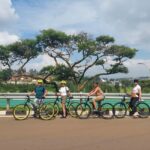
One of the most enjoyable parts of this tour is the ride along the Nyarutarama Lakeside Loop. It’s not just pretty for photos. It’s a practical change of pace: a more scenic route that feels open compared with typical city blocks.
This is also where you notice what an e-bike does for your energy. You can maintain momentum without arriving at each stop wrecked. That makes a difference when your itinerary includes both riding and short walking moments at sights and pedestrian streets.
Expect shimmering reflections when the light is right, because lakeside views naturally turn the ride into something you want to slow down for. You may even find yourself looking up more than you usually do on city transport. It’s the kind of scenery that helps you connect Kigali’s layout—how hills, water, and neighborhoods relate—without needing to study maps.
Practical tip: lakeside wind can feel stronger than you expect. If you’re new to e-bikes, keep a little extra buffer for balance and braking. You don’t need to fight the bike—just let it do its job, and keep your hands relaxed.
Biryogo Car-Free Food Street: Local Flavor With Fewer Headaches
When you hit Biryogo Car Free Food Street, the experience turns from “sightseeing ride” into “real Kigali eating.” This is a pedestrian-only stretch known for local and international street food, and it works well as a stop because it gives you options without turning the tour into a long sit-down meal.
What I like about this kind of stop is the balance. You’re not forced into a single pre-selected meal. Instead, you can choose what feels right in the moment—grilled meats, plantains, and other street staples that show up in Rwanda’s everyday food culture.
Also, car-free space changes the atmosphere. You can stroll without the usual edge-of-your-seat feeling around traffic. That matters when you’re alternating between riding and walking, because you want that breathing room for your legs.
What to watch for: street food is part fun, part sensory overload. Go slow. Take one or two items rather than trying to sample everything, especially if you still have more stops after breakfast time. You’ll enjoy it more—and you won’t feel heavy when you remount the e-bike.
If you’re the type who likes to snack while traveling (instead of committing to one big meal), this is the stop that rewards that style.
Imbuga City Walk: A Pedestrian Break for Art, Green Space, and Cafes
Imbuga City Walk gives your ride a reset. This is a pedestrian street experience—more about walking, browsing, and cooling down than about rushing.
It’s a good match for this tour’s rhythm. After eating and riding, you get a chance to stretch your legs at street level. You can also look for small green areas and places to pause, which helps you appreciate the city at human speed. The energy here feels different from the bike time: you’re present in the moment rather than moving through it.
You may also spot art and small shops along the way, which is helpful if you want to take home more than just pictures. Even if you don’t buy anything, walking through a place like this helps you understand how Kigali lives day to day—less about major monuments, more about the streets people actually use.
Practical note: if you’ve been riding for a while, keep your pace gentle here. The goal is to enjoy the break, not turn the walking stop into another workout.
Niyo Art Gallery: Culture, Craft, and a Community-Powered Mission
The ride finishes (at least for the key sightseeing portion) with Niyo Art Gallery, and this is more than a quick photo stop. Niyo is known for showcasing works from local and regional artists across styles like paintings, sculptures, and mixed media.
The practical value is that you’re spending your time in a place that supports a community mission connected to empowering artists and children. That turns “I stopped by a gallery” into something more meaningful—especially if your Rwanda trip is focused on understanding people and culture, not just architecture.
This is also an easy stop to enjoy if you’re traveling with mixed interests. If someone in your group isn’t the biggest fan of riding, the gallery gives them a calmer, indoors-and-nearby option. If you do like visual arts, it’s a chance to slow down and take a real look at the work instead of rushing through.
How long should you plan? The stop feels designed for short-to-moderate attention—enough time to explore the space and get a sense of the kinds of art being promoted. Don’t over-schedule yourself right after, though. If you enjoy galleries, you’ll likely want a little extra time here.
You can also read our reviews of more city tours in Kigali
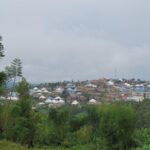


Breakfast on the Route: Fueling the Ride Without Wasting Time
Breakfast isn’t an add-on. It’s built into the structure of the tour, which is exactly how it should be for a morning e-bike plan. You’re riding enough to earn food, but not so long that you need a full restaurant meal.
In practice, you’ll break at an area tied to older-town style streets and local dining. That matters because breakfast in the center of the city feels like part of the culture, not just a tourist convenience. One rider also mentioned a stop that led them toward the genocide memorial area afterward, which suggests that the overall timing can allow for historically significant stops depending on how the day’s ride runs.
So, if you’re planning your schedule around major sights, this tour can be a strong building block. It’s active in the right way, but it doesn’t make you choose between movement and meaning.
Food-wise, expect the kind of meal that’s satisfying without making you sleepy. The goal is comfort for the rest of the ride—especially since you’ll be remounting the e-bike and continuing to other stops.
If you’re sensitive to hills, eat steadily and don’t load up too much with heavy fried items at the food street. You want steady energy, not a stomach doing its own hill climb.
Price and Time: What $39 Buys You in Kigali
At $39 per person for about 3 hours, the value here is tied to logistics and guidance. E-bikes aren’t cheap to run, and in Kigali, having a guide who knows the route and pace saves you time you’d otherwise spend figuring out where to start, how to connect areas, and what’s worth stopping for.
The group limit (up to 7) also matters for price value. A small group reduces waiting and helps the ride feel personal rather than factory-like.
One review did mention timing coming in around 2.5 hours instead of the full 3. That’s not a reason to panic, but it is something to be aware of. Tours can compress when there are local events or when a stop runs a little differently.
Still, even at a shorter end, you’re getting multiple meaningful points: modern landmarks, a lakeside route, a food street break, a pedestrian city walk, and an art gallery stop—plus breakfast built into the experience.
If your priority is seeing Kigali efficiently without burning your energy, this price structure makes sense. If you’re chasing a long, slow, photo-walk day, you might want a longer or more open-ended option.
Tips for First-Time E-Bikers and Hill Climbs
The biggest practical challenge is the hills. You’ll hear that theme because it’s real: you’re in a city built with elevation changes, and even with an electric motor, going uphill takes effort—plus good technique.
Here’s how to set yourself up:
- Use the motor for climbs rather than powering through yourself. Let the bike do the work.
- Keep your cadence steady uphill. Jerky starts waste energy.
- Give yourself extra space at stops. You’ll often arrive a bit faster downhill than you expect.
If you’re nervous, focus on comfort. One rider described how the guide made them feel safe and comfortable on their first e-bike experience, and that’s the right takeaway. This is the kind of tour where you should ask questions early about the motor and braking. You’re not expected to be a cyclist.
Also, plan for the weather. This tour requires good weather. If it’s canceled due to poor conditions, you’ll be offered a different date or a full refund, so you’re not stuck paying and hoping.
Finally, keep your morning flexible. If local conditions shift, guides need a plan for rerouting or timing. Shark’s communication is part of why the experience still feels smooth when the day changes.
Should You Book This E-Bike City Tour With Breakfast?
I think you should book it if you want an efficient, friendly introduction to Kigali that blends movement, views, food, and culture. The combo of an e-bike (for comfort and range), a small group, and planned stops like Biryogo Car Free Food Street and Niyo Art Gallery is a smart way to see more in less time.
It’s especially a good fit if:
- you’re short on time and want a guided route
- you want local food without dealing with traffic navigation
- you like a mix of city sights and arts-and-culture stops
Skip it (or consider something gentler) if hills stress you out, because even though the ride is doable, it’s not a flat promenade the whole way.
My call: if breakfast and a guided e-bike day sound like the kind of Kigali you want—active but not exhausting—this is a strong value at $39, and guide Shark is exactly the sort of person who makes a first e-bike experience feel manageable.
FAQ
How long is the Kigali E-Bike City Tour with Breakfast?
The tour lasts about 3 hours.
What is the price per person?
The price is $39.00 per person.
Where does the tour start?
The tour starts at NuttinTODOKN 3 Rd, Kigali, Rwanda, and it ends back at the meeting point.
Is breakfast included?
Yes, breakfast is included during the tour.
What group size should I expect?
This experience has a maximum of 7 travelers.
What happens if the weather is poor?
This tour requires good weather. If it’s canceled due to poor weather, you’ll be offered a different date or a full refund.