REVIEW · KIGALI
2 Days in Akagera National Park
Book on Viator →Operated by Silverbird Tours Agency · Bookable on Viator
Big game feels close here. This two-day run from Kigali mixes a private safari schedule with the best kind of variety: road driving plus a Lake Ihema boat trip where you’re looking for hippos and crocodiles. It’s built for people who want real wildlife time without endless transfers.
I like how the itinerary gives you two prime viewing windows: a night drive at 5:30pm and an early morning drive starting at 7:00am. I also like the birding angle, especially around the swamps and lakes (Lake Ihema and Lake Shakani), where you can spot species like African fish eagles and open-billed storks.
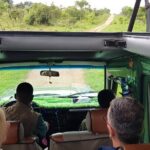
One thing to consider: the days are long and you’ll spend plenty of time seated in the vehicle—so bring patience and good sun protection. If you’re sensitive to heat and long drives, Akagera can feel like a full-on day rather than a slow stroll.
In This Review
- Key things to know before you go
- Two days in Akagera: what you’re really signing up for
- Day 1: Kayonza coffee stop, Akagera registration, and the Lake Ihema boat by 3pm
- Night game safari at 5:30pm: how to make the dark work for you
- Day 2 morning drives: south-to-north looking for herbivores, then birds at the lake edges
- Wildlife and birding highlights you’ll want to plan for (and how to stay flexible)
- Price and value: is $981.15 per person fair here?
- Packing and dressing like a pro for Akagera’s heat, sun, and bugs
- Who should book this Akagera two-day package (and who might want something else)
- FAQ
- FAQ
- Where do we meet for pickup?
- What time does the tour start?
- How long is the experience?
- Is this tour private?
- What language is the guide?
- What’s included in the price?
- Is the Lake Ihema boat ride included, and when is it?
- When does the night safari start?
- What happens during the Kayonza stop?
- What is the cancellation policy?
- Should you book this Two Days in Akagera National Park trip?
Key things to know before you go
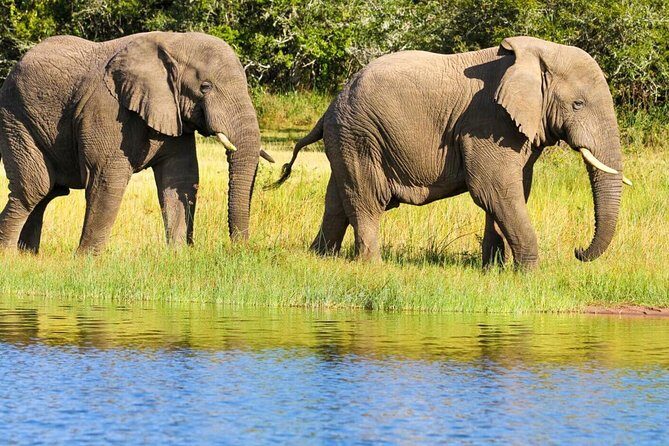
- Lake Ihema boat ride at 3:00pm (1h30): built around hippos and crocodiles, with excellent chances right on the water.
- A real wildlife schedule, not just one drive: night safari starts at 5:30pm, then you’re back on the road at 7:00am for day two.
- Kayonza break at Imigongo Coffee Shop: a short stop with a cup of coffee and a chance to stretch before the park.
- Swamp-and-lake birdwatching focus: Lake Ihema and Lake Shakani are part of the plan, with birds you can name and track.
- Guide support that matters: one guide named Justin gets praised for being friendly, helpful, and strong at spotting animals quickly.
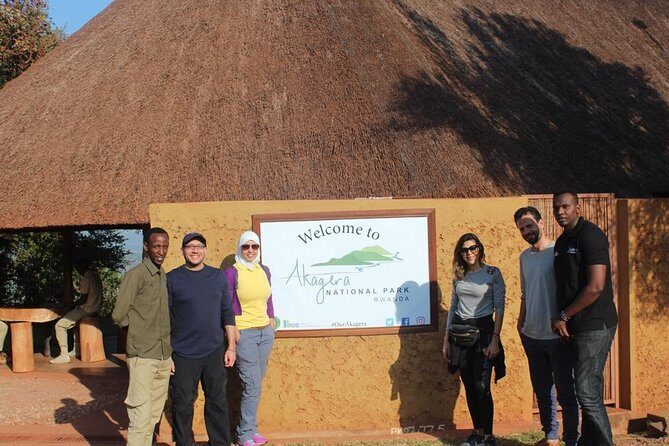
- Private tour for your group: only your group participates, and pickup starts from the Onomo Hotel in Kigali.
Two days in Akagera: what you’re really signing up for
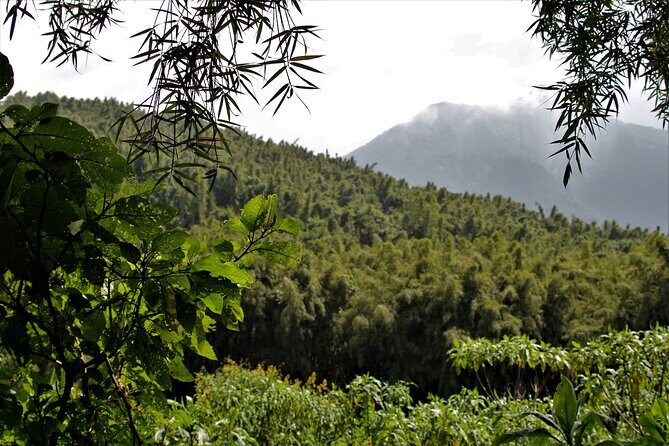
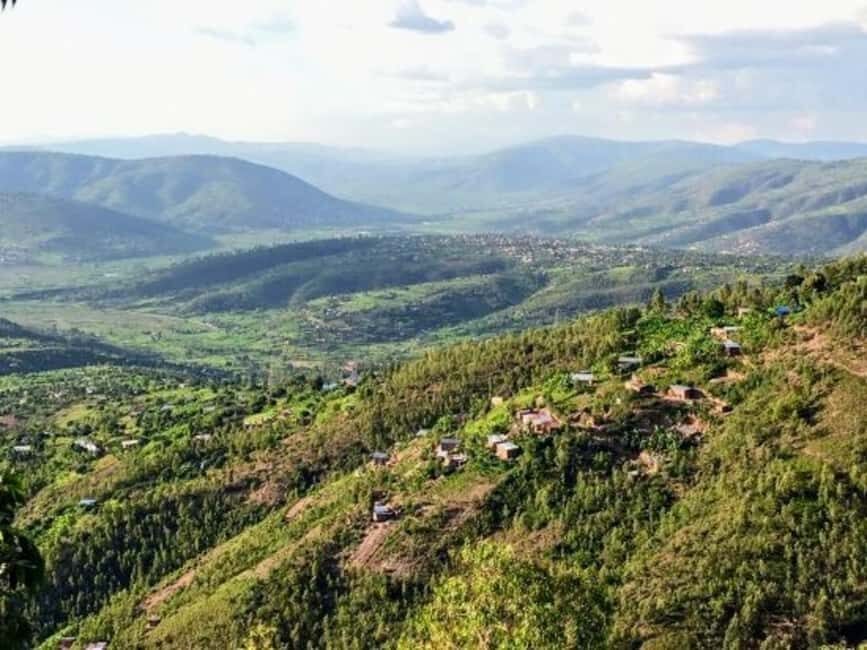
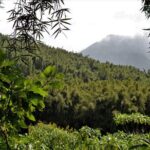
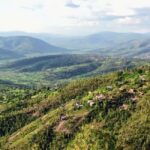
Akagera National Park sits in eastern Rwanda, stretching toward the Tanzania border. You get a mix of woodland, swamps, low mountains, and savannah, and that variety is why wildlife has multiple “homes” across the park.
This trip works well for a short stay because it doesn’t rely on just one type of viewing. You’ll do standard game drives, then switch gears for a boat ride on Lake Ihema, where water animals (hippos and crocodiles) become the main show. If you care about birds too, the itinerary is angled toward swampy areas and lake edges, where you can spot species that fit those habitats—like African fish eagles and open-billed storks.
You should also calibrate expectations. A two-day safari can be thrilling, but it’s still a short window for seeing every big species. The value here is the rhythm: enough time to look carefully at mammals, and enough structure to include birds without feeling like an add-on.
A few more Kigali tours and experiences worth a look
Day 1: Kayonza coffee stop, Akagera registration, and the Lake Ihema boat by 3pm
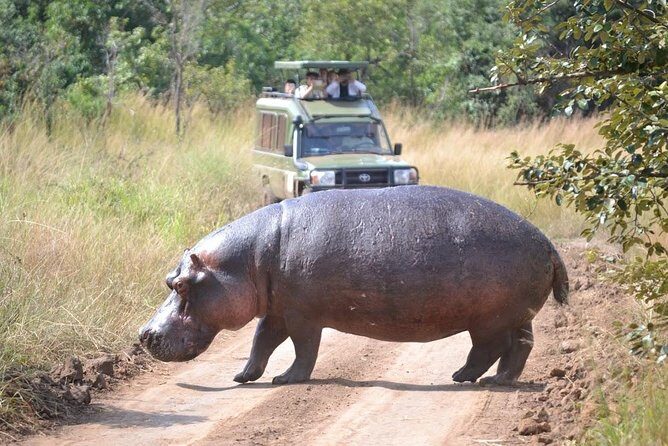
Day one starts with pickup in Kigali, meeting at Onomo Hotel on KN1 Avenue in the Kiyovu area, with a start time around 9:00am. After breakfast, you head east toward Akagera.
About 1.5 hours into the drive, you stop at the Imigongo Coffee Shop in Kayonza. The plan is straightforward: a cup of coffee, time to stretch (around 20 minutes), then back on the road. This kind of break matters. It helps you avoid that stiff, low-energy feeling that can hit after hours of driving and staring out for animals.
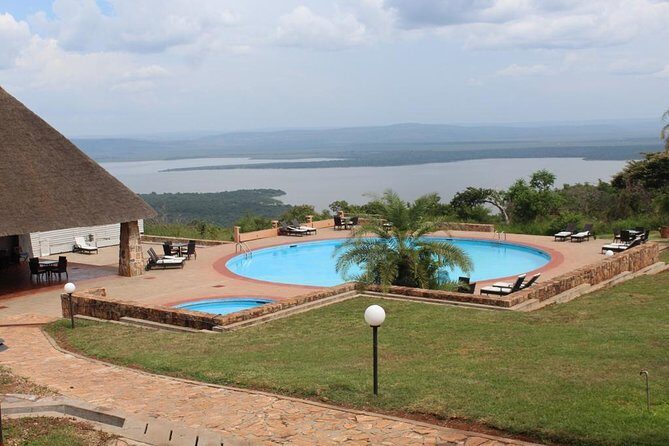
Midday you arrive at Akagera and go through park procedures at headquarters, then you transfer to the lodge area to check in. Lunch happens at the lodge (the itinerary lists lunch twice over the two days). You’ll have time to settle in before the late-afternoon highlight: the Lake Ihema boat trip.
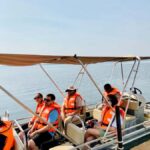
The timing is tight by design. You’re expected to be in position for the boat ride that starts around 3:00pm. The boat segment is listed as 1h30, and it’s focused on lake biodiversity and water wildlife. Hippos and crocodiles are the big targets here, and Lake Ihema is known for having major hippo concentrations in East Africa—so the odds are built in.
Practical tip: if you’re bringing a camera, keep it accessible before the boat. Once you’re on the move, you don’t want to waste time fumbling with bags.
Night game safari at 5:30pm: how to make the dark work for you
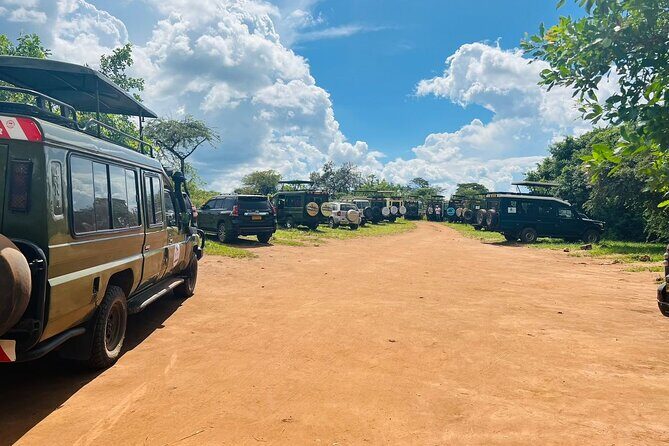
After the boat ride, you head back to the lodge area and refresh, then the night safari starts at 5:30pm. This is where a lot of safari “magic” tends to happen, not because night automatically equals success, but because animals often shift activity patterns later in the day.
This itinerary gives you a long enough block to make the night drive count. The schedule lists night game Safari starting 5:30pm every day, and day one specifically includes that evening session after the boat. That means you’re not just doing a token loop. You’re set up to watch longer and adjust as sightings come in.
I like that the plan also includes a guide who’s actively good at spotting animals. In the feedback linked to this itinerary, Justin is called out for being friendly, helpful, and especially strong at spotting animals. That’s exactly the skill you want after dark—because spotting in low light is half patience and half technique.
What you should do: keep your head up and your eyes relaxed. If you’re scanning too tensely, you miss slow movement. Also, have your clothing ready for cooler or damp air near the lake at night, even if the daytime temperatures are warm.
Day 2 morning drives: south-to-north looking for herbivores, then birds at the lake edges
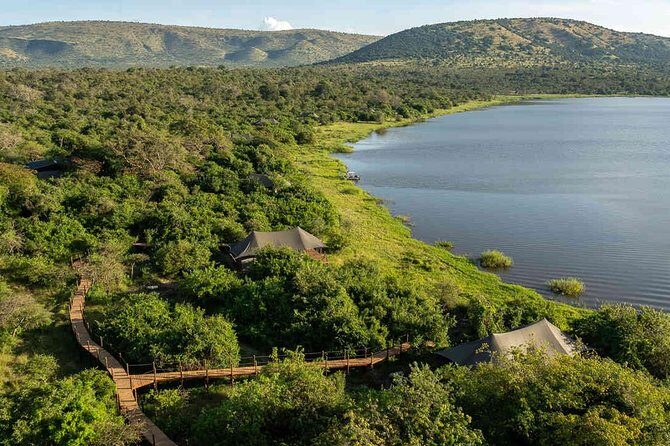
Day two begins early. After breakfast, you’re picked up around 7:00am for a full morning game drive. The itinerary describes driving from the southern part toward the northern part of the park.
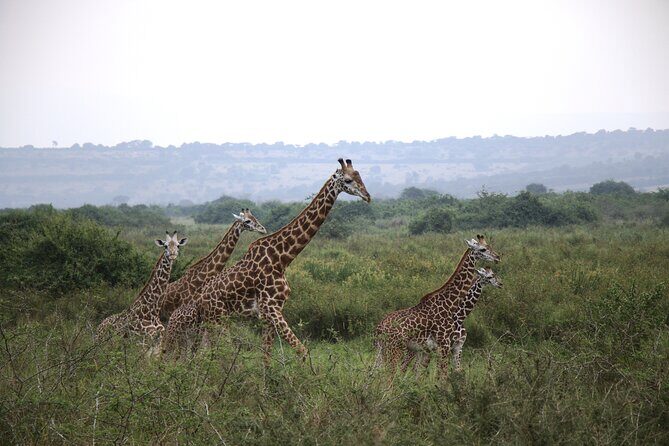
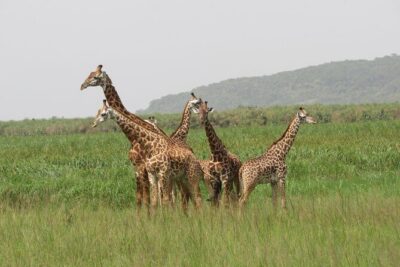
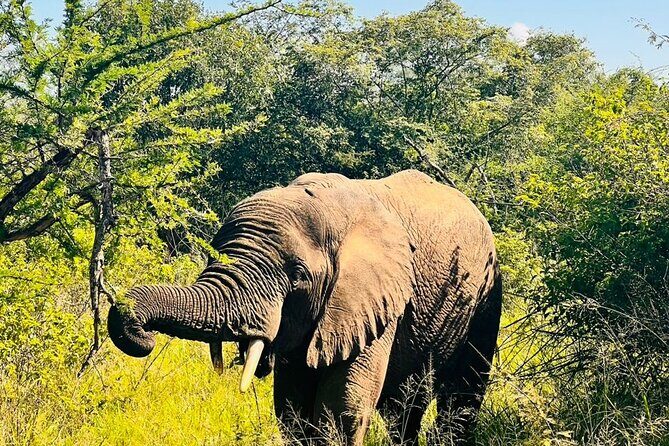
Morning drives are about angles and patience. The plan here is built around herbivores and the ecosystems that support them. You’re listed as having chances to see animals such as zebras, impalas, topis, bushbucks, elephants, rhinos, and giraffes. It’s a lineup that gives you plenty to watch even on a quieter morning—because some species show up reliably in different habitats.
Then the tour shifts the attention to birds. The schedule explicitly points to birdwatching near the swamps and lake areas, including Lake Ihema and Lake Shakani. You get the chance to look for birds like:
- African fish eagle
- open-billed stork
- egrets
- cormorants
- Senegal lapwing
- African darter
- hammerkop
- Caruthers’s cisticola
- pied crow
- black-headed weaver
- fan-tailed widow bird
I like that this isn’t just “we’ll see birds if we see them.” The itinerary names bird types you can recognize and mentally log as you scan.
Day two also ends back at the starting meeting point. The expectation is that you’ll have enough structure to enjoy the day without constantly wondering where you are in the park.
Wildlife and birding highlights you’ll want to plan for (and how to stay flexible)
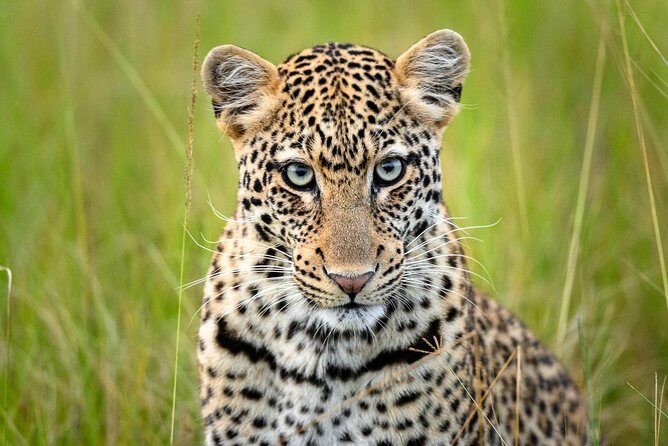
Akagera is one of those parks where the terrain diversity actually helps wildlife spotting. The overview describes everything from woodland and savannah to swamps and low mountains, and that matters because different animals use different cover.
For mammals, the park is associated with big species chances—elephants, lions, and rhinos—along with zebras and giraffes. It’s also home to the rare shoebill stork (famous in bird circles, and tied to specific wetland habitat). In a two-day window, you might not see everything, but you’re going into habitats where the odds aren’t random.
For water life, you’ve got a dedicated Lake Ihema boat trip, which turns hippos and crocodiles into practical targets rather than hoping for a lucky shoreline sighting from a vehicle. That’s a smart way to get a distinct experience in a short trip.
For birds, the best “move” is to slow down when you reach swamp edges or lake margins. Birds can be surprisingly close, but they’re also easy to miss if you’re rushing through scenery. The itinerary’s structure around lakes and swamps gives you time to look, not just pass by.
And here’s the balanced truth: safari success depends on season, time, and animal movement. This itinerary gives you multiple chances across different times of day, which is exactly how you improve your odds without adding extra days.

Price and value: is $981.15 per person fair here?
At $981.15 per person, this is not a budget safari. But it’s priced like a guided, fee-covered, two-day package with real park time and lodging included.
Here’s what’s listed as included:
- Breakfast and dinner
- Accommodation (FB)
- Lunch (2)
- All fees and taxes
- Evening boat trip on Lake Ihema
- Night game safari starting 5:30pm
- Morning game drive (day 2)
- The itinerary also includes admissions and taxes tied to stops (for example, the Kayonza coffee stop shows admission ticket free)
That matters because a lot of safari costs add up fast once you separate everything. You’re paying for the structure: pickup, guide, registration steps, lodge meals, and the two signature activities (boat + night drive).
One more thing: the tour lists group discounts. If you can travel with companions or book alongside others, your per-person cost can feel more reasonable.
Possible extra costs to remember: tips to driver/guide and porter tips are not included, and souvenirs aren’t included. Plan a little cash in your budget so you’re not stuck.
Packing and dressing like a pro for Akagera’s heat, sun, and bugs
Akagera is often warm, and the schedule gives you plenty of daylight and long vehicle time. In June, July, and August (the east of Rwanda where Akagera sits), afternoon temperatures are often around 27°C / 81°F. You’ll still want to cover up to avoid sunburn and bug bites.
The tour’s guidance is practical:
- Wear long sleeves with a safari hat
- Bring sunscreen, insect repellent, and sunglasses
- Dress in colors of nature (think browns and greens)
- Avoid strong fragrances
- Don’t wear black or blue, which can be an issue with tsetse flies and other bugs
One more safari note that’s easy to ignore until you’re out there: animals have a strong sense of smell, and the tour explicitly advises skipping perfumes and strong scents. Keep it simple. You want to blend in, not stand out for the wrong reasons.
Also, because you’ll be seated a lot, bring something comfortable for long sitting. Small comfort changes can make the difference between a good day and a great one.
Who should book this Akagera two-day package (and who might want something else)
This tour fits you best if:
- you have two days and want a full safari rhythm (boat + night + morning drives)
- you care about both mammals and birds, not just one
- you want a guided plan with meals and fees handled
- you prefer a private setup where only your group participates
It might feel less ideal if you want:
- very slow pacing or lots of walking (the plan is mostly vehicle time)
- a flexible schedule with lots of unscripted stops (this itinerary is structured, for a reason)
- maximum comfort if you dislike heat and sun (you can manage it with the recommended clothing and shade strategy)
If you’re traveling with bird IDs on your phone and a wish list of wetland species, you’ll appreciate the focus on Lake Ihema and Lake Shakani.
FAQ
FAQ
Where do we meet for pickup?
Pickup is listed from Onomo Hotel, KN1 Avenue, Quartier de Kiyovu, Kigali, Rwanda, and the tour ends back at the same meeting point.
What time does the tour start?
The start time is listed as 9:00am, with pickup around that time from the meeting point.
How long is the experience?
It’s listed as 2 days (approx.).
Is this tour private?
Yes. It’s described as private, and only your group will participate.
What language is the guide?
The guide is described as English/French speaking.
What’s included in the price?
Included items are breakfast, dinner, accommodation (FB), lunch (2), all fees and taxes, and the evening boat trip and night game safari. The itinerary also includes the full game drive.
Is the Lake Ihema boat ride included, and when is it?
Yes. The evening boat trip on Lake Ihema is included and starts at 3pm every day, with the day one boat experience listed as 1h30.
When does the night safari start?
The night game safari starts at 5:30pm every day.
What happens during the Kayonza stop?
There is a stop at Imigongo Coffee Shop for about 20 minutes, with a cup of coffee and time to stretch before continuing to the park.
What is the cancellation policy?
Cancellation is free up to 24 hours in advance of the experience start time. If you cancel less than 24 hours before, the amount paid is not refunded.
Should you book this Two Days in Akagera National Park trip?
If you want a compact safari that hits the big viewing moments—Lake Ihema by boat, a night drive, and an early morning drive—this is a strong match. The price looks high on paper, but when you factor in lodging with full board, meals, park fees, and the two main activities, it’s built like a proper package rather than a bare-bones tour.
Book it if you like structure and want wildlife and bird time in just two days. If you prefer slower travel or minimal driving, you may want a longer stay or a calmer option.