REVIEW · KIGALI
Kigali City Center Guided Walking Tour
Book on Viator →Operated by Iriza Tours & Safaris · Bookable on Viator
Kigali is best learned at walking pace. This guided stroll links daily life and hard history with stops like Imbuga City Walk, the Belgian Peacekeepers Memorial, and ending at Choose Kigali Art Gallery, all in just a couple hours. I love that the route is built around places you can actually slow down—car-free areas, shopfront sidewalks, and public spaces where people naturally gather. I also like how the guide weaves in personal perspective, not just facts, so you leave with a clearer sense of how Kigali works now. The main consideration: one stop is emotionally heavy, so plan your mental energy for the memorial before you get hungry for street snacks.
You’re paying a very reasonable $29 for a small-group walk, plus free admission at each listed stop, and it’s easy to fit into a day because it runs about 2 to 3 hours. I’ll be honest: if the weather is rough, the experience can be changed or refunded, so keep a flexible plan. Still, when conditions are good, this is one of the quickest ways to get your bearings in Rwanda’s capital without feeling like you’re copying a checklist.
In This Review
- Key highlights you’ll feel (fast)
- Getting your bearings on Kigali City Center, one car-free street at a time
- Where you start: Norrsken House Kigali and what it signals
- Stop 1: Imbuga City Walk for coffee, street art, and local pace
- Stop 2: Belgian Peacekeepers Memorial, the heavy pause that matters
- Stop 3: Biryogo car-free food street and Nyamirambo Women’s Center
- Stop 4: Choose Kigali Art Gallery for contemporary Rwanda and African art
- Price and timing: why $29 works for a 2–3 hour walk
- How the guide turns a walk into a conversation (Jeremiah and Ange)
- What to expect on foot: pacing, stops, and realistic comfort
- Who should book this Kigali City Center guided walk?
- Should you book it?
- FAQ
- How long is the Kigali City Center guided walking tour?
- How much does the tour cost?
- Is the tour price worth it since there are multiple stops?
- What is the maximum group size?
- Where does the tour start and where does it end?
- What are the main stops on the route?
- Is admission included for the stops?
- What’s included in the tour?
- Can I get a ticket on my phone?
- What if the weather is bad?
- Is there a free cancellation option?
Key highlights you’ll feel (fast)
- Imbuga City Walk for pedestrian street life, street art, and an easy coffee break
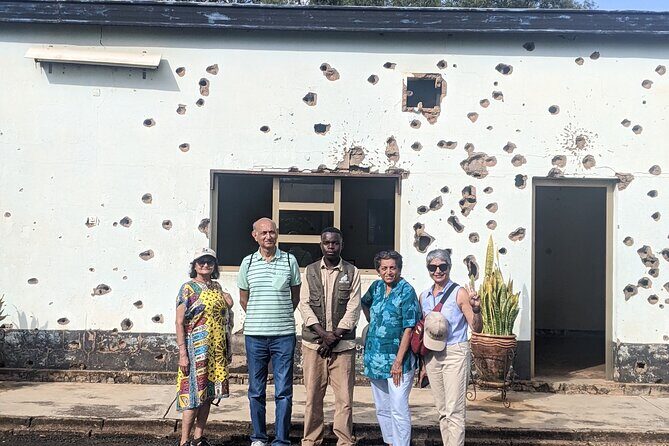
- Belgian Peacekeepers Memorial with a small museum and a preserved bullet-marked building
- Biryogo car-free food street where tea shops, grilled brochettes aromas, and murals shape the route
- Nyamirambo Women’s Center for locally made crafts and community initiatives
- Choose Kigali Art Gallery to finish on contemporary art in a calm setting
Getting your bearings on Kigali City Center, one car-free street at a time
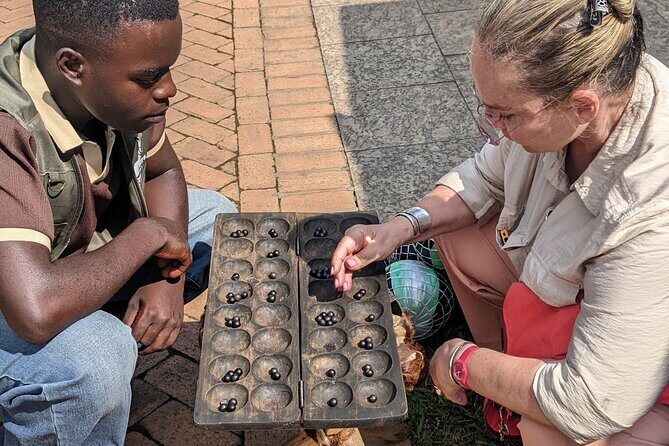
Kigali’s center has a way of making you feel oriented quickly. The city looks planned and clean, and the walking tour leans into that by routing you through areas where cars are limited or absent. That matters more than you might think. When traffic isn’t constantly threading through the sidewalks, you can actually watch what’s happening: how people move, where conversations collect, and which storefronts feel like everyday meeting points.
This is also a smart format for a short stay. With a 2 to 3 hour timeframe, you’re not trying to “see all of Kigali.” You’re learning how the city stitches together modern everyday routines with Rwanda’s national memory. The tour keeps a steady rhythm—walk, pause, walk—so you get variety without long, draining travel gaps.
Finally, the price-to-time ratio is unusually solid. You pay $29 per person, and the route includes a guide plus free admission at each stop. That means your money mostly goes toward people and experience, not ticket overhead.
You can also read our reviews of more walking tours in Kigali



Where you start: Norrsken House Kigali and what it signals

The tour starts at Norrsken House Kigali on KN 78 St. Starting there is useful because it’s a clear meeting point you can find and navigate toward. It also sets the tone: this walk moves from a recognizable hub into the city’s core neighborhoods and key landmarks.
What you should do before you go is simple. Wear comfortable shoes with grip (you’ll be on sidewalks and street edges for several segments), and bring something for basic comfort—like water and a light layer if it’s cool early. Also, plan your day so you’re not rushing afterward. The tour includes stops where you’ll naturally want a few minutes to absorb what you’re seeing, especially at the memorial.
If you like structure, this one is tidy. You begin at the meeting point, walk together to each area, and end with options for getting back—either on foot or by cab or motorcycle ride arranged by the tour team.
Stop 1: Imbuga City Walk for coffee, street art, and local pace
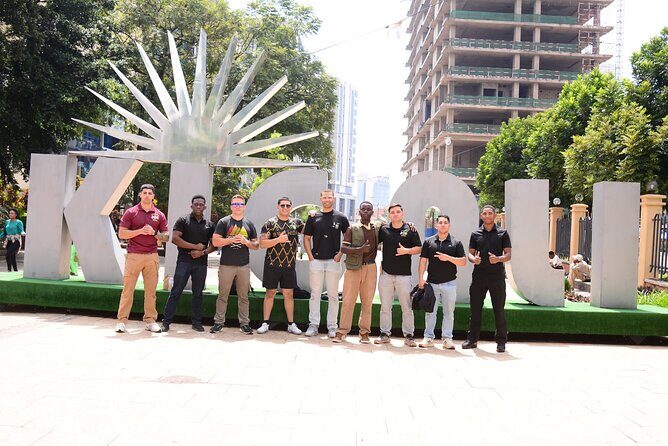
Imbuga City Walk is a pedestrian street in central Kigali. The car-free setup changes everything. Instead of negotiating traffic, you get to slow down and read the street like a living page—shops, outdoor seating, small vendors, and wall-and-street art that’s meant to be seen at human height.
This is one of the best first stops because it’s low-pressure. You’re not being asked to sit still for a museum timeline yet. You’re just getting your senses online: the soundscape, how people browse, and the rhythm of casual shopping and snacking. The tour also mentions chances to grab a cup of Rwandan coffee, which fits the vibe perfectly. If you’re new to Kigali, a coffee break early can turn the rest of the walk from sightseeing into actually feeling present.
A small practical note: this area is full of small shops and street activity, so expect a bit of foot traffic around vendor stalls. It’s still a calm street overall, but keep your phone and bag secure and don’t stop in the middle of the walkway—move to the side so others can pass.
Stop 2: Belgian Peacekeepers Memorial, the heavy pause that matters
Then the tour turns toward something you can’t “lightly skim.” At the Belgian Peacekeepers Memorial, the group pauses to reflect on the 10 Belgian soldiers who were killed at the start of the 1994 Genocide against the Tutsi. The stop includes a small museum and a preserved building marked with bullet impacts—one of those places where the setting itself does part of the teaching.
This is the emotional core of the walking tour. It’s also the part that makes the experience feel real instead of touristy. The memorial isn’t presented as a detached history lesson. You’re guided to stop and consider what the site represents and how Rwanda remembers and moves forward.
If you’re the type who processes slowly, give yourself permission to take in the details. If you’re with others, this is also a spot where conversation may get quieter—normal for a respectful visit. You don’t need to rush, and it’s okay if you step back for a moment if the topic hits hard.
Practical tip: wear a layer or bring something for comfort. Memorial stops often mean standing and reading, and Rwanda’s weather can shift during the day.
Stop 3: Biryogo car-free food street and Nyamirambo Women’s Center

After the memorial, you get a change of pace—without losing meaning. The tour heads into Biryogo, a car-free food street where people gather at outdoor tea spots and where the smell of grilled brochettes hangs in the air. Mural-covered streets bring color into the walk, and you start to see Kigali’s creative side in a street-level way, not only in galleries.
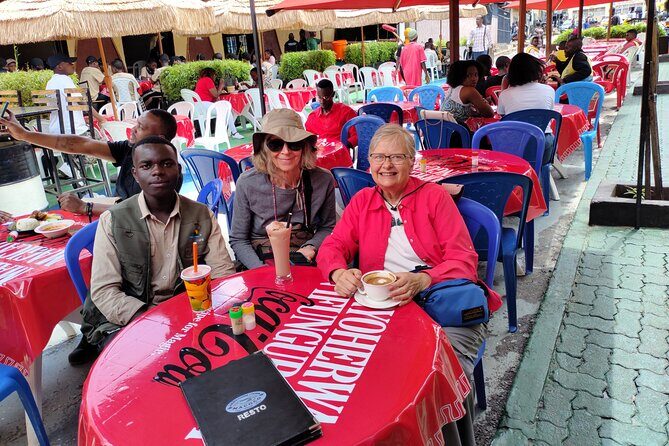
This stop is also about everyday social life. You’ll pass gathering places, snack options, and craft-related points that feel woven into daily routines. The tour mentions the chance to sip spiced Rwandan tea and also mentions fresh juice as part of the experience. Keep in mind: the tour doesn’t say meals are included, so treat food and drinks as optional purchases while you enjoy the atmosphere.
Then there’s a more community-focused turn inside this same segment: a visit to the Nyamirambo Women’s Center. Here, the emphasis shifts to locally made crafts and community initiatives. This kind of stop does two useful things for you. First, it moves beyond the idea of Kigali as only landmarks and museums. Second, it gives you a tangible way to connect—through crafts and local enterprise—after the heavier emotional stop earlier in the walk.
One drawback to consider: because Biryogo is a food street, it can feel active. If you need a super-quiet experience, you might find parts of this stop a little noisy. But if you like street scenes and people-watching, this is one of the most rewarding segments of the day.
You can also read our reviews of more guided tours in Kigali





Stop 4: Choose Kigali Art Gallery for contemporary Rwanda and African art

The tour finishes at Choose Kigali Art Gallery, which is a strong way to end. You’re no longer following a memorial storyline or a street-food flow. Instead, you shift into a calmer space where you can reflect after all the impressions of the walk.
The gallery focuses on contemporary Rwandan and African art, with paintings, sculptures, and mixed-media works. The setting is described as serene, with elegant design and lush surroundings. That combination matters. After the outdoor street segments and the emotional memorial, this is where you can reset your attention and let the day sink in.
If you’re buying nothing (totally fine), you can still get a lot out of this stop by observing how modern expression sits within Kigali’s public life. It’s a reminder that Rwanda is not only remembered through one chapter of its history. It’s also creating, producing, and exhibiting art now.
At the end, you have flexibility. The finishing point is Choose Kigali Art Gallery, and you can choose to walk back to Norrsken House Kigali or ask the team to help arrange a cab or motorcycle ride home.
Price and timing: why $29 works for a 2–3 hour walk

Let’s talk value without fancy math. At $29 per person for a 2 to 3 hour walking tour with a guide, you’re paying for time, expertise, and access to the route. Since admission is free for each listed stop, your cost isn’t inflated by entry fees.
The group size is capped at 30 people, with a mobile ticket option and group discounts. Those details matter because smaller groups usually move with fewer bottlenecks at stops, and a cap helps keep the walk from turning into a long slow line.
Also, keep timing in mind. If you’re trying to pack Kigali into a few days, this tour is a clean slot. It’s long enough to feel like you connected with the center but short enough that you’ll still have energy for dinner.
One more thing: this experience relies on decent weather. If conditions are poor, the tour may be changed or refunded. So don’t book your entire day too tightly around this one activity.
How the guide turns a walk into a conversation (Jeremiah and Ange)
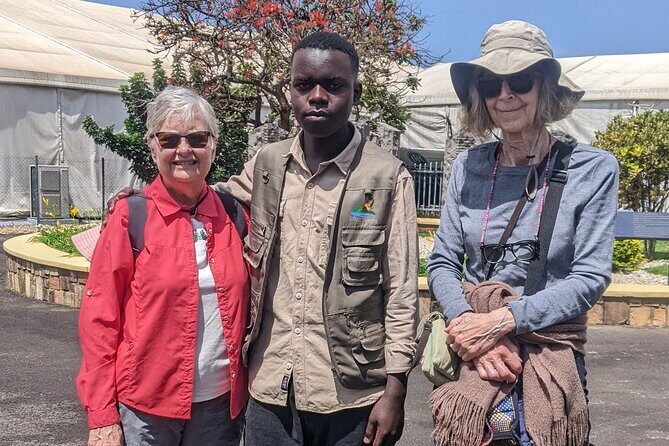
In Kigali, the guide isn’t just pointing at places. The best part of this tour is how the guide connects you to the city through real stories.
Jeremiah, often called Jeremiah or Jerry, shows up in feedback as a guide who understands Kigali from growing up there. People describe him as friendly, attentive, and good at explaining both Rwandan history and day-to-day life in a way that clicks. You’ll likely find that he doesn’t treat history like a lecture. He uses it to explain what you’re seeing now.
Another praised guide is Ange, who’s described as super friendly and able to adjust the walk to your interests. That flexibility is valuable if you want the route to lean more toward street art and crafts, or if you prefer more context around the memorial and what it represents.
A practical bonus: you’ll also hear that the guide is willing to help with getting home afterward, including finding a moto when needed. That’s not guaranteed in every situation, but it reflects that the tour team thinks beyond the walk itself.
What to expect on foot: pacing, stops, and realistic comfort
This is a guided walking tour, so you should expect continuous movement with breaks at stops. The segments are timed (about 30 minutes at Imbuga, 40 minutes at the Belgian Peacekeepers Memorial, about 1 hour in the Biryogo/nyamirambo area, and about 40 minutes at the gallery). That structure makes it easier to enjoy each moment without waiting forever.
It’s also a day that alternates between outdoor walking and indoor viewing (especially at the memorial museum and the art gallery). Bring the usual walking-day mindset: comfortable shoes, a plan for hydration, and a light buffer in your schedule.
If you’re traveling solo, this format has an advantage. The walk naturally creates conversation because you’re stopping together and reacting to what you see. Multiple people mention feeling like they gained a connection quickly. That doesn’t mean it turns into a social party—it’s more like the guide gives you the context so you don’t feel lost.
Who should book this Kigali City Center guided walk?
This tour is a good fit if you want:
- A fast, guided way to learn Kigali’s center in a few hours
- A route that includes both everyday city life and the memorial site that Rwanda is known for addressing directly
- A chance to see street art, a car-free food street, women’s crafts, and contemporary art in one continuous walk
- A guide who can add personal perspective and answer questions as you go
It’s especially suited to first-timers who don’t want to plan a day from scratch, and it works well if you prefer walking over buses or private car tours.
If you’re someone who hates emotionally heavy stops, I’d still say the memorial is important, but you’ll want to be mentally ready for a respectful, serious pause.
Should you book it?
If you’re deciding whether $29 buys you enough value, my take is yes—especially for a first pass at central Kigali. You get a structured route, free admission at each stop, and a guide who can turn landmarks into understanding. The walk also avoids the common problem of “tour stops as photos only.” Here, you’re pushed to slow down: coffee and street art at the start, a reflective memorial, community crafts in the middle, and contemporary art to close.
Book it if your ideal day includes both history and the living texture of a city. Skip it only if you know you want a purely light, entertainment-heavy walking plan. Otherwise, this is one of the most efficient ways to see Kigali with context—one step at a time.
FAQ
How long is the Kigali City Center guided walking tour?
The tour runs about 2 to 3 hours.
How much does the tour cost?
It costs $29.00 per person.
Is the tour price worth it since there are multiple stops?
The guide is included, and the tour lists free admission for each stop, so you’re paying mainly for the guided experience and time.
What is the maximum group size?
The tour has a maximum of 30 travelers.
Where does the tour start and where does it end?
It starts at Norrsken House Kigali (1 KN 78 St, Kigali, Rwanda) and finishes in Kigali after the last stop at Choose Kigali Art Gallery.
What are the main stops on the route?
The tour stops include Imbuga City Walk, the Belgian Peacekeepers Memorial, Biryogo car-free food street (including a stop at the Nyamirambo Women’s Center), and Choose Kigali Art Gallery.
Is admission included for the stops?
Admission tickets are listed as free for the stops included in the tour.
What’s included in the tour?
A tour guide is included.
Can I get a ticket on my phone?
The tour offers a mobile ticket.
What if the weather is bad?
This experience requires good weather. If canceled due to poor weather, you’ll be offered a different date or a full refund.
Is there a free cancellation option?
Free cancellation is available. You can cancel up to 24 hours in advance of the experience for a full refund.