REVIEW · GISENYI
Mount Kabuye Hiking
Book on Viator →Operated by Beyond the Gorillas Experience · Bookable on Viator
Two lakes, one solid hike. Mount Kabuye is a morning climb in Gakenke District where the payoff is big: panoramic views of Lake Burera and Lake Ruhondo plus an in-between stop that connects you to daily rural life. I like that the route is guided end-to-end by BGE, with thoughtful breaks for water, snacks, and coffee or tea along the way. You’ll also appreciate the human moments, not just the scenery—like visiting Mushubi primary school.
The main consideration is simple: it’s a real hike day. You’re looking at about 2.5 hours up and 2 hours downhill, so you’ll want decent shoes and a steady pace right from the start after breakfast.
In This Review
- Key things to know before you go
- Mount Kabuye from Gisenyi: why this hike feels different
- Your pacing plan: what the 7–8 hours really means
- Lake Burera and Lake Ruhondo: the views that set expectations
- Mushubi primary school stop: where the hike gains meaning
- Reaching the top: what you’ll look for on Kabuye
- Camping on Mount Kabuye: worth it, but only with planning
- Guide quality (BGE) is the real value multiplier
- What’s included (and what to bring anyway)
- Price and logistics: is $120 a good deal?
- Who this hike suits best
- Should you book Mount Kabuye Hiking?
- FAQ
- How long is the Mount Kabuye hike?
- How long does it take to reach the top?
- How long does the descent take?
- Where do we meet for the hike?
- Is this a private tour?
- What is included in the price?
- What is not included?
- Can I camp on top of Mount Kabuye?
- Are service animals allowed?
- Will I get confirmation after booking?
Key things to know before you go
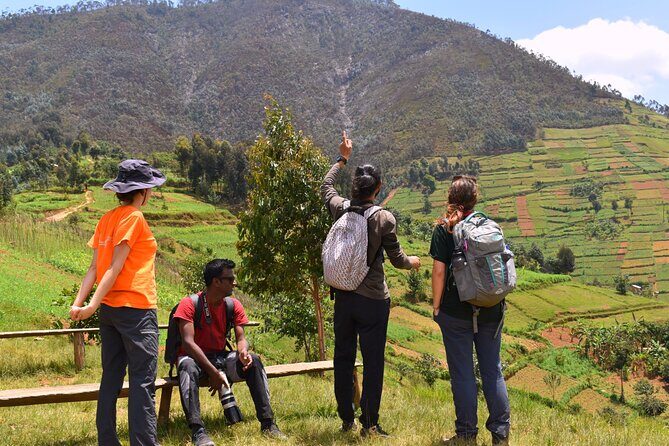
- Lake Burera and Lake Ruhondo views early: you’ll see the best scenery before you even reach the hill’s highest part.
- Mushubi primary school stop: a meaningful break that adds context to local life during the hike.
- 2.5 hours climbing, 2 hours descending: time on your feet is the real commitment here.
- BGE provides a local guide: expect guidance and explanations tied to what you’re seeing.
- Optional camping on top: plan ahead if you want to sleep near the summit.
- Price includes essentials: water, snacks, and coffee or tea, plus fees and taxes.
Mount Kabuye from Gisenyi: why this hike feels different
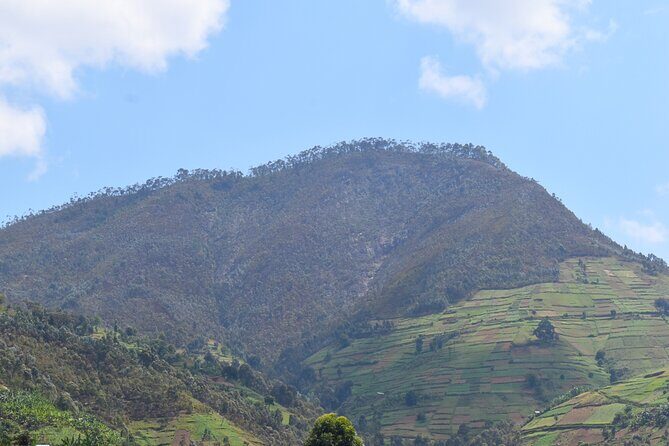
Mount Kabuye is the kind of outing that works when you want nature without going full marathon mode. The day is built around rhythm: early start, steady climb, and a slow reveal of bigger and better views. You’re not just marching to a viewpoint—you’re also getting a guided connection to how people live in the villages below.
I especially like that the day doesn’t treat the local area like a backdrop. The stop at Mushubi primary school adds a real-world pause where you can see education in action. And with a local guide from BGE, you’re more likely to understand what you’re looking at—agriculture, village routines, and how the surrounding hills shape everyday life.
The optional camping is the other reason this one stands out. One day on a mountain can be great; an overnight can turn it into a memory. If you’re the type who likes staying outside a little longer than planned, this is one of those choices.
You can also read our reviews of more hiking tours in Gisenyi
Your pacing plan: what the 7–8 hours really means
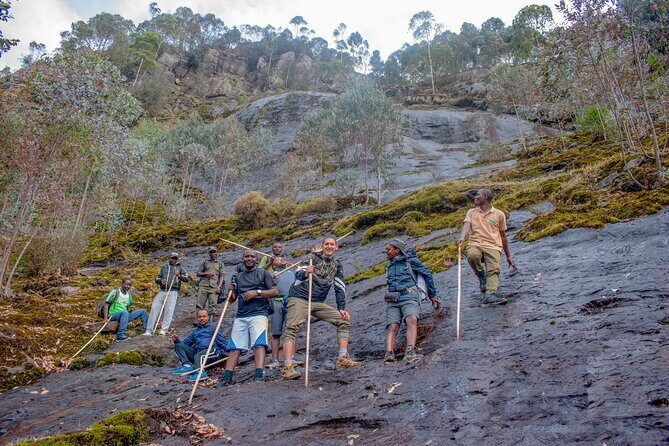
The total day runs about 7 to 8 hours, which includes hiking, a few stops, and getting in and out of the district area. The climb portion is about 2.5 hours up, then roughly 2 hours going down. That means the itinerary is designed around a steady effort rather than a sprint.
Here’s how I’d think about the pace: you don’t need to be a “serious hiker,” but you should expect a consistent uphill and a sustained walk on descent. The downhill often feels longer than it sounds because your legs do most of the work. If you’re coming from a sightseeing-only trip style, this hike will feel more physical than you expect in the first 20–30 minutes.
Practical tip: bring shoes you trust. If your feet hate you on the first hour, the rest of the day becomes negotiation. Also, dress in layers. Early morning in Rwanda can shift, and once you start climbing you’ll warm up fast.
Lake Burera and Lake Ruhondo: the views that set expectations
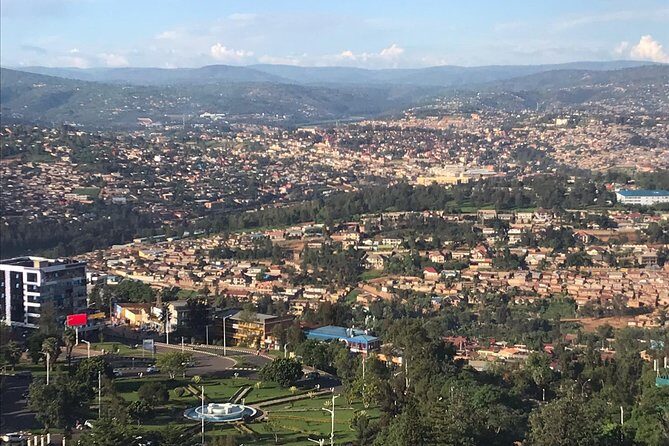
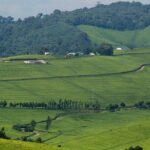
You get your first major “wow” moment at Lake Burera and Lake Ruhondo. This is the stop that frames the whole day. You’re looking at rolling hills, wide skies, and that classic East African sense that the land keeps unfolding as far as the eye can manage.
This early viewpoint matters because it helps you understand why you’re hiking at all. When you see those lakes from the route, the climb stops being a task and becomes a journey with a goal you can already feel. It’s also a good mental reset: you’re not stuck waiting until the summit for the scenery to show up.
The timing is smart too. Seeing the lakes early helps you pace your energy. If you get hit with the full effort right at the start without a reward, you can feel behind. Here, the day gives you a scenic anchor.
And yes, there’s an admission ticket included at this stage, so you’re not hunting for paperwork or paying extra to see what you came for.
Mushubi primary school stop: where the hike gains meaning
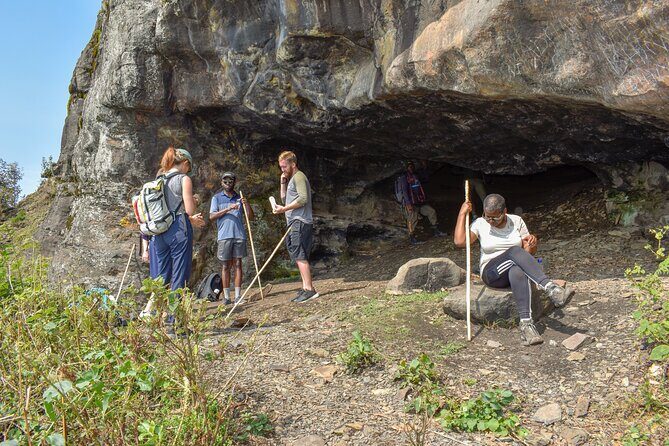
The visit to Mushubi primary school is one of those details that can easily be overlooked in a quick itinerary summary. Don’t skip it emotionally just because it’s “a stop.” This part adds context to the landscape and the people you’re passing.
A supportive guide helps here. In past experiences with this hike, guides have been the kind of people who explain local life clearly—talking about education, culture, agriculture, and how daily routines work in the surrounding villages. That turns the school stop into something more than a photo opportunity.
What you should do: approach it with respect and keep things low-key. This is not a performance moment. If you’re the type who loves learning, ask questions through your guide rather than wandering off on your own. Your local guide is there to connect dots in a way that keeps the visit respectful and useful.
Reaching the top: what you’ll look for on Kabuye
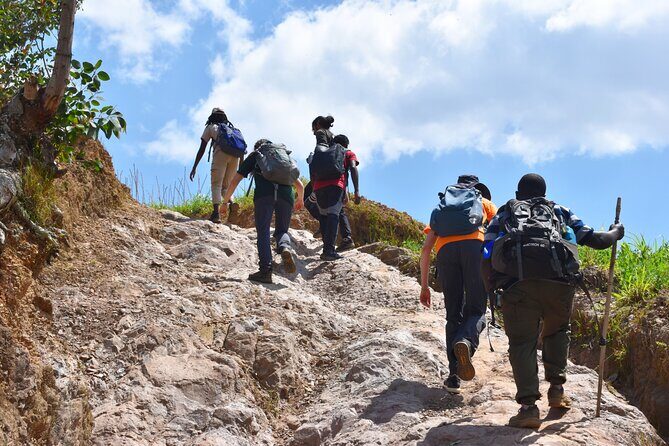
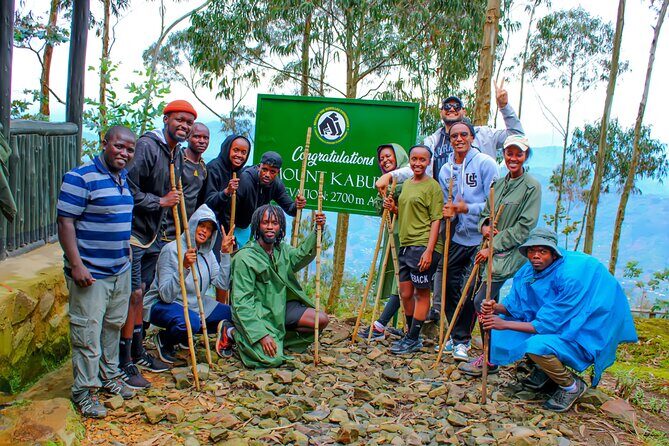
The “real top” of the hill comes after the school stop, and then the final climb finishes the story. The summit is where the panoramic payoff lands hardest: you’ll have wide views over Burera and Ruhondo lakes, with the ridgeline giving you a sense of scale.
I like that the day is designed around gradual payoff. You get lakes at the beginning. Then you get the school stop as a change of pace. Then you climb again, finishing with summit panorama. It’s a classic hiking formula, but it’s executed well here because the guide keeps the stops meaningful.
On the top, you’ll likely want to spend a bit of time just standing still. The temptation is to rush straight through because you’ve done the hard part. But that’s when the views start to sink in. Give yourself a few minutes without checking your watch.
If you’re camping, your decision changes how you experience the summit. Instead of a quick in-and-out, camping gives you the chance to settle, breathe, and enjoy the mountain in a slower way.
Camping on Mount Kabuye: worth it, but only with planning
Camping on top of Kabuye is available, and it’s one of the best ways to turn this into more than a hike. But the key word here is preparation. If you want to camp, you need to book earlier so the team has time to plan properly.
Why early planning matters: camping requires more than just putting down a bag. You want the right setup, and you want the day to run smoothly rather than feeling rushed. Since the hike is already scheduled tightly (up, down, plus stops), camping adds another layer where timing can matter.
If you’re the kind of traveler who likes proper meals rather than only snacks, you might be able to arrange meal prep for the top through the team. One experience with this program included support for having a chef prepare meals at the top. That’s a nice upgrade if you’re trying to make the summit feel like an event, not a pit stop.
If you do camp, pack for comfort as well as warmth. Even when the climb heats you up, nights at higher points can feel cooler.
Guide quality (BGE) is the real value multiplier
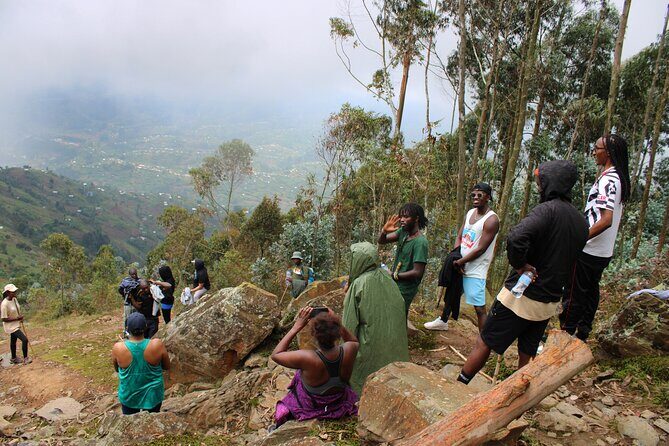
BGE guides are a core part of the experience, not just a safety blanket. I like that you’re getting a local guide who can talk about what’s around you: village life, education, culture, and agriculture. That kind of explanation changes how you read the hills and the paths.
It also shows up in how the hike feels day-to-day. Multiple experiences with this route highlighted guides as supportive—friendly, talkative, and willing to give information rather than just walking ahead in silence. Names mentioned include Theophile and Justin, and both come across as people who keep the experience organized and comfortable.
You’ll benefit most if you’re curious and you ask small questions. Even simple prompts like What do people grow here? or What’s daily life like during the week? can turn a view into understanding.
And organization matters more than you think on hikes. When the team handles snacks, water, and timing, you can focus on enjoying the climb instead of doing logistics in your head.
What’s included (and what to bring anyway)
The package includes the essentials that keep a hike enjoyable:
- Bottled water
- Snacks
- Coffee and/or tea
- All fees and taxes
- Admission ticket at the Lake Burera/Lake Ruhondo stop
Alcoholic beverages are not included, so plan to keep the day relaxed and follow the team’s approach. You can still enjoy the outdoors without turning it into a party day.
What you should bring, even with inclusions:
- Comfortable hiking shoes (this is the biggest one)
- A light rain layer or wind layer (conditions can change)
- Sunscreen and a hat (you’re out in open views)
- A small daypack to keep essentials handy
- Cash for personal items nearby, in case you want to buy something along the route (not listed as included)
Mobile ticketing is offered, which is convenient. Just make sure you have your phone charged before you meet up.
Price and logistics: is $120 a good deal?
At $120 per person, this hike is priced as a guided, full-day nature experience with real on-route support. For many people, the value is in the combination:
1) a local guide through BGE,
2) a structured day with multiple stops,
3) included water, snacks, and coffee or tea, and
4) included fees/taxes, including admission at the lake stop.
Is it expensive compared to hiking on your own? Sure, because you’re buying coordination and local expertise. But if you factor in guide time, included refreshment, and the fact that the route includes a meaningful stop at Mushubi primary school (not just a random viewpoint), the price feels reasonable.
Also, a private setup means it’s only your group. That often makes the day feel less chaotic. You can ask questions without juggling other people’s pace.
Logistics detail: the meeting point is in Gakenke District at HQ9R23+G32, Kigali – Ruhengeri Rd, Nyarutovu, Rwanda, and the hike ends back at that meeting point. The day starts early after breakfast, so you’ll want to be ready to move when the team is ready.
Who this hike suits best
This is a great fit if you want:
- a scenic day outside Rwanda’s big-name circuit
- a hike that’s active but not described as an all-day endurance battle
- local context from a guide who explains more than just the trail
- the option to take it further with camping
It may not be ideal if you’re avoiding uphill walking altogether or if your schedule can’t handle a full 7–8 hour block. Also, if you’re sensitive to uneven footing, go slow on the descent and don’t rush the last stretch.
If you’re traveling with a friend, this one also works well because the day has enough “watch this” moments to keep conversation easy: lakes, school stop, summit panorama.
Should you book Mount Kabuye Hiking?
I’d book it if you want a hike that feels purposeful, not just scenic. The best part is that the day mixes views with local life: the lakes set the mood, the school stop adds meaning, and the summit panorama is your final reward. Add a guide who can explain what you’re seeing (and guides like Theophile or Justin have a reputation for that), and the whole thing becomes smoother.
Book camping only if you’re serious about staying overnight and you can plan ahead early. If you want a quick taste of the mountain, the day hike alone will already give you a full, rewarding outing.
If your ideal Rwanda day is guided, social in a respectful way, and heavy on real scenery with a local lens, Mount Kabuye is a strong pick.
FAQ
How long is the Mount Kabuye hike?
The full experience runs about 7 to 8 hours.
How long does it take to reach the top?
It takes about 2.5 hours to reach the top.
How long does the descent take?
The downhill portion is about 2 hours.
Where do we meet for the hike?
The meeting point is Gakenke district HQ9R23+G32, Kigali – Ruhengeri Rd, Nyarutovu, Rwanda.
Is this a private tour?
Yes. It’s private, so only your group participates.
What is included in the price?
The price includes bottled water, snacks, coffee and/or tea, and all fees and taxes (including an admission ticket at the Lake Burera/Lake Ruhondo stop).
What is not included?
Alcoholic beverages are not included.
Can I camp on top of Mount Kabuye?
Camping on top is available, but you need to book earlier for better preparation.
Are service animals allowed?
Yes, service animals are allowed.
Will I get confirmation after booking?
Confirmation is received at the time of booking.