REVIEW · GISENYI
The Congo Nil Trail Hiking (Gisenyi-Kibuye)
Book on Viator →Operated by honorio tours · Bookable on Viator
A four-day hike with Lake Kivu views sounds serious. On the Congo Nil Trail you walk Rwanda’s rolling hills with a small group, stop for village time and a coffee-plantation moment, then end in Kibuye with the kind of countryside rhythm that feels real. You also get full meals and lodging, so you’re free to focus on the trail instead of logistics.
I especially like that this is built for small-group attention (max 10 travelers) and clear communication. The guide, Honoré, is praised for being easy to work with and speaking excellent English and French, plus sharing context about Rwanda beyond the path.
One consideration: this hike is described as quite intense over four days and it calls for moderate physical fitness. Add in the fact the trip depends on good weather, and you’ll want to plan like you’re going hiking, not sightseeing at a relaxed pace.
In This Review
- Key highlights worth knowing before you go
- Walking Rwanda’s countryside, the useful way
- The 4-day rhythm from Gisenyi toward Kibuye
- Lake Kivu views: when scenery feels earned
- Villages and Rwandan food: where the route turns personal
- Coffee plantation stop: a good change of pace
- Swimming during the hike: the best kind of reward
- Why Honoré and the guide matter more than you’d think
- What you get for the money: value at $179.81
- Pacing and fitness: what moderate really means here
- Pickup, small-group size, and mobile ticket basics
- What to pack for Rwanda’s four-day trail hike
- Should you book the Congo Nil Trail Hiking (Gisenyi to Kibuye)?
- FAQ
- How long is the Congo Nil Trail hike from Gisenyi to Kibuye?
- Where does the hike start and end?
- What’s included in the price?
- Is pickup offered?
- Do I need to be in very good shape?
- How big is the group?
- What happens if weather is bad?
Key highlights worth knowing before you go
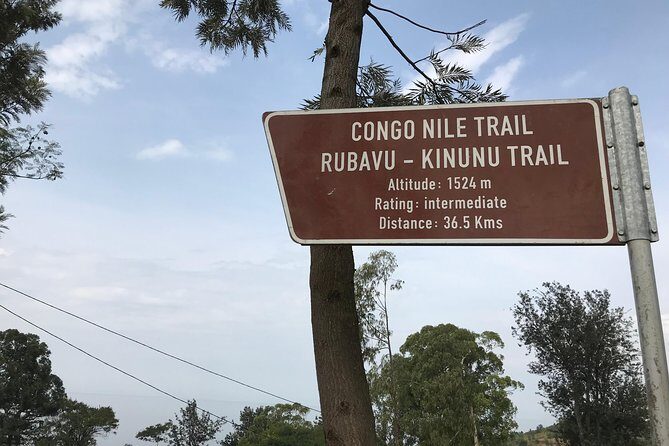
- Gisenyi to Kibuye over four days along scenic stretches with Lake Kivu views
- Small group size (up to 10) for more guide attention and a calmer pace
- Full board included (breakfast, lunch, dinner, snacks, plus accommodation)
- Coffee plantation and local village time, with Rwandan food included
- Swimming in designated beautiful spots during the hike
- Honoré’s English/French support plus local knowledge that makes stops click
Walking Rwanda’s countryside, the useful way
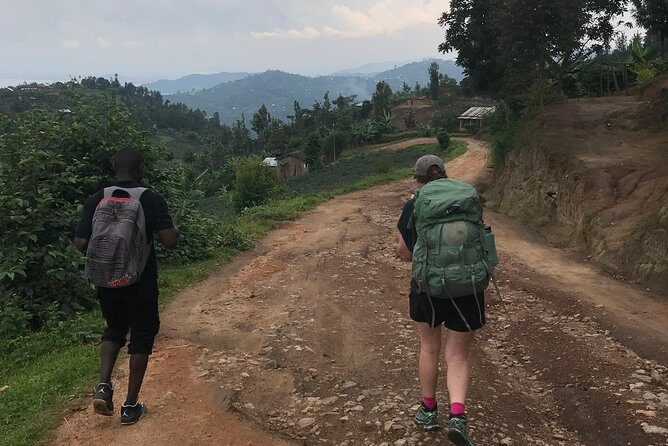
The Congo Nil Trail hike is the kind of trip that makes sense because it’s structured. You get a guide, you get a small group, and you get daily breaks that match the terrain from Gisenyi toward Kibuye. That matters in Rwanda, where you can’t always assume you’ll find everything on your own on short notice.
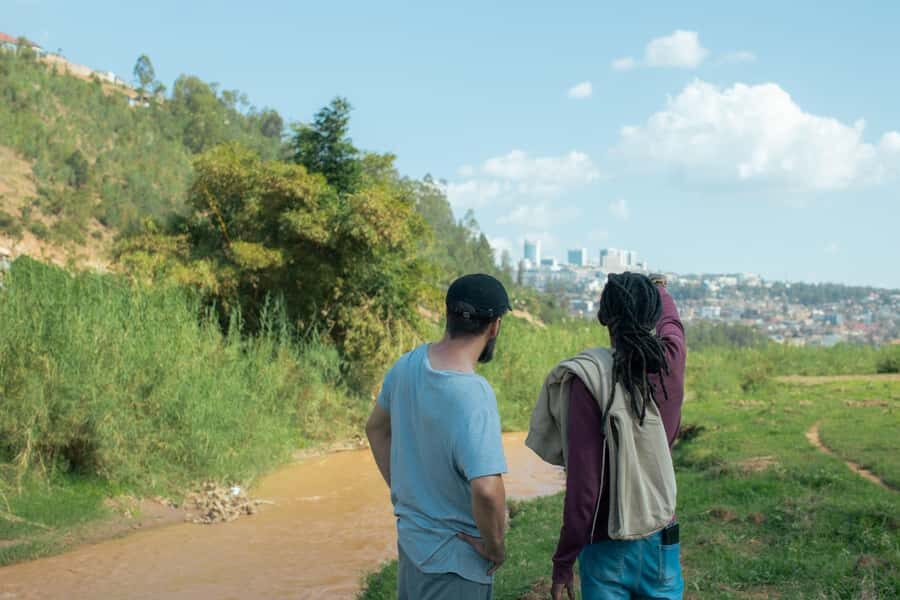
What I’d call the heart of the experience is the mix: steady walking, slow turns through village life, and repeated views toward Lake Kivu. This is not just a point-to-point shuffle. The trail vibe is more like moving through a living patchwork of hills, homes, gardens, and footpaths.
And yes, this is a hiking trip, not a museum tour. You’ll keep an eye out for local flora and fauna, and you’ll notice how often people are working the land—farms, gardens, and the everyday rhythm that makes these communities feel close rather than staged.
The small group piece is big. With a maximum of 10 travelers, the guide can actually guide your pace, answer questions, and keep you from feeling spread thin. If you’re the type who likes explanations while you walk, this setup fits.
You can also read our reviews of more hiking tours in Gisenyi
The 4-day rhythm from Gisenyi toward Kibuye
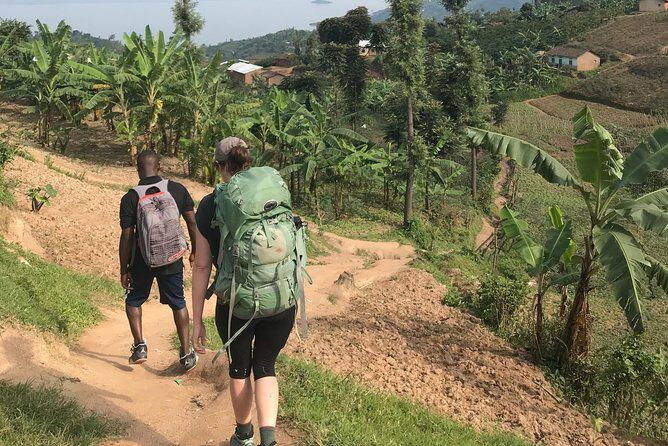
You’re looking at about four days on the trail. The “why” behind that length is simple: it gives you time to settle in. One day of hiking can feel like a demo. Four days lets the route, the sights, and even the effort become part of the story.
Across those days, you can expect:
- Hiking through rolling hills with regular scenic breaks
- Stops in villages where you can see daily life up close
- Time around food, including Rwandan dishes as part of the program
- A coffee plantation stop that adds a different texture to the hike
- Swimming in set locations, so you get a real break from trekking
- Accommodation and full board, so you’re not constantly budgeting meals or hunting for beds
One practical benefit of full board: you spend less mental energy. You don’t have to ask where you’ll eat, what time you need to arrive, or whether dinner is reliable. When hiking is the main activity, reducing decision fatigue helps a lot.
Lake Kivu views: when scenery feels earned
Lake Kivu is the kind of landscape feature you notice more than once. As you move along the trail, the water shows up in stretches where you can see farther and breathe easier. Even if the day is warm, those viewpoints give you a mental reset.
I like that the trip is designed around repeated “look up and take it in” moments rather than a single photo stop. That makes the views feel earned. The trail spends time on walking, so when you reach an overlook—or arrive near the lake—you feel the difference.
Also, views are not a one-size-fits-all thing. If you’re the type who enjoys small details—changing light, textures in fields, and the way the hills fold—you’ll find plenty to notice without needing to rush.
Villages and Rwandan food: where the route turns personal
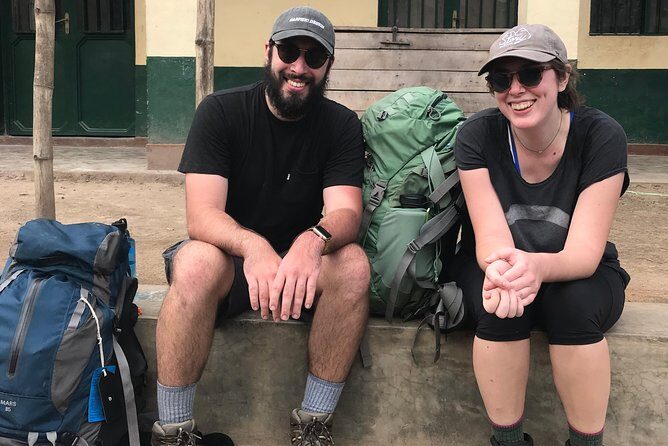
A hiking trip can become one-note fast. Here, village time helps break up the trail with human scale.
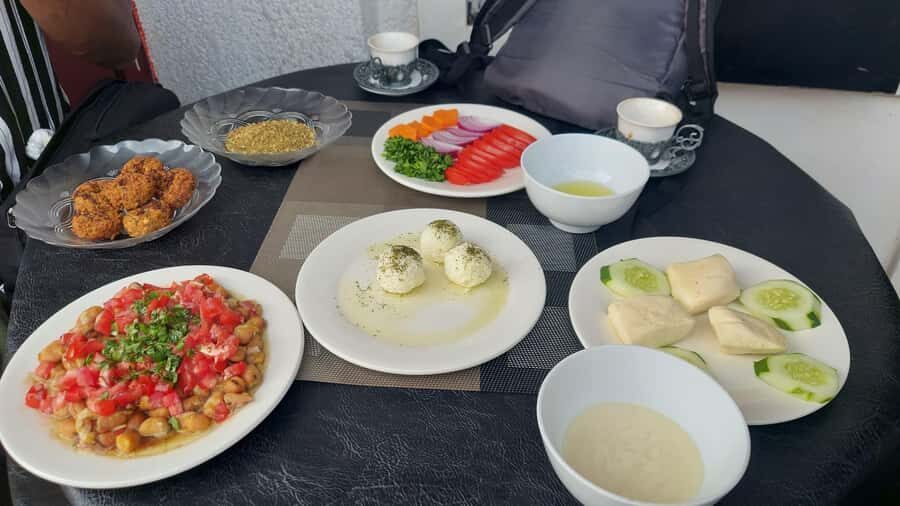
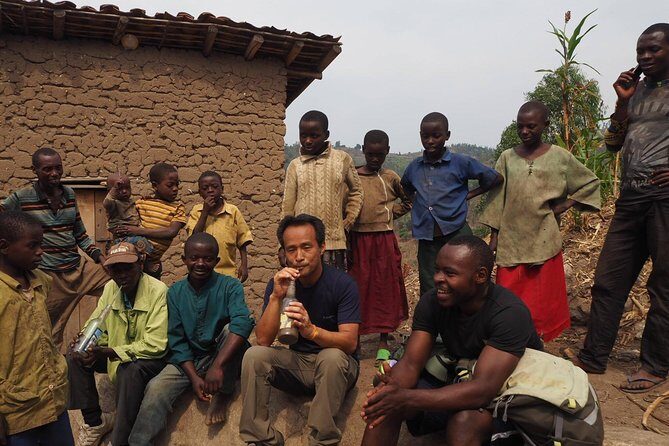
You’re set for local village visits, and the tour includes sampling Rwandan food. That’s valuable because it connects what you see (homes, farms, hands-on work) with what people actually do daily. Food also creates a natural moment to slow down and ask questions.
You’ll also learn to expect the vibe of a community-based outing: people are busy, life continues, and your presence is just one more factor in a normal day. That can feel surprisingly grounded, especially if you’re used to tours that only stop for a quick look.
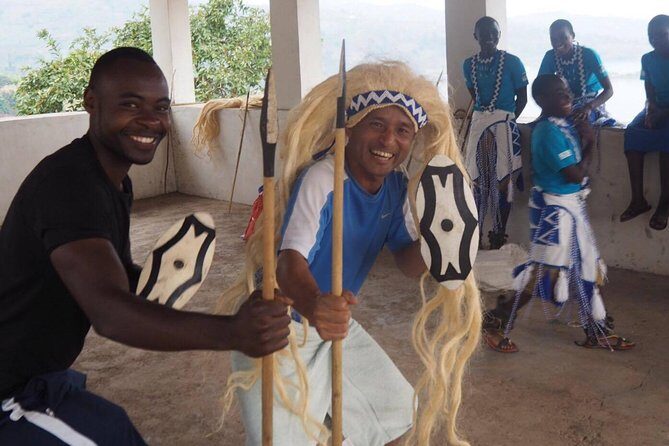
One small drawback to keep in mind: the trip does include traditional dances as a concept in the experience description, but they’re not included. If cultural performances are your top priority, you might want to plan something separate for that.
Coffee plantation stop: a good change of pace
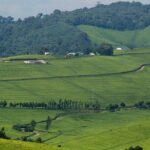
Some hikes fill your day with checkpoints. This one adds variety by including a coffee plantation moment. Coffee is a natural fit here: it links Rwanda’s hillside farming to something people around the world already understand.
Why I think this works on a hiking itinerary: it gives you a land-based break from just walking. You’re not only working the legs—you’re learning how people manage the terrain and plants that thrive in it. Even if you’re not a coffee expert, a plantation stop tends to make the countryside feel more connected.
If you like practical travel—learning what you’re looking at while you’re actually seeing it—this part earns its place.


Swimming during the hike: the best kind of reward
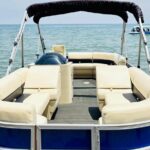
At some point during these four days, you get to swim. That’s a big deal on a trail itinerary because it turns a physically demanding day into something with a clean reset.
Just treat it like a real swim stop, not an afterthought. Bring what you need to be comfortable:
- a swimsuit you can hike in later (or at least change into)
- a way to keep your stuff dry
- a quick-dry towel if you have room
The other smart angle: swimming spots often mean a little extra time waiting, changing, and settling back into the hike pace. If you’re worried about keeping energy levels, plan to treat swimming as part of the schedule, not a bonus you squeeze in whenever.
And since the tour depends on good weather, swimming day can be affected if conditions change. If the sky turns, the operator may adjust—so keep a flexible mindset.
Why Honoré and the guide matter more than you’d think
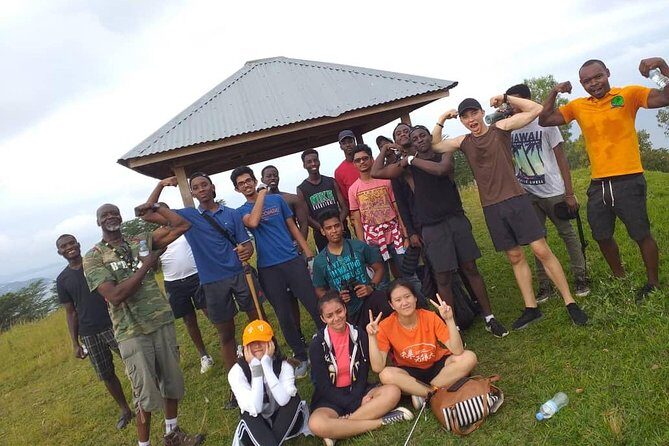
In a small group hike, the guide is your translator, your safety net, and your context provider all at once. Here, the guide Honoré is repeatedly singled out for making the trip easy to understand—especially thanks to English and French.
That matters if you like asking questions. You’ll have an easier time learning how things work in Rwanda—history and country context, not just facts about the trail. It also makes village stops smoother because you’re not standing there guessing.
I also like that the tour is capped at 10 travelers. Bigger groups can mean you’re herded along like cargo. With fewer people, it’s easier for the guide to keep everyone together without feeling rushed.
What you get for the money: value at $179.81
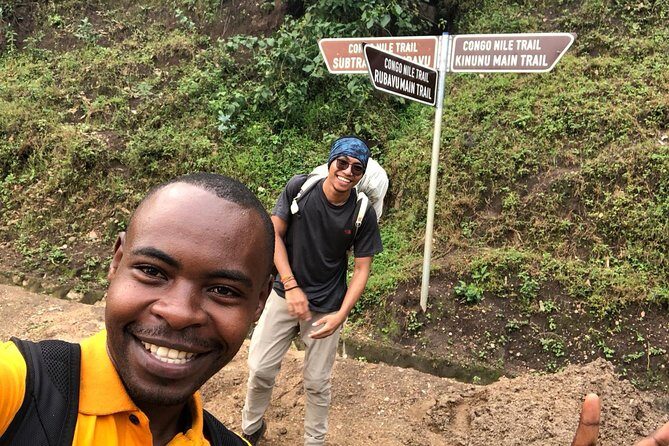
The price is $179.81 per person for roughly four days, with accommodation and full board included. That’s the core value story.
Here’s what your money is covering, based on what’s included:
- breakfast, lunch, and dinner
- snacks along the way
- accommodation
- a guided experience with local stops
- pickup offered (for the tour setup you choose)
- mobile ticket use
When you compare hiking trips that require you to arrange your own meals and lodging, the “hidden costs” add up fast. This package approach is why the price can feel reasonable even if it looks steep compared with a casual day hike.
Also, full board changes your decision-making. You don’t constantly wonder whether you’ll have food at the right time, and you’re less likely to start the day underfed. For longer hikes, that’s not just comfort—it’s performance.
Pacing and fitness: what moderate really means here
The tour is listed for travelers with moderate physical fitness. A review described the four days as quite intense, so I’d take that seriously.
Moderate fitness isn’t about being an athlete. It’s about handling:
- sustained walking on uneven ground
- uphill and down-hill sections
- a schedule where you keep moving across consecutive days
If you’re coming off a sedentary stretch, give yourself a short warm-up before you go. Even a few weeks of regular walking will pay off, because leg fatigue compounds over day three and four.
One more thing: the hike depends on good weather. That can change the day’s feel quickly—muddy paths are harder than dry ones. If you’re easily thrown off by rough conditions, you’ll want to bring steady boots and plan for slower moments.
Pickup, small-group size, and mobile ticket basics
Pickup is offered, and the experience uses a mobile ticket. Confirmation is received at booking time. Service animals are allowed, and the tour is near public transportation, which can help if you’re not staying right where the hike starts.
These details matter because hiking plans fall apart when you’re left guessing about schedules. When pickup is offered and you get a mobile ticket, the odds of last-minute confusion drop—especially in a multi-day format.
And again, the cap of 10 travelers keeps the group dynamic comfortable. You’ll spend more time talking with your guide and less time waiting for the line to move.
What to pack for Rwanda’s four-day trail hike
You don’t need to overthink gear, but you do need the basics. Rwanda hiking can mean hot sun, cooler mornings, and trails that don’t always look like they do on a paved path.
Plan on:
- sturdy hiking shoes with real grip
- a light rain layer (since weather can affect the route)
- sun protection (hat, sunscreen)
- a day bag for water and snacks
- a swimsuit and dry-change setup for swim time
- any personal meds you rely on for longer hikes
I’d also bring a small zip bag for electronics and documents. Even if things stay dry, water and humidity are part of the reality near lakes and in villages.
If you’re sensitive to altitude or have breathing concerns, you’ll want to check with a medical professional before going. The tour data doesn’t mention altitude specifics, so it’s smart to decide based on your own health.
Should you book the Congo Nil Trail Hiking (Gisenyi to Kibuye)?
Book it if you want:
- a guided four-day hike with real countryside immersion
- Lake Kivu views built into the walking rhythm
- village visits and local food without extra searching
- swimming as a scheduled break
- a small group and a guide who explains what you’re seeing (Honoré, English/French)
Skip it or think twice if:
- you’re looking for an easy stroll with no intensity
- you strongly want traditional dances included in the tour package (they’re not included)
- you hate itinerary changes tied to weather
For most hikers with moderate fitness, this is good value because full board and accommodation are included. The trail-to-community-to-coffee-to-lake mix makes it more than a long walk. You’ll come away tired, sure—but also with a clearer sense of how people live and work along Rwanda’s hills.
FAQ
How long is the Congo Nil Trail hike from Gisenyi to Kibuye?
It runs for about four days.
Where does the hike start and end?
It starts in Gisenyi and walks to Kibuye.
What’s included in the price?
Breakfast, snacks, lunch, dinner, and accommodation are included.
Is pickup offered?
Yes, pickup is offered.
Do I need to be in very good shape?
No, it’s for travelers with moderate physical fitness, but the hike can still be intense over four days.
How big is the group?
The tour has a maximum of 10 travelers.
What happens if weather is bad?
The experience requires good weather. If it’s canceled due to poor weather, you’ll be offered a different date or a full refund.