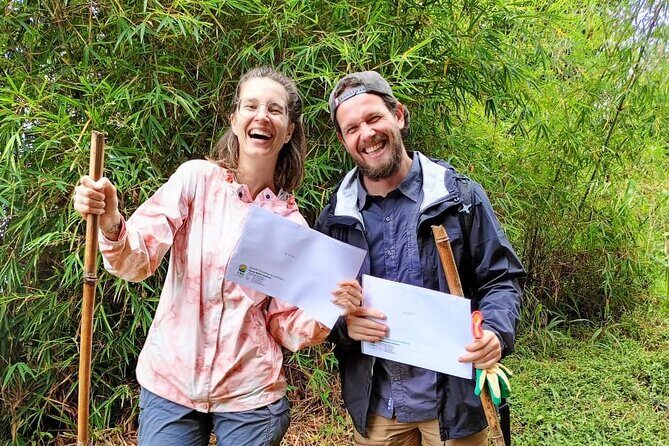
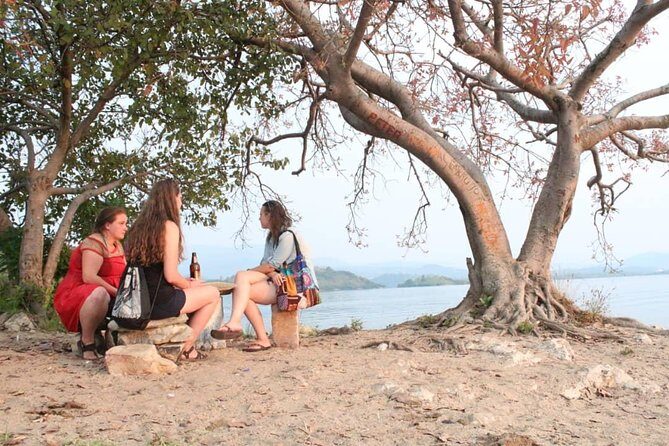
A day in Gisenyi comes with real human stories. I like the private pace with your own guide, and I like how the day mixes Rwandan and Congolese culture with WWII history and wildlife. One thing to weigh: this is a full day that includes a hike on Mount Rubavu, and the experience requires good weather.
You’ll start at Lake Kivu Serena Hotel/Gisenyi and loop back there, with lunch included so you are not hunting for food mid-hike. The tour also includes big local context, like the busiest border in Africa where more than 54,000 people cross every day—a reminder that geography here is never just scenery.
In This Review
- Key Highlights You’ll Notice Fast
- Where Gisenyi Fits Into the Bigger Picture
- Price and What You Actually Get for $79.17
- Meeting at Lake Kivu Serena Hotel: The Day’s Starting Point
- The Busiest Border in Africa: More Than a Photo Stop
- Culture Center and Traditional Dances: Why This Part Matters
- Home of Bats: The Wildlife Stop That Breaks Up the Day
- Mount Rubavu Hike: The Rib of Rwanda and WWII Stories
- Lunch Included: Eat Smart, Keep Energy
- Your Guide Experience: Honorio Tours and the Storyteller Advantage
- Who This Tour Suits Best (And Who Should Rethink It)
- Practical Notes Before You Go
- So Should You Book This Gisenyi City Tour?
- FAQ
- How long is the Gisenyi city tour?
- What is the price per person?
- Is the tour private?
- What does the tour include?
- Is private transportation included?
- Where does the tour start and end?
- What stops are part of the experience?
- What’s the cancellation policy?
- Does the tour depend on weather?
Key Highlights You’ll Notice Fast
- Private guided storytelling that turns stops into connected scenes, not checkboxes
- Traditional dances at a culture center, linking daily life with the region’s mixed heritage
- Home of bats for a wildlife moment you can’t get in most city strolls
- Mount Rubavu hike on the Rib of Rwanda, plus WWII context involving Belgium and Germany
- Busiest-border perspective with the scale of daily crossings front and center
Where Gisenyi Fits Into the Bigger Picture
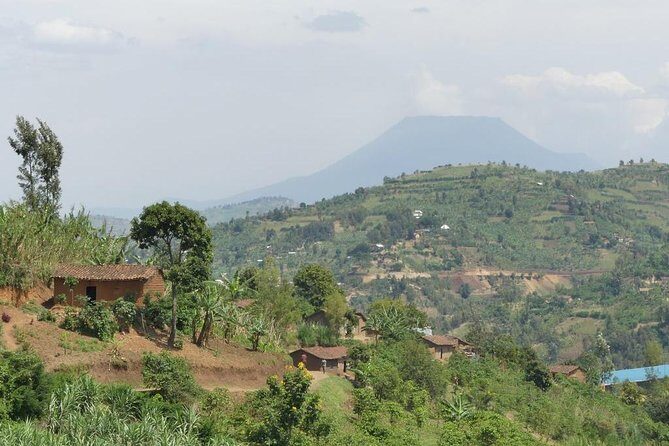
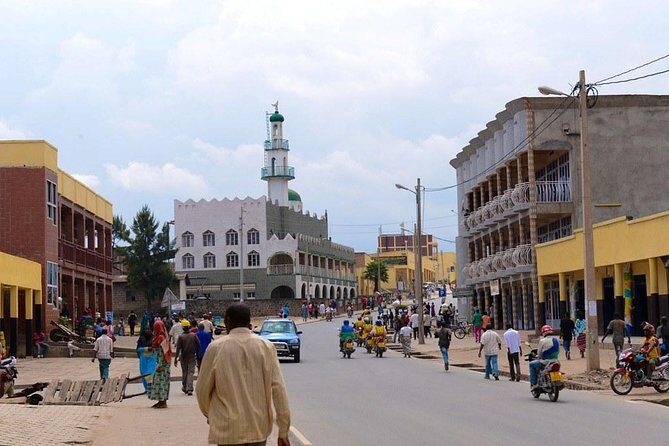
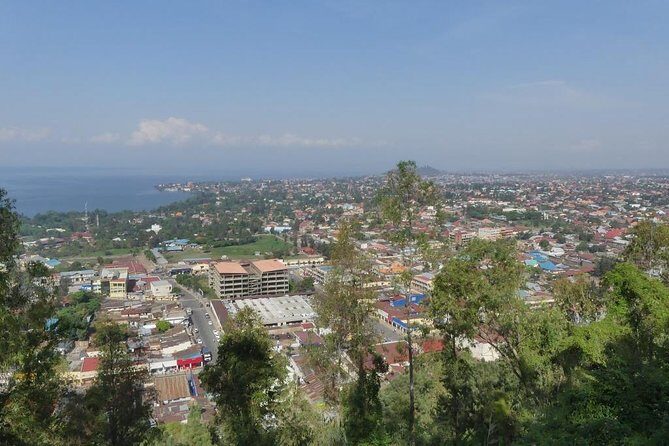
Gisenyi is the kind of place where a city tour is also a geography lesson. You are not only seeing landmarks—you are seeing how people live at the edge of Lake Kivu, close to a border that moves constantly. That matters because it changes the feel of everything: schedules, crowds, conversations, and even what counts as a normal day.
On this tour, you’re set up to understand why the region is culturally blended. The day is designed to move you through Rwanda-and-Congo influenced stops, then slow down for nature and history. It’s a good match if you want your time to feel purposeful, not rushed.
You can also read our reviews of more tours and experiences in Gisenyi.

Price and What You Actually Get for $79.17
At $79.17 per person for about 6 hours, you’re paying for a guided day that includes three core things: culture, a wildlife stop, and a hike tied to history. Lunch is included, which is a practical win. It lowers your day-to-day friction and keeps the schedule from turning into a food scramble.
Private transportation is listed as not included, but pickup is offered. Translation: starting at Lake Kivu Serena Hotel is easy, but you should confirm what pickup covers if you are staying elsewhere. If you hate surprises on arrival, this is the moment to ask the operator to be specific about where you’ll be collected and what vehicle support looks like for your group.
Value-wise, the best part is the structure. This is not a grab-bag drive. The stops connect around themes—culture, wildlife, border life, and WWII memory—so the price feels more like a guided narrative than just transport.
Meeting at Lake Kivu Serena Hotel: The Day’s Starting Point
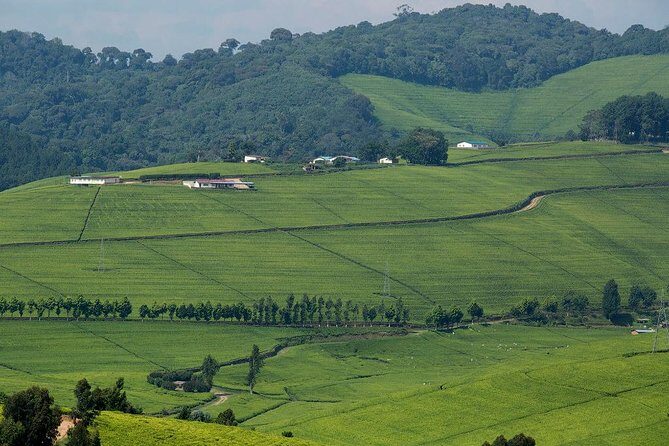
Your day begins at Lake Kivu Serena Hotel/Gisenyi and ends back at the same meeting point. For most people, that’s a big deal. You don’t have to plan a separate return, and you can keep your day uncomplicated after the tour ends.
The timing is built around a full day flow: city stops, a culture center experience, a wildlife visit, and then the Mount Rubavu hike. Plan for comfortable shoes and expect a schedule that keeps moving. If you prefer ultra-slow sightseeing, you may find the pace a bit full.
The Busiest Border in Africa: More Than a Photo Stop

One of the day’s anchors is the busiest border in Africa, with over 54,000 people crossing each day. That number changes how you experience the area. Instead of thinking border crossings as an abstract concept, you’re seeing them as constant motion powered by real routines—work, family, and daily necessity.
This stop also gives your guide room to explain how the border affects local life. You’ll likely notice how quickly crowds form and disperse, and how quickly conversations shift from travel talk to practical, everyday questions. In other words: it’s not just geography. It’s a living system.
For you, the practical tip is simple: keep your head up and your patience ready. The point here is observation and understanding, not fast photos in every direction.
Culture Center and Traditional Dances: Why This Part Matters
The culture center stop is designed to show you the region’s performance traditions as more than entertainment. You’re there for traditional dances, and the value is in how a local guide frames what you’re seeing—why it’s done, what it represents, and how it fits into community identity.
I like that this is not just a show with a time limit. With a private setup, you can ask questions and get context that usually gets lost on group tours. Even if you do not understand every detail of the dance forms right away, your guide’s storytelling helps you connect the movement to meaning.
A small consideration: if you are sensitive to noise or crowd energy, arrive ready for an active atmosphere. Culture centers are often lively spaces, and this is built to feel like part of local life, not a quiet museum moment.

Home of Bats: The Wildlife Stop That Breaks Up the Day
After culture, the day shifts into wildlife with a visit to the home of bats. This is a smart pacing move, and it’s one reason I think the itinerary feels balanced. You get history and human movement at the border and culture center, then you get something different: the natural behavior and presence of wildlife.
The key here is expectations. This is not a theme-park animal show. It’s a local wildlife encounter tied to a specific bat habitat. Dress for comfort and bring a “quiet curiosity” mindset. The best experience comes when you treat it like a real environment, not a staged performance.
Also, because it is outdoors, weather matters. If conditions are poor, the tour requires good weather overall, so you may get rescheduled rather than pushed through.
Mount Rubavu Hike: The Rib of Rwanda and WWII Stories
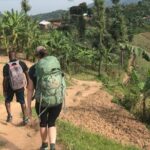
The biggest physical and storytelling moment is the hike up Mount Rubavu, known as the Rib of Rwanda. You’ll also connect the mountain to World War II history, including a battle context involving Belgium and Germany. That history hook matters because it turns a hike from exercise into memory.
Here’s the practical side: you are hiking. Even if it is not described as an extreme trek, you should be prepared for uneven ground and a steady walk. If you have mobility issues, talk to the operator during booking so you can align your comfort level with the reality of the hike.
The other practical side is attention. When history is tied to a place, you get more from the experience if you slow down mentally. Listen for the details your guide shares about why this mountain mattered then—and how those layers still shape how people talk about it now.
Lunch Included: Eat Smart, Keep Energy
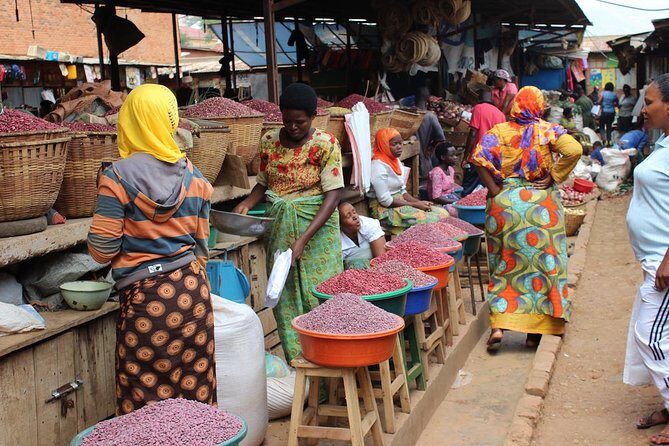
Lunch is included, and that reduces one of the most annoying parts of tours: guessing where food fits into timing. Based on past experiences with local-guided days like this, the lunch tends to be part of the culture experience rather than something stamped as a generic meal.
For you, the tip is to eat like you still have a hike and walking ahead. Don’t go heavy if you’re sensitive to stomach issues on the move. Also, if you have dietary restrictions, you should flag them when booking since the tour operator is coordinating the meal.
If the day ends with a fresh local lunch and warm conversation with your guide, it’s usually the kind of cap that makes the whole day feel worth it.
Your Guide Experience: Honorio Tours and the Storyteller Advantage
The guide role is a huge part of why this tour works. People have highlighted Honorio as a strong presence—someone who knows the area, explains history in a way that lands, and makes you feel welcome. That storyteller angle is what keeps the stops from feeling disconnected.
I especially like when a guide adds personal texture—connections between a region’s past and what daily life looks like. It turns your itinerary into a real conversation instead of a script.
You should also know this: there are serious reports of a tour operator taking money and not showing up. I can’t fix that from here, but I can help you reduce risk. When you book, get confirmation in writing and make sure you have the correct provider name. On the day, verify that your pickup and guide details match what you were told.
Who This Tour Suits Best (And Who Should Rethink It)
This is a strong fit if you want:
- A private day with a guide who tells stories, not just names places
- A mix of culture, wildlife, border life, and WWII context in one loop
- A schedule that includes lunch, so the day stays smooth
It may be less ideal if:
- You hate hikes or rougher walking sections
- You have a tight timetable and cannot handle a possible weather-dependent reschedule
- You prefer transportation included end-to-end; private transportation is not listed as included
Also, this is described as private, so it’s a good choice for couples, small groups, or anyone who likes asking questions without feeling rushed.
Practical Notes Before You Go
A few basics will make your day run better:
- Wear comfortable shoes for a hike up Mount Rubavu.
- Bring a light layer; weather can shift and you’ll be outdoors for multiple parts of the day.
- Expect the border and culture areas to feel busy in real time, because they are.
- Confirm pickup details if you are not starting right at Lake Kivu Serena Hotel.
If you’re trying to build a Rwanda-focused itinerary around meaningful stops, this tour gives you a compact way to do that. You’ll leave with more than photos—you’ll have a sense of how place, people, and history are tied together.
So Should You Book This Gisenyi City Tour?
I’d book it if you want a guided day that actually connects dots: culture center dances, a bat wildlife stop, the Mount Rubavu hike tied to WWII, and a border experience defined by daily human movement. The lunch included detail and the private setup are also practical wins.
Before you commit, do two simple checks. Confirm the provider details clearly (there have been reported no-show issues) and verify what pickup means for where you are staying. If that’s squared away, this tour is a solid way to understand Gisenyi beyond the shoreline—through stories you can feel in your feet as much as in your head.
FAQ
How long is the Gisenyi city tour?
The tour is approximately 6 hours.
What is the price per person?
The price is $79.17 per person.
Is the tour private?
Yes. It is a private tour/activity, and only your group will participate.
What does the tour include?
Lunch is included.
Is private transportation included?
Private transportation is not listed as included. Pickup is offered, so you should confirm what pickup covers for your exact starting location.
Where does the tour start and end?
It starts at Lake Kivu Serena Hotel/Gisenyi and ends back at the same meeting point.
What stops are part of the experience?
You’ll visit the culture center for traditional dances, go to the home of bats, hike Mount Rubavu (the Rib of Rwanda), and see the busiest border in Africa, with WWII history context.
What’s the cancellation policy?
Free cancellation is available up to 24 hours in advance for a full refund. If you cancel less than 24 hours before the start time, the amount paid is not refunded.
Does the tour depend on weather?
Yes. The experience requires good weather, and if it is canceled due to poor weather you’ll be offered a different date or a full refund.