REVIEW · GISENYI
Tea and coffee tours
Book on Viator →Operated by Beyond the Gorillas Experience · Bookable on Viator
Coffee and tea in Rwanda start far from your cup.
This 3-hour small-group tour (up to 8 people) connects the scenic Lake Kivu setting to how tea and coffee are actually grown, processed, and packaged.
I like that it’s designed as a focused, hands-on look at local farms, not a rushed drive-by.
My other favorite part is the attention to the whole process—everything from harvesting through what happens next—so you leave with a real sense of why each cup tastes the way it does.
One thing to weigh: it runs on good weather, so if conditions are poor, you’ll need flexibility on timing.
In This Review
- Key highlights worth packing your curiosity for
- Lake Kivu mornings and a clear plan for 3 hours
- What you actually do on the farm: harvesting to packaging
- A closer look at the Kinunu coffee washing station stop
- Lunch and bottled water: the kind of included comfort that helps
- Price and value: what $80.70 buys you in real terms
- Group size and guide style: small numbers, better answers
- Weather matters: plan for flexibility, not perfection
- Who should book this tea and coffee farm experience
- Should you book Beyond the Gorillas tea and coffee tours?
- FAQ
- Where is this tour located?
- How much does the tea and coffee tour cost?
- How long is the tour?
- What time does the tour start?
- How many people are in the group?
- What is included in the price?
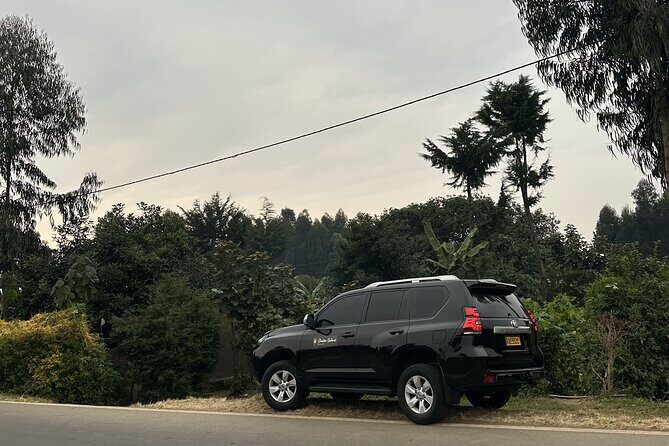
- Is pickup offered, and is private transportation included?
- What is the cancellation policy?
Key highlights worth packing your curiosity for
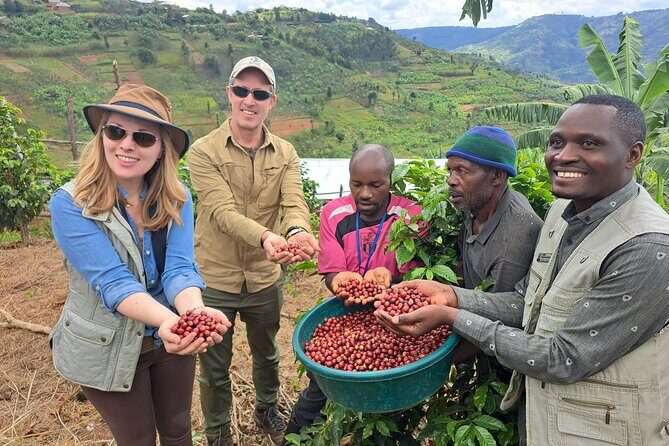
- Up to 8 travelers keeps the guide’s explanations practical and easy to ask questions
- Lake Kivu stop gives context for where the farm work fits into daily life around the water
- Process-focused tea and coffee education includes harvesting and what comes after
- Lunch and bottled water included, so you can keep the day moving without hunting for food
- Guides described as patient and knowledgeable, which matters when you want to understand steps, not just watch
Lake Kivu mornings and a clear plan for 3 hours
This tour is built around a simple rhythm: meet in Rubavu, start in the morning, and return to your starting point by the end.
With a duration of around 3 hours, it’s long enough to learn something real and short enough to fit neatly into a busy Rwanda itinerary.
The day begins at 8:00 am from Rubavu, Rwanda, and ends back at the meeting point.
If you’re staying around Gisenyi/Rubavu, this is the kind of timing that works well before the rest of your day gets crowded with other plans.
Now for the geography lesson that makes the setting click: Lake Kivu sits on the border between Rwanda and the Democratic Republic of the Congo.
It sits in the Albertine Rift, which is part of the East African Rift system, and it feeds into the Ruzizi River system toward Lake Tanganyika.
You don’t need to memorize that—just know the lake is part of a much bigger geological story, and your farm visit sits inside that real-life environment.
You can also read our reviews of more tours and experiences in Gisenyi.

What you actually do on the farm: harvesting to packaging
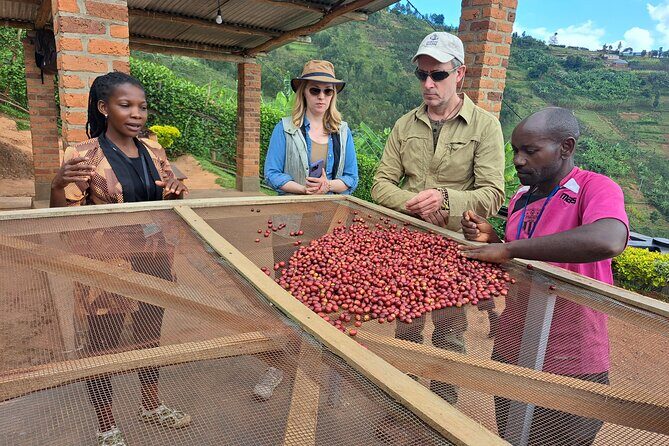
What makes this experience feel worth the time is that it’s not just about sipping.
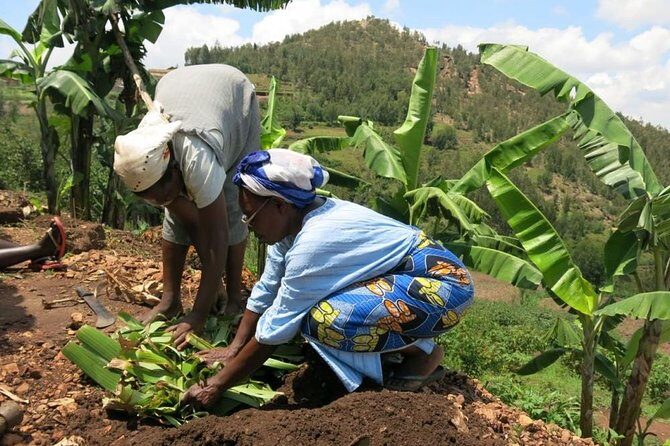
You get a guided look at how the beverage journey starts with agriculture and then moves into processing steps that turn raw leaves or beans into something fit for a final product.
On the tea side, the process is described clearly from harvesting to packaging.
That step-by-step flow matters because it helps you understand why tea quality isn’t one single moment—it’s a chain of decisions, timing, and handling.
On the coffee side, expect a similarly process-driven approach.
One standout detail from a coffee-focused visit was a guided look at a washing station experience at Kinunu, which is where key processing steps happen before coffee moves on to later stages.
Even if you’re not a coffee expert, this kind of visit gives your brain something tangible to hold onto when you taste coffee later.
If you like learning in a grounded, practical way—who does what, and why the steps exist—this kind of farm visit works well.
If you only want photo moments with minimal explanation, it may feel more informational than you expected.
A closer look at the Kinunu coffee washing station stop
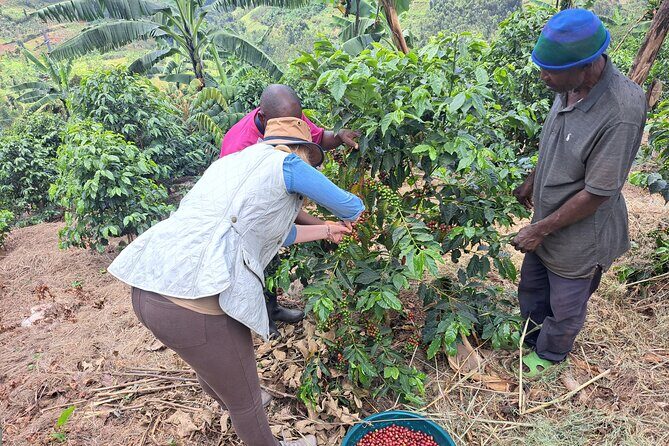
Coffee processing has a reputation for being complicated, but a good washing station tour turns it into a series of understandable actions.
In one reported coffee visit, I saw the benefits of this approach right away through how the tour was described: guided and specific, focused on what happens on-site.
A coffee washing station experience usually centers on turning harvested coffee into clean, workable coffee cherries or prepared coffee materials, before the product moves on.
The visit at Kinunu Coffee Washing Station is described as guided, and that matters because you’re not just looking at equipment—you’re learning what each stage aims to achieve.
One logistical detail that can make this stop feel extra special: in at least one case, pickup happened by boat from a lakeside lodge area around Kigufi/Gisenyi.
That’s not guaranteed for every departure based on the information provided, but it signals that the lake can be part of the travel story, not just the backdrop.
For your planning: if you get motion-sensitive on boats, it’s smart to keep that in mind when you see lakeside transfers mentioned.
If you’re comfortable on the water, the approach can make the morning feel more local and less like a standard land-only day trip.
Lunch and bottled water: the kind of included comfort that helps
This tour includes lunch and bottled water, which is a big deal for value.
In a 3-hour experience, it prevents the usual problem: you end up cutting your appetite or skipping a meal because the schedule feels too tight.
Lunch on a farm visit also often fits the vibe better than grabbing something quick in town.
It keeps you in the rhythm of the day, so you don’t lose time stepping away for food and trying to catch up.
Since bottled water is included, you can focus on the walking, viewing, and questions without doing extra mental math about refills.
It’s a small thing that makes a day feel smoother, especially when you’re learning and moving between areas.
Price and value: what $80.70 buys you in real terms
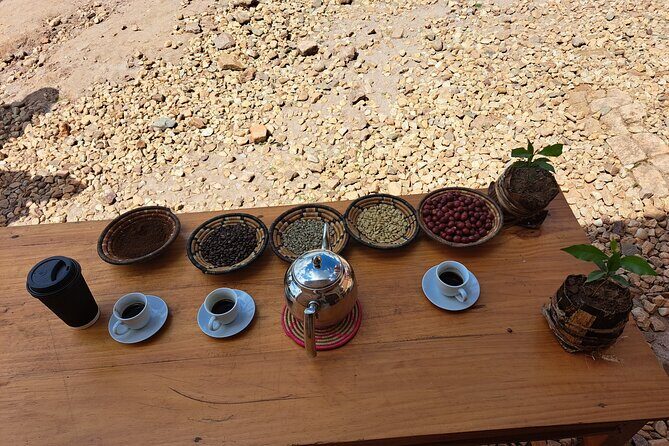
At $80.70 per person, this is not a budget-only outing, and it’s also not an ultra-luxury price tag.
What you’re paying for is a guided look at the full beverage workflow, plus the comfort items that keep the timing clean.
The clear value pieces you get:
- A guided farm experience (not self-guided)
- Lunch and bottled water
- Pickup offered
- A maximum of 8 travelers, which usually means less crowd pressure and more time for questions
What’s not included is private transportation.
That means you should expect the tour to handle the main plan and transfer approach, but you shouldn’t count on it covering every personal option for getting to and from the start point.
If you’re comparing this to the cheapest tours in the area, the difference usually comes down to guide time, included meals, and group size.
If you’re choosing between several Rwanda activities, this one tends to fit best when you want something hands-on and educational, not only scenic.
Group size and guide style: small numbers, better answers
A maximum of 8 travelers can sound like a marketing line, but it’s practical.
With fewer people, your guide can slow down and explain the points that actually matter to you, whether that’s the tea processing chain or what’s happening at a coffee washing station.
The guide style is repeatedly described as kind, passionate, and patient.
That’s a serious plus when a process has multiple steps and you want the story to make sense, even if you’re not a coffee or tea nerd.
Also, a tour like this works best when you ask questions.
If you’ve ever wondered why coffee tastes different from one region to another, or how tea processing affects flavor, this format gives you a better shot at getting answers that connect directly to what you’re seeing.
Weather matters: plan for flexibility, not perfection
This experience requires good weather.
That doesn’t mean it’s canceled at the first hint of clouds, but it does mean conditions can affect whether the tour runs as planned.
So if you’re the type who likes everything locked down to the hour, you’ll want to build in a little slack.
If weather causes changes, you’ll be offered a different date or a full refund, but the key practical move is to avoid booking this as the single fixed anchor on a tight schedule.
Who should book this tea and coffee farm experience
This is a great match if you want:
- an easy morning activity that doesn’t eat your whole day
- a guided look at how tea or coffee is made beyond the cup
- a small-group feel with time for questions
- lunch included, so you stay comfortable and keep momentum
It also suits people who enjoy real, everyday local work—learning how processing happens, and how farming ties into life around Lake Kivu.
You might think twice if you’re only interested in lounging, scenic stops, or minimal walking and explanation.
This tour is structured around understanding the beverage process, so your enjoyment will track closely with how much you like learning while you go.
Should you book Beyond the Gorillas tea and coffee tours?
Yes, if your Rwanda trip needs one experience that feels grounded in local production rather than just sightseeing.
I’d book it for the combination of small-group size, the guided harvesting-to-processing focus, and the fact that lunch and bottled water are included.
If your schedule is very tight, I’d still consider it, but plan a bit of flexibility because the tour depends on good weather.
And if you’re the kind of traveler who asks why things are done the way they are, this kind of farm visit rewards you fast.
FAQ
Where is this tour located?
The tour takes place in Gisenyi, Rwanda, with the experience starting in Rubavu, Rwanda.
How much does the tea and coffee tour cost?
The price is $80.70 per person.
How long is the tour?
The duration is about 3 hours.
What time does the tour start?
The start time is 8:00 am (local time).
How many people are in the group?
This tour/activity has a maximum of 8 travelers.
What is included in the price?
Included items are bottled water and lunch.
Is pickup offered, and is private transportation included?
Pickup is offered, but private transportation is not included.
What is the cancellation policy?
You can cancel for free up to 24 hours in advance for a full refund. If you cancel less than 24 hours before the start time, the amount paid is not refunded. The tour also requires good weather and may be rescheduled or refunded if canceled due to poor weather.