REVIEW · KIGALI
Local Community Tour(Cultural, Coffee,Village walk,Local food)
Book on Viator →Operated by Rwagasabo Safaris · Bookable on Viator
Banana beer meets village life in Kigali. This cultural tour is built around a real Rwandan family day: you’ll help with food preparation, hear stories, and spend time on the ground with village life. It’s hands-on, not museum-style, and it gives you a feel for how daily routines connect to meals, farming, and community.
Two parts I really like are the drumming and dance experience and the kitchen work that comes before eating. You get to do things like smashing bananas and grinding grains, plus you’ll learn about local medicinal plants and how traditional cooking tools are used. One thing to consider: with a price of $170, you’ll want to choose the activities that match your interests, because the value can feel better if you go beyond just a short village walk and one meal.
The biggest advantage here is choice. You can lean more into home-host activities, agro-tourism like coffee and banana beer, or an adventure option like a Mount Jali hike, depending on what you pick for the day. Either way, the tour runs about 4 to 7 hours with a 7:00 am start and pickup offered, so wear shoes you’re happy to walk in.
In This Review
- Key highlights at a glance
- A Kigali Village Day That Starts With Family Life
- What You’ll Do at the Home Host Activities (Food, Plants, Village Walk)
- Drumming and Traditional Dance: The Cultural Moment That Feels Earned
- Agro Tourism Options: Banana Beer From Plantation Steps to Tasting
- Coffee Preparation From Plantation to Cup
- Animal Care and Farming Routines: A Morning Reality Check
- The Village Walk and Storytelling Part That Makes It Stick
- Mount Jali Hiking Option: When You Want Views and Legs
- What’s Included in the $170 Price (And Where Value Comes From)
- Timing and What to Bring for a 4 to 7 Hour Day
- Who This Kigali Tour Is Best For
- Should You Book This Kigali Family Food, Coffee, and Village Tour?
- FAQ
- What time does the tour start, and how long does it take?
- Is pickup offered?
- What’s included in the price?
- Can I choose between home activities, agro activities, and adventure activities?
- Do I need a COVID-19 test for this tour?
- What is the cancellation policy?
Key highlights at a glance
- Hands-on food prep like smashing bananas, grinding sorghum, and cooking with traditional tools
- Drumming and traditional dance as a coached cultural activity, often the standout
- Coffee or banana beer pathways from plantation steps through tasting
- Village walk with real interaction, plus storytelling after the meal
- Plant knowledge and medicinal uses, tied to everyday life
- Optional Mount Jali hiking if your group wants an active add-on
A Kigali Village Day That Starts With Family Life
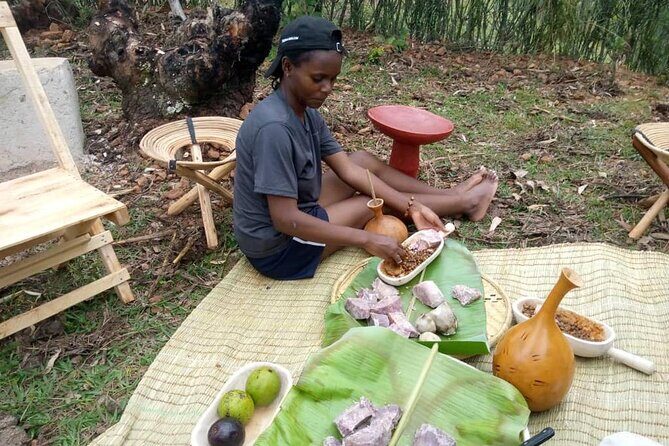
This isn’t a quick stop for photos. The day is designed as a family-based experience, so you’ll see how food, farming, and community hang together from morning routines through meal time.
If your goal is to get past the surface layer of a culture tour, this works well because it’s not just watching. You’ll take part in the practical steps—preparing food, learning tools and ingredients, and spending time walking and talking with people who live that way every day.
The schedule also matters. A 7:00 am start gives you the chance to catch part of the day while things are moving, and the overall time window of 4 to 7 hours means it can fit into a Kigali itinerary without turning into an all-day ordeal.
You can also read our reviews of more walking tours in Kigali

What You’ll Do at the Home Host Activities (Food, Plants, Village Walk)
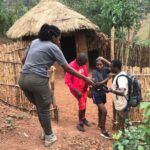
The home-host side is where the day feels most personal. You’ll spend time around the household and get introduced to traditional practices that connect directly to eating and daily health habits.
Expect a mix of practical learning and cultural performance. The program can include traditional dance and drumming, and you may also learn about local medicinal plants—plants used to help with illness, explained in the context of what people see and use around them. That kind of info tends to land best when you’re curious and comfortable asking questions.
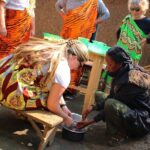
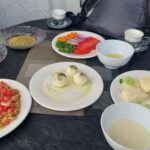
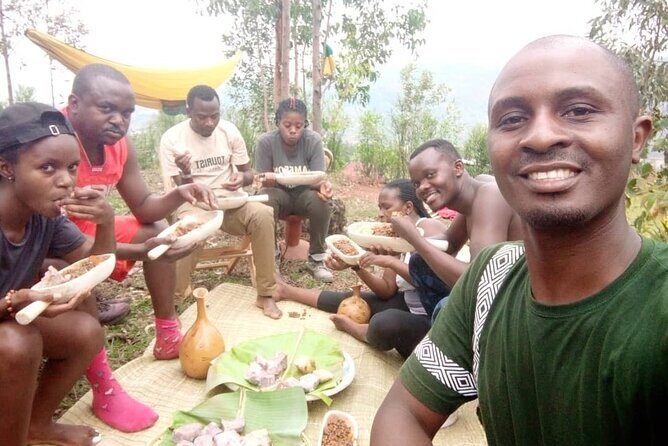
Food is a core theme, and it’s not just eating. You’ll learn traditional cuisine preparation and cooking, with food served on traditional tools. Terms like imbehe and inkoko show up in the format of the experience, and the day can include tasting the results of what you helped make. You’ll also likely handle ingredients directly, including smashing bananas and grinding sorghum grain on a grinding stone.
After the meal, you shift into stories and interaction. This is where a lot of people get the context behind what they just ate and watched—why certain foods matter, how routines work, and how community life is structured.
Possible drawback: if you’re mostly in it for one specific highlight—like the drumming only—and you don’t want hands-on prep, the meal-and-village structure can feel longer than you expected. For the price point, I’d plan your day around what you want to actually participate in.
Drumming and Traditional Dance: The Cultural Moment That Feels Earned
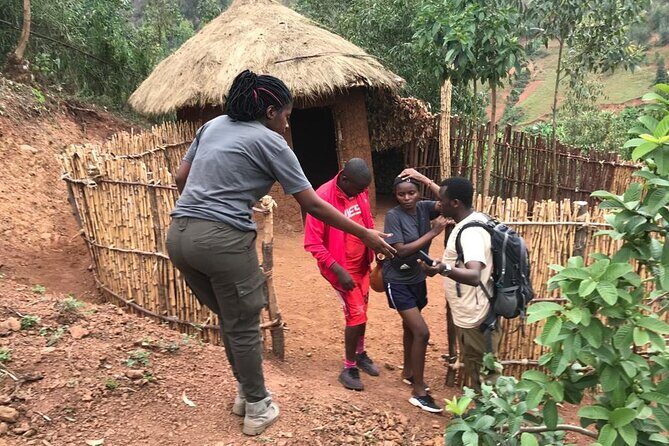
Of all the elements in this tour type, the drumming lesson and dance experience are the ones that often get mentioned as the highlight. That makes sense. It’s not passive entertainment; it’s coaching, repetition, and participation.
You can also use this as a strategy for the day. If you’re arriving without Rwanda cultural context, the dance and drumming give you a simple entry point. Once you’ve experienced the rhythm and movement, the rest of the day—stories, community interaction, even food preparation—tends to feel more connected instead of like separate activities stacked together.
When you’re doing cultural activities with a family, small things matter: how the instructions are paced, how much time you get to try, and how respectful the group tone stays. Based on the experience quality tied to guides like Serge, the coaching piece can be genuinely strong—so take it seriously, ask a question or two, and enjoy the awkward first attempts. That’s usually when it becomes memorable.
Agro Tourism Options: Banana Beer From Plantation Steps to Tasting
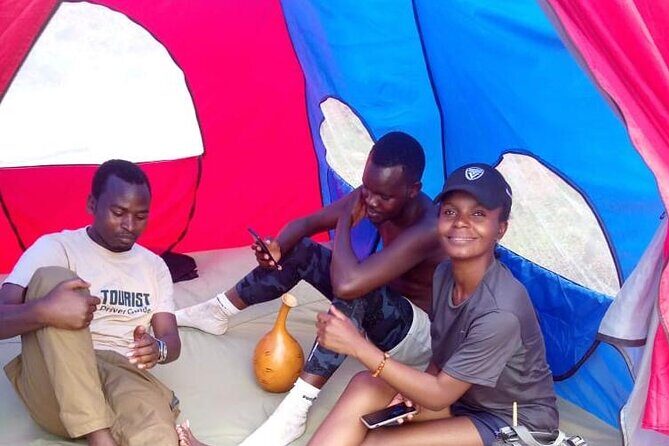
If you lean agro-tourism, the tour gives you a pathway into two iconic Rwanda experiences: banana beer and coffee. Both are more than drinks here. You’ll learn the steps that get you from raw material to what people enjoy.
For banana beer, the flow can include starting at a banana plantation, then moving into juice making, fermentation, and beer tasting. You’ll also get the context around why the process matters. Fermentation is one of those topics where just hearing about it doesn’t do much; seeing or discussing the steps makes it click.
This matters for value. Many food tours only show you a finished product. Here, the banana beer format is structured so you can understand the work behind it. Even if you don’t consider yourself a beer person, the process learning is the point.
Coffee Preparation From Plantation to Cup
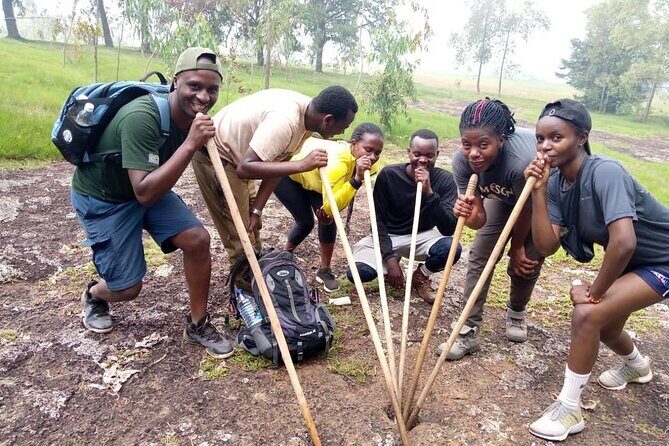
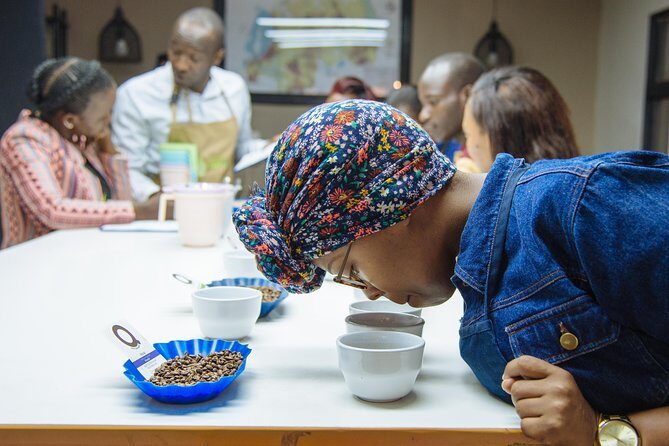
Coffee prep is usually a favorite for people who want something more “from scratch.” The experience can cover coffee preparation from plantation to the cup, meaning you’re not just tasting—you’re learning the sequence that turns beans into a drink.
I like this approach because it respects how coffee fits into daily labor and local routine. It also helps you connect taste to process. If you’ve ever wondered why different origins taste different, this is the kind of day where the answer starts to feel practical.
One note: coffee experiences can be sensitive to time, weather, and how busy the households are. If your group has coffee at the top of the priority list, confirm that coffee prep is included among your chosen highlights so you don’t end up in a more general format.
You can also read our reviews of more food & drink experiences in Kigali

Animal Care and Farming Routines: A Morning Reality Check
The tour can include elements like traditional cattle and cow care, including milking experience. You might also see daily farming routines tied to the household’s work.
If you’re traveling to Rwanda and you want your memories to feel grounded, this part helps. It’s not a show. It’s practical labor—and it gives you a way to understand why meals and farming are linked on a deeper level than “tourist food.”
This is also where a village walk becomes more than a walk. When you’ve seen animals cared for and farming discussed, the village walk feels more like “this is how the day works” instead of “look at the scenery.”
The Village Walk and Storytelling Part That Makes It Stick
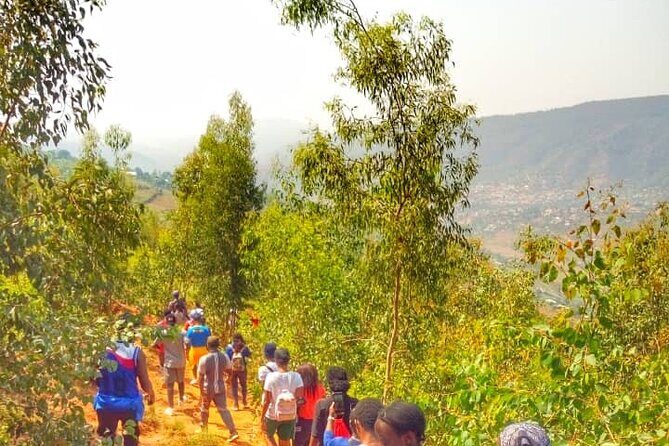
The village walk is designed to connect you with local people through interaction, not just viewing from a distance. You’ll spend time walking, meeting people, and exchanging conversation in a way that’s centered on daily life.
After the meal, storytelling adds the missing glue. Food and routines are easy to observe. Stories explain what you can’t easily see: priorities, changes over time, and the human side of village life.
In a cultural experience, storytelling is often where you either feel included or you feel like an outsider. The structure here supports inclusion by placing the stories after sharing a meal and time together.
Mount Jali Hiking Option: When You Want Views and Legs
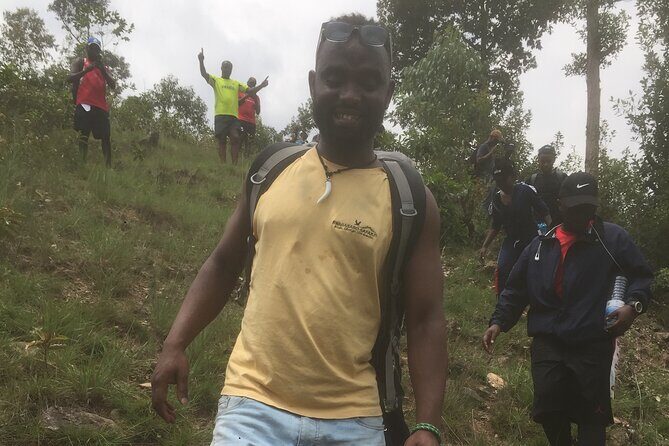
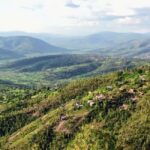
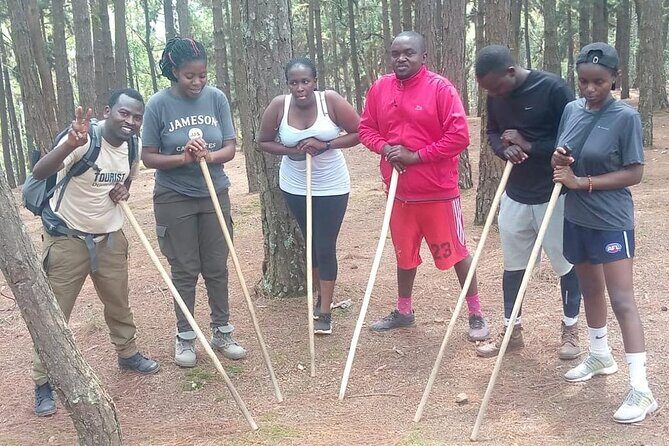
If your group wants an active add-on, the tour format can include hiking—hard and high or medium elevation—around Mount Jali. You’ll also have hiking sticks and binoculars as part of the experience package, which suggests a focus on seeing the area and not just getting a workout.
I’d choose the hike if you enjoy the idea of mixing culture with scenery and movement. It’s also a good match for people who want a more varied day rather than staying mostly around food and home activities.
One consideration: even “medium” elevation hiking can feel intense in the morning. Bring appropriate hiking shoes and take it at your pace. If anyone in your group is sensitive to steep paths, you’ll want to plan your chosen difficulty carefully.
What’s Included in the $170 Price (And Where Value Comes From)
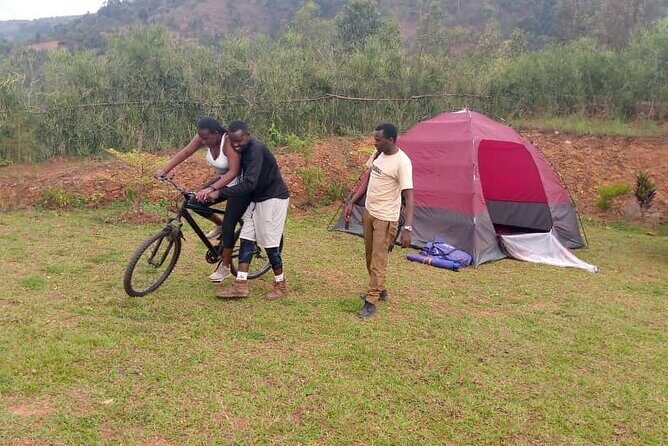
At $170 per person, the value depends on how you use the day. Here’s what’s clearly included: transport, an entrance permit, guiding fees, lunch, bottled water, and soda/pop. The structure is also private, meaning your group participates together rather than being mixed into strangers’ schedules.
To me, the best “value signal” is the amount of participation built into the price. You’re not paying mainly for transportation. You’re paying for guided cultural access, the meal, and the time needed for hands-on activities like cooking steps, drum-and-dance instruction, and agro processes like banana beer and coffee prep.
Price can also vary by group size, so check what applies to your booking. If you’re traveling solo or as a small group, it may feel higher. If you have enough people to share the group-based pricing structure, the per-person value often reads better.
What’s not included is mainly personal spending and extra snacks beyond what the package lists. If you have a habit of snacking often, pack your own backup so your energy doesn’t run low mid-walk.
Timing and What to Bring for a 4 to 7 Hour Day
This tour runs about 4 to 7 hours and starts around 7:00 am, with pickup offered. That morning timing is a plus, but it also means you should be ready for a full stretch: walking, hands-on food prep, and cultural activities can add up faster than you expect.
Bring:
- Water and any heavy snacks you know you’ll want
- Sugar content drinks, if that’s part of your normal travel routine
- A rain coat in case the weather turns
- Hiking shoes, especially if you pick the Mount Jali option
Also, this is a good day to wear clothes you don’t mind getting a little dusty. Village walks and farm-related steps can involve surfaces that don’t care about your nice outfit.
Who This Kigali Tour Is Best For
This experience fits best if you like practical learning and conversation more than staged performances. It’s a strong pick for people who want a Rwandan family-hosted day and don’t mind getting involved in food prep or walking at a village pace.
It also works well for food-focused travelers who want more than restaurant meals. The combination of traditional cooking, banana beer process steps, and coffee preparation from plantation to cup gives you a full food story in one visit.
If you want a pure culture show with zero participation, you might find the hands-on format too active. And if your group only wants one single highlight, you may feel the cost more strongly. The best results come when you plan your chosen activities around what you actually want to do.
Should You Book This Kigali Family Food, Coffee, and Village Tour?
I think it’s a good booking if you want a day that feels real and shared, built around hands-on food and cultural participation. The drumming and dance component is often the memorable moment, and the agro options like coffee and banana beer add real depth to what you learn and taste.
You should be more careful if you’re price-sensitive or you’re likely to skip most of the active parts. At $170, you’ll enjoy the day more if you treat it as a participation tour, not a casual drive-and-watch.
If you’re deciding between “just lunch” and a full family day with cooking, stories, and village interaction, this one leans toward the full experience.
FAQ
What time does the tour start, and how long does it take?
The start time is 7:00 am, and the tour runs about 4 to 7 hours (approx.).
Is pickup offered?
Yes, pickup is offered.
What’s included in the price?
The package includes transport, an entrance permit, guiding fees, lunch, bottled water, and soda/pop.
Can I choose between home activities, agro activities, and adventure activities?
Yes. The experience lists three main activity areas (home host, agro tourism, and adventure), and you’ll choose among the highlights.
Do I need a COVID-19 test for this tour?
No COVID-19 test is required, and it’s stated as not needed.
What is the cancellation policy?
You can cancel for a full refund up to 24 hours before the experience starts. If you cancel less than 24 hours before start time, the amount paid is not refunded.