REVIEW · KIGALI
A Day in the Life of a Local Artisan
Book on Viator →Operated by Azizi Life · Bookable on Viator
Hoeing fields beats any museum day. In Kigali, this Azizi Life small-group visit lets you trade screens for hands-on rural work with a local family, then learn sisal weaving. I really like the inside conversations over a vegetarian lunch, and the chance to try everyday chores rather than just watch. One drawback to plan for: the ground is uneven and the work is real, so bring sturdy shoes and expect to get a bit dusty.
This experience is designed for a small group (up to six people), with lunch, guide support, and transport from Muhanga Town to the village included. It’s also family-friendly and timed as a full day, about 8 hours, so you can actually slow down and talk with your hosts instead of rushing through stops.
In This Review
- Key highlights you’ll actually feel in the day
- Why this day with Azizi Life artisans feels genuinely different
- Price and logistics: is $90 worth it, and what you should plan for
- The morning start: briefing, then a drive into the countryside
- Stop by stop: how the village day is built
- Farming and daily chores you can help with
- Lunch: vegetarian Rwandan food cooked the family way
- Weaving lesson: 1-on-1 sisal instruction that turns into a finished item
- Handicrafts and purchases at the end of the day
- What to expect from the people you meet (and what to do to get the most)
- Practical travel tips so your day feels smooth
- Who this Rwanda artisan day fits best
- Should you book this day in the life of a local artisan?
- FAQ
- What’s the exact location for the meeting point?
- How long is the experience?
- What is included in the $90 price?
- Is transportation from Kigali included?
- Is lunch provided, and is it vegetarian?
- How big is the group?
- Is it suitable for children?
- What physical effort should I expect?
- What’s the cancellation policy?
Key highlights you’ll actually feel in the day
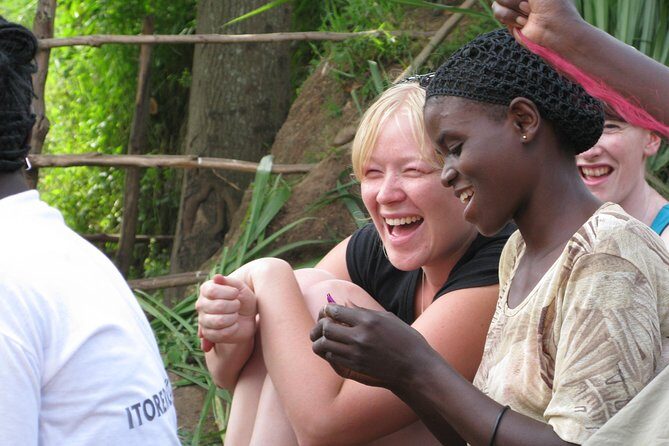
- Small-group access (max six) means you get closer to the family routine, not a crowd routine.
- Vegetarian family-style lunch (often cassava and beans) gives you a window into what people eat at home.
- Sisal weaving, 1-on-1 for about two hours helps you learn without feeling rushed.
- Hands-on chores such as hoeing, planting, fetching water, and food prep make it more than a photo walk.
- A chance to buy crafts made by the family at the end of the day.
- Good fit for first-timers to Rwanda who want rural life without leaving Kigali entirely behind.
Why this day with Azizi Life artisans feels genuinely different
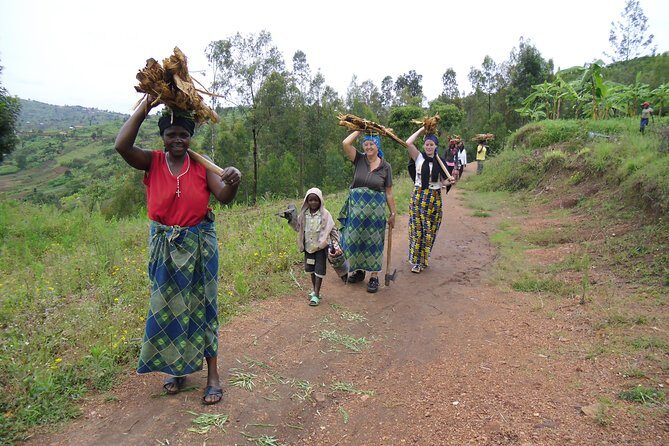
This isn’t one of those “stand here, look there” tours. The whole point is to work alongside a local family as they do normal day tasks: growing food, collecting water, preparing meals, and making woven items to sell. You get to participate, not just observe from the edge.
I especially like how the day is structured around breakpoints. You work in the morning, then you sit down for lunch, then you get focused instruction during weaving. Those pauses matter because they turn the experience into conversation time, not just an activity checklist.
And yes, the weaving part is a big deal. It’s one-on-one instruction, using sisal, and it’s long enough that you aren’t just taught the motions. You have time to make a simple item and understand what you’re doing.
The best version of this day is the one where you treat it as a cultural exchange. Ask questions. Share what daily life looks like at home. You’ll get a lot more than a craft lesson if you show curiosity beyond the finished product.
You can also read our reviews of more tours and experiences in Kigali.

Price and logistics: is $90 worth it, and what you should plan for
At $90 per person for about 8 hours, this is priced for a hands-on cultural day with real instruction, lunch, and included transport from Muhanga Town to the village. When you compare that to typical day tours, you’re paying for three things at once:
- guided access to the community,
- a meal cooked as the family would eat it,
- and meaningful, guided time at the weaving station.
What’s not included is just as important. You’re not automatically covered for transportation from Kigali. The tour includes return transport from Muhanga Town to the village, so if you’re staying in Kigali, you may need an added transport arrangement.
Also note the start/end flow: you start near NR1, Gitarama, Rwanda and the experience ends back at the meeting point. The operation hours list 8:00 AM to 11:00 AM, which means you’ll want to aim for an early start to match your day.
If you’re the kind of traveler who likes spontaneity, this still works. It’s flexible in the sense that the day is about daily routine, not a rigid performance. But the schedule is full, so build in recovery time afterward.
The morning start: briefing, then a drive into the countryside
The day begins with a briefing, then you drive out to the village where you’re welcomed by the artisans. That first stage matters more than you might think. A short briefing helps you understand the rhythm of the day and what will be expected when you arrive.
Then comes the drive away from city pace. You’ll be in “day in the life” mode early, which makes it easier to feel comfortable when you step into farm work, water collection, and kitchen tasks later.
One practical note: wear clothes you don’t mind getting scuffed. This is an active day on uneven ground, so treat it like a workday, not a sightseeing morning.
Stop by stop: how the village day is built
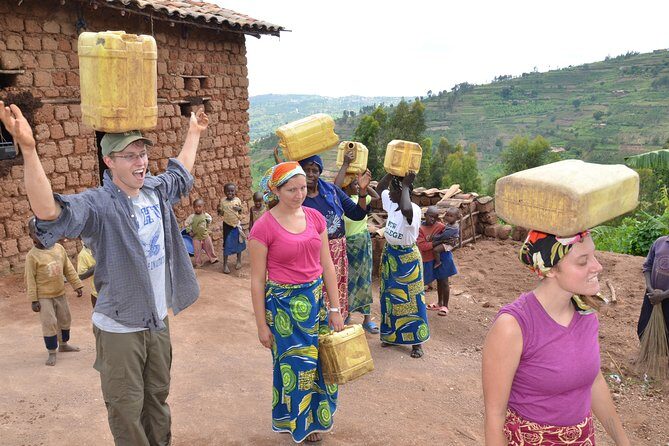
Farming and daily chores you can help with
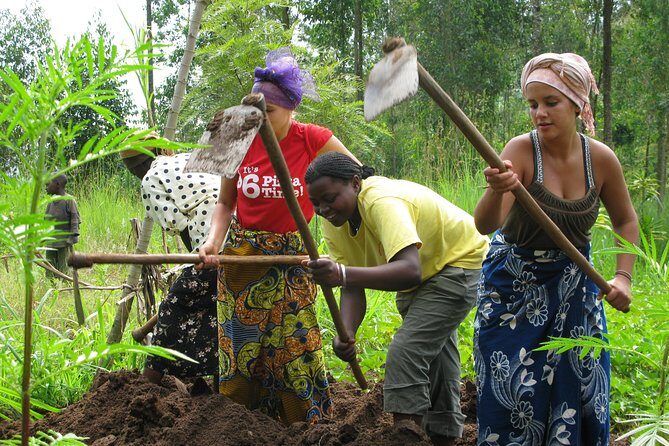
Once you arrive, you jump into subsistence farming activities. Depending on what’s in season, expect tasks like hoe work and planting crops. The point is to get your hands on the kind of labor that supports daily food production.
You’ll also join the family and cooperative members to take care of everyday needs. The day includes fetching water, and you’ll have the chance to help with food preparation. These are not “simulated” tasks. You’re learning how things get done, and you’re doing a share of it.
This part is the most physically demanding. Even if you’re not doing heavy work for long stretches, you’ll likely be bending, standing on uneven surfaces, and moving around. Plan on it.

Lunch: vegetarian Rwandan food cooked the family way
Lunch is served about an hour after your morning activities. It’s local Rwandan food, cooked as the family normally eats. The meal is vegetarian and may include staples like cassava and beans.
What I love about this lunch is the social setup. It’s not rushed and it’s not just fuel. You’re given time to chat with your hosts. This is where you’ll learn how people see their community, what daily life looks like, and how challenges and routines shape their choices.
If you like good questions, this is your moment. Ask about the neighborhood, family work, or what skills matter most for young people. And if they ask you about home, keep answers simple and honest. This isn’t a debate club. It’s a human conversation.
Weaving lesson: 1-on-1 sisal instruction that turns into a finished item
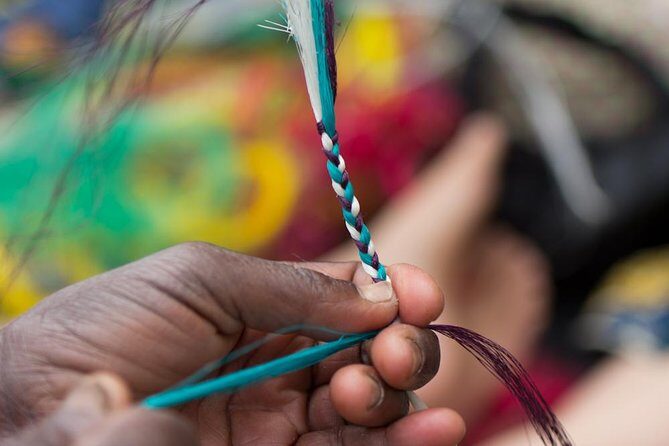
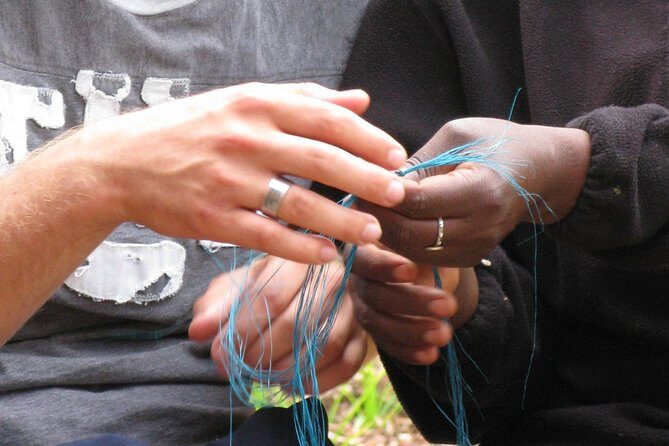
After lunch, the day shifts into focused craft time: a one-on-one weaving lesson lasting about two hours. You’ll learn to weave a simple item using sisal, and you’ll leave with what you made (or at least with a skill you can build on).
A 1-on-1 format is the difference between getting a quick demo and actually improving your hands. You can ask what you’re doing wrong right away. You can adjust tension, spacing, and technique based on immediate feedback.
The sisal itself is also a clue about the region’s craft logic. It’s practical fiber, it’s available, and it becomes income through items made and sold. That’s why this stop feels more meaningful than a souvenir stop: it’s tied to livelihood.
Handicrafts and purchases at the end of the day
At the close, you’ll have time to purchase local handicrafts made by the family. This is the moment when the weaving you just learned connects back to real-world value.
If you’re buying, treat it like you’re supporting skill and time, not just purchasing a thing. Ask what the item takes to make and what it’s used for. Even if you don’t buy, browsing helps you understand the craft’s purpose.
What to expect from the people you meet (and what to do to get the most)
The heart of this day is the welcome. A lot of the energy you’ll feel comes from the women and families running the cooperative and day-to-day life. Many comments highlight warmth, patience, and a willingness to explain tasks slowly enough for you to learn.
In some experiences, hosts such as Theogene and Rose have been described as patient and good-humored while walking people through daily activities. In other words, if you struggle at first, you’re not doing anything wrong. Your job is to try, and their job is to guide.
To get the most:
- Say yes to small tasks even if you’re clumsy. Learning starts there.
- Ask before taking photos. A quick check keeps everything respectful.
- Keep your pace modest. You’re moving with real work, not a stage timeline.
Practical travel tips so your day feels smooth
Here’s how I’d prep so you don’t spend the day thinking about comfort instead of connection:
- Shoes: Bring closed-toe shoes with grip. Uneven ground is explicitly noted.
- Clothing: Wear something you can move in and get dirty. Farm tasks and water-collection movement can mean splashes and dust.
- Bring a good attitude about chores: Even when you don’t do every step, helping matters.
- Expect a full day: Around 8 hours is a lot of active time in one go. Plan a low-key evening after.
- If you’re coming from Kigali: Ask early about transport options. The base includes Muhanga Town to the village, not automatically Kigali pickup.
If you’re sensitive about getting hands-on, you can still enjoy this day. Just be honest with yourself: if you want purely passive sightseeing, this might feel too active.
Who this Rwanda artisan day fits best
This is ideal for:
- First-time visitors who want more than big attractions and a clearer sense of rural life.
- People who like hands-on learning and are comfortable trying small tasks.
- Anyone traveling with family members who enjoy community-based activities.
- Craft lovers who want a real lesson, not only a shop visit.
It may be less ideal if:
- You want a very low-activity tour with minimal physical movement.
- You’re traveling with limited flexibility for sitting, standing, and uneven surfaces.
- You’re expecting luxury comfort. This is a day built around ordinary life.
Children can go, but they must be accompanied by an adult. Service animals are allowed. The activity is also described as private for your group, meaning you won’t be mixed into a bigger crowd.
Should you book this day in the life of a local artisan?
Book it if you want to understand Rwanda beyond headlines and city scenery. This is one of those experiences where you remember the people because you actually worked beside them, chatted at lunch, and learned something you can use later.
Skip or reconsider if you prefer a hands-off cultural show. The day includes farm chores, water fetching, and weaving instruction in an environment where uneven surfaces are part of the deal.
One final decision aid: if your trip is short and you still want rural context without spending weeks planning, this hits a sweet spot. You get a full, structured day with real participation, and it’s capped at a small group size so you’re not just another body in the background.
FAQ
What’s the exact location for the meeting point?
The tour starts at NR1, Gitarama, Rwanda, and it ends back at the same meeting point.
How long is the experience?
It runs about 8 hours.
What is included in the $90 price?
The price includes lunch, bottled water, a local guide, a tour host, and return transport from Muhanga Town to the village. Gratuities are also included.
Is transportation from Kigali included?
No. Transportation from Kigali is not included, but it can be arranged on request for an additional charge.
Is lunch provided, and is it vegetarian?
Yes. Lunch is included and is described as local Rwandan food, cooked vegetarian (for example, cassava and beans).
How big is the group?
The experience is limited to six guests.
Is it suitable for children?
Children must be accompanied by an adult. A child rate applies only when sharing with 2 paying adults.
What physical effort should I expect?
You should have a moderate physical fitness level. Uneven surfaces are noted, and you’ll have chances to participate in chores like farming and food preparation.
What’s the cancellation policy?
Free cancellation is available if you cancel up to 24 hours in advance for a full refund. If you cancel less than 24 hours before the start time, the amount paid is not refunded.