REVIEW · KIGALI
The Complete kigali City tour
Book on GetYourGuide →Operated by Vista Safaris · Bookable on GetYourGuide
Kigali shows its story fast. This full-day route connects old Kigali with the modern city, with stops that explain Rwanda’s past and what daily life looks like now.
I especially like how you get guided context (not just photos) and a packed set of viewpoints and community places in one day.
One thing to watch: timing. The tour runs 9 AM–6 PM on paper, but if your plans or voucher window are different, you should confirm day-of so you don’t end up with less time than expected.
In This Review
- Key highlights worth planning around
- A full-day circuit: from Old Kigali to the modern city
- How the local guiding feels: names like Bernard, Justin, and Enriche
- Kandt House Museum: Rwanda’s timeline in one stop
- Juru Park and Mount Kigali: the quickest way to grasp Kigali’s geography
- Nyandungu Eco-Park: city calm in a restored wetland
- Nyamirambo on foot: Biryogo food, women’s center, and arts
- Kigali Genocide Memorial: remembrance with education
- Markets and crafts: shopping that feels connected
- Price and value: what $100 buys in one day
- Who this tour suits best (and who should adjust expectations)
- Should you book the Complete Kigali City Tour?
- FAQ
- What is the duration of the Complete Kigali City Tour?
- Where does pickup happen?
- What’s included in the price?
- Which languages are available for the live guide?
- Is admission included for the Kandt House Museum and other cultural sites?
- What activities are available at Fazenda Sengha?
- Do you include food during the day?
- Are there markets included?
- Is this a private tour?
- Is the tour wheelchair accessible?
Key highlights worth planning around

- Kandt House Museum: three eras in one visit, plus natural history exhibits and even live reptiles
- Juru Park + Mount Kigali views: high points for big panoramas over Kigali and the surrounding countryside
- Fazenda Sengha activities: horseback riding, ziplining, archery, quad biking (optional), and seasonal bungee trampoline
- Nyandungu Eco-Park: restored urban wetland with walking/cycling paths and more than 100 bird species
- Nyamirambo by foot: the car-free food zone at Biryogo plus arts and community stops
- Kigali Genocide Memorial: free, powerful learning focused on remembrance and peace
A full-day circuit: from Old Kigali to the modern city

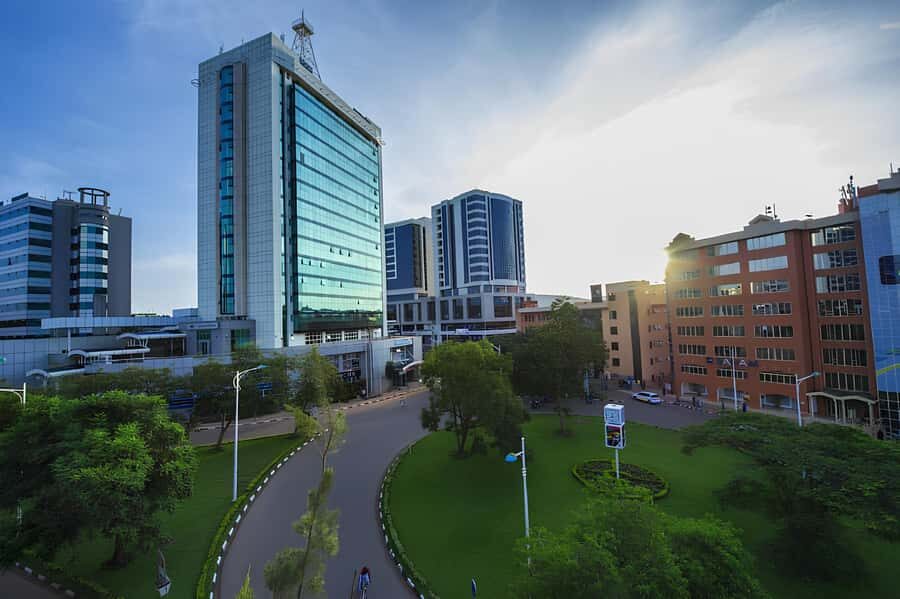
This tour is built for orientation. You start with older Kigali roots and then move toward the new, modern areas—so the city doesn’t feel like a collection of random stops. It’s more like a guided timeline you can see with your own eyes.
Expect a day that’s active but not chaotic. The idea is that by the end, you can explain where Kigali has come from, where it is now, and where it’s heading. That matters if you only have one day in Rwanda or you want to land with a clearer mental map before you do deeper day trips later.
The day also balances “big places” with everyday life. You’ll see museums and viewpoints, then shift to neighborhoods, food, and arts. That mix is what makes Kigali feel real rather than staged.
You can also read our reviews of more city tours in Kigali

How the local guiding feels: names like Bernard, Justin, and Enriche
The backbone of this experience is the local guide. The tour runs with professional guidance in English, French, and Swahili, and you’ll be picked up directly from your accommodation around 9 AM after breakfast.
In the real world, a city tour lives or dies by the driver-guide rhythm and the way the guide handles timing. I like that the best versions of this tour lean into planning: guides who keep you moving, answer questions clearly, and help you fit in what you actually want—like food suggestions and photo-friendly moments.
From the guide variety you’ll encounter, you might be with someone like Bernard (who’s been described as very nice), Justin (who kept time and helped a solo traveler sample different foods), or Enriche (bilingual French/English who mapped out corners of Kigali). You don’t need to know the names to benefit—but it’s a good sign that the tour can match different language and pacing styles.
Kandt House Museum: Rwanda’s timeline in one stop
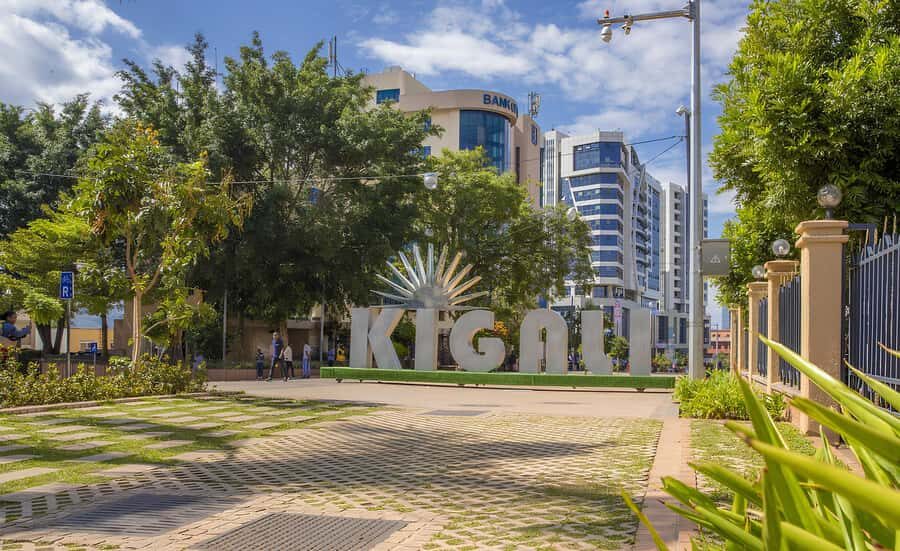
One highlight is the Kandt House Museum, housed in the former residence of Richard Kandt, the first German colonial governor. This isn’t just a building with artifacts; it’s organized into three main sections that help you place Rwanda’s story in time: pre-colonial life, the colonial era under German rule, and the history of Kigali.
You’ll also find natural history exhibits. There’s even a gift shop and live reptiles. That mix can be a plus if you want something more than plaques and photos—especially if you’re traveling with curious minds.
Admission here is included, which makes this stop feel like part of the tour’s value rather than an add-on you have to budget for separately. Give yourself time to read slowly. Kigali’s history can shift in your understanding when you connect the museum story to later neighborhoods you’ll visit the same day.
Tip for your day: If you’re tempted to rush, resist it. The museum sets up the rest of the route, including why remembrance and community resilience matter so much later on.
Juru Park and Mount Kigali: the quickest way to grasp Kigali’s geography
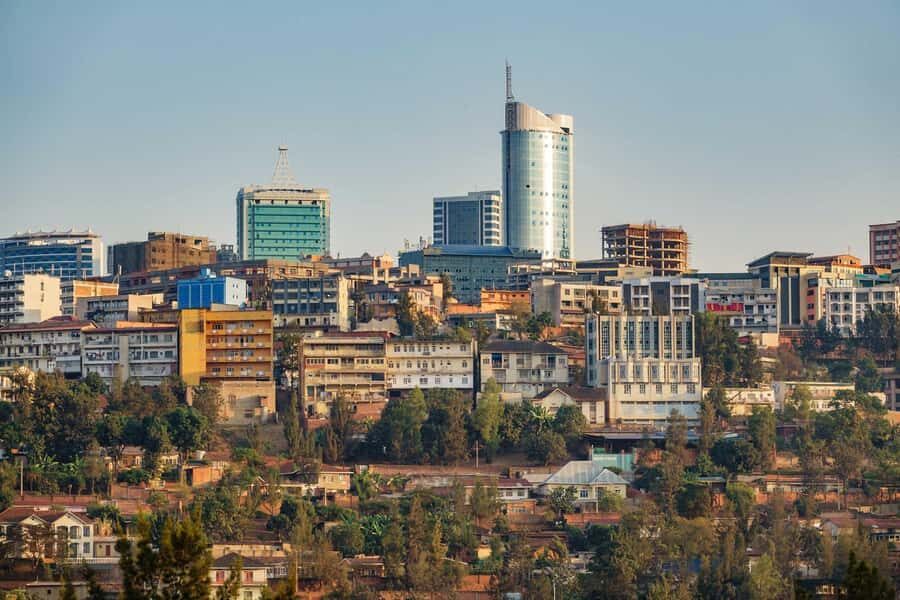
After the museum, you head to higher ground. Juru Park is one of those places that immediately gives perspective. You ascend to one of Kigali’s highest points and take in panoramic views over the city and surrounding countryside.
Then the tour continues to Fazenda Sengha on Mount Kigali. This is where the day turns from “look and learn” to “do and rest.”
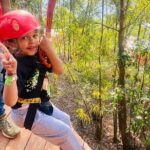
Fazenda Sengha is a recreational center with scenic views plus activities. If you want an active break, you can choose from horseback riding (arena and trails), ziplining, and archery. Quad biking is optional. Bungee trampoline runs seasonally, so you might not see it depending on timing.
Even if you skip the thrill activities, the setting is still a win. You get a stretch of open-air calm after urban walking and museum time. You also get a chance to recharge before the next set of stops.
Good to know: This part of the day can set the pace. If you’re sensitive to heights, plan to watch the activities from a calmer angle. The views are the real reason most people come.
Nyandungu Eco-Park: city calm in a restored wetland
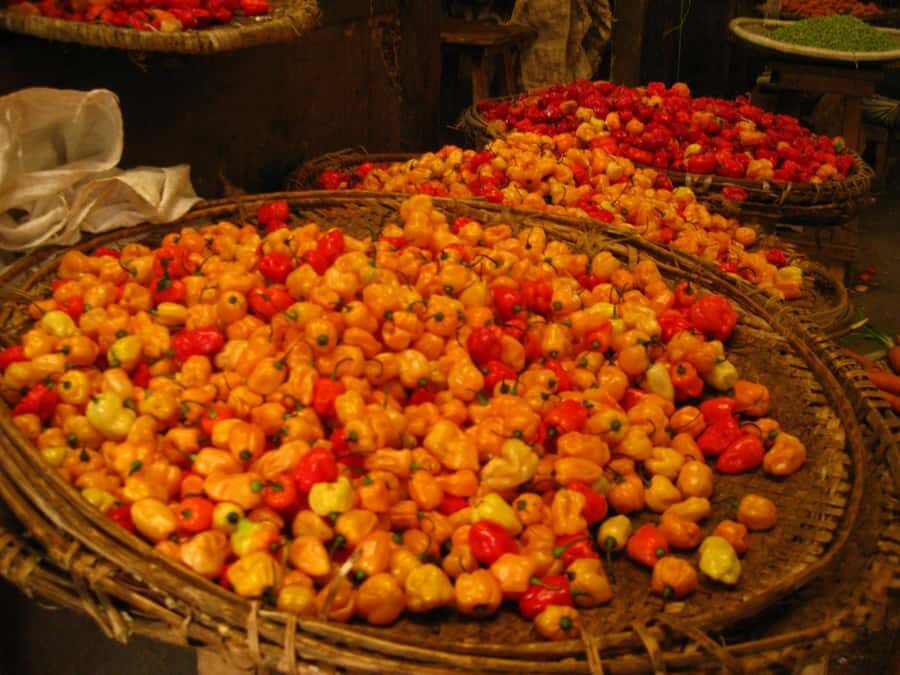
Next up is Nyandungu Eco-Park. This is the escape segment of the tour: explore 121 hectares of restored urban wetland with walking and cycling paths. You’re not just moving through greenery—you’re walking a green space designed for wildlife and birds.
One of the most useful details for bird lovers: over 100 bird species. Even if you don’t do formal birding, you’ll likely spot enough variation to make the walk feel worthwhile instead of just scenic.
Picnic spots are part of the setup, so the park reads as a place to slow down rather than a quick photo stop. That helps if your day is starting to feel packed.
Tip for comfortable pacing: Wear shoes that work on uneven paths. Wetland ground can change as you walk, and good footwear saves your feet for the later neighborhood sections.


Nyamirambo on foot: Biryogo food, women’s center, and arts

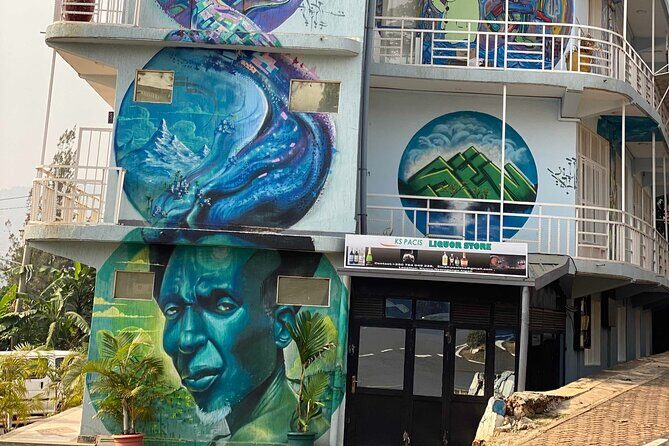
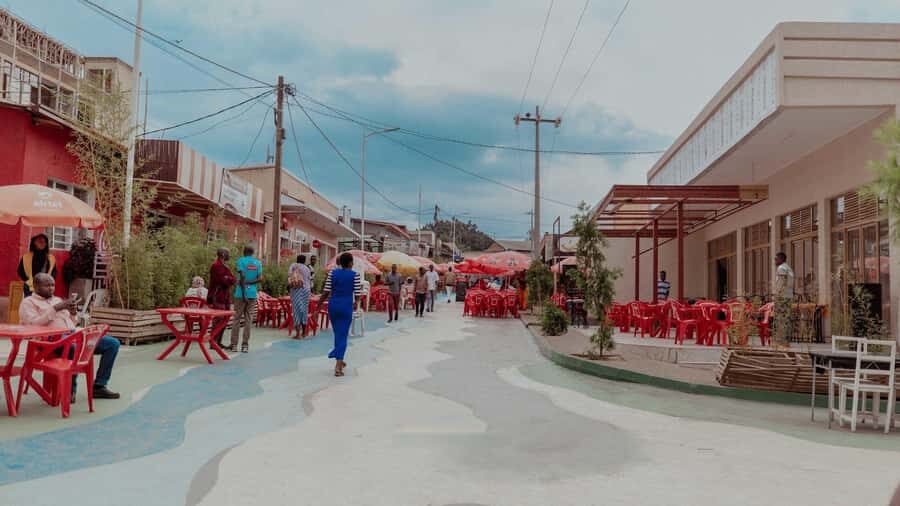
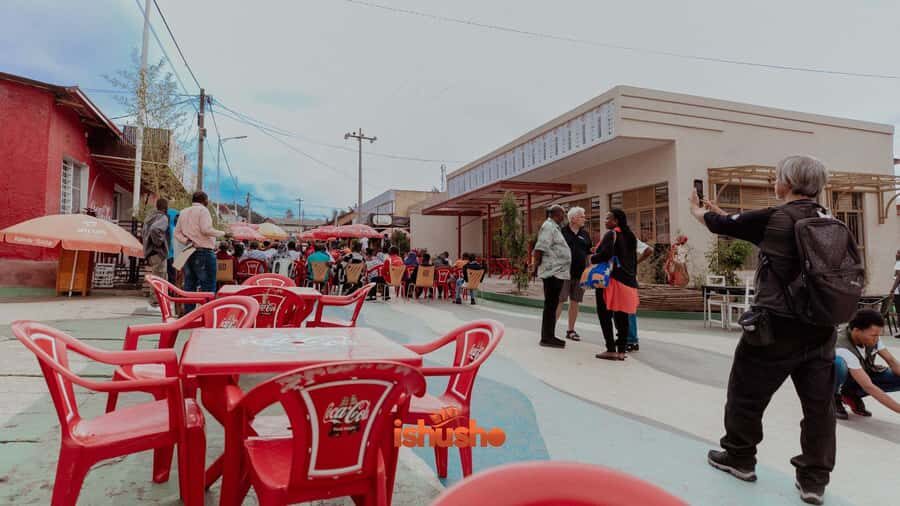
The tour’s heart for many people is Nyamirambo, especially the walking segments. You’ll pass through Biryogo, described as a colorful car-free zone street and a starting point for Kigali city life. It’s famous for cultural variety and food.
This is where you get a walking food experience. The goal is simple: taste local cuisine and learn what’s worth trying. Food here is not an afterthought. It’s part of how you understand how people live day to day.
From there, the tour makes room for culture and community stops. Inema Arts Center is a major one. It’s a hub for contemporary Rwandan art, with galleries, studios, and community initiatives. Live music, dance, or workshops may happen during your visit, and admission is free—so it’s a high-value stop for anyone into modern art and local creativity.
Then you’ll visit the Nyamirambo Women’s Center. This NGO supports local women through education, vocational training, and fair employment. Their product line is called Umutima. The tour includes a walking exploration of community life, and you might have the chance to enjoy a traditional meal or attend a workshop depending on what’s scheduled that day. Admission is free here too.
This sequence matters because it shifts the story from history (museum) and scenery (views/parks) into what happens now—how people learn skills, support each other, and build livelihoods.
Kigali Genocide Memorial: remembrance with education
The tour includes a visit to the Kigali Genocide Memorial. This stop is dedicated to the victims of the Genocide against the Tutsi in Rwanda. It’s described as a place for remembrance and learning, focused on reconciliation and building peace through education.
It’s free to enter, which keeps the emotional and educational impact accessible. This is one of those places where time and attention matter more than speed.
You’ll likely want to slow your pace here. If you’re the kind of traveler who takes notes or wants to understand timelines, this is a good day to do that. The rest of the route gives context for Kigali’s present, but the memorial is where you understand why the past still shapes everything.
Practical note: Expect strong emotions. If you don’t handle heavy historical sites well, plan a gentler final portion of the day and give yourself quiet time after.
Markets and crafts: shopping that feels connected
As the day winds down, the tour includes market time. You’ll visit a local market with fresh vegetables and fruits, plus handmade arts and crafts. There’s also a dedicated arts and crafts market visit as part of the day’s flow.
I like this structure because it helps you shop with context. Instead of buying crafts randomly, you’re doing it after learning about arts centers and neighborhood life. You can see how creativity ties into community support and daily culture.
This is also where you can pick up practical souvenirs—things you can actually use—rather than just decorative items that end up forgotten. If you’re careful with your budget, shopping near the end of the day is helpful because you’re less likely to impulse-buy earlier and later regret it.
Price and value: what $100 buys in one day
At $100 per person, the tour sits in the “good value for a packed day” category—if the timing matches your expectations.
Here’s why the number can feel fair:
- You get pickup and drop-off from your accommodation.
- Transportation is handled in a vehicle (jeep/SUV type).
- A professional guide runs the day.
- Lunch and bottled water are included.
- Several activities are included, not just sightseeing.
- Admission is explicitly included for the Kandt House Museum, and free admission applies to Inema Arts Center, the Nyamirambo Women’s Center, and the Kigali Genocide Memorial.
For a one-day city tour, that coverage reduces decision fatigue. You’re not trying to figure out how to get from a museum to a park to a neighborhood to a memorial on your own.
The main value risk is simple: timing mismatches. One experience reported that the day ended earlier than the voucher window suggested. If your schedule is tight—flight times, another reservation, or a fixed dinner plan—check what your effective end time will be before you assume you’ll have the full 9 AM–6 PM window.
Who this tour suits best (and who should adjust expectations)
This works especially well for:
- First-time visitors who want fast orientation to Kigali
- Travelers who like a mix of history, views, nature, and community stops
- People who prefer a guide to handle driving, timing, and logistics
- Solo travelers who appreciate help finding food and navigating places confidently
You might want to adjust expectations if:
- You’re very schedule-bound and can’t risk a shorter day due to timing differences
- You’re not up for an active day (there’s walking in Nyamirambo and time at parks)
- You want maximum time at only one type of stop (like museums only). This is intentionally a mix.
Because it’s a private group, the pacing can be easier to manage than a big group tour. That said, private doesn’t always mean flexible—so good communication with your guide is still key.
Should you book the Complete Kigali City Tour?
If you want a one-day Kigali plan that covers major history, viewpoints, nature, and real neighborhood life, I think this is a strong booking choice. The included museum and memorial access, the eco-park walk, the Nyamirambo food and arts/community stops, and the Mount Kigali break make it feel like more than a “drive-by” sightseeing day.
Book it if you’re okay with a full schedule and you like moving between different types of experiences. Skip or pick another option if your schedule is too tight to tolerate any timing change.
If you do book, do one simple thing: confirm your expected start and finish timing with the operator before the morning of pickup, so the day matches your plans.
FAQ
What is the duration of the Complete Kigali City Tour?
The tour runs for one day, with pickup at 9 AM and drop-off at 6 PM.
Where does pickup happen?
Pickup is included and you’re picked up directly from your accommodation in Kigali.
What’s included in the price?
The tour includes pickup and drop-off, transportation, professional tour guidance, lunch, bottled water, the activities mentioned, and all taxes.
Which languages are available for the live guide?
The live guide is available in English, French, and Swahili.
Is admission included for the Kandt House Museum and other cultural sites?
Admission is included for the Kandt House Museum. Inema Arts Center and the Nyamirambo Women’s Center have free admission. The Kigali Genocide Memorial entrance is also free.
What activities are available at Fazenda Sengha?
At Fazenda Sengha you can do horseback riding, ziplining, and archery. Quad biking is optional, and bungee trampoline is seasonal.
Do you include food during the day?
Yes. Lunch is included, and there is also a walking food tour in Nyamirambo/Biryogo.
Are there markets included?
Yes. The day includes a local market visit, plus a separate arts and crafts market visit.
Is this a private tour?
Yes, it’s listed as a private group.
Is the tour wheelchair accessible?
Yes, the tour is wheelchair accessible.