REVIEW · KIGALI
Kigali City tour
Book on Viator →Operated by Rwanda Eco Company and Safaris · Bookable on Viator
Kigali hits you with contrast: daily life and deep history. This Kigali City tour is built around three real stops, starting with a Nyamirambo women centre walking visit before moving on to the Kigali Genocide Memorial. I like that it also includes market time and local art, so the day isn’t only about museums.
Two things I’d put at the top of the list are the smooth, well-run logistics and the way the guide keeps things moving. Multiple guests highlighted how communication is handled well from booking through departure, and how drivers and guides (including people like Augustine and Cristian) come across as friendly, respectful, and genuinely helpful.
One consideration: this is a moderate walking day, and it depends on good weather. If you’re sensitive to steps, uneven paths, or heat, plan to take it slow and bring comfortable shoes.
In This Review
- Key Highlights You’ll Care About
- A 5–8 Hour Kigali Day That Feels Local
- Pickup and the Air-Conditioned Comfort Factor
- Nyamirambo Women Centre: Start With Community, Not Icons
- Lunch at a Local Restaurant: Fuel the History Part
- Kigali Genocide Memorial: Time, Tone, and a Guide Who Cares
- Kimironko Market and Art Galleries: End With Color and Choices
- Price and Value: What $200 Buys in Kigali
- Who This Tour Fits Best (And Who Should Skip It)
- The Best Way to Prepare
- Should You Book This Kigali City Tour?
- FAQ
- How long is the Kigali City tour?
- What does the tour cost?
- Do you offer pickup in Kigali?
- What stops are included during the tour?
- Is the admission ticket free?
- What is included and not included?
- Is this a private tour?
Key Highlights You’ll Care About
- Nyamirambo Women Centre walking tour for a close-up look at community life in Kigali
- Kigali Genocide Memorial visit with time to take it in thoughtfully
- Kimironko market + art galleries for color, crafts, and local browsing
- Pickup in Kigali from where you’re staying, then an organized loop through town
- Air-conditioned vehicle that helps you stay comfortable between stops
- Private tour for your group with the option of group discounts
A 5–8 Hour Kigali Day That Feels Local

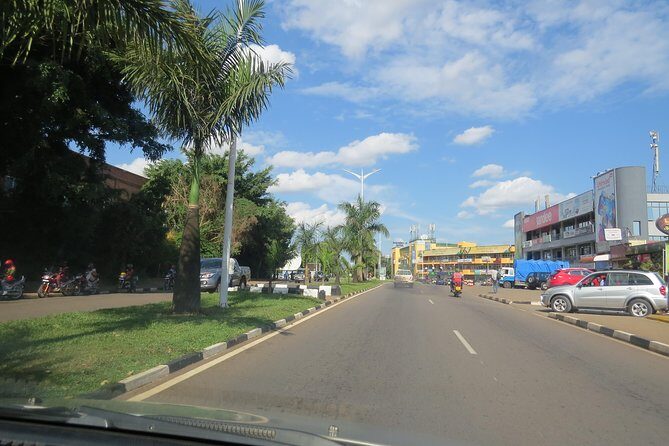
This tour is designed as a full, practical day: pick-up, short briefings, a walking segment, museum time, then a market and gallery stop before heading back. On paper it’s “just city tour,” but the order matters. You start with neighborhood energy, then you shift gears to the country’s most important modern history, and you end with the sights you can actually shop, photograph, and talk about with locals.
The schedule runs for about 5 to 8 hours depending on traffic and pacing, and the structure is clear: you’re not left wondering what’s next. That’s a big deal in Kigali, where you’ll often want to make efficient use of limited time.
You’ll also notice the “value math” is pretty straightforward: the listed price is $200 per person, and the experience includes an air-conditioned vehicle plus admission tickets listed as free. Lunch is not included, and you’ll handle that directly at the local restaurant chosen for the day.
You can also read our reviews of more city tours in Kigali



Pickup and the Air-Conditioned Comfort Factor

The day starts with pickup after breakfast, then a short briefing before heading out. The experience is private, so you’re not merging into a large bus group that has its own agenda. That usually means a more relaxed pace, especially if you’re balancing photo stops with the need to be on time for the next location.
Between stops, you’ll ride in an air-conditioned vehicle, which helps a lot when Kigali weather is warm or the roads are busy. It’s the kind of small practical detail that keeps the day feeling comfortable instead of rushed.
Also, the tour is listed as being near public transportation. That doesn’t mean you’ll be using it during the tour, but it’s a nice sign that you’re not stuck in the middle of nowhere if you need a quick plan adjustment.
Nyamirambo Women Centre: Start With Community, Not Icons
The day begins at Nyamirambo Women Centre, with a briefing on-site and then a walking tour. This is the part of Kigali that feels lived-in: local streets, everyday rhythms, and the sense that the neighborhood has its own character separate from the city-center postcard view.
A walking tour here works for two reasons. First, it helps you understand the area in human scale. Second, it gives you a calmer entry point before you head into a heavy historical visit. If you’re the type who gets emotionally “switched off” in museums, this warm-up helps the day make more sense.
That said, it’s still a walking component. The experience notes a moderate physical fitness level, so wear shoes you’re comfortable in for uneven sidewalk situations and take breaks if you need them.
Lunch at a Local Restaurant: Fuel the History Part
Around midday, you’ll head to lunch at one of the local restaurants. Lunch is not included in the tour price, so you’ll pay directly there.
What I like about this arrangement is that it gives you a “real Kigali” pause instead of bouncing straight from a community visit into the memorial. Lunch also helps you keep your energy steady for the afternoon, when the emotional weight is higher.
If you have dietary needs, the safest move is to tell your guide at the start of the day. The tour info doesn’t list dietary accommodations, so you’ll want to handle that directly with your driver guide as early as possible.
Kigali Genocide Memorial: Time, Tone, and a Guide Who Cares
The afternoon centers on the Kigali Genocide Memorial, with arrival around 1:30 pm and time to visit. This is the kind of site where you’ll want space—space to read, to reflect, and to absorb without feeling yanked along by a tight group schedule.
One thing that stands out from guide behavior in this company’s past experiences is how proactive they can be. In at least one case, a guide helped advocate with memorial staff to open access when something was unexpectedly closed. That tells you the approach is practical and people-focused: if there’s a problem on the ground, the guide doesn’t just shrug and move on.
Admission is listed as free for this experience, which is a real budget win for a stop that many travelers view as essential. Still, go in ready for a heavy experience. This isn’t entertainment; it’s remembrance and education, so keep your camera use respectful and your pace slow.




Kimironko Market and Art Galleries: End With Color and Choices

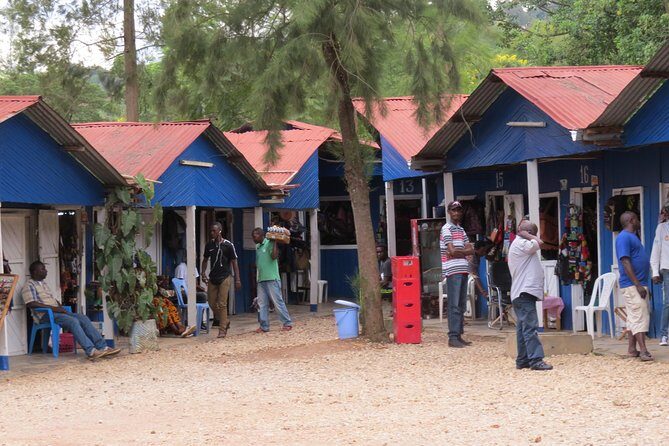
After the memorial, the tour heads to Kimironko market and includes time for some art galleries. This is the part where Kigali shows up in textures: handmade crafts, busy stalls, and that day-to-day trade energy you can only get by actually being there.
Market stops are also where you’ll get the most value from having a guide. You can ask what’s worth seeing, what’s locally made, and what to skip if you’re short on time. The tour doesn’t specify shopping allowances or what you’ll be able to buy, so treat this as browsing time unless you’re prepared to negotiate or ask questions directly.
If you’re into photography, this is your payoff section. It’s also a good place to pick up small gifts because you’ll see a range of creative work in one stretch of the city.
The day wraps up with the return to your hotel around 5:00 pm.
Price and Value: What $200 Buys in Kigali
Let’s talk value honestly. At $200 per person, this isn’t a “barebones” city walk. You’re paying for a private format, pickup, an air-conditioned vehicle, and a guided day that strings together neighborhood life, major history, and local market culture.
Here’s the practical value breakdown:
- Private tour means it’s just your group, not a big shared shuffle.
- Pickup offered saves you time and hassle, especially if your day starts right after breakfast.
- Air-conditioned vehicle reduces fatigue between sites.
- Admission tickets listed as free removes a common museum cost.
- Lunch and alcohol aren’t included, so you’ll budget separately for that.
Could you do it cheaper on your own with taxis and self-guided visits? Yes, potentially. But you’d give up the convenience of having someone handle the flow of the day, plus the on-the-ground guidance that makes walking stops and market time feel less confusing.
For many visitors, that’s the real reason to book: you buy back mental energy.
Who This Tour Fits Best (And Who Should Skip It)
This tour is a strong fit if:
- You want a high-impact day that covers multiple sides of Kigali without planning every turn.
- You appreciate a mix of neighborhood life, history, and market culture.
- You have a limited schedule and want an organized loop.
It’s also a good match for groups with mixed interests and different comfort levels. In one case, a group visiting Kigali for a conference had varied priorities, and the team made sure everyone stayed satisfied.
You might consider a different format if:
- You’d rather avoid walking or you have mobility constraints. The tour asks for moderate physical fitness.
- You’re traveling with very tight timing and can’t flex around traffic or weather. The experience requires good weather.
The Best Way to Prepare
You’ll get the most from the day if you treat it like two different missions: community + reflection, then market + local color.
Practical prep I recommend:
- Wear comfortable shoes for the walking segment at Nyamirambo.
- Bring water for the day, especially if it’s warm.
- Bring a little patience for museum time; this kind of visit doesn’t benefit from rushing.
If you care about photos, decide before you go what you’ll prioritize. The memorial visit deserves a slower pace, while the market section is where you’ll likely want to capture more.
Should You Book This Kigali City Tour?
If your goal is to understand Kigali beyond airport greetings and hotel lobbies, I think this is a solid buy. You get a private, guided day with pickup and comfortable transport, plus a memorable trio of stops: Nyamirambo women-centre walking, the Kigali Genocide Memorial, and Kimironko market and art galleries.
Book it if you want a well-managed schedule that still feels real, and if you’re okay with moderate walking. Skip it or adjust your expectations if you don’t want any walking component or if you’re traveling during uncertain weather.
FAQ
How long is the Kigali City tour?
It runs about 5 to 8 hours, depending on the pace and conditions of the day.
What does the tour cost?
The price is $200.00 per person.
Do you offer pickup in Kigali?
Yes. Pickup is offered from where you are staying in Kigali.
What stops are included during the tour?
The day includes Nyamirambo Women Centre (with a walking tour), lunch at a local restaurant, the Kigali Genocide Memorial visit, and a visit to Kimironko market with some art galleries.
Is the admission ticket free?
Admission tickets are listed as free for this experience.
What is included and not included?
Included: an air-conditioned vehicle. Not included: lunch and alcoholic beverages.
Is this a private tour?
Yes. It’s private, meaning only your group will participate, and group discounts are available.