REVIEW · KIGALI
Kigali: Motorbike Guided Tour
Book on GetYourGuide →Operated by TWIJA AFRICA SAFARIS · Bookable on GetYourGuide
A motorbike makes Kigali feel close. On this private 6-hour loop, you’ll see viewpoints, neighborhoods, and cultural landmarks with pickup and drop-off built in.
I especially like two things: the English-speaking driver-guide who explains what you’re looking at, and the fact that the day includes the Kigali Genocide Memorial with a guided walk. Guides such as Cedric, Japhet, and Sandra have been praised for careful driving and clear, respectful context.
One thing to consider: it’s 6 hours of riding plus stops and walking, so you’ll want to be comfortable on a motorbike and ready for a serious, emotionally heavy memorial visit. Entry fees and full meals aren’t included.
In This Review
- Key points to know before you go
- Kigali by motorbike: why this format works
- Meet your guide: Cedric, Japhet, and Sandra matter
- The 6-hour route, stop by stop (and what each moment is really for)
- Kigali Car-Free Zone: an easy start and a quick orientation
- Belgian Peacekeepers Memorial: photos, guided context, and shopping time
- Kigali Province viewpoint-style stop: scenery plus local browsing
- Kigali Genocide Memorial: the emotional core of the day
- Nyamirambo on foot: everyday streets and local rhythm
- Kimironko Market: browsing with guidance and real free time
- Nijo Eki Nishiguchi and nearby cultural stops
- Inema Arts Centre: creativity you can actually spend time with
- Convention Center Roundabout: a final walk for big-picture views
- Price and value: $50 for a private motorbike day makes sense if you use it right
- What “tailored to your preferences” really means in practice
- Who this tour is best for (and who should think twice)
- Should you book this Kigali motorbike guided tour?
- FAQ
- How long is the Kigali motorbike guided tour?
- Is the tour private?
- What’s included in the price?
- Are meals included?
- Is an English-speaking guide provided?
- What major stops are part of the route?
- Are entry fees included?
- Do you get hotel pickup and drop-off?
- What’s the cancellation policy?
- Can I reserve now and pay later?
Key points to know before you go
- Private, English-language guidance that turns quick photo stops into real understanding
- Kigali Genocide Memorial included, with time to walk and absorb the explanation
- Market and shopping stops like Kimironko, where free time actually lets you browse
- Motorbike + hotel pickup/drop-off for an easier day without planning routes
- Water and snacks along the way, including light bites such as rolex
Kigali by motorbike: why this format works
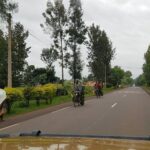
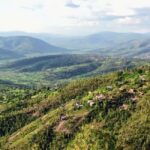
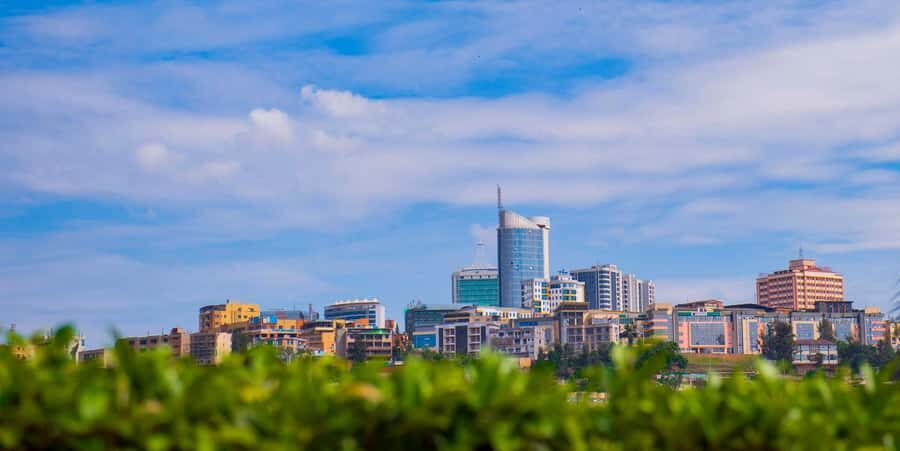
Kigali is hilly, green, and laid out in a way where views change quickly. From a car, you often just pass things. From a motorbike, you feel the city’s rhythm. You get that mix of street-level detail and sweeping sightlines over rooftops and valleys as you move between districts.
What makes this tour a smart choice is the pacing. It’s not just driving from one landmark to the next. You build in short breaks for photos, plus guided time inside the places that matter. And because it’s a private group, you can ask for changes to your priorities—spend longer somewhere you care about, or skim a stop if you’re short on energy.
Value also comes from the setup. For a fixed price, you’re getting the motorbike, an English guide, and hotel pickup and drop-off. That matters in Kigali because you can lose time doing transport errands. Here, the day is handled.
You can also read our reviews of more guided tours in Kigali


Meet your guide: Cedric, Japhet, and Sandra matter
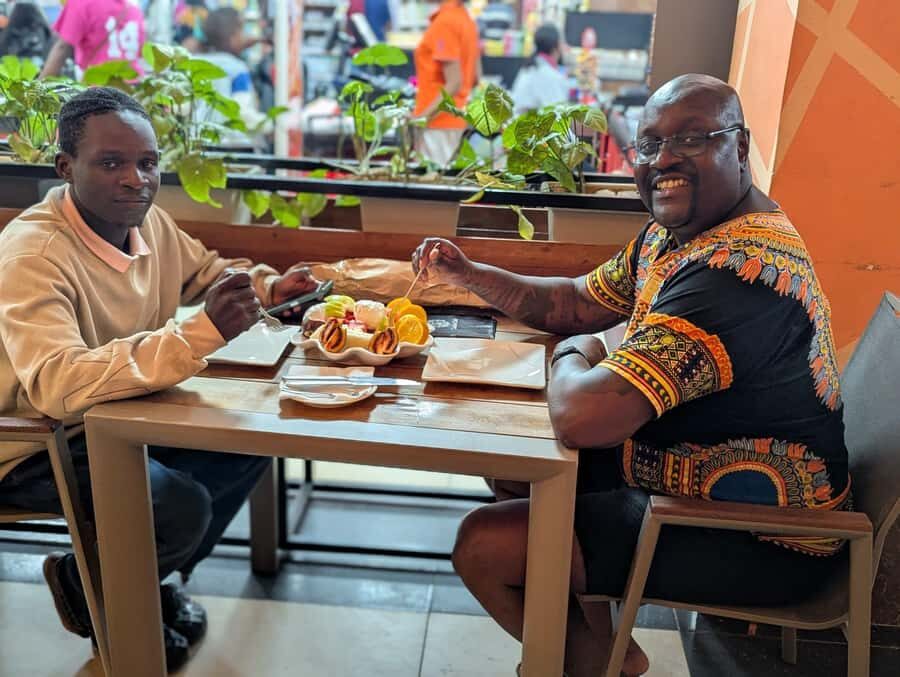
A motorbike tour lives or dies by the guide. The best ones keep the ride calm, choose practical routes, and talk in a way that helps you read the city.
In the feedback I’ve seen, guides like Cedric, Japhet, and Sandra get singled out for a few key habits:
- They drive carefully and treat safety as part of the job, not an afterthought.
- They explain stops in an easy, human way—so you don’t just take photos, you learn what you’re seeing.
- They’re patient when you want extra time for questions, photos, or a slow walk at a memorial.
Japhet, in particular, is praised for meaningful conversation about Rwandan life and how the country has evolved since the genocide. If you like your sightseeing with real talk—not just facts—this kind of guide style is a big plus.
The 6-hour route, stop by stop (and what each moment is really for)
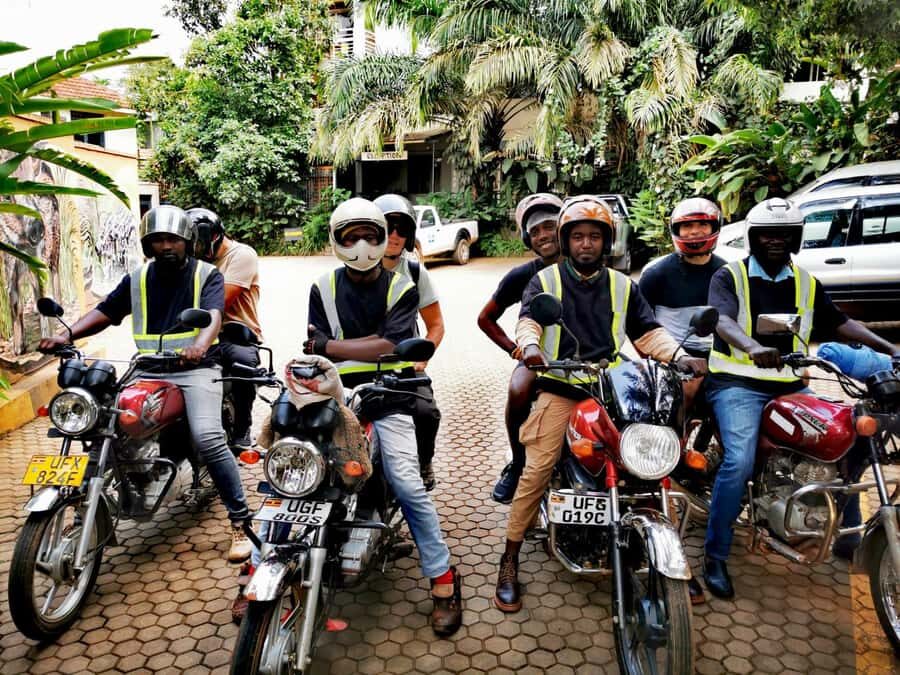
This tour is built as a moving day with short transfers and planned stops. Some sections are mostly for scenic passing and photos; others are for understanding and walking. That balance is what makes the day feel full without turning into an all-day blur.
Kigali Car-Free Zone: an easy start and a quick orientation
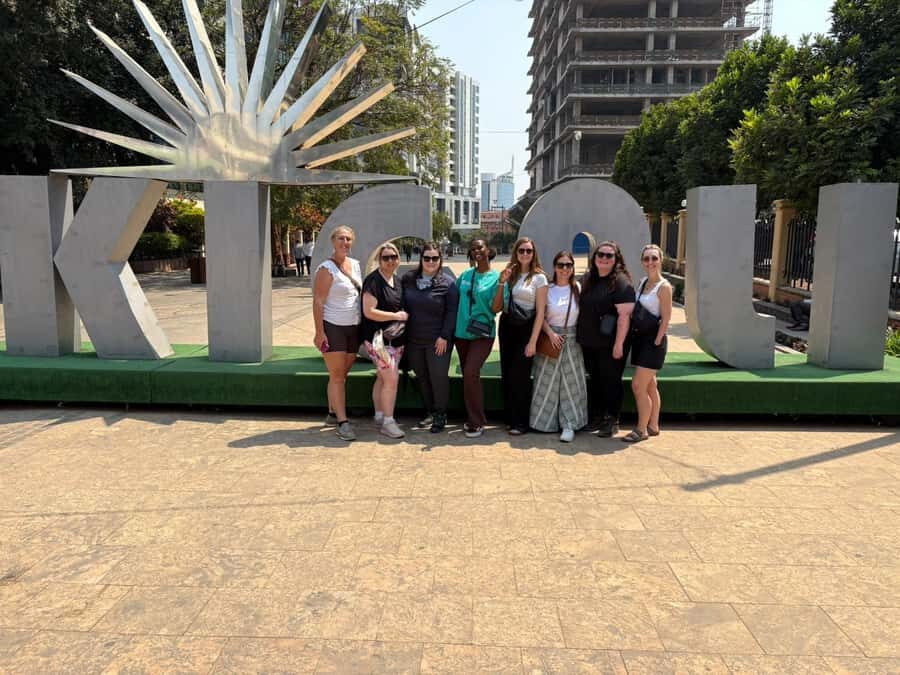
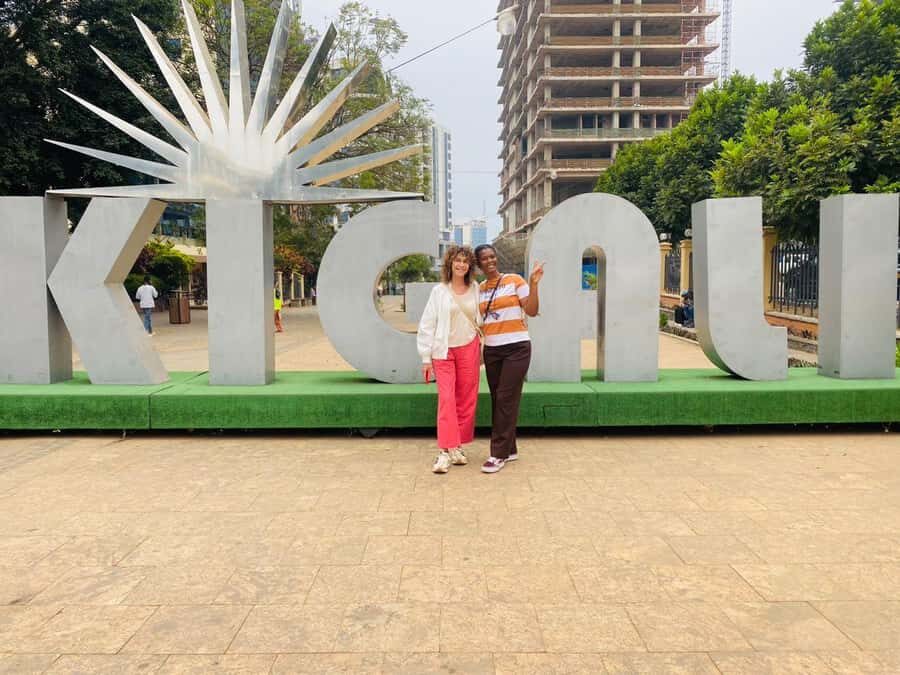
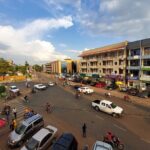
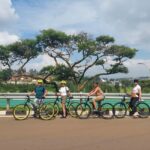
You’re picked up in Kigali and directed into the Kigali Car-Free Zone, with a short break and time for photos. This is a good way to start because it gives you breathing room early—before the day turns heavier with later visits.
Practical tip: use this moment to get your bearings. The guide can set expectations on the ride style, where you’ll stop, and how much walking to plan for later.
Belgian Peacekeepers Memorial: photos, guided context, and shopping time
Next comes the Belgian Peacekeepers Memorial. You’ll get guided time plus a break for photos. There’s also a shopping window here—time set aside so you can pick up small items without rushing.
This stop works well because it’s not just a viewpoint. Memorials change how you see the city. Even if you’re not staying long, the guided portion helps you connect Rwanda’s modern story to the people and events that shaped the region.
Kigali Province viewpoint-style stop: scenery plus local browsing
You’ll then head into Kigali Province for another photo stop and guided time, with shopping time included again.
This is a nice segment if you like the “see the city from different angles” style of touring. It also keeps the ride dynamic: you’re moving between pockets of Kigali’s life rather than circling the same roads.
One note: shopping time is built into the schedule. If you hate shopping, tell your guide what you prefer. Since the tour can be tailored, you can use that slot for photos or extra walking instead.
Kigali Genocide Memorial: the emotional core of the day
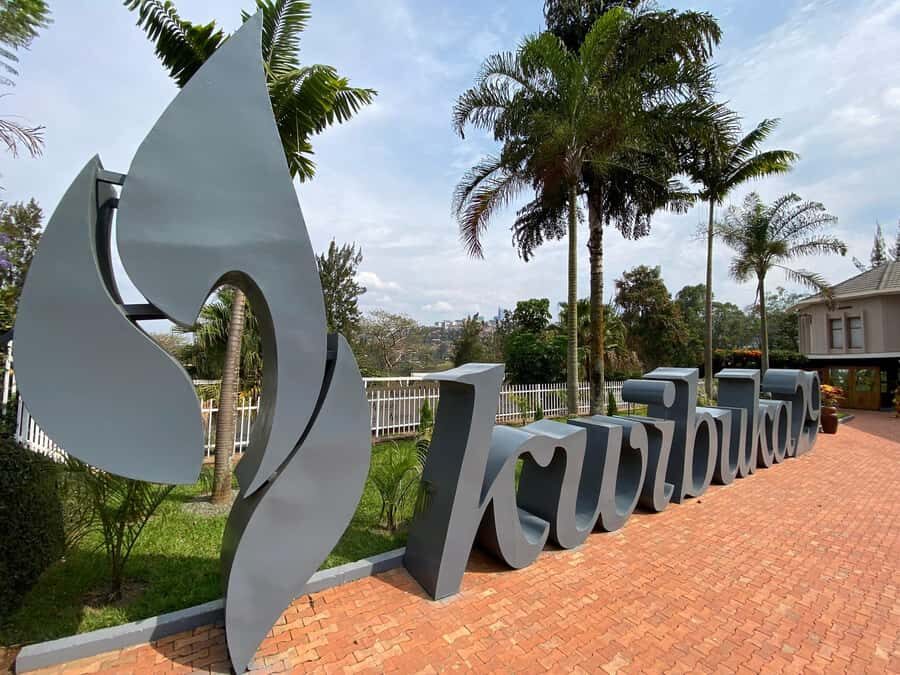
The Kigali Genocide Memorial is the moment that changes the whole tone of the tour. You’ll have time for photos, guided explanation, and a walk.
In the feedback I’ve read, people often say this part is both powerful and sad. That makes sense. A guided introduction helps you understand the genocide of 1994 without treating it like just another stop on a route.
How to be ready:
- Expect it to be heavier than the rest of the day.
- Plan to stay present. If you keep filming nonstop, you’ll miss the point of the guide’s explanation.
- Don’t overload yourself with extra activities afterward. This is the kind of visit that sticks with you.
Nyamirambo on foot: everyday streets and local rhythm
After the memorial, the tour shifts back toward daily life with Nyamirambo. You’ll get guided time, plus free time for sightseeing and a walk.
Nyamirambo is a strong contrast: you’re seeing where people live, not just where history is recorded. The walking time is the key. It’s one thing to view neighborhoods from a motorbike; it’s another to see street-level details on foot while your guide points things out.
Practical tip: wear comfortable shoes. Even if the walk isn’t long, markets and neighborhood streets can be uneven.
Kimironko Market: browsing with guidance and real free time
Then you arrive at Kimironko Market, with guided time plus a longer free window. This is where you can slow down and look at what’s for sale, how people move, and how the market functions day to day.
The guide matters here because markets are sensory. A good guide helps you sort what you’re seeing and where to focus your time. And because you get free time, you can decide whether you want to browse gently or ask questions and learn more.
What to do in your free time:
- Ask about items that catch your eye (you’ll get much more than just a yes/no answer).
- Don’t feel pressured to buy. Use the time to learn the market’s flow.
- Take photos only if you’re comfortable and it feels appropriate on the ground.
Nijo Eki Nishiguchi and nearby cultural stops
You’ll have a stop at Nijo Eki Nishiguchi with a break, photo time, and guided tour, then another nearby visit with guided sightseeing.
This part of the day leans more toward culture and visual interest. It’s a good section to recharge a bit after the memorial and neighborhood walking.
If you’re the type who likes photography, this segment is useful. The guide can also help you spot what’s worth photographing, so you’re not just shooting random corners.
Inema Arts Centre: creativity you can actually spend time with
Next is Inema Arts Centre, with photo time, guided tour, and free time.
Arts centers can be hit-or-miss on city tours, but when you have real free time, you get to choose what you want to focus on. This is where you can linger with exhibits or talk with people involved in the creative side of Rwanda.
In this kind of stop, you’ll usually learn more by asking a few questions than by sprinting through.
Convention Center Roundabout: a final walk for big-picture views
You’ll finish with a break at the Convention Center Roundabout and a guided walk time.
This final stretch is practical. It helps you connect what you learned earlier to where the city is heading now. It’s also a nice decompression before heading back to your pickup location.
A good last walk is the difference between feeling like you collected photos versus understanding a place.
Price and value: $50 for a private motorbike day makes sense if you use it right
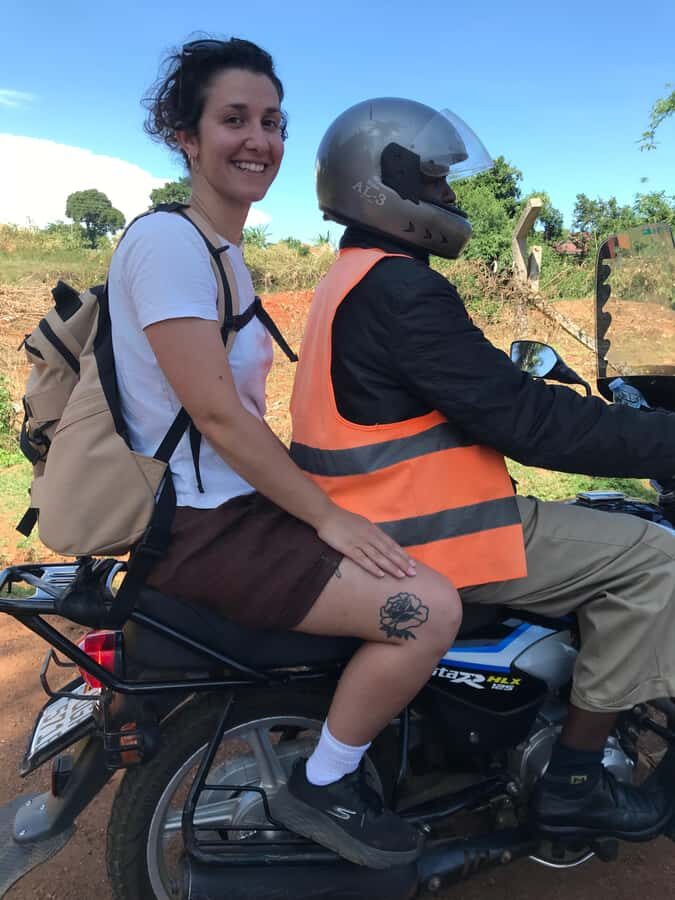
At $50 per group (up to 1) for a 6-hour private motorbike tour, the value depends on what you’d otherwise spend your time doing.
Here’s why it can be a solid deal:
- The motorbike is included, so you’re not renting or negotiating transport.
- You get an English guide with guided time at the places that need it.
- Hotel pickup and drop-off reduces hassle and wasted half-days.
What’s not included is also important:
- Entry fees aren’t included.
- Food and drinks beyond what’s provided aren’t included.
That said, the tour highlights mention you’ll be provided bottle water and snacks like rolex. So you’re not going to be stuck hungry between major stops. Just don’t count on it replacing a full meal.
If you’re traveling solo and want a structured day without juggling taxis, this format is usually the better use of time.
What “tailored to your preferences” really means in practice
You can’t control traffic or the city’s rhythm. But you can control how your day feels.
Because this is a private group, you can usually do things like:
- Spend more time in a place you care about.
- Ask for extra photo stops if you want scenic views.
- Adjust pacing if the memorial walk feels like a lot.
This is also where having the guide you like makes a difference. People praised both the explanations and the relaxed, patient approach—especially with guides like Sandra, who’s noted for smooth pickup and follow-up after the tour.
Who this tour is best for (and who should think twice)
This tour fits you if:
- You want a guided, structured way to see Kigali in one day.
- You like learning while you travel, not just collecting landmarks.
- You’re comfortable with motorbikes and short walks.
It may not be ideal if:
- You’re very sensitive to riding time or would rather sightsee slowly from a vehicle.
- You know you won’t handle the emotional weight of the Genocide Memorial walk well.
In Kigali, that memorial is a major part of the experience. If you’d prefer a lighter day, you might choose a different style of tour.
Should you book this Kigali motorbike guided tour?
I’d book it if you want your day to feel both practical and meaningful: scenic movement, real neighborhood time, and a guided memorial visit that takes the emotional tone seriously.
It’s especially worth it when you care about:
- English explanations that make landmarks understandable
- Markets and shopping stops that are more than just a drive-by
- A private guide whose driving is described as careful and whose pacing feels comfortable
If you’re the type who likes quiet reflection at serious places, plan for that. If you’re more into photos and street life, the route still gives you plenty—just don’t skip the memorial component. It’s the heart of the day.
FAQ
How long is the Kigali motorbike guided tour?
The tour lasts 6 hours.
Is the tour private?
Yes, it’s listed as a private group.
What’s included in the price?
The motorbike, the guide, and hotel pickup and drop-off are included.
Are meals included?
Food and drinks aren’t listed as included. However, the tour highlights say you’ll be provided bottle water and snacks like rolex.
Is an English-speaking guide provided?
Yes, there is a live tour guide in English.
What major stops are part of the route?
You’ll visit places such as the Kigali Car-Free Zone, the Belgian Peacekeepers Memorial, the Kigali Genocide Memorial, Nyamirambo, Kimironko Market, Nijo Eki Nishiguchi, Inema Arts Centre, and the Convention Center Roundabout.
Are entry fees included?
No, entry fees are not included.
Do you get hotel pickup and drop-off?
Yes, hotel pickup and drop-off are included.
What’s the cancellation policy?
You can cancel up to 24 hours in advance for a full refund.
Can I reserve now and pay later?
Yes, it’s offered as Reserve now & pay later.