REVIEW · KIGALI
Specialty Coffee Masterclass
Book on Viator →Operated by Question Coffee - Coffee Experiences · Bookable on Viator
Coffee in Kigali, but make it hands-on. This 2-hour masterclass pairs cherry picking with guided tasting, plus a short history lesson that turns your morning cup into a story. I like the fact that it stays small, limited to 12 people, so you get real back-and-forth with the instructors and local coffee farmers. I also love the structured tasting, where you smell and taste coffees, then use that info to craft a custom blend.
One thing to consider: it is focused on the cafe’s grounds and the coffee experience, not a full-day adventure across Rwanda. If you want a long, multi-stop outing with big sightseeing, this may feel short at 2 hours.
In This Review
- Key moments you should care about
- Entering the Question Coffee Gishushu experience in Kigali
- Two hours that feel like a coffee course, not a sales pitch
- Harvesting coffee cherries on the onsite grounds
- The tasting step: comparing aroma, acidity, aftertaste, and mouthfeel
- Building your own custom blend using your palate
- Price and value: why $50 can actually feel fair
- Who should book this coffee masterclass in Kigali
- Practical tips to make the most of your 2-hour class
- Should you book the Specialty Coffee Masterclass in Kigali?
- FAQ
- How long is the Specialty Coffee Masterclass?
- What does the masterclass include?
- Where does the experience take place?
- How much does it cost?
- How big is the group?
- Is there a take-home coffee?
- Do I need a mobile ticket?
- What COVID-19 requirements are listed?
Key moments you should care about
- Small group, max 12 so you get attention during tasting and blending
- Onsite cherry picking lets you handle ripe coffee cherries yourself
- Coffee tasting across Rwanda with ratings for aroma, flavor, aftertaste, acidity, and mouthfeel
- Short history + supply chain context so you understand what you are tasting
- Take-home bag of your favorite blend based on your own preferences
Entering the Question Coffee Gishushu experience in Kigali
This class starts at Question Coffee Gishushu on KG 8 Ave in Kigali. The setup is friendly and straightforward: you meet there, do the coffee lesson, and end back at the same place. Since it is near public transportation, you do not need to stress about complicated logistics just to reach the start.
The biggest “value” idea here is that you get the coffee supply chain without hopping around the country. You are not just sipping something good and moving on. You get the chain explained, you see the harvest part through cherry picking on the grounds, and then you connect it to what lands in your cup. That is why this feels like more than a tasting session.
A few more Kigali tours and experiences worth a look

Two hours that feel like a coffee course, not a sales pitch
The masterclass runs about 2 hours and stays tightly focused on the parts that actually change coffee. You’ll start with a short coffee history lesson and background on how Rwanda coffee fits into the bigger picture. Then you move into the harvest portion, where the coffee grows right there on the onsite grounds.
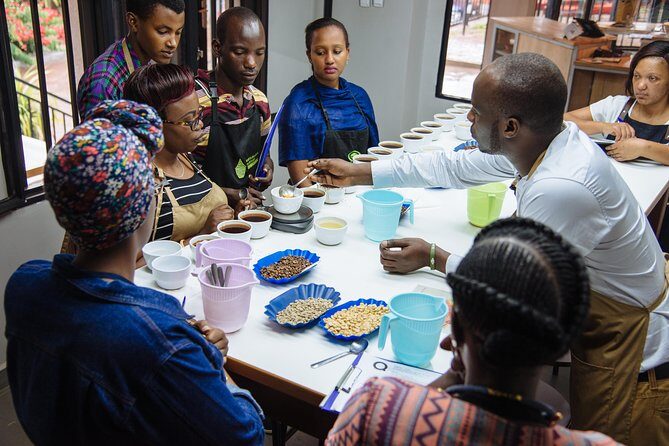
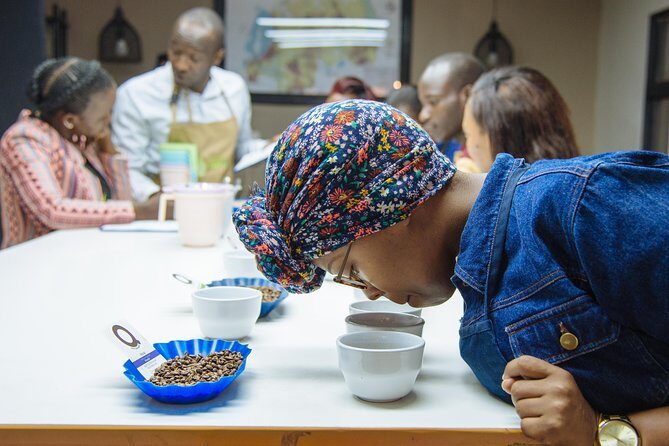
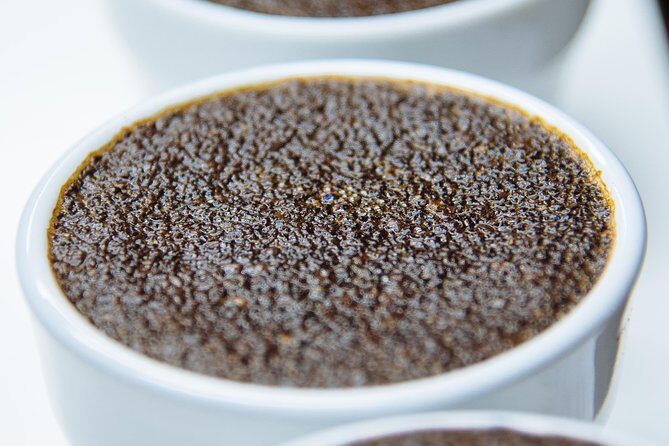
After the hands-on part, the lesson shifts into your senses. You will taste multiple Rwandan coffees and compare them side by side. Some versions of the class are described as tasting 4 or 5 coffees, and either way the format is the same: you smell, taste, and then rate what you notice. After that, you build your own custom blend based on your palate.
A nice touch is that the staff adapt their pace to the group. In past sessions, guides such as Keziah and Patrice were called out for making the process fun and easy to follow in English. Peggy was also mentioned for walking people through history, growing, production, and tasting in a way that clicks. The effect: you understand what you are tasting as you taste it.
Harvesting coffee cherries on the onsite grounds
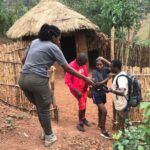
Picking cherries is one of those “this is why coffee matters” moments. You are not guessing what ripe fruit looks like. You get hands-on with the harvest step while the lesson is still fresh in your head.
What to watch for while you pick:
- The ripeness look and feel, since coffee fruit is what the whole cup begins with
- How the trees and surroundings are managed on the grounds, because it connects growing conditions to what shows up later in the cup
- Your own reaction to the process, because once you have picked cherries yourself, the tasting feels more personal
This part is also where the “access” element comes through. The experience is described as giving personal access to local coffee farmers. Even if you are not seeing every stage of processing, you are getting real context from people close to how coffee is grown and handled.
The tasting step: comparing aroma, acidity, aftertaste, and mouthfeel
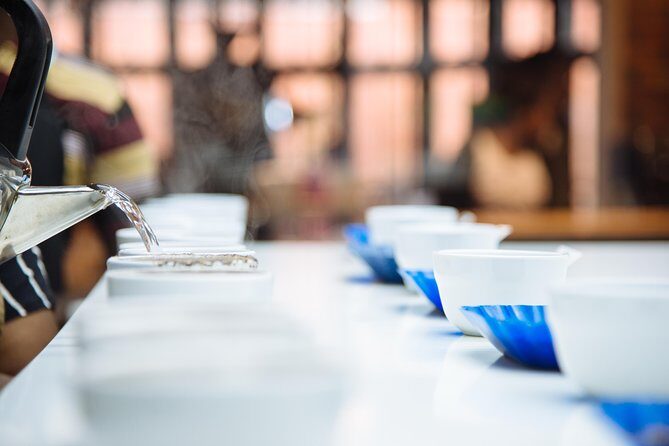
Then comes the fun, and it is more methodical than you might expect. You will smell and taste different coffees from across Rwanda. You are guided through how to evaluate them, and the class uses a tasting-style approach that helps you be specific rather than just saying good or bad.
People have highlighted that they rated coffees for:
- aroma
- flavor and aftertaste
- acidity
- mouthfeel
That framework matters. It turns tasting into a skill you can carry home. Instead of buying whatever label looks nice, you start noticing what you actually like: brighter cups with clearer acidity, or smoother cups with a heavier mouthfeel, or something that leaves a particular aftertaste.
Also, the small-group size helps here. With a max of 12 people, you are less likely to feel like you are standing on the edge of a loud table where nobody can hear you. The guides can check in and keep the tasting moving at the right pace.
Building your own custom blend using your palate
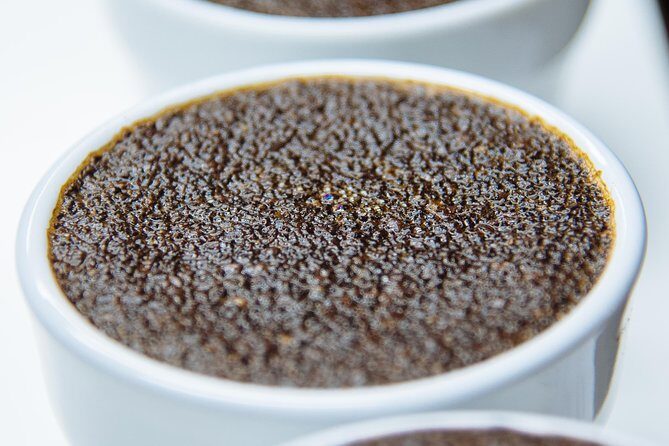
After tasting comes the part most people remember: making a blend that fits your taste. The class walks you through creating a custom blend, and the goal is not to win a coffee contest. It is to translate what you discovered in the cupping into something you can take home.
In some experiences, participants received a bag of their favorite blend to take home, chosen from what they liked during the tasting. One featured comment specifically mentions that after rating multiple coffees, the person ended up with a bag of their best match. If that is available during your session, it is a big value add because you can extend the experience beyond the 2-hour window.
A practical way to approach the blending stage:
- Think back to the ratings you made for aroma, acidity, and mouthfeel
- Choose what you want more of, rather than trying to make everything present
- Aim for a balance you can taste cleanly, not just a blend that sounds exciting
Price and value: why $50 can actually feel fair
At $50 per person, this is not the cheapest coffee activity in Kigali. But the value story holds up if you care about coffee beyond casual drinking.
Here’s what you are paying for:
- A guided lesson that connects coffee history and background to what you taste
- Hands-on cherry picking on the onsite grounds
- Side-by-side tasting of multiple Rwandan coffees with structured evaluation
- Personal access to local farmers during the experience
- A custom blend you help create
- Often, a take-home bag of your favorite blend
When you price these pieces separately, the math starts looking different. You would likely spend similar money just to do a guided cupping and tasting elsewhere, and you rarely get cherry picking plus blending in the same package. In other words, the experience is not just consumption. It is education + participation.
Who should book this coffee masterclass in Kigali
This is a strong fit if you:
- love coffee and want to understand why one cup tastes different from another
- enjoy hands-on activities like cherry picking and structured tasting
- want something small-group and focused, not a long day of driving
It may be less ideal if you:
- want a sightseeing-heavy itinerary rather than a single-theme experience
- do not care about tasting notes or comparing coffees
- expect a multi-stop tour across multiple farms and production sites
If your goal is to come away with a better sense of how Rwanda coffee tastes and why, this hits the mark.
Practical tips to make the most of your 2-hour class
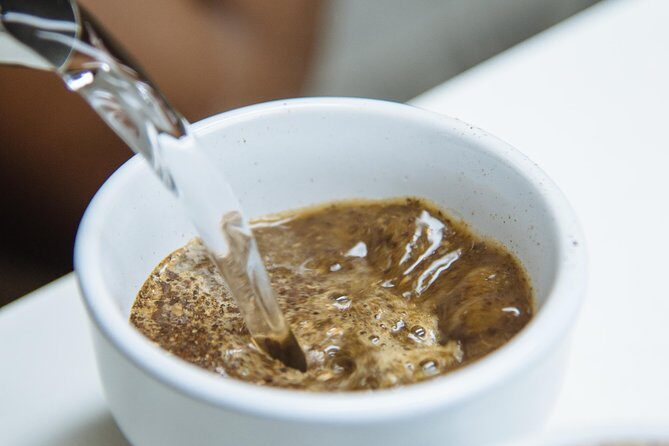
First, go in ready to taste closely. Your best results come when you slow down and pay attention to the categories they use: aroma, acidity, aftertaste, and mouthfeel. If you rush or treat it like just another caffeine stop, you miss the skill-building part.
Second, come with a basic plan for your blend. Even a simple idea like I want brighter acidity or I prefer a smoother mouthfeel helps. Then the blending step becomes faster and more satisfying.
Third, bring yourself in a flexible mindset. Since it is limited to 12 travelers and runs around 2 hours, the flow can be tight. If you ask questions, do it early rather than waiting until the last 10 minutes.
Finally, note the current health rules listed for the activity: negative COVID-19 test results and a mask required. These conditions can change over time, so it is smart to confirm before you go.
Should you book the Specialty Coffee Masterclass in Kigali?
Yes, if you want a guided coffee experience that goes beyond tasting and actually teaches you how to notice what you like. The combination of onsite cherry picking, a tasting framework built around specific sensory traits, and the chance to create your own blend makes this feel worth the price for coffee fans.
Skip it only if you are looking for a broader tour with lots of sightseeing, or if you are not interested in comparing flavors in any detail. If you fall in the coffee-nerd-adjacent category, this is an easy yes.
FAQ
How long is the Specialty Coffee Masterclass?
It lasts about 2 hours.
What does the masterclass include?
You’ll do a short coffee history lesson, pick coffee cherries on the onsite grounds, taste multiple Rwandan coffees, and create your own custom blend.
Where does the experience take place?
It starts at Question Coffee Gishushu, 8 KG 8 Ave, Kigali, Rwanda, and ends back at the same meeting point.
How much does it cost?
The price is $50.00 per person.
How big is the group?
The class is limited to a maximum of 12 travelers.
Is there a take-home coffee?
Yes, you may receive a bag of your favorite blend to take home.
Do I need a mobile ticket?
Yes, the experience includes a mobile ticket.
What COVID-19 requirements are listed?
Negative COVID-19 test results are required and a mask is required.