REVIEW · KIGALI
Women-led Coffee Farm Trek
Book on Viator →Operated by Question Coffee - Coffee Experiences · Bookable on Viator
Coffee, culture, and girl power in one day.
If you care about where your morning cup comes from, this women-led coffee farm trek in Kigali is a great way to connect the dots between Rwanda’s coffee growing and the people who make it happen. You’ll spend the day with female farmers, learning what happens from harvesting to processing to roasting, and you’ll also get a look at the Women’s Opportunity Center at Urugo Eco-Lodge—where crafts and community support are part of the story.
Two things I really like: you get a small-group experience limited to 15 people, and you’re not just watching a slideshow of coffee—you’re seeing steps of the process up close, with a welcome that can include song and dance. One thing to consider: the tour is weather-dependent, so plan for changes if conditions are poor.
In This Review
- Key highlights to zero in on
- Where you’ll start in Kigali (and what to expect after)
- The Urugo Eco-Lodge stop: lunch plus the Women’s Opportunity Center atmosphere
- Coffee farm trek outside Akagera: seeing the work behind the cup
- Harvest, processing, and roasting: the steps you’ll actually be talking about later
- The women-led element: empowerment you can see, not just hear about
- Lunch at Urugo: simple, included, and useful
- Price and value: is $150 really fair for an 8-hour coffee day?
- Small-group logistics that actually matter
- Practical tips for your trek (so you enjoy it, not just survive it)
- Who should book this women-led coffee farm trek?
- Should you book? My decision rule
- FAQ
- How long is the Women-led Coffee Farm Trek?
- Where does the tour start and end?
- Is lunch included?
- How big is the group?
- What does the tour include related to coffee production?
- Do I visit the Women’s Opportunity Center?
- What if the weather is bad?
- Can I get a refund if I cancel?
Key highlights to zero in on
- Max 15 travelers keeps this feeling personal, not rushed.
- Women-led coffee farm access gives you a full view of the work behind the beans.
- Lunch included at Urugo Eco-Lodge, with an admission ticket included for that stop.
- Women’s Opportunity Center visit adds a social-impact layer beyond coffee tasting.
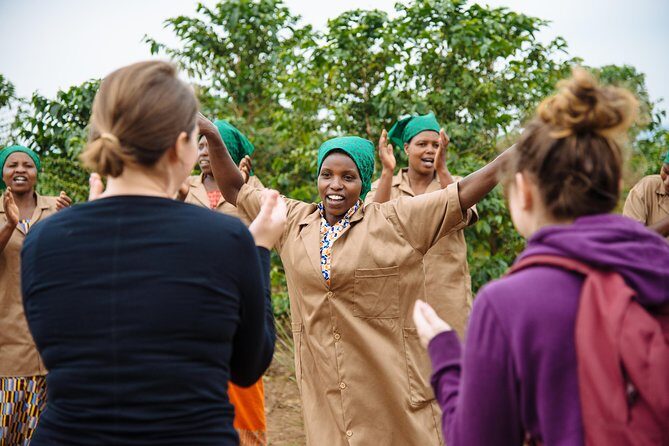
- Song-and-dance welcome is part of the on-site atmosphere, so be ready to participate.
- 8 hours total fits well as a half-to-vanishingly-short day trip from central Kigali.
Where you’ll start in Kigali (and what to expect after)
Your day begins at 8:00am at Question Coffee Gishushu, located at 8 KG 8 Ave in Kigali. The tour runs about 8 hours and ends back at the same meeting point, so you’re not stuck trying to figure out your ride home at the end of the day.
What matters about a start like this is pacing. An early start typically means you’re not fighting crowds or heat, and you have enough time to see real coffee work rather than just a quick taste-and-go stop. Also, because the group is capped at 15, you’ll usually get clearer guidance and fewer bottlenecks when you’re moving between areas.
You can also read our reviews of more hiking tours in Kigali



The Urugo Eco-Lodge stop: lunch plus the Women’s Opportunity Center atmosphere
The first big stop is URUGO ECO-LODGE at the Women’s Opportunity Center. This is the anchor point for the day: you’ll have lunch here, and the admission ticket is included.
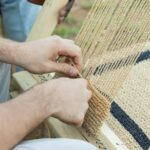
In practice, this stop is more than a convenient meal. It’s where the tour connects coffee to community. The Women’s Opportunity Center is part of the broader idea behind the women-led operation: earning opportunities through cooperative work, plus spaces where you can see handicrafts and other activities tied to the center.
Lunch is built into the schedule for about 1 hour, so you’re not waiting forever or skipping a meal to “make time.” The timing also helps you settle in before you head into the coffee work areas—handy if you’re the type who gets hangry when you’re learning about processing steps.
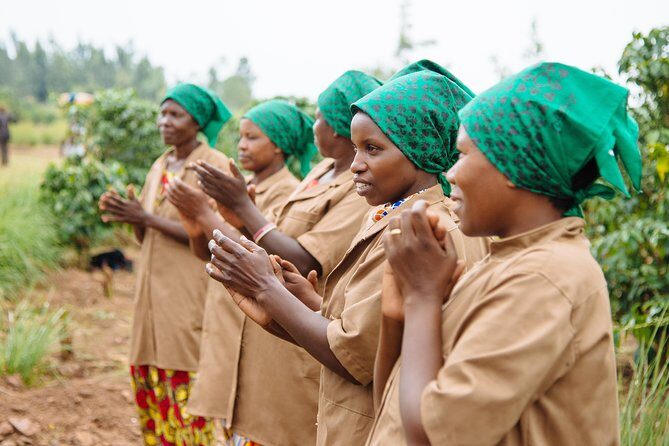
If you like warm, human welcomes, pay attention to the vibe here. Feedback highlights that you may be greeted with song, and you’re encouraged to join in the dancing. You don’t need to be a performer. Just show up and match the rhythm. It’s one of those moments that turns a tour into a memory.
Coffee farm trek outside Akagera: seeing the work behind the cup
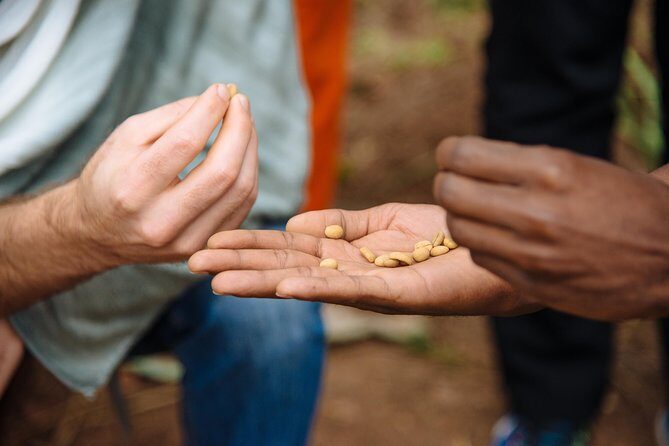
Rwanda’s coffee is famous for delicate, nuanced flavors. What this tour adds is the “how” behind that reputation. Just outside Akagera National Park, you’ll visit a working coffee operation led by female farmers.
Here’s the value of doing it as a trek rather than a classroom. Coffee growing is a long chain of careful choices, and seeing it in the field gives you a sense of scale: where plants sit, how harvesting fits into the seasonal work, and why processing steps matter for flavor.
Because your group is limited to 15, you’re also more likely to get questions answered in real time. That’s the difference between hearing general facts and understanding how the process is actually handled day-to-day by people who rely on the work for income.
Harvest, processing, and roasting: the steps you’ll actually be talking about later
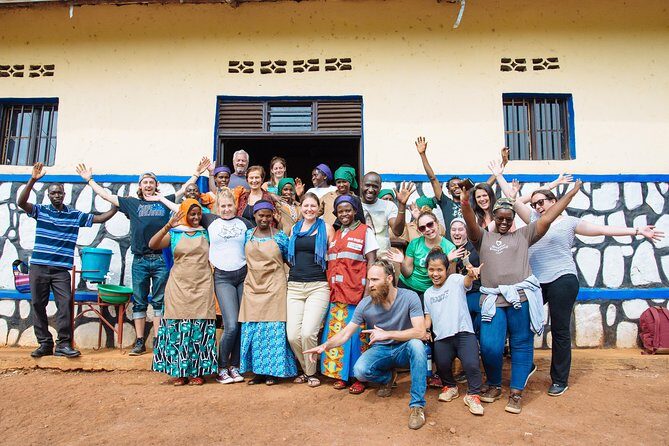
The tour is designed so you can follow coffee from fruit to cup. The highlights specifically include seeing how beans are harvested and roasted, plus “more” along the way. That usually means the tour walks you through the practical stages of producing coffee that drive taste.
While details of each step can vary by cooperative and current season, you can expect to learn what changes as coffee moves from farm to processing area. If you’re a coffee person, this is where it gets fun, because you start connecting sensory notes to real decisions made on the ground.
What to look for as you move through the process:
- Harvesting methods and timing. This is where you learn why getting the right fruit matters.
- Processing steps. You’ll see how coffee gets prepared for drying and how wet versus dry handling affects what you eventually taste.
- Roasting and preparation. You’ll get the chance to understand what roasting does and why it’s the final step before brewing.
The big “aha” here is that coffee quality doesn’t appear magically at the café. It’s built across many hours of labor and a lot of handling. Watching those steps makes your next pour-over or espresso order feel a lot more personal.
The women-led element: empowerment you can see, not just hear about
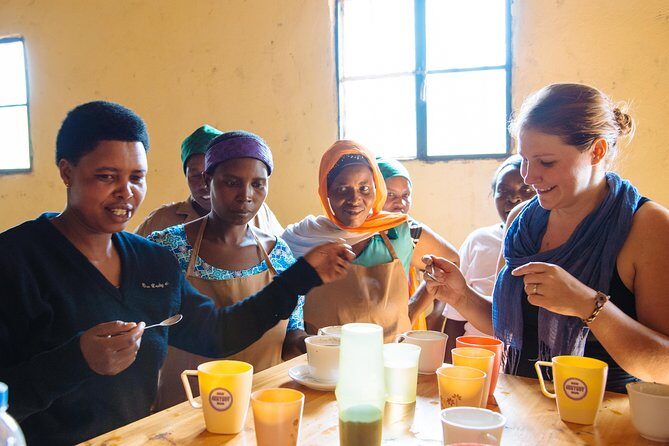
This is a women-led experience, and it’s not stuck in slogans. You’ll visit the Women’s Opportunity Center and a cooperative coffee farm run by female farmers, which means you’re seeing how women contribute directly to the economy and daily operations.
What I like about this approach is that you’re not just “meeting inspiring people.” You’re watching work that supports livelihoods and learning how cooperative systems help structure that work. The handicrafts and center activities also add a second layer: coffee isn’t the only income stream, and the center provides space for wider community participation.
One extra tip: when you hear staff explain the process, ask simple questions. Things like how harvesting is organized, what roles different women take, and what part of the workflow is most time-sensitive. You’ll leave with a clearer understanding of how the operation actually functions.
A few more Kigali tours and experiences worth a look
Lunch at Urugo: simple, included, and useful
Lunch is provided during the Urugo Eco-Lodge stop. Because it’s included and scheduled, you can avoid the classic problem with day trips: spending money on a rushed meal that leaves you tired halfway through the rest of the day.
Also, the one-hour lunch window is long enough to reset your energy without stealing time from coffee learning. If you tend to get distracted when you’re hungry, this built-in meal will help you stay focused for the rest of the trek.
If you have dietary needs, you’ll want to communicate them when you confirm your booking. The details aren’t specified in the activity info, so don’t assume flexibility without checking.
Price and value: is $150 really fair for an 8-hour coffee day?
At $150 per person, this isn’t a throwaway snack tour. But when you break it down, the value is clearer.
You’re getting:
- A full 8-hour experience (not a 60-minute stop)
- A small group capped at 15 travelers
- Lunch included
- Visits that connect coffee processing with the Women’s Opportunity Center
- Admission included for the Urugo Eco-Lodge stop
- A guide and a “walk-through” style explanation as you move through the coffee workflow
You’re also paying for something less measurable: the fact that the day is built around women’s work and cooperative operations. That kind of authenticity tends to cost a bit more than standard sightseeing.
My practical take: if you enjoy hands-on experiences and you’d rather spend a day learning the real steps behind coffee than chasing photos, this price can feel quite reasonable. If you’re only in Kigali for a short time and you just want a quick taste with no learning, you might want to compare against shorter, lower-cost coffee tastings.
Small-group logistics that actually matter
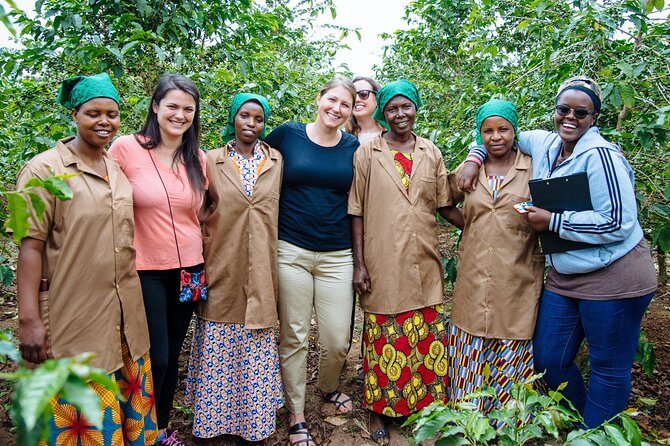
The tour limits you to a maximum of 15 travelers, which changes the experience in real ways.
In a small group, you’re less likely to:
- Feel crowded at processing stations
- Get rushed through explanations
- Lose time waiting for the group to reassemble
You’ll also have an easier time talking with your guide. In feedback, guides can be especially friendly and engaging. One name that comes up is Patty, highlighted as very helpful and involved in the tour experience, including joining the on-site welcome moments.
Another plus: it uses a mobile ticket, which makes it easier to show up without hunting for paper. If you like clean logistics, that’s a real convenience.
Practical tips for your trek (so you enjoy it, not just survive it)
This tour involves a coffee farm trek, so think comfort first.
Bring:
- Comfortable walking shoes with grip
- A light layer, since mornings and later afternoon can feel different
- Sun protection (hat or sunscreen), even if cloud cover looks friendly
- A reusable water bottle if permitted and if you tend to get thirsty during walking tours
On the health side, the activity info indicates that negative COVID-19 test results and a mask were required, so double-check what applies for your travel date. Requirements change over time, but it’s smart to plan as if you might need documentation and follow any on-site instructions.
Also note that service animals are allowed, and “most travelers can participate.” If you have mobility concerns, reach out before booking so you can confirm the farm-walk intensity and whether there are options to adapt.
Finally, the tour requires good weather. If conditions aren’t right, you’ll be offered a different date or a full refund. So if you’re building this into a tight schedule, keep flexibility in mind.
Who should book this women-led coffee farm trek?
This is a strong fit if you:
- Love coffee and want to understand it beyond flavor descriptors
- Care about social impact, especially women-led cooperative work
- Prefer small-group tours with time for questions
- Want a Kigali day trip that feels meaningful, not generic
It can also be a great choice if you’re traveling with coworkers or friends who want something more active and more human than standard museum time. The welcome energy—song and dance included—leans toward a friendly, participatory vibe. If you like that, you’ll probably have a good time. If you prefer quiet, watch-from-a-distance experiences, you might need to mentally prepare yourself to be involved.
Should you book? My decision rule
Book it if you want a real coffee education in a setting where women’s work is central to the day. The combination of hands-on coffee processing steps, lunch at Urugo Eco-Lodge, and the Women’s Opportunity Center visit makes it feel like more than a single-focus activity. Plus, the small-group cap of 15 keeps it from turning into a conveyor belt.
Pass or look for an alternative if you’re mainly after a quick coffee tasting with minimal walking or if your schedule has zero flexibility. Since the experience depends on good weather, a packed itinerary can make this riskier than a purely indoor tour.
If your goal is to leave Kigali with both a better understanding of coffee and a story you can tell later, this one is an easy yes.
FAQ
How long is the Women-led Coffee Farm Trek?
It runs about 8 hours (approximately).
Where does the tour start and end?
It starts at Question Coffee Gishushu, 8 KG 8 Ave, Kigali, Rwanda at 8:00am, and it ends back at the meeting point.
Is lunch included?
Yes. Lunch is included, served at the Urugo Eco-Lodge stop.
How big is the group?
The tour is limited to a maximum of 15 travelers.
What does the tour include related to coffee production?
You’ll see coffee production steps such as harvesting and roasting, along with additional parts of the process as part of the experience.
Do I visit the Women’s Opportunity Center?
Yes. You’ll visit the Women’s Opportunity Center at Urugo Eco-Lodge, including time at that stop.
What if the weather is bad?
The experience requires good weather. If it’s canceled due to poor weather, you’ll be offered a different date or a full refund.
Can I get a refund if I cancel?
Yes, cancellation is free up to 24 hours in advance for a full refund. If you cancel less than 24 hours before the start time, the amount you paid isn’t refunded.