REVIEW · KIGALI
Rwandan Coffee Experience
Book on Viator →Operated by Azizi Life · Bookable on Viator
The best coffee days teach you the process, not just the product, and this one does both. I love the hands-on coffee workflow—from selecting ripe cherries to pulping, drying, then hand roasting and grinding. I also love the people side: it felt genuinely rural and unscripted with Bona and the cooperative ladies leading the way.
You’ll spend hours learning by doing, and the day builds in natural breaks for conversation. The home-style lunch is part of the experience, too, with a chance to ask questions about daily life while you eat what the family would normally prepare.
One consideration: expect uneven ground and some walking in the village and fields, so bring a moderate level of fitness and comfy shoes.
In This Review
- Key highlights worth planning for
- Entering the Azizi Life day near Kigali
- The real value in the hands-on coffee process
- Stop 1 at the fields: choosing cherries and learning by doing
- Washing, pulping, and drying: where most visitors lose the plot
- A home-style lunch and community conversation
- The satisfying finish: hand roasting and grinding
- Price and logistics: what $90 gets you (and what it doesn’t)
- What the tour feels like in real life
- Who should book this coffee experience
- What to bring so the day is smooth
- Should you book this Rwandan Coffee Experience?
- FAQ
- How long is the Rwandan Coffee Experience?
- Where does the tour start and end?
- What is included in the price?
- What is not included?
- What is the meeting-time window?
- Is this tour private or group-based?
- What fitness level is required?
- Are children allowed?
- What is the cancellation policy?
Key highlights worth planning for
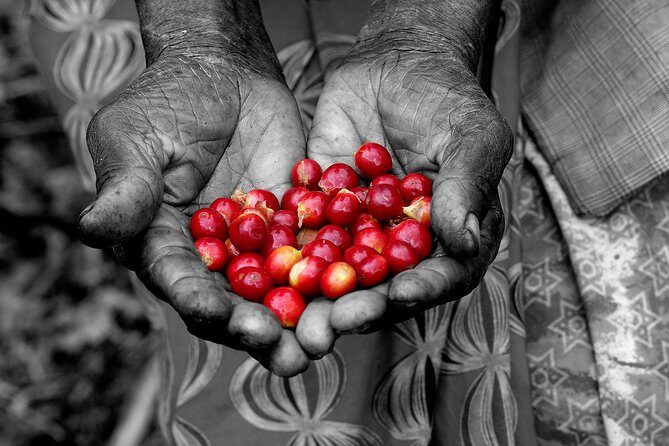
- Hands-on from cherry to cup: You’ll pick, wash, pulp, dry, then roast and grind.
- A real cooperative welcome: Time with the Azizi Life team and the ladies who manage the work.
- Local lunch, not a buffet: You eat like the family eats and you can ask questions while you’re seated.
- Bona as a steady guide: You get a clear explanation of what you’re doing and why it matters.
- Tea/coffee included with breaks: You’re not just working; you also get served along the way.
- A private group feel: It’s only your group, which makes the day more relaxed.
Entering the Azizi Life day near Kigali
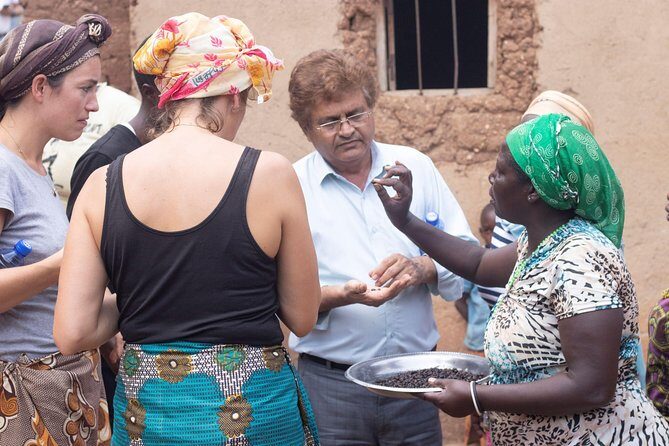
This coffee experience is built around a simple idea: you step into the coffee cycle and do the same kinds of tasks locals do. The tour meets at NR1 in Gitarama, then you head out by car to the village area where the work happens. It’s scheduled in a morning window, so you’re usually settled and active early, before the day gets hot.
What makes it more than a standard demo is the pace. You’ll get dressed in appropriate attire for the day’s activities, then you move through the workflow step by step. It’s not rush-rush tourism. It’s closer to a guided workday with breaks for learning and food.
Also, the vibe is notably practical. Even when you’re tasting coffee later, you understand how it became what it is. That’s a huge difference from tours where you mostly watch someone else perform.
A few more Kigali tours and experiences worth a look


The real value in the hands-on coffee process
You’ll learn coffee the way it’s made, not the way it’s marketed. That means you pay attention to inputs—cherries, water, drying time—and how each stage affects the final cup. The tour focuses on the fundamentals: harvesting the right cherries, processing them carefully, then roasting and grinding by hand.
Here’s the key shift you’ll feel: once you’ve done a few steps yourself, your coffee knowledge stops being abstract. You start noticing what “good coffee” actually relies on, from picking ripe cherries to letting the drying process do its work. Even if you’ve had coffee your whole life, you’ll likely come away with a new respect for the process.
And yes, you’ll taste along the way. Coffee and/or tea is included, and the day gives you multiple moments to compare what you’re doing with what ends up in the cup.
Stop 1 at the fields: choosing cherries and learning by doing
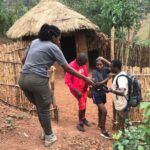
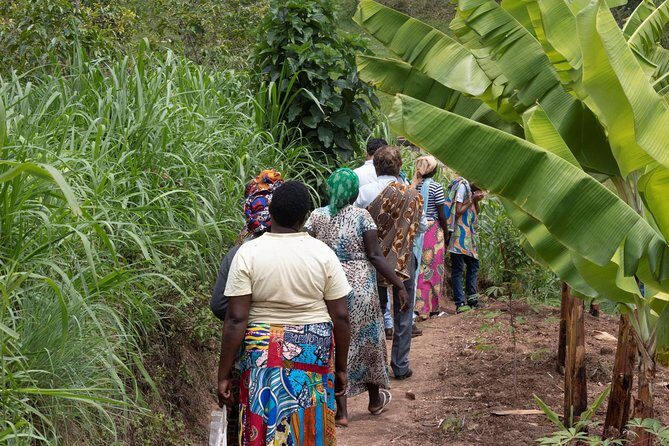
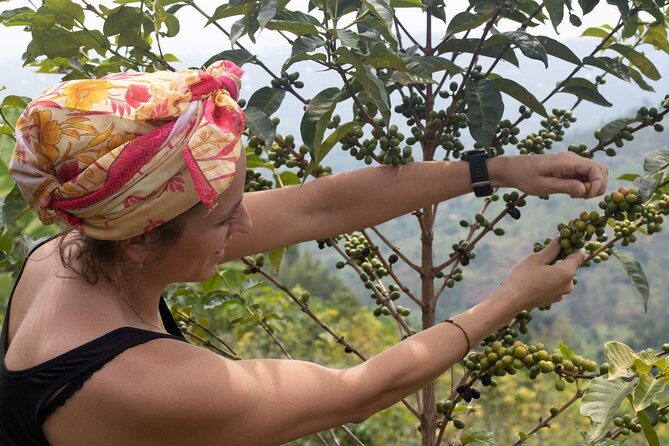
The morning starts with a briefing, then the drive out to the village. When you arrive, you’re welcomed and fitted with clothing suited to the work. After that, you head to the fields and coffee plants, where the focus is on learning how to select the right cherries.
Picking is a skill because not all cherries are equal. You’ll practice choosing cherries that are ready, and you’ll hear how harvest decisions change the batch. This part matters because it’s where coffee quality starts—before washing, before pulp removal, before roasting.
If you’re expecting a quick photo stop, adjust your mindset. This is hands-on learning. You’ll spend time on the plants, and you’ll likely end up looking at coffee cherries differently long after the tour ends.
Washing, pulping, and drying: where most visitors lose the plot
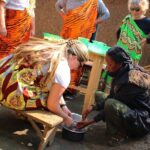
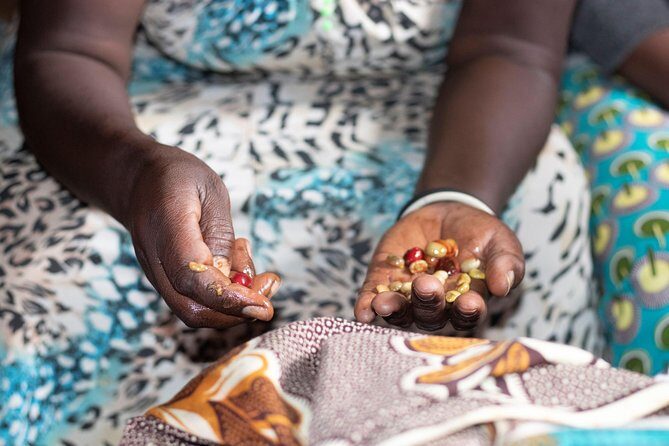
After the harvest, the day shifts to processing. You’ll help with tasks like collecting water, and then you’ll wash and pulp the coffee cherries. The tour also covers drying—coffee needs that careful drying stage so it can be roasted later.
This is where I think the experience really pays off. Coffee tours often gloss over processing, because it’s not glamorous. Here, you’re part of it, so you understand that the flavor you love depends on handling during washing, pulping, and drying.
You may also have the option to help with food preparation in the kitchen while water is collected. That’s a smart design choice, because the coffee work can be cyclical—waiting on steps like water collection or drying needs—and the day uses that time to keep you involved.
A home-style lunch and community conversation
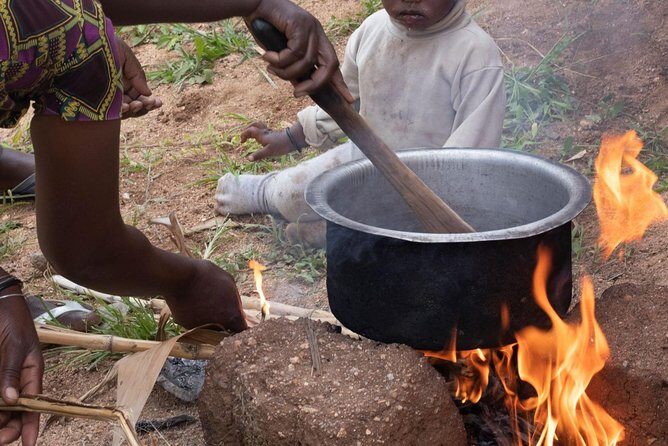
Lunch is local Rwandan food prepared in the community style, and it’s served in a way that lets you slow down. This isn’t just fuel between activities. It’s built into the learning, because it places coffee within daily life.
One of the best parts is the chance to ask questions about life in the community. You’ll be eating what the family would normally eat, not a “tour-only” version that feels separate from reality. If you like travel that connects food to people and place, this lunch slot is a big reason to book.
As for practical timing, lunch also helps break the intensity of the fieldwork. After harvesting and processing, you get a reset before the later roasting and grinding.


The satisfying finish: hand roasting and grinding
Once the coffee is dried, the tour moves into the fun finale: hand roasting and grinding. This is the part many people imagine before they come, but here it lands differently because you’ll already have done earlier steps.
Roasting is where smell starts telling the story. Grinding is where texture becomes real. By this time, you’ve moved from “I’m watching coffee” to “I’m making coffee happen,” and that changes how you taste at the end.
You’ll also get coffee and/or tea included, so you’re not left without a payoff. If you’re the kind of person who likes to understand why something tastes the way it does, this ending is very satisfying. Even if you don’t become a coffee nerd overnight, you’ll at least understand the chain of work that brought the cup to your table.
Price and logistics: what $90 gets you (and what it doesn’t)
At $90 per person for a roughly 5 to 8 hour day, the value comes from the fact that you’re not just observing. You’re participating in multiple stages of coffee production with a local guide and tour host, plus local lunch, bottled water, and coffee/tea.
A big part of the cost also covers the drive from the Gitarama area meeting point and the return end back at the same meeting point. The tour includes return transport from Muhanga (Gitarama) town to the village, which reduces guesswork once you’re in the area.
What’s not included: transportation from Kigali. The tour operator can arrange it for an additional charge, but you’ll want to confirm your pickup plan if you’re staying in Kigali. If you’re trying to keep your day simple, either plan your own way to the start point or request a Kigali pickup early.
Also keep in mind the morning hours. The start window listed is 8:00 AM to 11:00 AM, so your day needs to begin early, not late.
What the tour feels like in real life
Based on the tone people often mention in their feedback, this is not a high-pressure sales day. You’re there to learn and work with the cooperative team, and the experience feels grounded in relationships rather than transaction. That’s a rare thing, especially when tours include shopping stops.
That said, there may be time at the start at Azizi Life to grab coffee with pastry and browse local artisans. If you want to keep your budget tight, just treat any gift shop as optional—because the core value is the coffee day, not the souvenirs.
You’ll also want to remember it’s a private tour/activity, meaning only your group participates. That helps if you want a more personal pace, fewer waiting games, and better chances to ask questions during the day.
Who should book this coffee experience
This tour is a great fit if you:
- enjoy hands-on activities more than passive sightseeing
- want to understand coffee as a process, not a product
- like meeting local hosts and asking real questions over lunch
- feel comfortable with moderate walking and uneven surfaces
If you’re traveling with kids, note that children must be accompanied by an adult. The tour also indicates there’s a child rate only when sharing with two paying adults, so check details when you book. If your group has mobility limits, it’s smart to evaluate the uneven ground factor before committing.
For couples and small friend groups, the private format makes it even more enjoyable. For families, the mix of fieldwork, kitchen help options, and food breaks can keep things moving at a doable pace.
What to bring so the day is smooth
Because you’ll be in the fields and moving through uneven areas, pack for comfort. Wear closed-toe shoes you don’t mind getting a little dusty. Bring a light layer, since mornings can feel cooler before the day warms up.
You’ll also be on your feet for hours, so I’d plan for hydration—though bottled water is included. If you tend to get sunburned, bring sunscreen and a hat. The day’s early timing helps, but Rwanda sun can still be strong.
If you like to capture the moment, bring your camera, but focus first on the hands-on steps. The best photos will be the ones you take while you’re already paying attention to what you’re doing.
Should you book this Rwandan Coffee Experience?
I’d book it if you want a coffee day with real work, not a “look and leave” format. The $90 price feels fair when you factor in the full cycle you practice—harvesting, washing and pulping, drying, plus hand roasting and grinding—along with lunch and coffee/tea. The most convincing reason is simple: you leave understanding coffee in a way that sticks.
Pass on it only if you want a low-movement, purely scenic tour. The fields and processing steps mean you’ll be active, and the terrain is described as uneven. If you’re okay with that, this is one of those experiences that turns a common drink into something personal and memorable.
FAQ
How long is the Rwandan Coffee Experience?
The experience runs about 5 to 8 hours.
Where does the tour start and end?
It starts at NR1, Gitarama, Rwanda, and ends back at the same meeting point.
What is included in the price?
The tour includes bottled water, lunch, local guide, tour host, return transport from Muhanga (Gitarama) Town to the village, and coffee and/or tea. Gratuities are also included.
What is not included?
Transportation from Kigali is not included, but it can be arranged on request for an additional charge. Items at the gift shop are not included.
What is the meeting-time window?
The experience hours listed are 8:00 AM to 11:00 AM, Monday through Sunday.
Is this tour private or group-based?
It is private for your group only. You won’t mix with other participants.
What fitness level is required?
You should have a moderate physical fitness level, and you should be prepared for uneven surfaces.
Are children allowed?
Children must be accompanied by an adult. A child rate applies only when sharing with 2 paying adults.
What is the cancellation policy?
Free cancellation is available. You can cancel up to 24 hours in advance for a full refund.