REVIEW · KIGALI
Kigali: Traditional Coffee Experience ( Bean to Brew)
Book on GetYourGuide →Operated by NuttinTODO · Bookable on GetYourGuide
Coffee, but with your sleeves rolled up. This Kigali experience is a bean-to-brew journey that walks you from fruit and roasting to your own cup, with plenty of time for hands-on work and real conversation.
I especially like how physical it is: you’re not just watching, you’re doing the steps that turn coffee into drinkable aroma. I also love the tasting finish, including black coffee and a ginger-prepared option, served in a setting connected to community arts and training.
One consideration: it’s not suitable for people with food allergies, so if you have any allergy concerns, make sure you plan accordingly before you book.
In This Review
- Key highlights I’d plan around
- From coffee fields to your cup in about three hours
- Umurishyo Arts Gallery: your starting point, not a random stop
- The coffee field tour: where the story begins
- Traditional and modern roasting: the hands-on part that sticks
- Grinding, brewing, and tasting: black, ginger, and the “so what” moments
- The cultural exchange: coffee plus Kigali life
- Price and value: what $50 actually buys you
- Logistics that matter: timing, transport, and what to bring
- Who should book this Rwanda coffee workshop
- Should you book Kigali Traditional Coffee Experience: Bean to Brew?
- FAQ
- How long is the Kigali Traditional Coffee Experience?
- Where does the experience start?
- What’s included in the $50 per person price?
- Is it suitable for people with food allergies?
- What languages are the instructors available in?
- Can I cancel, and do I have to pay immediately?
Key highlights I’d plan around

- Field-to-cup steps inside a Kigali coffee program, not a long bus ride
- Hands-on roasting using both traditional and modern methods
- Exclusive tastings with local blends plus a ginger-style brew
- Cultural connection through the arts center’s people and projects
- Friendly, patient instruction from guides including Deborah, Gilbert, John, and Chaplan
From coffee fields to your cup in about three hours

This is one of those Kigali activities that feels short on paper and satisfying in real life. At 150 minutes to 3 hours, you get enough time to learn the process, try the process, and still sit down to taste what you made.
The schedule is built around a simple idea: if you understand what happens to the coffee bean before it reaches your cup, Rwanda’s coffee story makes way more sense. Instead of treating coffee like a mystery product, you see the choices people make along the way.
A few more Kigali tours and experiences worth a look
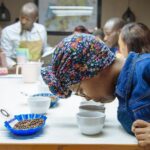
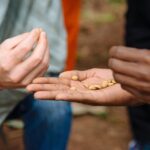

Umurishyo Arts Gallery: your starting point, not a random stop

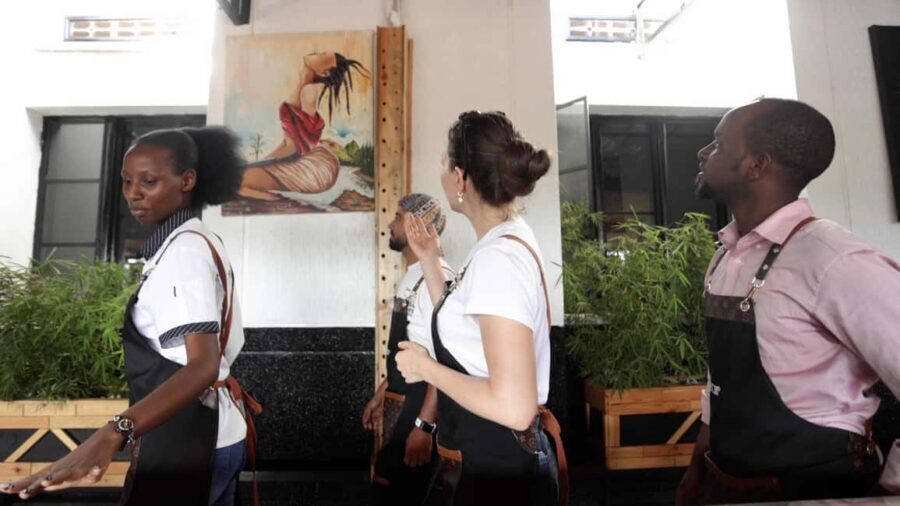
You meet at Umurishyo Arts Gallery, which matters more than you might think. It’s not just a backdrop for your photos; it’s tied to the people running the program and the broader cultural work happening in Kigali.
One participant described the surprise of starting in the middle of the city rather than driving far out to a plantation. That can be a plus if you want coffee culture without losing half your morning to traffic and timing.
Also, the welcome can be memorable. I’ve seen accounts of getting greeted with drums at the start, which sets the tone fast: this isn’t a sterile workshop. It’s a living space where coffee, art, and community intersect.
The coffee field tour: where the story begins
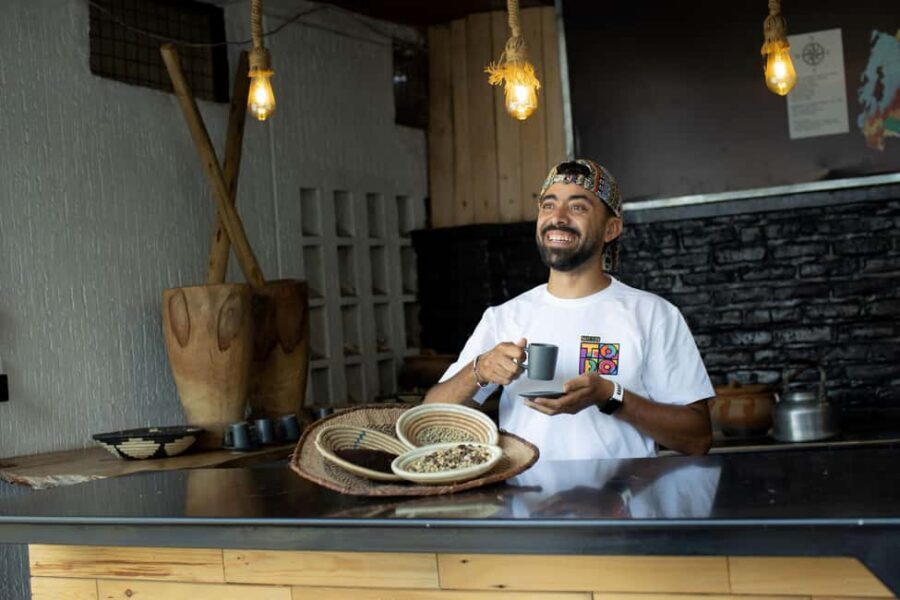
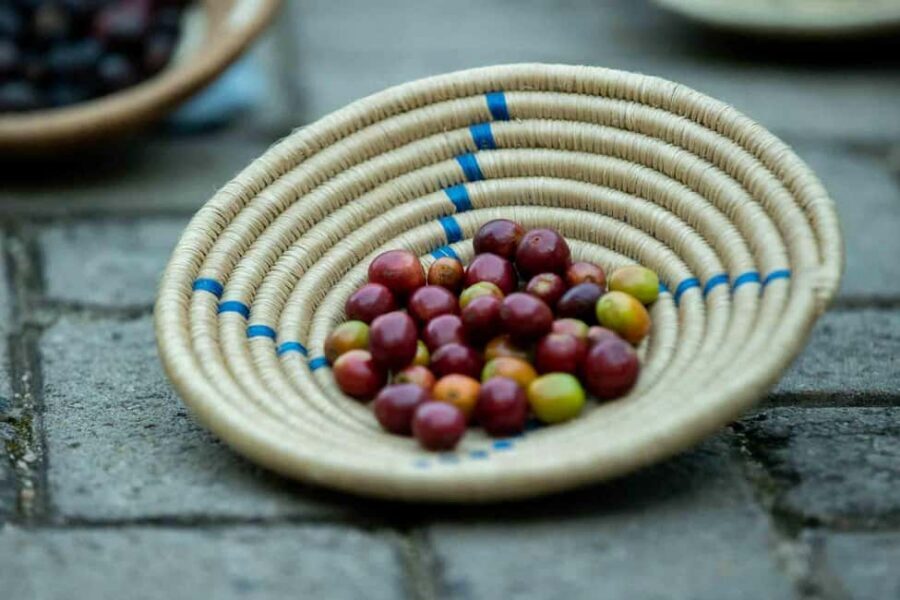
The experience starts with a guided tour of the coffee fields at the coffee shop location. Even if you’re not an expert gardener, you’ll come away with clearer ideas about cultivation and why Rwanda’s growers take the work seriously.
What I like here is the pacing. You’re not thrown into jargon. You’re guided through the steps people use to nurture coffee so it can survive roasting and brewing.
This part also helps you spot what you’ll notice later in the tasting. When you understand the path from crop to bean, you’re more likely to pay attention to differences in aroma and flavor, instead of just drinking coffee.
Traditional and modern roasting: the hands-on part that sticks
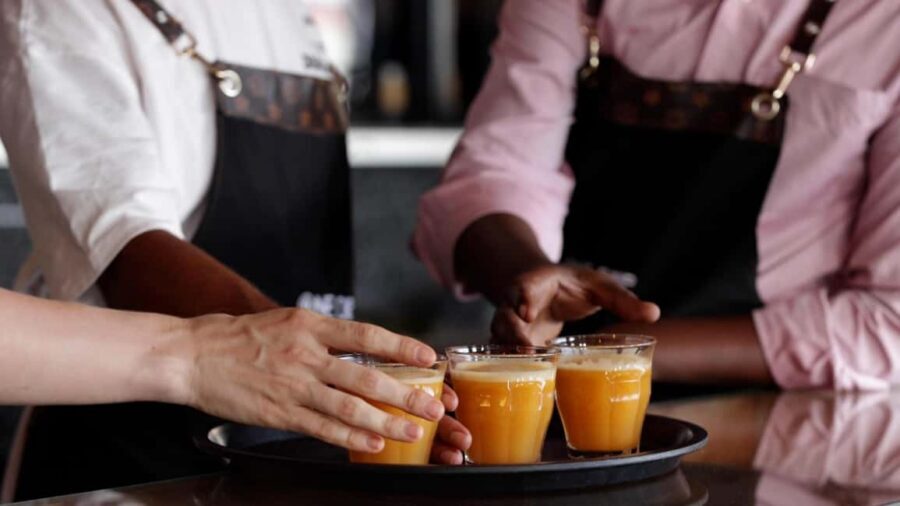
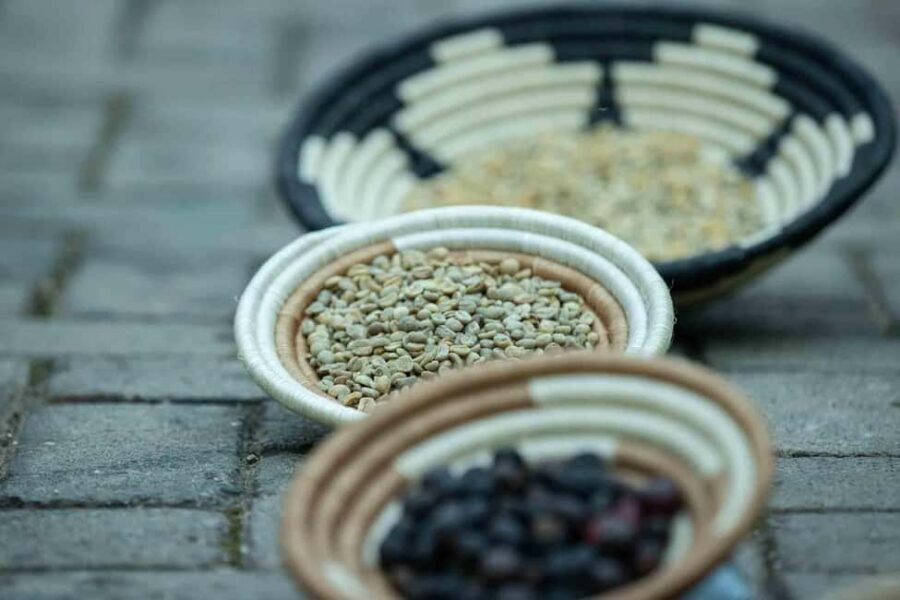
Roasting is where most people’s eyes really widen. The session includes hands-on experience in both traditional and modern coffee roasting, led by local experts.
You’ll get a close look at the process enough to understand what the roast changes. Is the bean darker? Does it smell smokier or more floral? Does it feel different in your hands? Even without being a chemistry person, you start connecting the dots.
There’s also a traditional component that goes beyond roasting. One account mentioned working through steps that include opening the fruit and even pounding the coffee, which is exactly the kind of practical detail that makes the whole day feel real.
If you’re the type who learns by doing, you’ll probably leave with a better mental model of coffee than you arrived with.
Grinding, brewing, and tasting: black, ginger, and the “so what” moments
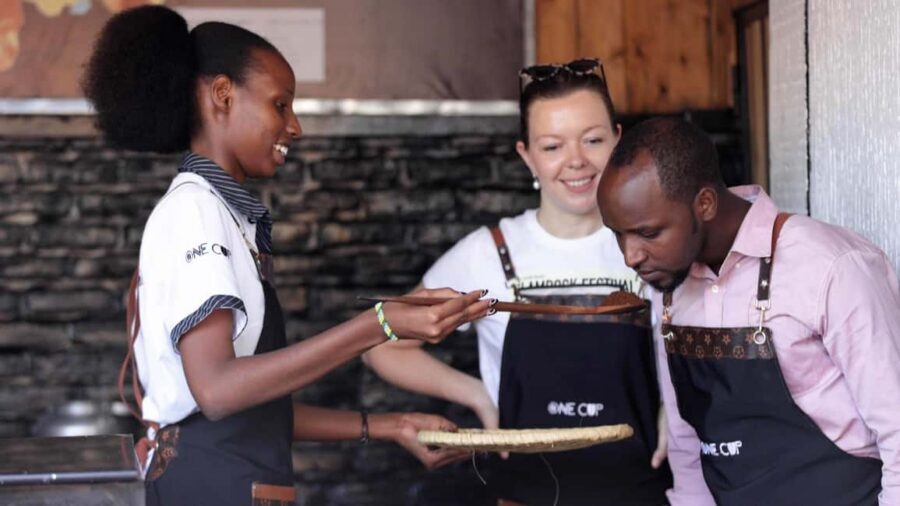
After roasting, you move toward brewing and tasting. The tour ends in a Kigali coffee shop setting where you enjoy an exclusive tasting session with local blends.
Two tasting styles showed up again and again: black coffee and a ginger-prepared option. That matters because ginger changes the experience. It’s not just a second cup; it’s a different flavor conversation with the same underlying coffee.
In a good workshop, the final tasting isn’t an afterthought. It’s your chance to ask, compare, and make sense of what you just did. The format here encourages talk with the people guiding you, and that’s where you pick up the practical meaning of everything you worked on.
A nice extra: one person mentioned receiving a certificate at the end. Not essential, but it’s a feel-good touch that signals this is meant to be a complete experience, not a quick demo.


The cultural exchange: coffee plus Kigali life
This is the part that can pleasantly surprise you. The program isn’t only about coffee technique. It’s also about the people behind the coffee and the culture that surrounds it.
Instruction is offered in English, French, and Swahili, so you’re more likely to understand the explanations clearly rather than catching only half the details through gestures.
Guides and instructors mentioned in participant feedback include Deborah, Gilbert, John, and Chaplan. The common thread is patience and real conversation, not rushing you through steps. In my book, that makes a huge difference because coffee work is tactile. If someone explains slowly, you can actually learn what’s happening.
There’s also a strong community connection. One participant described the center’s owner and husband opening the program to fund an NGO, including helping get kids off the streets and back in school. Artisan crafts sold at the center were said to be made by those kids. That doesn’t turn the workshop into charity, but it does give your cup context.
And sometimes the culture goes beyond coffee. One account mentioned learning a traditional game (Igisoro) and bonding over football. You can’t bank on extra activities every time, but it’s a reminder that this place treats conversation as part of the experience, not just the coffee.
Price and value: what $50 actually buys you
The cost is $50 per person, and the value comes from what’s bundled into that price.
You’re not just paying for coffee tasting. You’re paying for:
- a guided tour connected to coffee fields,
- hands-on roasting using traditional and modern methods,
- an exclusive tasting with local blends,
- cultural insights from guides,
- and support for local businesses and the community.
The practical way to think about value: you’re buying time with experts plus entry into a process most visitors only see on YouTube. In places where workshops are mostly performative, your role is often passive. Here, the tour is structured so you actively participate.
For many people, the biggest value isn’t even the final drink. It’s leaving with a new ability to taste. Once you know what to look for, buying coffee later becomes way more fun, and not just more expensive.
Logistics that matter: timing, transport, and what to bring
The workshop runs 150 minutes to 3 hours, so it fits well into a Kigali day without swallowing your whole schedule. That’s especially helpful if you’re planning other sights around the city.
One practical note: transportation to the meeting point is not included. Umurishyo Arts Gallery is your starting point, so plan how you’ll get there in advance. If you’re already in central Kigali, it may be manageable. If you’re staying farther out, factor that into your day.
As for what to bring: wear something you can get a little coffee-scented and hands-on busy. Roasting and grinding aren’t formal-restaurant activities, and you’ll feel more comfortable if you treat it like a workshop, not a museum.
Also keep an eye on the one hard stop: the tour is not suitable for people with food allergies. The data doesn’t list specific allergens, so if you have dietary restrictions beyond allergies, ask beforehand through the booking channel or contact details.
Who should book this Rwanda coffee workshop
This one fits best if you like practical learning, hands-on activities, and culture that doesn’t feel staged.
You’ll probably enjoy it if:
- you’re a coffee person and want to understand what changes during roasting and brewing,
- you like small, friendly group settings with time for questions,
- you want Rwanda’s coffee culture in a format that works even if you don’t want a long drive out of Kigali.
It may be less suitable if you want a purely scenic countryside hike or if you need an allergy-friendly menu, since the tour isn’t listed as suitable for food allergies.
Should you book Kigali Traditional Coffee Experience: Bean to Brew?
I’d book it if you want a short, structured, hands-on coffee day with real cultural context. Hands-on roasting, a guided path from crop to cup, and a tasting that goes beyond just one plain cup make it feel worth the time and price.
I’d think twice if food allergies apply to your group, or if you’re the type who prefers coffee tastings without touching anything. In that case, you might be happier with a simpler coffee stop.
Overall, this is one of those Riga- or Europe-style “small workshop” experiences, just in Kigali’s own setting—at Umurishyo Arts Gallery—where your cup connects to the people behind it.
FAQ
How long is the Kigali Traditional Coffee Experience?
The experience lasts 150 minutes to 3 hours.
Where does the experience start?
You meet at Umurishyo Arts Gallery.
What’s included in the $50 per person price?
It includes a guided tour of the coffee fields, hands-on roasting (traditional and modern), an exclusive tasting session, cultural insights from guides, and support for local businesses and communities.
Is it suitable for people with food allergies?
No. The activity is listed as not suitable for people with food allergies.
What languages are the instructors available in?
The instructor is available in English, French, and Swahili.
Can I cancel, and do I have to pay immediately?
The experience offers free cancellation up to 24 hours in advance for a full refund, and it also offers a reserve now & pay later option.