REVIEW · KIGALI
Kigali: City Guided Walking Tour
Book on GetYourGuide →Operated by Iriza Tours & Safaris · Bookable on GetYourGuide
Kigali on foot is fast education. This 2-hour city walk threads together everyday Kigali—shops, streets, and friendly people—with stops that explain why the city looks the way it does today. I especially like how the tour mixes practical city life (talking with vendors and seeing Made-in-Rwanda crafts) with a guided look at major sites, starting right from Norrsken House Kigali.
My other favorite part is the guide experience: you may meet Jerry, Darlene, or Jeremiah, and their Kigali stories feel personal and easy to ask questions about. One possible drawback: this is real walking on uneven surfaces, and a couple of reviews note that punctuality can slip if there’s an agency mix-up—so give yourself a little buffer.
In This Review
- Key highlights you’ll feel fast
- Starting at Norrsken House Kigali: easy meeting, clear guide
- Imbuga City Walk: crafts, photos, and how locals shop
- Belgian Peacekeepers Memorial: context you won’t get from a quick look
- Nyamirambo Women’s Center (NWC): art, stories, and practical shopping time
- Biryogo: neighborhood connections and a better sense of Kigali
- The optional art gallery / cultural center stop: choose your style
- Value for $25: why this price is more than a basic stroll
- Guide personalities: Jerry, Darlene, and Jeremiah’s different flavors
- Pace and practical tips: what you should bring and how it feels
- Who should book this Kigali walking tour
- Should you book it? My decision checklist
- FAQ
- Where does the tour start?
- How long is the Kigali walking tour?
- Is the tour guided in English?
- What’s included in the price?
- What isn’t included?
- Do I need to bring anything?
- Is it suitable for wheelchair users or mobility impairments?
- Are there rules about food, smoking, or packaging?
Key highlights you’ll feel fast
- Imbuga City Walk for a photo stop, shop time, and Made-in-Rwanda crafts without the hard sell
- Belgian Peacekeepers Memorial with clear context for a painful chapter of Rwanda’s story
- Nyamirambo Women’s Center (NWC) for hands-on local culture plus a bit of shopping help
- Biryogo to see how Kigali neighborhoods connect through daily life
- Free WiFi during the tour so you can share photos and plan your next stop
- Rolling-hill views that make Kigali’s layout snap into focus
Starting at Norrsken House Kigali: easy meeting, clear guide
Meet at Norrsken House Kigali (1 KN 78 St). It’s a straightforward start, and the guide is easy to spot because they wear an Iriza Tours & Safaris T-shirt.
This matters more than it sounds. When you’re new to a city, the first 10 minutes can decide whether you feel relaxed or stressed. Here, you begin with a simple handshake-to-walk flow.
The tour runs for about 2 hours and is conducted in English, so it’s a good option if you want local guidance without losing a whole day.
You can also read our reviews of more walking tours in Kigali



Imbuga City Walk: crafts, photos, and how locals shop
One of the first stops is Imbuga City Walk, which hits a sweet spot: it’s visual, it’s social, and it gets you out of sightseeing mode. You’ll have time for a photo stop, a guided walk through the area, and shopping that stays friendly.
I like that this doesn’t feel like a forced market trap. You get help with bargaining, but the tone stays conversational. That means you can ask questions—about materials, products, and what’s popular now—rather than just trying to win a price.
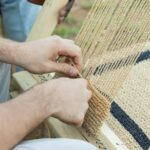
If you enjoy small crafts and want something you can actually use (not just a souvenir), this part is where you can pick up items made in Rwanda while you’re learning how the city runs.
Belgian Peacekeepers Memorial: context you won’t get from a quick look
Then you move to the Belgian Peacekeepers Memorial. This is a stop that shifts the mood in a necessary way. You’ll get a guided explanation that helps you understand the gravity behind what you’re seeing.
I appreciate that the tour doesn’t rush through it. You get about 40 minutes, which is long enough for the guide to connect names, dates, and impact to the physical place in front of you.
A note for your expectations: this isn’t casual sightseeing. It asks you to slow down, listen, and respect the seriousness of the topic. If you’re the kind of traveler who prefers light and funny only, this may feel heavy—but if you want meaning in Kigali, this stop is central.
Nyamirambo Women’s Center (NWC): art, stories, and practical shopping time
Next up is Nyamirambo Women’s Center (NWC). This area is known for its community energy, and the tour uses it well: you get a photo stop, a guided visit, and time for shopping and conversation.
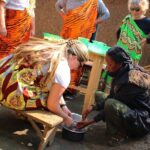
What I like here is the blend of culture and real life. Instead of treating art as a product only, the guide helps you understand the people and purpose behind what you’re seeing, and then you can take that into your shopping choices.
This stop also works as a reset point. After the memorial’s weight, you’re back in a place where you can talk, browse, and move at a comfortable pace.
If you want to bring something home that doesn’t feel mass-produced, this is often where your “I actually like it” shopping happens.
Biryogo: neighborhood connections and a better sense of Kigali
After Nyamirambo, the tour moves into Biryogo. This is less about a single landmark and more about how Kigali neighborhoods stitch together through daily activity.
You’ll have another guided visit, plus time for sightseeing and shopping. The walk helps you understand how the city’s roads and hills create a rhythm—what’s close, what’s a longer route, and why certain streets feel busier than others.
One of the highlights you’re promised is a panoramic feel for Kigali’s rolling hills and winding streets, and walking is the best way to see it. From street level, Kigali doesn’t look like a map. It looks like how people actually move.
You can also read our reviews of more guided tours in Kigali





The optional art gallery / cultural center stop: choose your style
Some versions of the tour include a stop at a local art gallery or cultural center. There’s also a specific optional mention of Choose Kigali Art Gallery, and entry fees there are not included.
So here’s the practical approach: if you’re the kind of person who loves modern design, you can treat it as a bonus. If you’d rather spend that time resting or asking more questions, you can skip or simply keep browsing without committing.
Either way, this slot helps break up the walk and gives you a cultural angle that isn’t only historical.
Value for $25: why this price is more than a basic stroll
At $25 per person for 2 hours, this tour is good value if you care about both context and practical guidance.
You’re getting:
- a knowledgeable local guide (in the plain sense: someone who grew up here or works in Kigali day to day)
- visits that include the Belgian Peacekeepers Memorial and Nyamirambo area
- assistance with shopping and bargaining
- free WiFi during the tour
- a route that keeps you walking through the city center rather than only seeing one spot
What’s not included is equally important. Transportation to and from the starting point isn’t included unless arranged in advance, and meals and drinks are on you. Optional gallery entry fees are also not included.
In other words: you pay for guided time and interpretation, not for Uber and lunch. If you plan your start and end well, the $25 feels fair.
Guide personalities: Jerry, Darlene, and Jeremiah’s different flavors
A tour is only as good as the guide, and this one seems to draw strong personalities. In different runs, you might meet Jerry or Jeremiah, who bring a personal Kigali perspective, plus Darlene, who’s described as smart, easy to talk to, and organized.
What I value most in a guide is not just facts. It’s how the guide handles questions. Several people highlight that the conversation stays natural—so if you want to ask about daily life, culture, or what Kigali feels like now, you’re likely to get real answers.
One caution based on a real experience: one guide was reported as late by about an hour due to an agency mistake. The guide still apologized and adjusted the flow afterward. So if you have a tight schedule after the tour, build in some cushion.
Pace and practical tips: what you should bring and how it feels
This is a walking tour with uneven surfaces, so wear comfortable shoes. Kigali hills are part of the design, so pace matters; you’ll benefit from shoes with good grip.
Bring:
- water (and plan on carrying it)
- sun hat and sunscreen
- a camera
- weather-appropriate clothing
One more rule worth planning around: no smoking and no plastic bottles. If you’re using bottled water normally, swap to a refillable bottle before you go.
And if you’re traveling with mobility limitations or use a wheelchair, this tour isn’t suitable based on the walking format.
Who should book this Kigali walking tour
Book this tour if you want:
- a short way to get your bearings in Kigali
- guided context that includes both the memorial stop and neighborhood life
- help with shopping and bargaining so you don’t feel awkward
- an English guide and a route built around walking rather than hopping by car
It’s also a strong option after another Rwanda activity. For example, if you’ve just finished something like gorilla trekking and you want a city reset with meaning, the pacing works well.
Should you book it? My decision checklist
I’d book this tour if your priority is to understand Kigali fast, on foot, with a guide who can explain what you’re seeing. The price is reasonable for the time, the inclusion of the Belgian Peacekeepers Memorial, and the practical shopping help.
I would hesitate if you:
- need a fully accessible route
- can’t handle uneven ground
- have absolutely no schedule flexibility right after, since one run had a delay due to an agency error
If you can walk comfortably and you want both city life and important context, this is a smart Kigali pick.
FAQ
Where does the tour start?
The meeting point is Norrsken House Kigali, located at 1 KN 78 St, Kigali. Meet at the entrance, and your guide will be wearing an Iriza Tours & Safaris logo T-shirt.
How long is the Kigali walking tour?
It lasts about 2 hours.
Is the tour guided in English?
Yes, the tour includes a live English-speaking guide.
What’s included in the price?
You get a guided walking tour with a local guide, a visit to the Belgian Peacekeepers Memorial, exploration of Nyamirambo, and a stop at a local art gallery or cultural center. You also get assistance with shopping and bargaining in local markets, plus free WiFi during the tour.
What isn’t included?
The tour price does not include transportation to and from the starting point (unless arranged in advance), meals and drinks, or entry fees for the optional Choose Kigali Art Gallery stop.
Do I need to bring anything?
Bring comfortable walking shoes, a sun hat, camera, sunscreen, and water. The tour walks on uneven surfaces.
Is it suitable for wheelchair users or mobility impairments?
No. It is not suitable for people with mobility impairments or for wheelchair users.
Are there rules about food, smoking, or packaging?
Smoking is not allowed, and the tour notes that plastic bottles aren’t allowed.