REVIEW · KIGALI
Kigali: Guided Art, History, and Food Tour with Moto Ride
Book on GetYourGuide →Operated by MUREKEZI ALINE · Bookable on GetYourGuide
Three hours can change your view of Kigali. I loved the Kigali Genocide Memorial for giving weight and context to what you’re seeing, and I also enjoyed Niyo Art Center, where Rwandan and African artists turn ideas into color and message. Right away, this tour feels like more than ticking off stops. It’s a guided way to understand how Kigali thinks, creates, and feeds people.
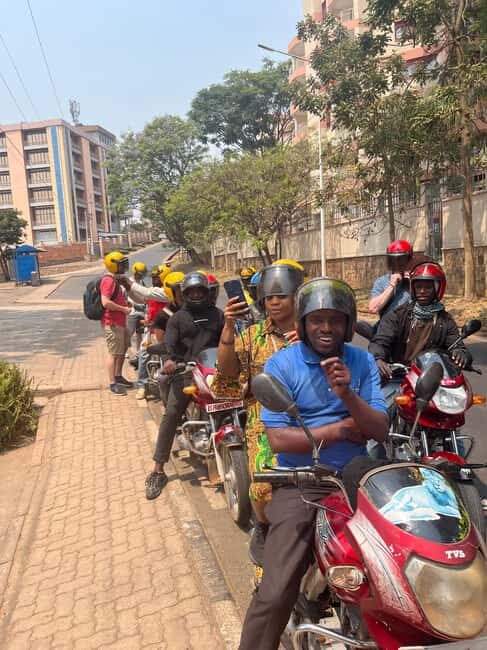
You’ll cover a lot on foot and by moto, and that’s the trade-off. One practical drawback: moto transport isn’t included, so you need to bring cash for the drivers.
The guide, MUREKEZI ALINE, is easy to spot at the main entrance check-in room, and she works in English, French, Swahili, and Kinyarwanda—so you can ask real questions instead of playing guessing games.
In This Review
- Key Things That Make This Tour Worth Your 3 Hours
- Getting Oriented at Kigali Genocide Memorial (Meeting Point That Actually Works)
- Kigali Genocide Memorial: The Heavy Start and How to Prepare for It
- Niyo Art Center: Short Visit, Strong Human Stories
- Biryogo Car Free Food Street: Eat First, Then Ask Questions
- Kigali Sign Photo Stop: One Icon, Many Angles
- Motorbike to Kimironko Market: Finishing With Real Life Shopping
- Price and Value: What $25 Gets You (and What You Must Add)
- Timing and How the 3 Hours Feel on the Ground
- What to Bring (So You Don’t Spend the Tour Managing Discomfort)
- Who This Kigali Tour Fits Best
- Should You Book This Kigali Guided Art, History, and Food Tour?
- FAQ
- How long is the Kigali guided art, history, and food tour?
- What sites are included in the tour?
- Is hotel pickup and drop-off included?
- Are moto rides included?
- Is an audio guide included at the Genocide Memorial?
- What languages is the live guide available in?
- Where do I meet the guide?
- What should I bring?
- Is this tour suitable for everyone?
Key Things That Make This Tour Worth Your 3 Hours
- Aline’s guided flow, from memorial to art to food
- Kigali Genocide Memorial first, so everything else lands with meaning
- Niyo Art Center, focused time to see multiple artist voices
- Biryogo Car Free Food Street tasting, built for busy schedules
- The Kigali sign photo stop, quick and camera-friendly
- Kimironko Market finish, where you feel the city’s everyday rhythm
Getting Oriented at Kigali Genocide Memorial (Meeting Point That Actually Works)
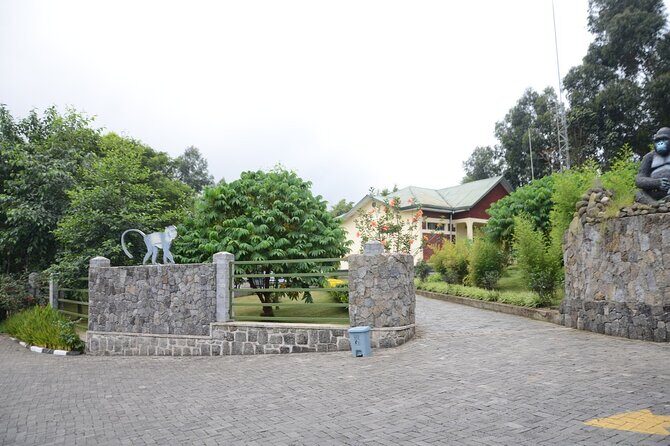
This tour starts at the Kigali Genocide Memorial, at the main entrance. Plan to arrive a few minutes early and head straight to the clearly designated check-in room. There’s also signage at the gates that reads welcome to kigali Genocide memorial, which helps confirm you’re in the right place.
What matters here is finding your guide fast. Aline wears a distinct uniform with the tourwithaline logo, so you’re not left scanning faces or wandering around. Also, put your contact details on the booking instructions so the guide can reach you at the meeting point if anything changes.
Bring the practical stuff and you’ll enjoy the tour more: comfortable shoes, a camera, sunscreen, and water. This isn’t a museum-only morning where you can stay light—there’s walking, outdoor time, and market browsing.
You can also read our reviews of more food & drink experiences in Kigali


Kigali Genocide Memorial: The Heavy Start and How to Prepare for It
The first stop is the Kigali Genocide Memorial, with about 1.5 hours on site. This part is solemn by design. I think that’s the right order, because it gives context before you jump into art and everyday Kigali life later.
You’ll likely move through memorial spaces and learn the story behind what happened—then take a moment to let it sink in. Even when you know the basics, being there in person changes the way you understand the scale and impact.
A useful note: an audio guide is optional, but it’s not included. If you prefer a self-paced layer on top of the live guide, you can plan for that separately. If you’d rather stick to the guided explanation, that’s totally fine too—you’ll still get the main meaning.
My best advice is simple: go in with patience. Give yourself permission to feel uncomfortable. And don’t rush. A tour like this works best when you treat it like reflection, not just sightseeing.
Niyo Art Center: Short Visit, Strong Human Stories
After the memorial, you head to Niyo Art Center for a shorter 20-minute art visit. This is timed on purpose. You don’t get “everything about art in Kigali,” but you do get enough to understand the vibe and the message.
What I like about this stop is that it’s not only about pretty pictures. You’re seeing artwork by Rwandan and African artists, and the art is treated as storytelling—something you can connect back to identity, memory, and daily life. It’s a smart counterbalance after the memorial: a reminder that culture continues, even when history is difficult.
If you’re an art fan, this is also the kind of stop where a good guide makes a difference. Aline’s background and her communication style help you look longer instead of just snapping a quick photo and moving on. You’ll get more out of the experience if you ask questions while you’re there, even small ones like what a theme means or who the piece is speaking to.
Biryogo Car Free Food Street: Eat First, Then Ask Questions
Next comes the Biryogo Car Free Food Street, with about 1 hour set aside for street food tasting. Getting there uses a moto ride, so you’ll feel the city move around you while you travel. That short ride is part of the fun, but keep it practical: hold on securely, and sit how you’re comfortable.
Once you arrive, you’ll taste local street food and refreshing drinks as part of the tour. This is one of those stops that turns “Kigali on a map” into Kigali you can experience with your senses.
Here’s how to make the tasting work for you:
- Start small so you can sample a few things without getting overwhelmed.
- Sip water between bites, especially if the weather is warm.
- If anything looks unfamiliar, ask what it is before you commit—Aline can help you interpret what you’re eating.
A small but important reminder: the tour specifies street food tasting as included, while meals and drinks aren’t guaranteed beyond what’s part of that tasting. If you know you’re a big eater, you may want to plan for extra snacks later, after the tour ends.
Kigali Sign Photo Stop: One Icon, Many Angles
You’ll then have a 30-minute photo stop at the iconic Kigali sign in the city center. This is intentionally placed after food. It gives you a break where you can slow down, regroup, and get that classic shot without rushing.
Bring your camera and take your time. The best photos usually come from small changes in angle and height—something your guide can help with if you ask. It’s also a good moment to check your photos, wipe dust off your lens, and make sure your batteries are safe before heading to the final market stop.
This is also where your tour story starts to feel complete: memorial seriousness, art and expression, local food, then the public symbol of Kigali today.
A few more Kigali tours and experiences worth a look



Motorbike to Kimironko Market: Finishing With Real Life Shopping
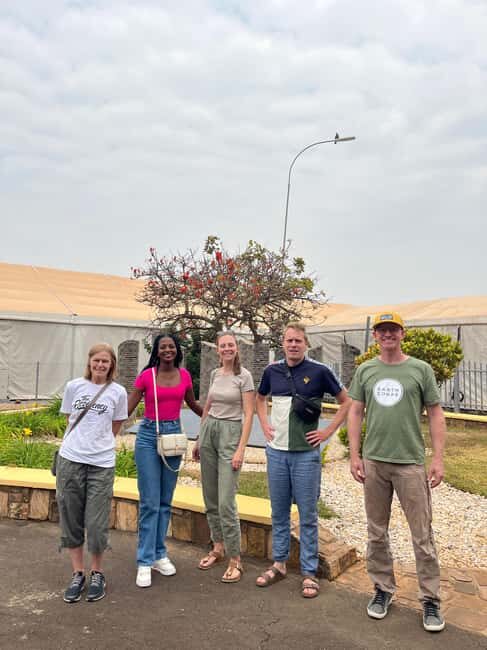
The tour ends at Kimironko Local Market, with about 30 minutes for exploration. You’ll reach the market by moto for the ride portion, and that’s another big reason this tour feels like more than a walking history lesson.
Kimironko is where you’ll see everyday commerce—lots of goods, local craftsmanship, and the busy energy that makes markets feel alive. This stop is shorter than the memorial, so you won’t do “hours of shopping,” but you will get a sense of what the market is like and what people come for.
If you plan to buy something, Aline can help you handle prices and avoid the awkward moments that happen when you don’t know what’s fair. A big plus here is that you’re not left alone navigating it.
Keep it simple:
- Walk with awareness. Don’t leave valuables exposed.
- If you’re shopping, decide your budget before you start bargaining.
- Ask your guide what items are popular or useful for travelers.
For many first-time visitors, this is the part that makes Kigali feel real. It’s the last piece of the puzzle—history and creativity earlier, then the city’s current heartbeat in your hands.
Price and Value: What $25 Gets You (and What You Must Add)
At $25 per person for a 3-hour guided tour, the value is strong—especially because you’re not just viewing one site. You’re getting a guided memorial visit, an art stop at Niyo Art Center, a food tasting at Biryogo Car Free Food Street, a photo stop at the Kigali sign, and market time at Kimironko.
Where people get surprised is the stuff that isn’t included. Hotel pickup and drop-off aren’t included, so you’re responsible for getting to the meeting point. Also, moto transport isn’t included, so you’ll need cash for the drivers.
An optional audio guide at the memorial also isn’t included. If you’re the type who loves layered information, you may want to factor that into your planning.
Even with those extras, the tour still feels good value because it saves you the decision-making. You don’t have to figure out routing, timing, or what to pay attention to at each stop. Aline does that work, and you get the benefit of someone who can explain what you’re seeing in plain language.
One more plus: the listing notes free cancellation up to 24 hours and a reserve now & pay later option. That flexibility matters if your first day in Kigali is still a little uncertain.
Timing and How the 3 Hours Feel on the Ground
The schedule is tight but not chaotic. You’re looking at:
- 1.5 hours at the Genocide Memorial
- 20 minutes at Niyo Art Center
- 1 hour for Biryogo food tasting
- 30 minutes for the Kigali sign photo stop
- 30 minutes to explore Kimironko Market
That timing makes sense. The memorial needs more space. Art and photos get shorter windows so you don’t lose momentum. Food and market fit well into a compact city loop.
Group size can be small. Based on guest experiences, you may be with just a couple of people, or even have the tour feel close to private. If you’re traveling solo, that’s a big comfort factor. When the group is small, Aline can keep the pace comfortable and answer questions without cutting you off.
Languages also help your timing. When you can ask in English, French, Swahili, or Kinyarwanda, you don’t waste minutes trying to translate the meaning of what you’re seeing.
What to Bring (So You Don’t Spend the Tour Managing Discomfort)
I always say bring fewer things, but bring the right ones. For this tour, your packing list is straightforward:
- Comfortable shoes (you’ll walk)
- Camera (photos at the Kigali sign and market)
- Sunscreen (outdoor time)
- Water (stay hydrated)
- Cash (moto drivers)
Also remember what’s not allowed: smoking. That one’s easy.
If you have specific health needs—especially anything affecting balance or mobility—say so at the start. The tour uses moto rides, so your comfort matters.
And a blunt but helpful note: the tour isn’t suitable for children under 5, pregnant women, or wheelchair users. If any of that applies, it’s worth choosing another way to experience Kigali.
Who This Kigali Tour Fits Best
This is a great match if you want a first-day orientation that doesn’t skip the important parts.
You’ll likely enjoy it if you:
- Want a guided introduction to Kigali in 3 hours
- Care about history and context, not just photos
- Like art, especially when it connects to real people and real identity
- Want to eat local street food with less uncertainty
- Are comfortable with a mix of walking and moto rides
It’s also a strong pick for solo travelers. When you’re alone in a new city, the meeting point system, the guide’s communication, and the tight route are huge stress savers.
If you want a slow, detailed museum-style experience, you might prefer a longer memorial-focused day. This tour is built for momentum and variety.
Should You Book This Kigali Guided Art, History, and Food Tour?
I’d book this tour if you want a smart first introduction to Kigali that ties together meaning, art, and everyday life. The memorial stop sets the tone in the right way. Niyo Art Center gives you a quick window into creative expression. Then food and markets show Kigali as it is day-to-day.
I wouldn’t book it if:
- You can’t do moto rides or don’t want to deal with cash-based transport
- You need hotel pickup and drop-off and don’t want to arrange your own arrival
- You’re looking for a long, unhurried history deep study
If you can handle walking, you’re respectful at the memorial, and you come with cash and water, this tour delivers exactly what its name promises: art, history, and food, guided by Aline in multiple languages.
FAQ
How long is the Kigali guided art, history, and food tour?
It lasts about 3 hours.
What sites are included in the tour?
You visit the Kigali Genocide Memorial, view art at Niyo Art Center, taste street food at Biryogo Car Free Food Street, take photos at the Kigali city center sign, and explore Kimironko Local Market.
Is hotel pickup and drop-off included?
No. Hotel pickup and drop-off are not included.
Are moto rides included?
Moto transport is not included. You should bring cash for the moto drivers.
Is an audio guide included at the Genocide Memorial?
No. An audio guide at the Genocide Memorial is optional, but not included.
What languages is the live guide available in?
The guide can provide the tour in English, French, Swahili, and Kinyarwanda.
Where do I meet the guide?
Meet at the Kigali Genocide Memorial main entrance. Look for the check-in room and your guide wearing a uniform with the tourwithaline logo.
What should I bring?
Bring comfortable shoes, a camera, sunscreen, and water. Bring cash for the moto drivers as well.
Is this tour suitable for everyone?
It’s not suitable for children under 5 years, pregnant women, or wheelchair users.