REVIEW · KIGALI
Kigali City Tour with Local Expert & Local Food
Book on Viator →Operated by Afri Safaris · Bookable on Viator
A clean, green city—watch Kigali write its story.
This Kigali City Tour mixes city structure, big lessons from history, and everyday life in one long-but-manageable day. I like the way the plan gives you a local driver guide to connect the dots (one guide named Ben is specifically praised for sharp, story-driven Rwanda context), and I like that lunch is built in so you’re not hunting food after museums. One thing to keep in mind: with 6 to 8 hours on the clock and several stops that involve walking and browsing, it’s not a quick drive-by.
In This Review
- Key points you’ll feel on the ground
- Kigali City Tour: Why This One-Day Plan Works
- Center City Walk in Nyarugenge: Souvenirs and the Old-to-New Split
- Mt. Kigali (1850m): A Panoramic Reset
- Kandt House Museum: How Rwanda Lived Before and Through Colonization
- Kigali Genocide Memorial: Learning, Remembrance, and Recovery
- Campaign Against Genocide Museum and the Golf Lake Views
- Kimihurura Lunch: Rwandan Local Food with Time to Reset
- Kimironko Market vs Nyamirambo Women’s Center: Choose Your Kigali
- Kimironko Market: color, goods, and quick custom clothing
- Nyamirambo Women’s Center: skills, crafts, and community work
- Niyo Art Gallery: Creativity with a Social Mission
- Price and Logistics: What You Get for $135
- Who This Tour Suits Best (and Who Should Skip It)
- Should You Book This Kigali City Tour?
- FAQ
- How long is the Kigali City Tour?
- Is pickup available from the airport and around Kigali?
- What food is included?
- Which admissions are included?
- Is this tour private?
- What is the cancellation policy?
Key points you’ll feel on the ground
- Car-free Center City walk in Nyarugenge District makes Kigali easy to explore on foot.
- Mt. Kigali viewpoint (1850m) gives you a clear “map in your head” of where everything sits.
- Kandt House Museum traces Rwanda before colonization through independence, in focused sections.
- Genocide Memorial visit is free and built on the burial site of 250,000 victims, with learning at the center.
- Lunch in Kimihurura is included, with Rwandan local food on the menu.
- Kimironko Market or Nyamirambo Women’s Center lets you choose shopping energy or community crafts.
Kigali City Tour: Why This One-Day Plan Works
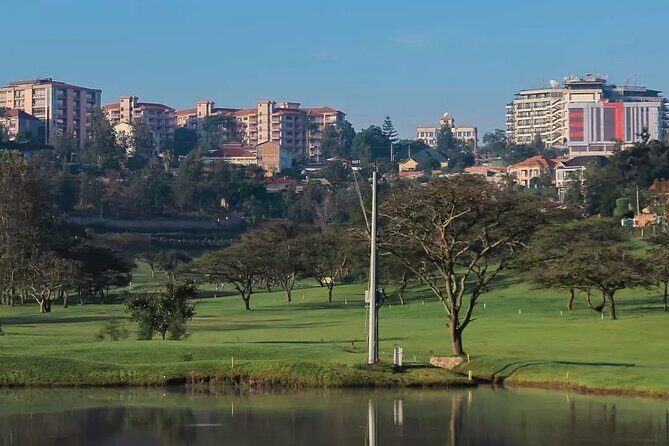
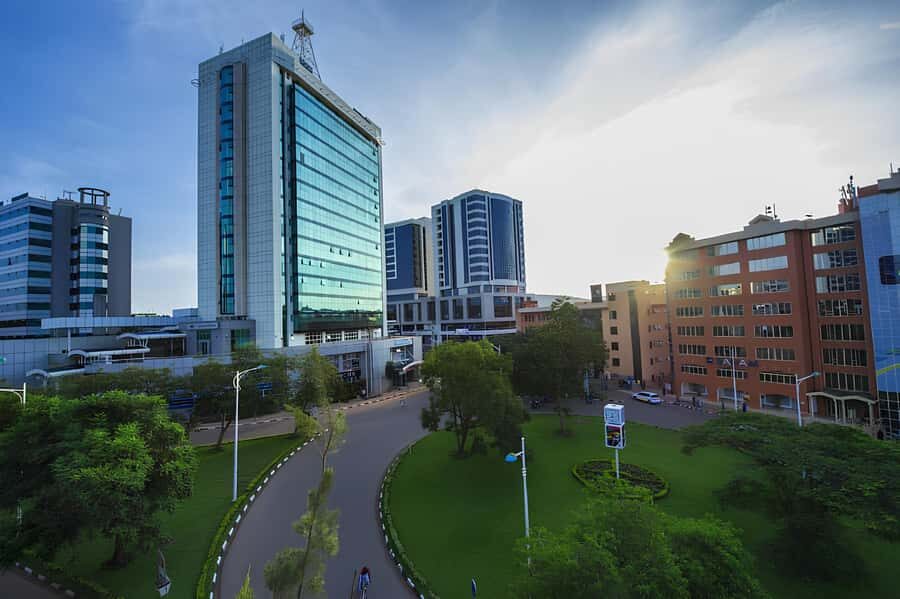
Kigali can feel surprisingly calm, especially compared with the chaos you might expect from a major capital. That calm is part of why this tour makes sense: you can cover meaningful places in a single day without it turning into a sprint.
What I like most is the balance. You get the city’s “designed” side—green, orderly, and planned—then you shift to places that ask you to slow down and understand. Between those two modes, the tour threads in practical stops: viewpoints, a museum, food, and a market or women’s cooperative.
This is also the kind of day that benefits from a good guide. With an Afri Safaris professional driver guide, you’re not just looking at locations—you’re hearing how Kigali got to where it is now, stop by stop.
You can also read our reviews of more food & drink experiences in Kigali


Center City Walk in Nyarugenge: Souvenirs and the Old-to-New Split
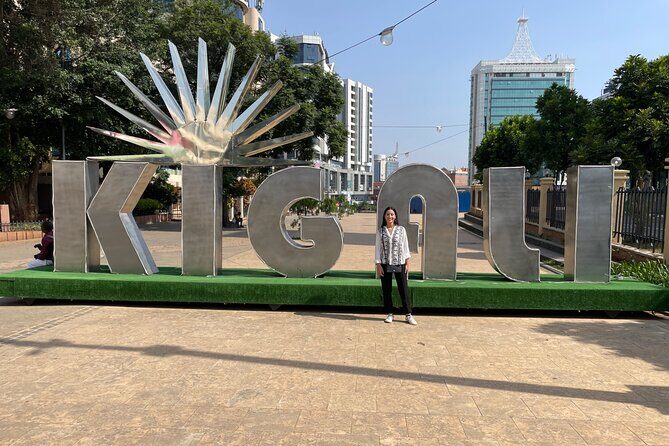
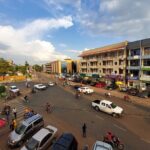
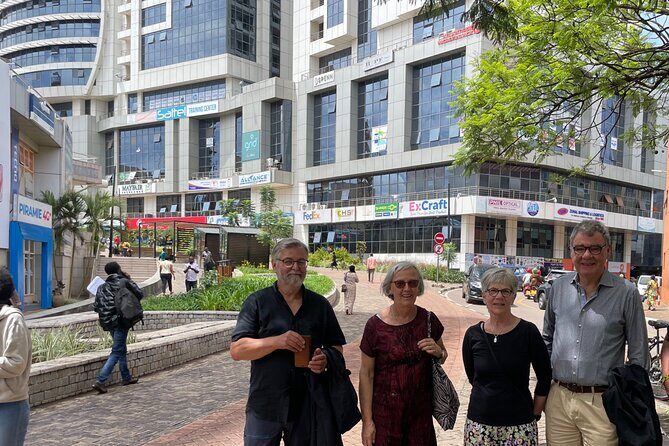
Your day starts with a car-free pedestrian stretch in Nyarugenge District. It’s not just a nice street to stretch your legs; it’s a deliberate city feature. You can walk, pause, buy souvenirs from craft shops, and check what’s happening—especially on weekends when exhibitions and entertainment may pop up.
What makes this stop especially useful is the “old and new Kigali” story. Kigali has a plan for what it wants the city to become, and you can see transitions between older areas and the developing “new” Kigali as you move through the zone. Even if you don’t catch every detail, you come away with a stronger sense of Kigali’s direction.
Practical tip: since it’s pedestrian-focused, wear shoes you’re comfortable with for a relaxed stroll. This is also a good moment to start thinking about what you want to photograph later—streets and people are easier to frame early in the day.
Mt. Kigali (1850m): A Panoramic Reset
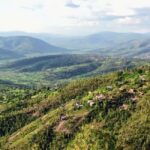
Then you head to Mt. Kigali, the highest point in Kigali at 1850 meters. The drive is short enough to keep the tour feeling efficient—about 15 to 20 minutes from the city center—and the route typically goes around Biryogo and Nyamirambo before you reach the summit.
This stop is short (around 30 minutes), but it works as a reset. From the top, you get panoramic views that help you understand Kigali’s scale and how neighborhoods relate to each other. It’s the kind of viewpoint that makes the museums afterward feel more grounded, because you start to visualize where you are in the bigger city picture.
Consideration: If you’re sensitive to height or sun, plan accordingly. The tour doesn’t mention special gear, so bring basic comfort items like sunscreen and a layer if the air feels cooler up top.
Kandt House Museum: How Rwanda Lived Before and Through Colonization
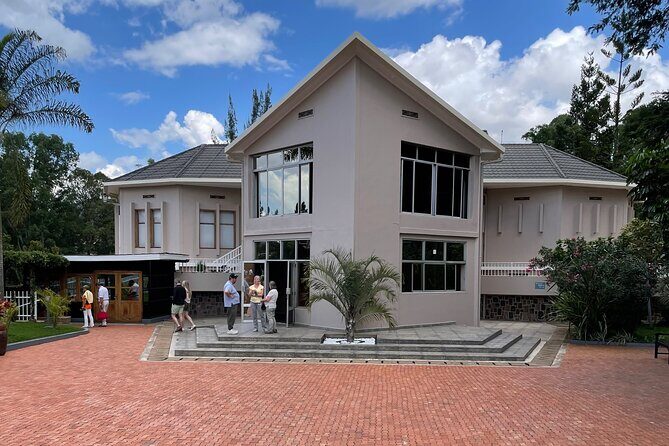
Next is Kandt House Museum, tied to Richard Kandt, a colonial governor of Rwanda on behalf of Germany in the early 1900s. The museum is organized into three main parts, and that structure matters. Instead of one long, overwhelming timeline, you can piece the story together.
Here’s what you’ll find:
- Rwandan life before colonization: social, economic, and political life in all its aspects.
- Colonial period experience: Kandt’s story and the shift after the Berlin Conference (1884), with German rule until 1916, followed by Belgian control under a League of Nations mandate after World War I.
- Kigali history before, during, and after the colonial era: Kigali became the capital on independence in 1962.
Even if you’re not a museum person, I think this one is worth it because the museum’s sections act like checkpoints. You can connect personal stories (Kandt’s role) with broader changes happening to Rwanda as a whole.
If you’re choosing ticketed entry for this tour, note that admission for Kandt House is indicated as included when opted—so double-check your booking option when you confirm.
Kigali Genocide Memorial: Learning, Remembrance, and Recovery
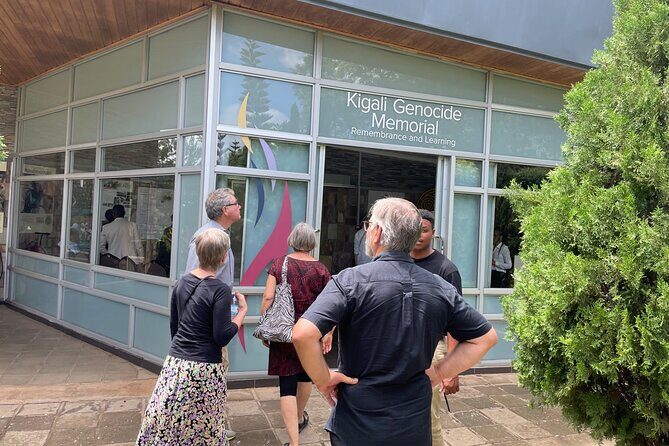
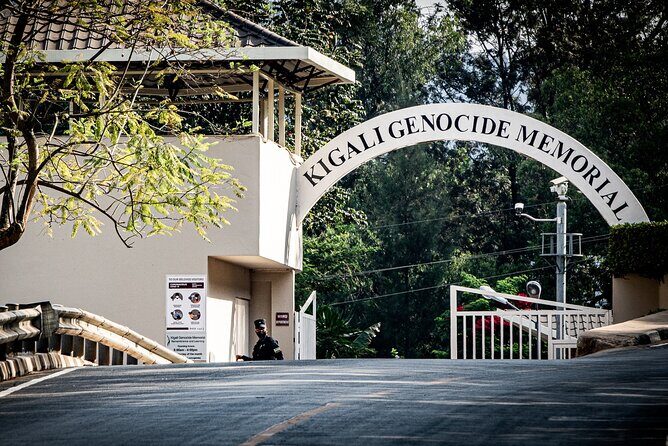
The emotional core of the tour is the Kigali Genocide Memorial, dedicated to victims of the 1994 Genocide against the Tutsi and the road to recovery.
This memorial is built at the burial site of 250,000 victims, and it’s a UNESCO World Heritage site. The museum documents the genocide, and it also includes examples of other genocides around the world—so the message isn’t only about one event, it’s about the warning signs of blind hate.
The practical detail I appreciate here is that entry is listed as free, and you can walk through the site. That means you’re not rushing because of ticket pressure. You can go at your own pace.
How to make it easier on yourself: give yourself mental space. This is not a “quick photo stop.” If you think you’ll feel overwhelmed, take breaks. Kigali has a way of moving forward—but the learning here is real and heavy.
A few more Kigali tours and experiences worth a look



Campaign Against Genocide Museum and the Golf Lake Views
After the memorial, the route includes views of Kigali Golf and Nyarutarama Golf Lake while you travel from the Genocide Memorial area toward the next museum.
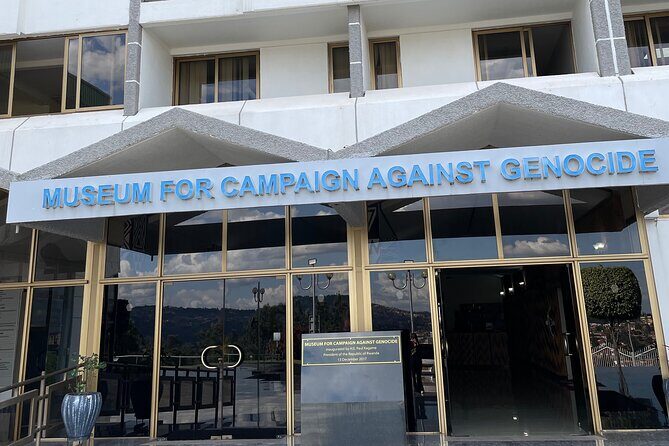
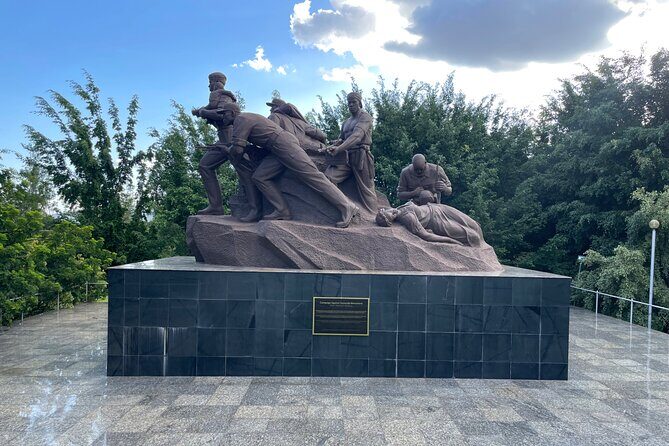
Then you visit Campaign Against Genocide Museum. It’s described as a newer museum that documents the heroics of the Rwanda Patriotic Army (RPA) led by President Kagame that fought to stop the genocide, and how Rwanda rebuilt from the ashes into a progressive country in Africa.
This museum provides a different angle than the memorial. Where the memorial focuses on remembrance and documentation, this one adds a “what stopped the violence and what rebuilding looked like” perspective.
Timing note: this is listed as about 1 hour, and the view stop is part of the drive, so don’t expect a long scenic detour. It’s more like a moment to look out, then back to the story.
Kimihurura Lunch: Rwandan Local Food with Time to Reset
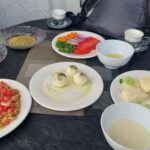
By the time lunch comes, you’ll likely be happy there’s no scramble. The tour schedules a stop at Afrika Bite for lunch in Kimihurura and describes it as tasting Rwandan local food. The inclusions also mention lunch at Elikapeka and specify that lunch is provided for both vegetarian and non-vegetarian options.
So here’s how to think about it: lunch is included, and you can expect Rwandan flavors with at least one vegetarian-friendly option. It’s a built-in rhythm break between heavy history sites and lighter, more everyday stops.
My advice: eat well and take a calm pause. This tour keeps moving, so lunch is one of your few guaranteed breaks.
Kimironko Market vs Nyamirambo Women’s Center: Choose Your Kigali
Then comes a choice, and it’s a smart one. You’ll either go to Kimironko Market or visit the Nyamirambo Women’s Center, depending on what fits your interests.
Kimironko Market: color, goods, and quick custom clothing
Kimironko Market is described as the biggest and busiest market in Kigali. You’ll see everything from foodstuffs to fabrics and clothing. It’s also an economic landmark, and it’s a great place to understand how daily commerce works.
One feature I’d flag if you like souvenirs that actually feel useful: you can get measurements taken by a tailor and have colorful African wear made in a matter of hours.
What to consider: market energy can be intense—so if you prefer a slower pace, you may enjoy the women’s center option more.
Nyamirambo Women’s Center: skills, crafts, and community work
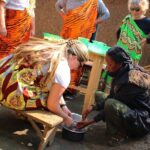
If you choose Nyamirambo Women’s Center, you’re stepping into a cooperative run by local women. It focuses on uplifting women economically and socially through skills training and hands-on work.
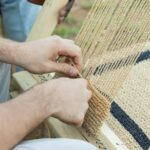
Depending on what you see during your visit, you might learn about or observe activities like basket weaving, handicraft making, cooking, computer literacy, and sewing.
Practical benefit: this tends to feel less like a shopping sprint and more like a craft-oriented stop. You’re still in real Kigali life, but with a different pace.
Niyo Art Gallery: Creativity with a Social Mission
In the afternoon, you’ll visit Niyo Art Gallery (also described as Niyo Arts center). It’s presented as a safe haven where Rwandan artists can experiment with painting, sculpture, dance, music, and drumming.
What makes Niyo practical for visitors is that it isn’t only about watching art. It’s also connected to community support: the center dedicates 40% of its profit to the Niyo foundation, an NGO that supports women and children living in poverty in Rwanda.
Even if you’re not an art collector, this stop is worth it because it gives you a window into the creative side of Kigali, not just the historical and economic sides.
If you want to bring something home without buying a ton: spend time looking first. Small details in local art often make better souvenirs than generic trinkets.
Price and Logistics: What You Get for $135
At $135 per person, this tour is priced like a serious day of paid guiding, not like a casual hop-on hop-off. The value comes from what’s bundled:
- Pickup anywhere in Kigali city or Kigali International Airport
- Private transportation and a professional driver guide
- Bottled water
- Lunch with local Rwandan food
- Admission fees for Kandt House and Campaign Against Genocide Museum when opted
Most tours in this category charge extra for guiding and admissions, so the bundled structure matters. You’re also given time discipline: specific durations at each stop, totaling roughly 6 to 8 hours.
There’s also a signal in how far ahead this gets booked: it’s typically reserved about 102 days in advance. That doesn’t mean you can’t find availability last minute, but it suggests the tour is popular.
One more practical note: this is set up as a private tour/activity, meaning only your group participates. That usually makes museum pacing and photo stops feel less chaotic than in larger group formats.
Who This Tour Suits Best (and Who Should Skip It)
This is a strong choice if you want a structured one-day Kigali experience with real context: city planning, major museums, and local life.
It fits particularly well for:
- First-time visitors who want to cover the essential places without building a route
- People who appreciate museums but still want a taste of everyday Kigali
- Travelers who prefer a private setup with a guide who can steer you through meaning, not just locations
It might not be ideal if you:
- Want a short sightseeing loop with minimal walking
- Prefer to avoid emotionally heavy sites, since the Genocide Memorial visit is central to the day
Should You Book This Kigali City Tour?
I’d book it if you want a day that feels both thoughtful and practical. The tour’s biggest advantage is how it connects Kigali’s city design and daily life with the country’s most important historical learning sites—without turning the schedule into a blur. Add the included lunch, plus the option to choose between Kimironko Market and Nyamirambo Women’s Center, and you get flexibility for your interests.
Before you book, decide two things: whether you’re comfortable with the emotional weight of the Genocide Memorial, and whether you’d rather spend your free-choice stop shopping at Kimironko or learning through the women’s cooperative.
If those answers feel right, this is a solid way to get a complete snapshot of Kigali in one day.
FAQ
How long is the Kigali City Tour?
The tour runs about 6 to 8 hours.
Is pickup available from the airport and around Kigali?
Yes. Pickup is offered anywhere in Kigali city or from Kigali International Airport.
What food is included?
Lunch is included and described as Rwandan local food, with options for both vegetarian and non-vegetarian.
Which admissions are included?
Admission for Kandt House Museum and the Campaign Against Genocide Museum is listed as included when opted. The Kigali Genocide Memorial stop is listed as free to visit.
Is this tour private?
Yes. It’s set up as a private tour/activity, meaning only your group participates.
What is the cancellation policy?
You can cancel for a full refund up to 24 hours before the experience starts. If you cancel later than that, the amount paid is not refunded.