REVIEW · KIGALI
Kigali: City Sightseeing Tour with Lunch
Book on GetYourGuide →Operated by Kawira Safaris Ltd · Bookable on GetYourGuide
Kigali moves fast, and this tour keeps up. You get picked up in Kigali, ride in an air-conditioned van, and use the day to connect key sights with how Rwanda got to where it is today. I especially like that the guide ties together what you see—green hills rolling past the road, viewpoints, and museums—so the city feels less like a list and more like a story. You also get lunch built into the schedule, so you’re not hunting for food with sore feet.
The main thing to consider is that lunch and extras can be hit-or-miss depending on the day and provider setup. In one reported experience, the lunch was vegetarian and alcohol was not included, so if you have dietary needs or you’re expecting drinks, it’s smart to confirm specifics before you go.
In This Review
- Key things to know before you ride
- Kigali in 7 hours: how you actually make sense of the capital
- Getting picked up and settled: the safari-van comfort factor
- Juru Park viewpoint: the fastest way to read Kigali’s layout
- Kigali Richard Kandt Museum: turning Rwanda’s timelines into something you can see
- The Kigali Genocide Memorial: how this tour handles the hardest part
- Kigali’s new developments and thriving hubs: seeing progress without losing context
- Kimironko Giant Market and crafts: the real-life Kigali stop
- Lunch in Kigali: tasty break, but confirm if you have expectations
- Price and value: is $140 per person worth it?
- The guides are the product: what you should look for on the day
- Who should book this Kigali City Sightseeing Tour with Lunch
- Should you book? My straight answer
- FAQ
- FAQ
- How long is the Kigali City Sightseeing Tour with Lunch?
- How much does it cost?
- What’s included in the price?
- Where do I get picked up?
- What language is the guide?
- Is the tour wheelchair accessible?
- Is there a cancellation option?
Key things to know before you ride
- Air-conditioned transport helps you enjoy the day even when Kigali is hot.
- English live guide makes history and context easier to follow at every stop.
- Juru Park viewpoint gives you a high-level sense of Kigali’s layout.
- Kigali Richard Kandt Museum connects pre-colonial and colonial eras to what you see now.
- Kigali Genocide Memorial is the emotional centerpiece, with guidance focused on meaning and coping.
- Kimironko Giant Market + crafts brings you into real everyday city life, not only monuments.
Kigali in 7 hours: how you actually make sense of the capital
A good Kigali day tour does two jobs. First, it gets you to the places you’d struggle to reach efficiently on your own. Second, it gives you the thread that connects those stops—history, culture, and today’s city energy. This experience is built for exactly that pace: a full day, guided, with transport lined up so you don’t waste time.
I like tours that don’t just point. Here, the guide sets context while you’re driving between stops. That matters because Kigali’s modern look can make it feel like everything happened yesterday. With stops like Kigali Richard Kandt Museum and the Genocide Memorial, you’ll see how the past still shapes the city’s identity and how people talk about moving forward.
You can also read our reviews of more city tours in Kigali

Getting picked up and settled: the safari-van comfort factor
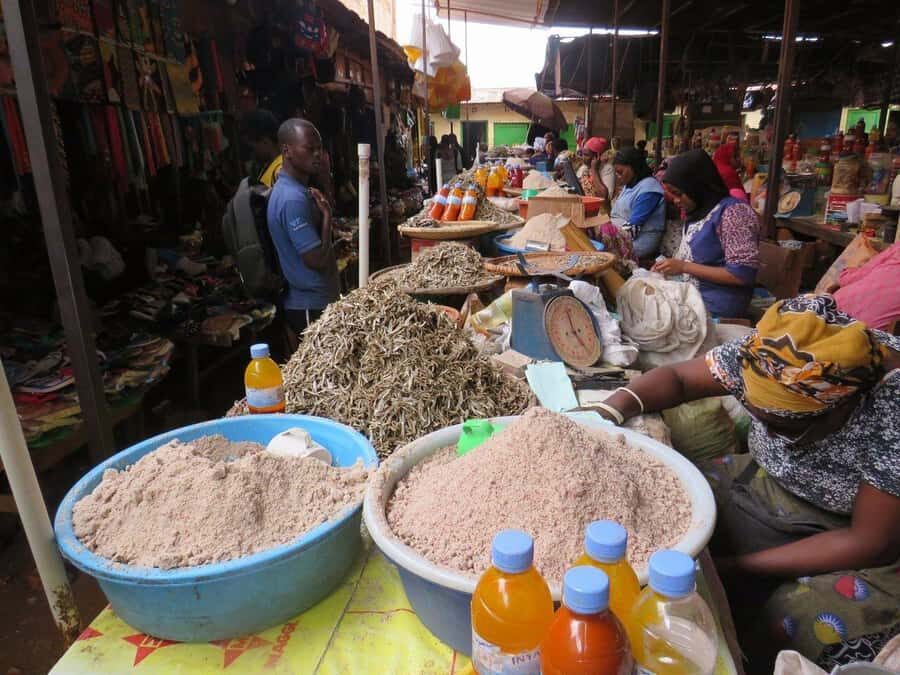
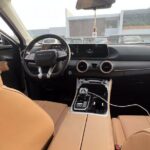
You start with hotel pickup in Kigali (or a designated meeting point if you’re not using hotel pickup), then meet your guide for a quick intro. After that, you’re off in a safari-style van, and that air-conditioned comfort is not a small detail. Kigali’s weather can be changeable, and a long day of standing and walking adds up quickly.
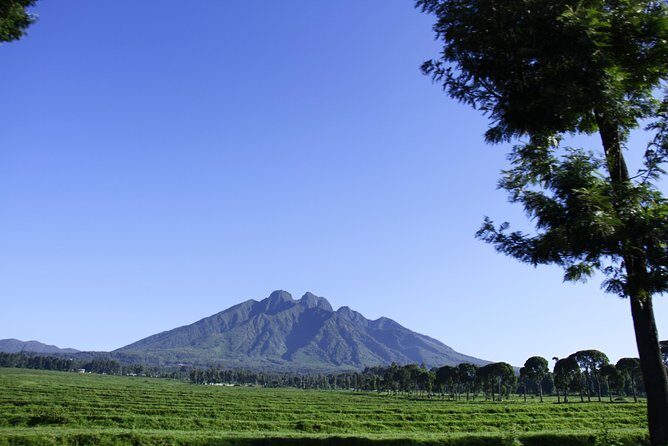
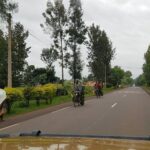
On the road, you’ll watch the city’s green hills move past the windows. That’s more than scenery. It’s a quick way to understand why viewpoints matter here and why getting a panoramic view early on helps you later. When you can mentally place neighborhoods and valleys, the rest of the day clicks.
A practical tip: wear comfortable shoes. Even if the tour is mostly car-to-stop, you’ll still have time on foot at parks, museums, and market areas.
Juru Park viewpoint: the fastest way to read Kigali’s layout
Juru Park is the kind of stop that reorients you. You’ll head up toward one of Kigali’s highest points and take in a broad view over the city and surrounding countryside. From ground level, Kigali can feel like a “drive-through” city. From a height, it starts making sense.
This is where I’d pay attention to the skyline and the road patterns. Kigali’s hills and valleys shape how development spreads, how people commute, and why certain places become key anchors. If you’re the type who likes photos, this is also one of your best chances for them—without needing to hunt for your own viewpoint later.
The one drawback: viewpoint stops mean walking on uneven ground in places. You don’t need hiking gear, but don’t go in flip-flops.
Kigali Richard Kandt Museum: turning Rwanda’s timelines into something you can see
After the viewpoint, the tour moves into learning mode at the Kigali Richard Kandt Museum. This museum visit focuses on local and national history across pre-colonial and colonial periods.
Why this stop is valuable: museums are where a guide can help you connect dates and themes to real places. If you’ve never studied Rwanda’s history before, you’ll likely appreciate having a timeline you can refer back to during later stops. If you have studied, you still benefit from how a local guide explains the material in plain language.
Also, the museum is a “bridge stop.” It’s less emotionally heavy than the Genocide Memorial, but it prepares you to understand how history becomes identity, policy, and community memory. Expect a structured visit with time for questions if your guide is the type that enjoys explaining.
The Kigali Genocide Memorial: how this tour handles the hardest part
Then comes the emotional centerpiece: the Kigali Genocide Memorial. This is a somber reminder of the 1994 massacre, and the guide’s job here is not to be loud or theatrical. It’s to provide context and help you understand what the memorial represents.
You’ll learn about Rwanda’s history from pre-colonial times up through the 1990s and how the country has dealt with its past. Even if you’ve read about genocide before, the memorial changes your perspective because you’re seeing it as a place where people gather with purpose—not as an abstract topic.
A key consideration: plan for a quiet mental shift. This stop isn’t “walk, photo, move on.” If you’re sensitive or you have trouble with heavy content, you might want to pace yourself. Bring a bottle of water (you’ll have water included), and if you need a moment, take it. A good guide will understand.
A few more Kigali tours and experiences worth a look





Kigali’s new developments and thriving hubs: seeing progress without losing context
After the memorial, the tour doesn’t stop at memory. It keeps going into what’s happening now in Kigali—new developments, newer hubs, and how city life continues.
This is important. A lot of Kigali tours can accidentally become either purely historical or purely “modern.” Here, you get both, in sequence. That order helps you see development as more than construction. You can compare what you learned earlier with what you’re seeing now, and the contrasts become clearer.
If you like urban-change stories, this part is for you. You’ll get a sense of where growth is happening and why certain areas are gaining momentum. If you’re expecting a long photo walk in brand-new districts, don’t—this is still a city highlights day, so it moves.
Kimironko Giant Market and crafts: the real-life Kigali stop
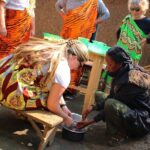
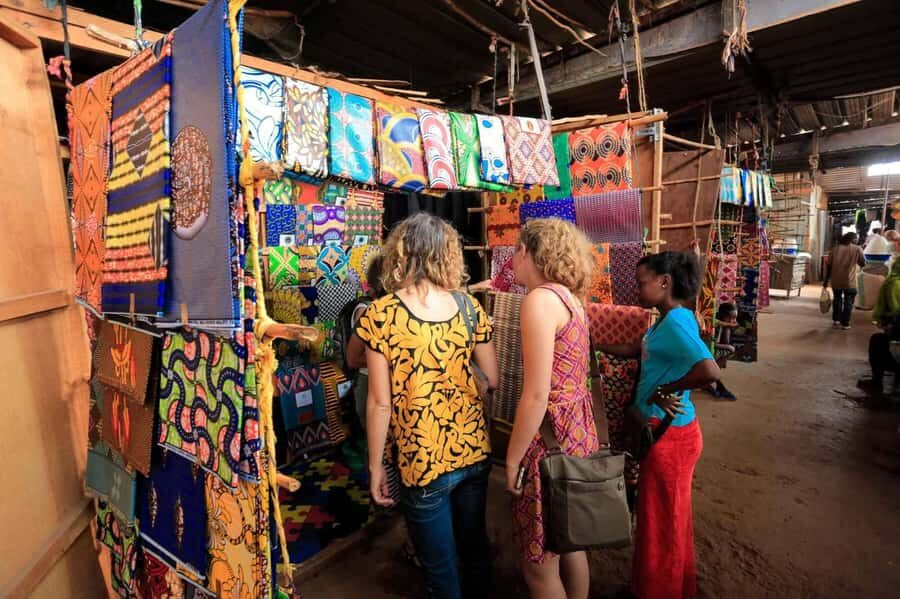
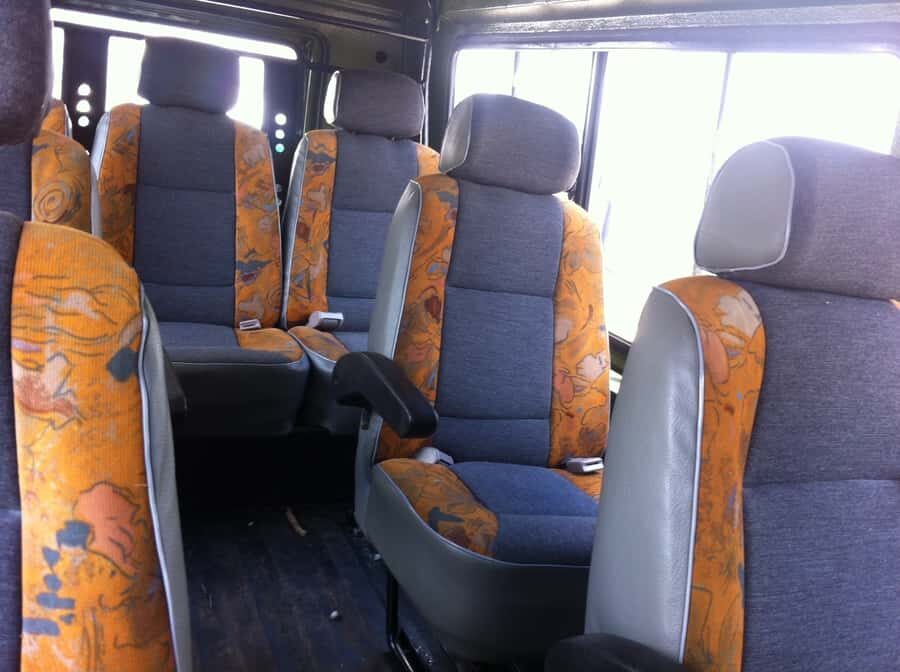
No Kigali highlights day feels complete without a market. The tour includes time at Kimironko Giant Market, where you’ll experience the aromas of the area as well as the color and energy of local vendors. You’ll also see handmade arts and crafts markets.
This is one of the most “you’re actually in the city” moments. Museums teach you about the past; markets show you how people live now. You can also use this stop to pick up practical souvenirs—things you can carry home without them becoming wall art nobody understands.
Two useful notes for your mindset:
- Expect a lot of stimulation. Markets are busy and sensory.
- If you plan to buy crafts, bring a calm attitude. Ask questions first. If you want a better price, negotiate, but do it with respect and a light touch.
I’ve seen guides help with bargaining more than you’d expect, and that can be a big value-add if you’re unsure how to navigate.
Lunch in Kigali: tasty break, but confirm if you have expectations
Lunch is included, which is a big convenience for a 7-hour day. It means your schedule doesn’t collapse because you found a line or a place that’s too far out of route.
That said, lunch appears to vary by setup. In one reported experience, lunch was vegetarian and alcohol was not included (with soft drinks instead). I can’t treat that as universal for every day, but it is a clear warning sign for anyone with specific dietary requirements or plans to drink.
My practical approach: if vegetarian, vegan, allergies, or religious restrictions matter, message the provider in advance and confirm what lunch includes. If you want alcohol, ask directly whether it’s part of lunch or not.
Price and value: is $140 per person worth it?
At $140 per person for a 7-hour guided tour, you’re paying for three things: transportation, entry fees, and a full-day English guide. You’ll also get bottled water and lunch.
So is it good value? Usually, yes—especially if you’re traveling without a local driver or you want the Genocide Memorial and major museums handled in a logical, time-efficient route. The biggest “value lever” here is your guide. The guides named in real-world experiences—Hassan, Joseph, Pacifique, and Jacques—are described as kind, helpful, and strong at explaining what you’re seeing. That’s exactly what you want for Rwanda, where context matters.
The main reason $140 might feel steep is if you expected more flexibility, more stops, or a more detailed lunch setup than what’s included. In one account, a mismatch about lunch type and alcohol expectations created frustration. If you match your expectations to what’s included—and confirm anything critical—this pricing is easier to justify.
The guides are the product: what you should look for on the day
This is a tour where the guide really shapes the experience. You’ll have an English-speaking live guide who explains history on the drive, then leads you through parks, museums, and the memorial.
One reason the tour earns strong feedback is that some guides help you understand the story without burying you in details you won’t remember. That’s a skill. You don’t want a lecture; you want context that sticks.
You can also benefit from guides who are comfortable with small adjustments—like tailoring your visit to your interests or helping with souvenir questions. Some experiences highlight that kind of friendliness, and it’s easy to see why that would affect your overall satisfaction.
If you care about history and culture, choose this tour because it’s guide-led. If you only want quick photos and don’t care about explanation, you might want a lighter, self-guided option instead.
Who should book this Kigali City Sightseeing Tour with Lunch
I’d point you toward this tour if:
- You want a single-day way to see the major sights of Kigali without arranging transportation.
- You prefer a guided explanation for serious stops like the Genocide Memorial.
- You like markets as well as museums, and you want both in one day.
- You want the comfort of air-conditioned van transport.
I’d hesitate if:
- Your schedule is tight and you can’t spare a full 7 hours.
- You have strict dietary needs and you’re not willing to confirm lunch details.
- You’re expecting alcohol to be part of lunch (it may not be, based on at least one reported experience).
Should you book? My straight answer
Yes—with one smart prep step. Book it if you want an organized, respectful, and efficient way to experience Kigali’s top anchors: viewpoint, museum context, the Genocide Memorial, and local market life. The tour’s structure is built to make history feel relevant to what you see today.
Before you go, do two quick checks: confirm what lunch includes for your diet, and ask whether any drinks beyond soft drinks are included if that matters to you. If you handle those, this becomes a strong value day that helps you understand Kigali beyond postcard photos.
FAQ
FAQ
How long is the Kigali City Sightseeing Tour with Lunch?
The tour lasts 7 hours.
How much does it cost?
It costs $140 per person.
What’s included in the price?
It includes transportation by van or jeep, bottled water, entrance fees, and lunch. Hotel pickup and drop-off are included if you select that option.
Where do I get picked up?
You can be picked up from your hotel in Kigali or meet at a designated starting point.
What language is the guide?
The live tour guide speaks English.
Is the tour wheelchair accessible?
Yes, it is wheelchair accessible.
Is there a cancellation option?
Yes. You can cancel up to 24 hours in advance for a full refund.