REVIEW · KIGALI
2 days Uganda Gorilla trekking
Book on Viator →Operated by Rwanda Eco Company and Safaris · Bookable on Viator
Gorillas and history in two tight days. I like how this plan starts with the Kigali Genocide Memorial for a meaningful visit, then pivots to Bwindi mountain gorilla trekking the very next day. If you want wildlife that has context, this pairing feels both practical and emotionally grounded. Kigali Genocide Memorial sets a serious tone before you head into the forest.
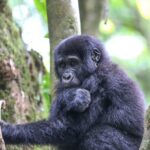
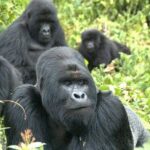
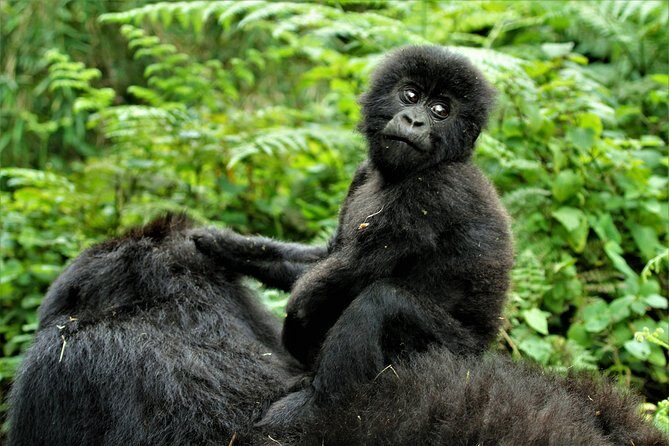
What I like most is the way the gorilla day is handled: you’ll get an early cup of coffee, a briefing from Uganda wildlife officials, and then you track shy mountain gorillas until you find them for about an hour of close viewing. The gorilla permit is included (listed at $700 per person), and you get private transportation so you aren’t stitching together multiple plans. People have praised this team’s communication and support, with examples like Reginal, Fred, Robert, and Jean Paul showing up in successful experiences.
One thing to think about: gorilla tracking is timing-dependent, and the trek can run about half or even the full day depending on gorilla movement. It also asks for moderate fitness and basic trail readiness, so this is a sprint only if you’re comfortable with an early start and a physical day in the jungle.
In This Review
- Key things to know before you go
- Rwanda Eco Company and Safaris: the pacing of a 2-day gorilla trip
- Kigali Genocide Memorial: what you’ll see and why it’s a smart opener
- Bwindi mountain gorillas: how the tracking day actually works
- The gorilla permit and private logistics: value you can feel
- Meals and accommodation: the practical comfort behind the adventure
- Fitness and gear: what will make or break your gorilla day
- Price and logistics: is $1,750 per person fair for a 2-day trip?
- Best fit: who should choose this Rwanda-to-Uganda gorilla sprint
- Should you book this 2-day Uganda gorilla trekking package?
- FAQ
- What time does the tour start?
- Where do we meet for pickup?
- Where does the tour end?
- How long is the experience?
- What’s included in the price?
- What is not included?
- Is the gorilla permit included?
- What should I bring for gorilla trekking?
- Is this a private tour?
- Can I change or refund my booking?
- Do you offer group discounts?
Key things to know before you go
- Kigali Memorial first, then gorillas: You’ll spend about 1 hour 30 minutes at the Genocide Memorial, including permanent exhibitions and memorial spaces for learning and reflection.
- A briefing with Uganda wildlife officials: Expect guidance before you enter the forest, which matters for safety and for how close you’ll get to the gorillas.
- Up to about an hour once you find them: The package is built around that face-to-face time, not just a drive-by stop.
- You need real trek basics: The recommended gear includes walking shoes, insect repellent, sunscreen, and bringing packed food and mineral water.
- Private means just your group: Private transportation and a private tour setup help keep the schedule under control for a short trip.
- Tickets are handled digitally: A mobile ticket is part of the package, which helps if you like paper-free travel.
Rwanda Eco Company and Safaris: the pacing of a 2-day gorilla trip
This is a two-day plan that tries to give you maximum impact without turning the trip into a marathon. You start in Kigali with a powerful educational stop, then you shift gears early the next day toward Bwindi’s mountain gorillas. It’s the kind of schedule that works best when you’re ready to go from “city reflection” to “forest time” quickly.
Because this is private, your group’s tempo matters. Private transportation helps you avoid the stress of waiting around for other people, and that’s a big deal when your wildlife time is limited and timing can change.
The start time is 6:00 am, and you return to the meeting point at the end. That means you should plan to be ready early, with a clear head and your essentials within reach.
You can also read our reviews of more hiking tours in Kigali
Kigali Genocide Memorial: what you’ll see and why it’s a smart opener
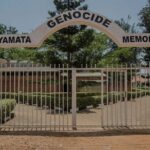
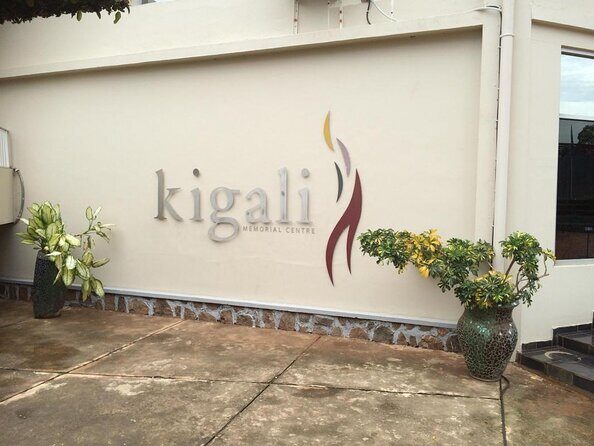
I’m glad this package begins with the Kigali Genocide Memorial, because it gives your trip emotional context before you’re looking at animals in their natural world. You’re allocated about 1 hour 30 minutes, and you’re not just doing a drive-by.
The memorial includes three permanent exhibitions, with the largest one documenting the 1994 Genocide against the Tutsi. There’s also a children’s memorial, plus an exhibition on the history of genocidal violence around the world. On top of that, the Education Centre, Gardens, and Genocide Archive of Rwanda are part of the tribute space, which turns it into more than a single gallery.
Practical tip: wear comfortable shoes and expect this stop to feel heavier than a normal museum visit. If you’re the type who likes to process in quiet, build a little buffer afterward before you rush into the next day’s transport.
This first day also helps you understand the region. Not in a textbook way—more like in a lived-experience way, where the rest of your trip feels more connected to the country you’re visiting.
Bwindi mountain gorillas: how the tracking day actually works
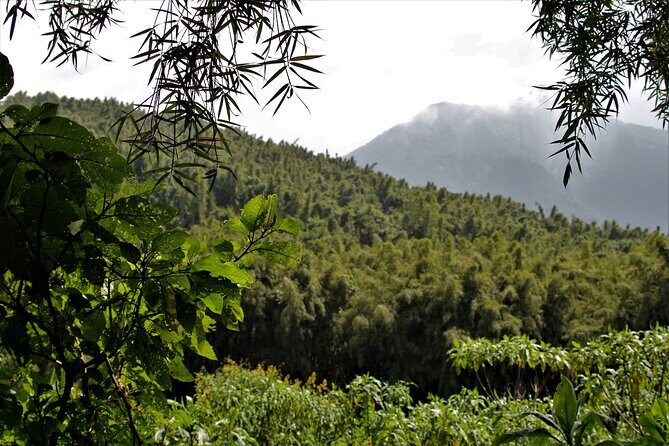
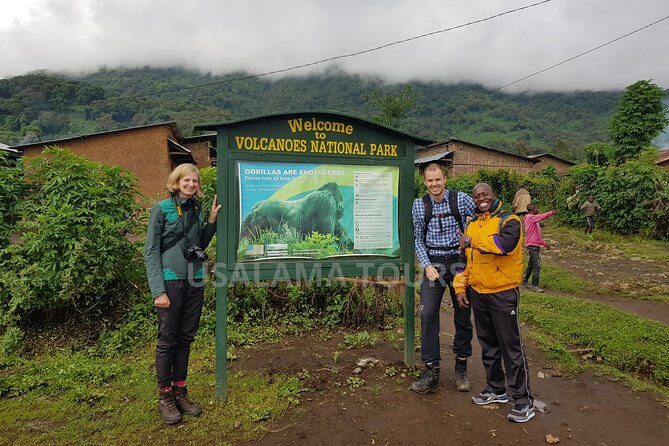
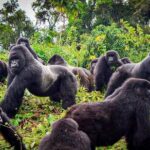
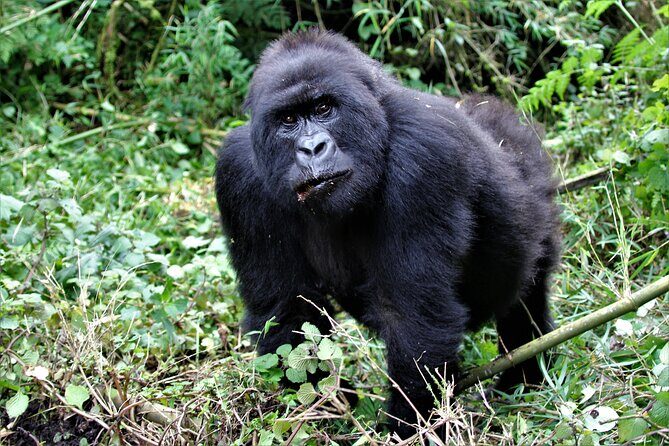
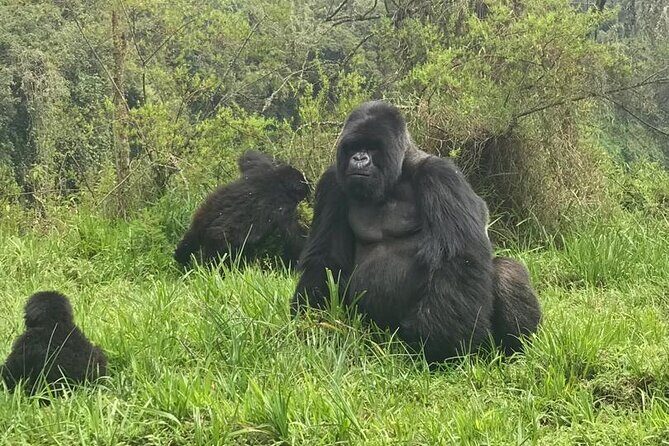
The gorilla day is built around one main goal: find the gorillas, then spend time watching them closely. The plan is straightforward: after an early cup of coffee, you get a briefing from Uganda wildlife officials. Then you enter the jungle to search for the mountain gorillas.
The tracking itself can run about half or even the whole day, depending on gorilla movement. That’s not a weakness in the plan—it’s the reality of working with wildlife. What you can control is your preparation: bring the right gear, keep your energy steady, and stay flexible.
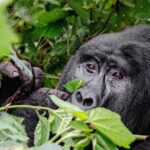
Once you locate the gorillas, the goal is simple and unforgettable: you sit around them for about an hour, watching behavior up close. That hour is the heart of the experience. And because it’s time-limited, it helps to stay calm and quiet once you’re there.
If you’re thinking about the “should I do it” decision, focus less on how long the trek is on paper and more on the fact that your time with gorillas is structured and meaningful.
The gorilla permit and private logistics: value you can feel
This package includes the gorilla permit listed at $700 per person. That matters because gorilla trekking isn’t a generic safari. The permit is the gatekeeper for access, and it’s also the reason these trips cost what they cost.
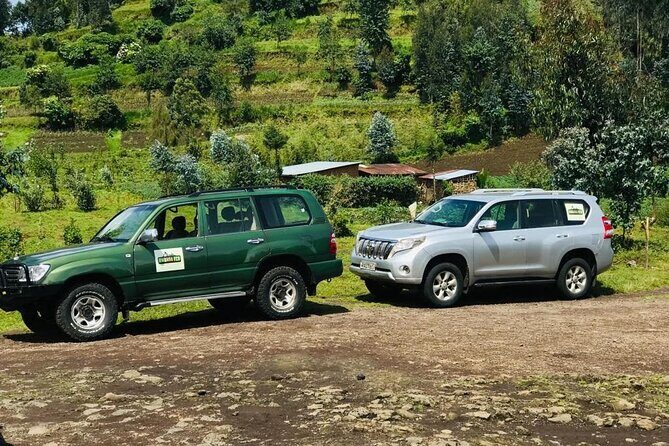
Beyond the permit, you get private transportation and private touring. For a short 2-day trip, private transport reduces wasted time: you aren’t coordinating multiple pickup points or re-planning around other groups.
You also get accommodation and meals (details below), which is a hidden value. When you’re only in the destination for a couple of days, not having to arrange food and lodging separately can easily save both money and stress.
Two small notes that help you plan well:
- You should still account for personal expenses on top of the package, since drinks and personal items are not included.
- Since it’s a private tour, group discounts may only apply depending on your group size. If you’re traveling as a couple or solo, that discount may be limited.
Meals and accommodation: the practical comfort behind the adventure
This plan is set up to keep you fed and moving without constantly hunting for meals. Breakfast and dinner are included, and the package also lists lunch (3). For a day that involves forest tracking, having scheduled food support matters more than you might think.
There’s also accommodation included for the trip. That lets you avoid the common scramble of finding a place to sleep in the middle of an intense two-day plan.
Even with meals included, the gorilla tracking packing list is clear: plan for packed food and mineral water. That doesn’t mean you’ll be eating only what you packed, but it does suggest you should be ready to carry what you need during trekking time. It’s smarter to follow the suggested gear list than to assume meals will perfectly replace trekking provisions.
A few more Kigali tours and experiences worth a look
Fitness and gear: what will make or break your gorilla day
Gorilla trekking isn’t extreme mountaineering, but it is physical. The guidance here is a moderate physical fitness level, and it explicitly calls for walking shoes and basic preparedness.
Here’s what the provided gear list highlights:
- Walking shoes (you want traction and comfort)
- Packed food and mineral water
- Insect repellent
- Sunscreen
- A hat/cover (the list says hut, so bring whatever head cover you normally use for sun and weather)
Insect repellent and sunscreen are not optional “nice to haves.” When you’re moving through jungle terrain, bugs and sun exposure can both feel stronger than you’d expect.
Practical mindset: go slower than you think you need to. Save energy for when you’re tracking and when you’re standing still for viewing. If you push too hard early, you’ll feel it later when you’re waiting, watching, and trying to stay comfortable in the moment.
Price and logistics: is $1,750 per person fair for a 2-day trip?
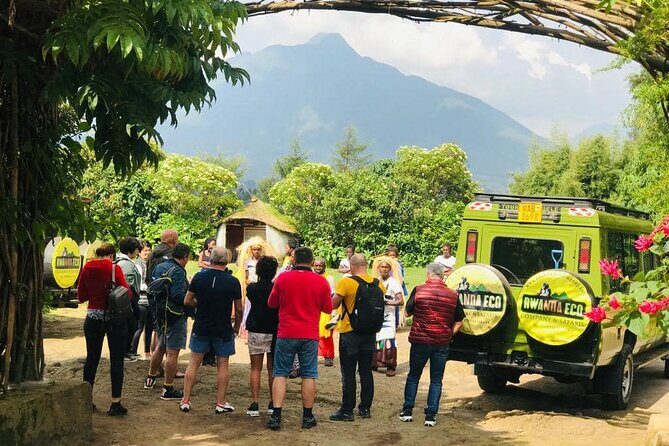
At $1,750 per person, this is not a budget outing. But it’s also not just “pay for a car and a ticket.”
A big chunk of the cost is the gorilla permit—listed at $700 per person—and that’s included. The rest covers private transportation, accommodation, and the meal plan (breakfast, dinner, and multiple lunches), plus the staffing needed to coordinate the tracking and briefing.
So the value question becomes: are you getting convenience and reduced hassle for the short time you have? In a two-day window, that private structure is often worth more than people expect. If you tried to piece this together yourself, you’d likely spend time coordinating permits, transfers, and food, and you could still end up with delays that ruin the experience.
One more reality check: this experience is non-refundable and cannot be changed for any reason. That’s a major factor. If your schedule is uncertain, you’ll need to be confident in your plans before you pay.
Best fit: who should choose this Rwanda-to-Uganda gorilla sprint
This works best if you meet a few conditions:
- You want gorillas but you also appreciate grounding your trip with Rwanda’s history.
- You’re comfortable with an early start (6:00 am) and a day where timing depends on gorilla movement.
- You have moderate fitness and can handle walking in jungle terrain.
It also suits travelers who like a clear structure. Since it’s private and only your group participates, you’re not stuck with someone else’s pace or preferences. And since pickups are offered (from hotels or the airport), it’s easier to plug into your existing travel plans.
If you’re someone who wants a long, slow safari with lots of extra stops, this might feel too focused. But if you want one high-impact wildlife day plus one meaningful cultural day, it’s a strong match.
Should you book this 2-day Uganda gorilla trekking package?
I’d recommend booking if you:
- Know you’re ready for a physically active day and variable timing in the forest.
- Want the emotional pairing of Kigali’s memorial context with Bwindi gorilla time.
- Prefer private transport and a managed schedule when your vacation window is tight.
I’d pause if:
- Your dates are uncertain, because the package is non-refundable and can’t be changed.
- You’re not comfortable with early mornings and moderate fitness demands.
If you do book, my best practical advice is to follow the provided tracking packing list closely and treat the memorial stop as part of the trip’s meaning, not just a checkbox.
FAQ
What time does the tour start?
The start time is 6:00 am.
Where do we meet for pickup?
The meeting point is Rwanda Eco Company and Safaris at KN4 Ave, KIC Building (Formerly known as UTC Building), next to MTN Service Center, Ground Floor, RM 2.14 B in Kigali, Rwanda.
Where does the tour end?
The tour ends back at the meeting point.
How long is the experience?
It’s listed as 2 days (approx.).
What’s included in the price?
Included items are breakfast, dinner, private transportation, gorilla permit ($700 per person), accommodation, and lunch (3). You also get a mobile ticket and pickup is offered.
What is not included?
Not included are air fare, visa, drinks, and laundry, plus other personal expenses.
Is the gorilla permit included?
Yes. The package includes the gorilla permit, listed at $700 per person.
What should I bring for gorilla trekking?
You should plan to bring walking shoes, packed food, mineral water, insect repellent, sunscreen, and a hut (as listed).
Is this a private tour?
Yes. It’s described as private, and only your group participates.
Can I change or refund my booking?
No. The experience is non-refundable and cannot be changed for any reason.
Do you offer group discounts?
Yes. Group discounts are listed as a feature of the package.