REVIEW · KIGALI
Banana Juice Making at a Local Community
Book on Viator →Operated by Azizi Life · Bookable on Viator
Green bananas become a big day. This Rwanda village lesson turns a simple drink into real community time, starting with hand picking green bananas. I also love the way the hosts share daily life—lunch, stories, and even end-of-day fun—through Azizi Life’s guided flow. One thing to keep in mind: you’re working at a rural pace for most of the day, so plan on some physical effort and being comfortable outdoors.
It lasts about 5 to 8 hours and includes a local guide, lunch, bottled water, and round-trip transport from Muhanga (Gitarama) to the village area. You’ll start with a briefing at the Azizi Life centre, then head into the community for the banana prep, ripening step, juice-making, and a stop at a nearby artisan market.
In This Review
- Key things you’ll remember from this banana juice day
- Banana juice in Kigali: more than a drink lesson
- Azizi Life briefing: get oriented before you leave town
- Cutting green bananas and the ripening hole in the ground
- Village chores while the bananas ripen: helpful, not rushed
- Traditional lunch: cassava and beans, served with conversation
- Dig up ripe bananas and start the juice-making part
- Shopping at the local artisan market: turn the day into souvenirs
- Price and value: is $90 fair for a 5 to 8 hour village day?
- Who this tour suits best (and who might want a different plan)
- Practical tips to make your day easier
- Should you book this banana juice-making experience?
- FAQ
- How long is the banana juice making experience?
- What does the tour cost?
- Where do I meet and where does the tour end?
- Is lunch included?
- What’s included in the tour package?
- Is transport from my hotel included?
- Does it require a minimum number of people?
- Is it private or shared?
- When should I book?
- Can I bring a service animal?
Key things you’ll remember from this banana juice day
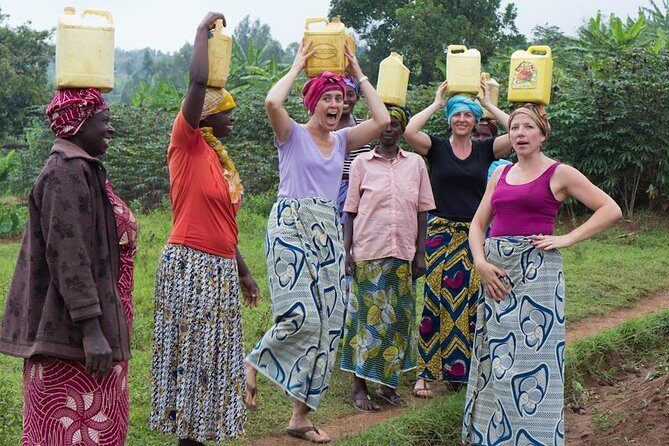
- Green banana prep with a ripening hole: you’ll help set up the slow transformation that makes the juice work.
- Lunch with cassava and beans: proper village food, served while you talk and ask questions.
- Hands-on juice making after ripening: you get to take part when the bananas are ready.
- Warm host energy: past participants highlight open arms and lots of laughter during the day.
- Artisan market stop: you can turn your experience into souvenirs before you head back.
Banana juice in Kigali: more than a drink lesson
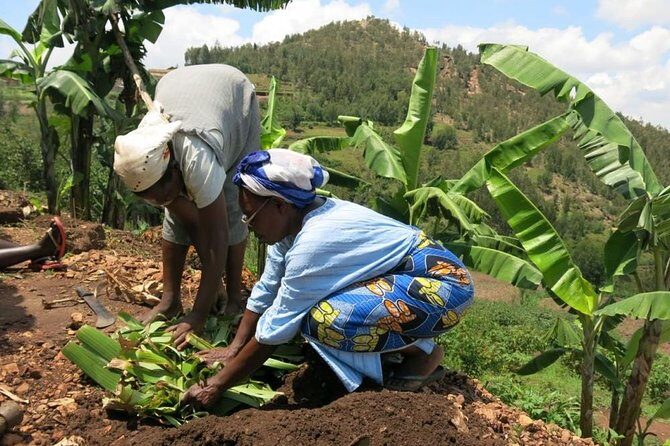
Rwanda’s banana juice is a familiar presence at weddings and parties, but here you learn it the way it’s built at home—slow, practical, and shared. This isn’t a quick tasting where someone demonstrates and you watch. You’re part of the rhythm of the day: collect, prep, wait for ripening, then switch gears to the juice-making process.
What I like most is how the course connects food with land and time. You’re not just learning a recipe. You’re learning why the bananas are handled the way they are and how the community turns that into something people celebrate. If you care about “how locals actually do it,” this is a strong match.
The format also makes it feel personal. It’s a private tour, meaning it’s only your group. Past experiences note that hosts welcome you warmly, dress visitors in traditional clothing, and keep the tone friendly and social—so don’t be shy about chatting while you work and eat.
You can also read our reviews of more tours and experiences in Kigali.

Azizi Life briefing: get oriented before you leave town
You start at the Azizi Life centre near NR1 in Gitarama. Before anyone heads out, you’ll get a briefing and meet the team that connects you with the village. This matters because the day has a few moving parts, and it helps to know what comes first: banana prep, ripening setup, lunch, then juice making.
After the briefing, you depart to the rural community. Transport is included for the round trip from Muhanga (Gitarama) Town to the juice-making site, which keeps the day simple. The meeting point and return plan are straightforward: you end back where you started.
A small consideration: the tour is about 5 to 8 hours total. That’s not just travel time. You’ll be active outdoors, which means you should plan for a full day window rather than trying to squeeze it between other commitments.
Cutting green bananas and the ripening hole in the ground
The heart of the experience begins with the raw material: green bananas. You’ll cut and collect green bananas, then dig a hole in the ground to bury them so they ripen. It’s a classic “wait and trust the process” moment, and it’s also a hands-on lesson in how communities use simple tools and local knowledge.
Why this step feels important: banana juice isn’t just about blending. The taste and texture depend on ripeness. By doing the setup yourself—prepping the bananas and burying them—you understand what affects the final drink. When it’s time later to make juice, you’re not guessing. You’ve already been part of the transformation.
The pacing here is also a good reality check for expectations. You’ll likely spend time on practical work like collecting items and helping where you can, rather than only following a script. That’s usually what makes this type of cultural food experience memorable. It turns you from an observer into a participant.
Village chores while the bananas ripen: helpful, not rushed
Once the banana setup is done, the day doesn’t stop—it shifts. You might help fetch water or continue with food preparation, depending on what’s needed that day. This part is less about formal instruction and more about learning through participation.
This is also where conversations can happen. Lunch isn’t just a meal; it’s a social moment built into the schedule. You can ask hosts about life in their community, and they may ask you about your home country. That two-way curiosity is part of the value here, because you get context beyond the drink.
One practical note: this portion of the day may involve light physical activity outdoors. If you have a moderate fitness level, you should be comfortable with it, but it’s still not a “sit and watch” experience.
Traditional lunch: cassava and beans, served with conversation
Then comes lunch—traditional Rwandan food, with cassava and beans mentioned as examples. You’ll eat with your hosts, and it’s an ideal time to slow down and connect.
I like lunch on days like this for a simple reason: it breaks the work into a human rhythm. You’re not bouncing from one task to the next. You get to reset, eat well, and ask questions when your energy is back.
This meal also helps balance the day. You’re doing physical tasks, including digging and prepping. Lunch makes sure you’re not treated like unpaid labor. It’s part of the shared hospitality of the community.

Dig up ripe bananas and start the juice-making part
After lunch, you dig up the ripe bananas. This is the moment when your earlier work pays off. It’s satisfying because you can physically see the result of the ripening process you set up in the morning.
From there, you begin the juice-making process. The course format keeps it hands-on, so you’re not just tasting and moving on. You’ll be part of making the juice once the bananas are ready, using what you’ve learned from the prep and ripening step.
The “juice-making” portion is also where you’ll get a feel for the final product quality. Banana juice isn’t bland—it has a character that comes from ripening and local handling. Past participants specifically call the juice tasty, and that makes sense: you’re creating it from bananas that were guided through the process, not rushed.
Shopping at the local artisan market: turn the day into souvenirs
At the end of the course, you have time to shop for souvenirs at a local artisan market. This doesn’t feel like an extra sales stop tacked on at random. Because you’ve already spent hours with the community, the market visit connects naturally—you can pick up items that represent local craft.
A tip for getting the most out of this stop: treat it like part of the experience, not just a checkout. Ask questions, look at materials and methods, and only buy what you truly want to bring home. You’re already investing a full day; it’s worth making your purchases feel personal.
Price and value: is $90 fair for a 5 to 8 hour village day?
At $90 per person, this banana juice course sits in the “cultural activity” category where value depends on what’s included and how much participation you get.
Here’s what you’re paying for:
- A local guide
- Lunch
- Bottled water
- Gratuities and local taxes included
- Round-trip transport from Muhanga (Gitarama) Town to the village area
- A full 5 to 8 hours of guided hands-on work
Where the value really shows up is in labor and logistics. Digging, banana prep, ripening time, juice making, and a market stop can’t be done instantly. The provider also needs time for the community to prepare, which is why you should plan ahead (more on timing below). That structure adds cost, but it also keeps the experience genuine and functional.
Also consider the private group format. It’s not a huge group herd. You’ll do this with just your group, which usually means more chance to talk, more chances to help, and less waiting around.
If you’re traveling with a smaller group, the minimum requirement matters: there must be at least 2 people per booking. In other words, it’s designed for shared time, not solo wishlists.
Who this tour suits best (and who might want a different plan)
This is a great fit if you want:
- Hands-on food culture rather than passive sightseeing
- A full-day experience with real host interaction
- A practical lesson: how raw ingredients become a local drink
- Time for conversation at lunch and during the work periods
It may be less ideal if you’re looking for short, light, purely classroom-style content. The banana ripening process includes outdoor work like digging and prepping, and the day runs 5 to 8 hours.
It’s also not the kind of activity you should book if you’re trying to leave Rwanda with only one “token culture” item. This one asks you to participate. If that’s your style, you’ll probably feel satisfied.
Practical tips to make your day easier
A few things that can help you enjoy the course more:
- Plan for time: it’s 5 to 8 hours, and the ripening step means you’ll wait as part of the schedule.
- Be ready for outdoors work: cutting bananas, digging, and chores like fetching water can come up.
- Ask questions at lunch: this is your best window for conversation with your hosts.
- Bring a good attitude for teamwork: some tasks may not be “the main thing,” but they’re how the community day flows.
- Keep an eye on timing when booking: the community needs advance preparation for bananas to be ready.
If you like learning by doing, this day delivers. If you only want “pretty pictures,” you might feel impatient waiting for ripening.
Should you book this banana juice-making experience?
I think you should book it if you want an active, social, locally hosted food experience that doesn’t feel scripted. The combination of green banana prep, the ripening-by-burying step, lunch with traditional food, and hands-on juice making makes it more than a snack stop. It also has a warm reputation for hospitality and end-of-day fun, which is exactly the kind of memory you carry home.
Skip it if you’re trying to minimize physical effort or if you want something very short and low-participation. Also, don’t book last minute—this course needs time for the community to prepare the bananas, and the provider requests at least 96 hours.
If you’re staying around Gitarama/Muhanga and you can commit to a full half-day to full-day window, this is a solid value way to learn Rwanda through taste and hands-on work.
FAQ
How long is the banana juice making experience?
It runs about 5 to 8 hours.
What does the tour cost?
The price is $90.00 per person.
Where do I meet and where does the tour end?
You start at NR1, Gitarama, Rwanda, and it ends back at the same meeting point.
Is lunch included?
Yes. Lunch is included, along with bottled water.
What’s included in the tour package?
You get a local guide, lunch, bottled water, local taxes, gratuities, and round-trip transport from Muhanga (Gitarama) Town to the village and back.
Is transport from my hotel included?
Transport from Muhanga (Gitarama) Town is included, but transportation to or from Muhanga (Gitarama) Town is not included. It can be arranged for an additional payment.
Does it require a minimum number of people?
Yes. There is a minimum of 2 people per booking.
Is it private or shared?
It’s private, meaning only your group participates.
When should I book?
You need to book at least 96 hours before the experience starts so the community can prepare the bananas. Confirmation is received within 48 hours of booking, subject to availability.
Can I bring a service animal?
Yes. Service animals are allowed.