REVIEW · KIGALI
Kigali:1 Day Nyungwe Canopy Walk & Waterfall Tour adventure
Book on GetYourGuide →Operated by Vista Safaris · Bookable on GetYourGuide
Nyungwe’s treetops make the long drive worth it. This Kigali-to-Nyungwe day trip pairs a guided rainforest walk with the famous canopy walkway, then finishes at Ndambarare Waterfall, far from city life.
I love the way the morning stays practical: you hike with an informative guide and you’re not just taking photos, you’re learning what you’re looking at. I also love the contrast of the day, moving from forest floor to high suspension bridge views, then down to the quiet power of the falls at Ndambarare.
One consideration: this is not a mellow stroll. If you have vertigo (or back problems) the canopy bridge part can be a deal breaker, and the canopy section is brief compared with the full day.
In This Review
- Key things to know before you go
- Kigali to Nyungwe: what you’re really buying
- The morning drive: long, but it sets the tone
- Park check-in and briefing: how the guide keeps it meaningful
- The rainforest walk: slow enough to look, guided enough to learn
- Nyungwe Canopy Walk: the thrill, the height, and the reality check
- Lunch at the park restaurant: rest without losing the day
- Ndambarare Waterfall hike: your afternoon payoff
- Transportation and timing: why the 4.5-hour ride matters
- Price and value: what the $290 covers (and what to budget)
- Who this tour suits best
- What to pack (so you’re comfortable all day)
- Guide language: how to avoid surprises
- Should you book this Kigali to Nyungwe day trip?
Key things to know before you go
- A full day in one go: about 1 day total with long driving time (roughly 4.5 hours each way)
- Canopy bridge details: about 50 meters high and roughly 200 meters long suspension walkway
- Ndambarare Waterfall hike: plan on about a 2–3 hour hike to reach the falls
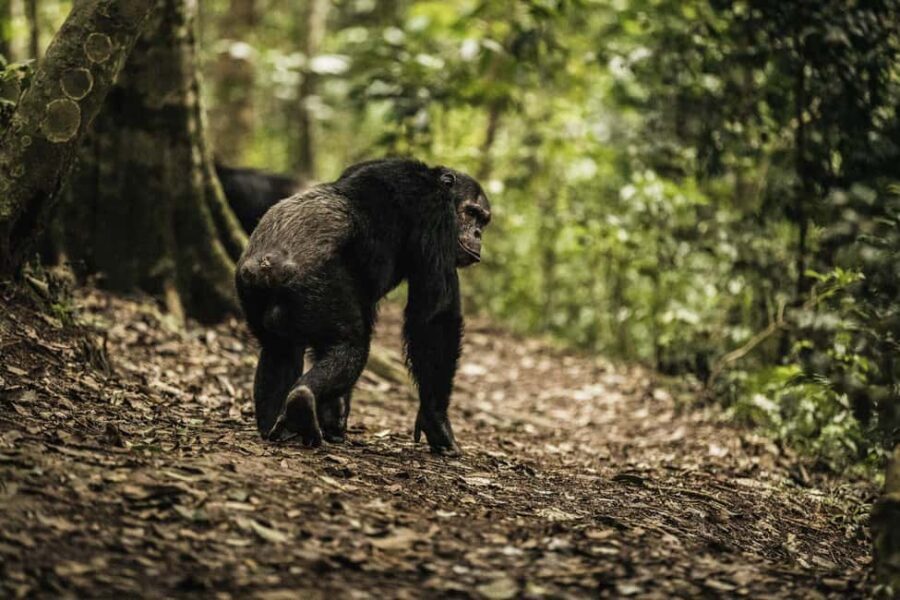
- Wildlife you might see: chimpanzees, colobus monkeys, and squirrels are possible targets
- Rain can change everything: bring rain gear and insect repellent; expect weather swings
- Language can vary: English, French, or Swahili are offered, and the guide situation can differ from what you expect
Kigali to Nyungwe: what you’re really buying
This isn’t just a nature outing. You’re paying for a smooth, door-to-door day structure: pickup in Kigali, 4×4 transport, park entry coordination, guided walks, and lunch at the park restaurant. The big idea is that Nyungwe is far enough from Kigali that doing it properly means you want the logistics handled.
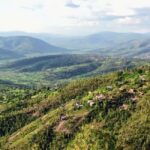
The scenery shift starts early. The drive takes you through Rwanda’s famous rolling hills, and you’ll often spot everyday life and changing elevations from the jeep window. There’s also a quick coffee stop along the way, which sounds simple until you remember you’re doing a full day with limited buffer time.
If you like wildlife and plants, this format works well. You’re not spending the day inside a vehicle, and you’re not trying to cram too many different activities either. You get a guided forest hike, then the canopy walk, then a longer hike to the waterfall.
You can also read our reviews of more walking tours in Kigali


The morning drive: long, but it sets the tone
You start with an early pickup from your accommodation in Kigali. The transport is a jeep/SUV with 4×4 capability, and the ride time is around 4.5 hours from Kigali to Nyungwe. That may sound like a lot, but it matters for comfort—Nyungwe day trips live and die by how well the road transfer feels.
Along the way, you get a short stop at a coffee place to reset. That’s not a luxury moment so much as fuel for a long day on foot. You’ll also have water available as part of the tour, which helps you pace yourself once you arrive.
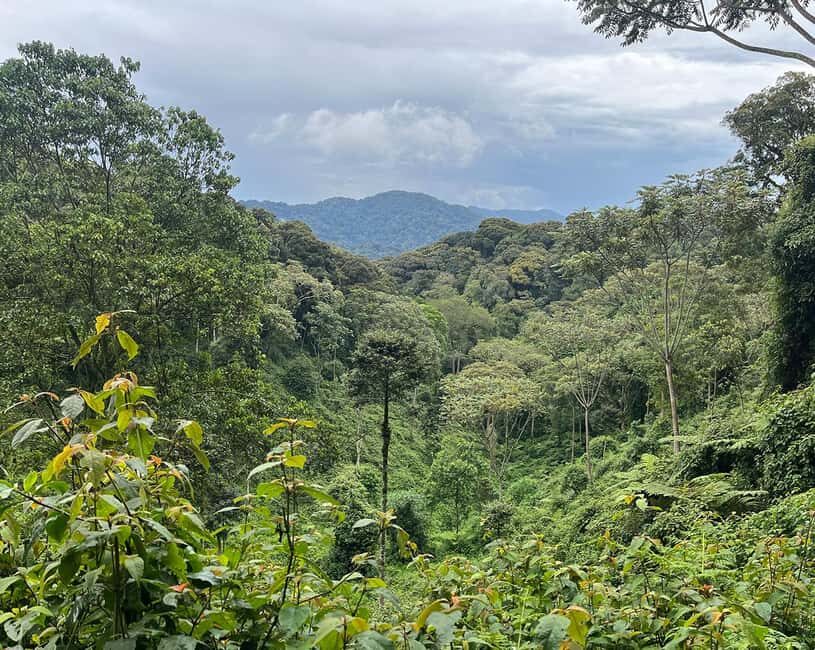
This portion is also where you’ll feel the day turning into nature time. Even before you reach the park reception, the hills and changing views signal you’re heading away from city rhythm and into a rainforest ecosystem.
Park check-in and briefing: how the guide keeps it meaningful
Once you arrive at Nyungwe, you check in at park reception and you’ll get a short briefing before hiking. That briefing matters because it sets expectations for the day and helps you move through the rules smoothly.
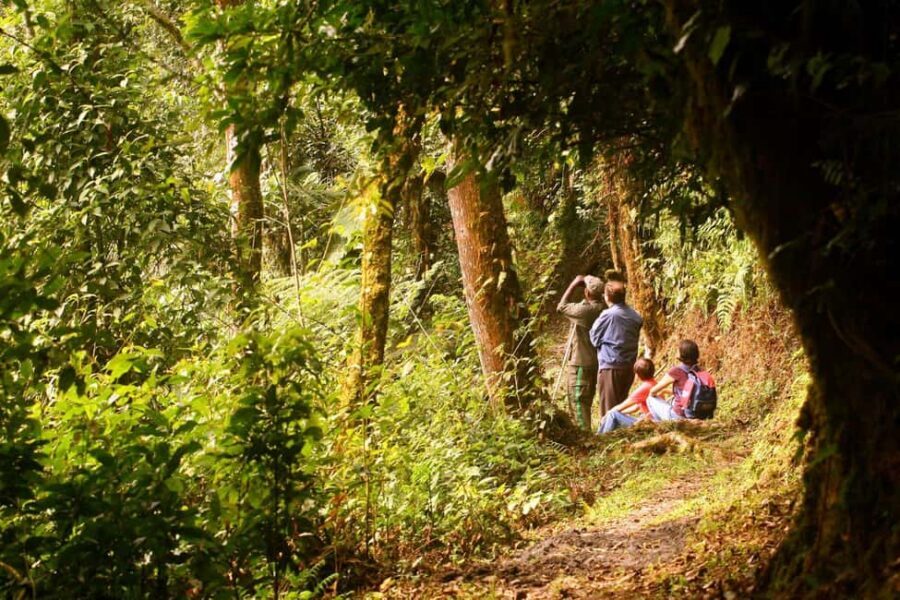
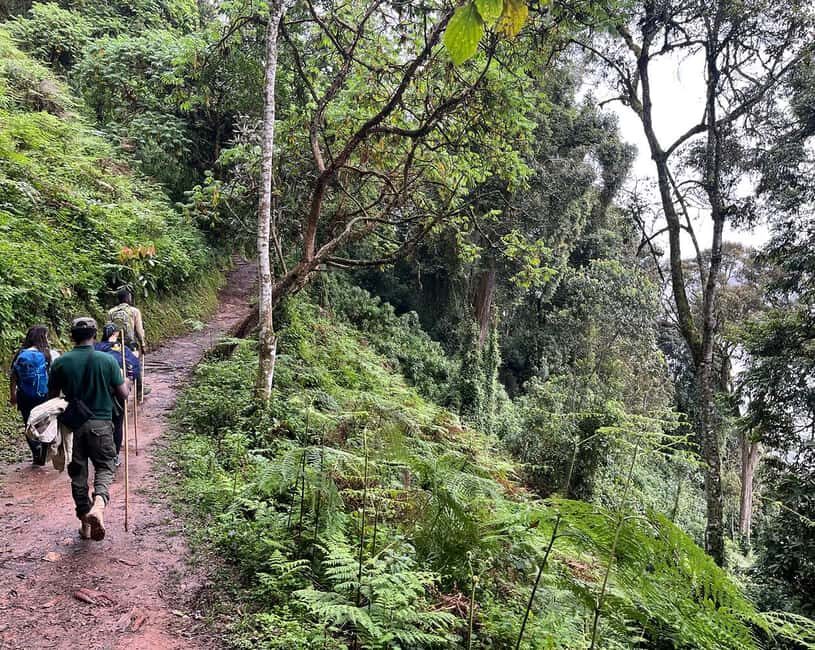
You then head into a guided nature walk in the rainforest. The tour is designed for you to see more than movement and shadows. You’re going in with an actual purpose: your guide helps you understand flora and fauna as you go.
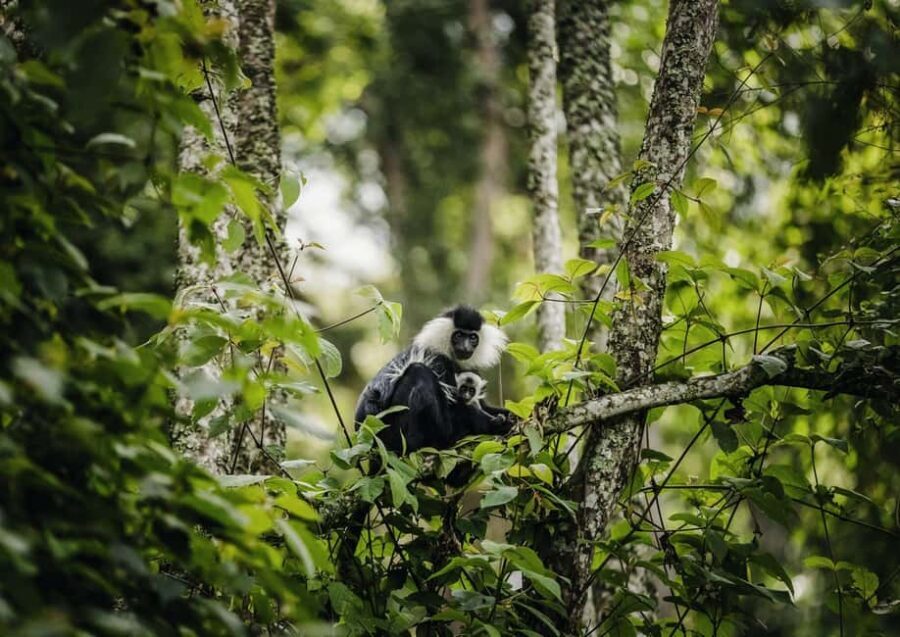
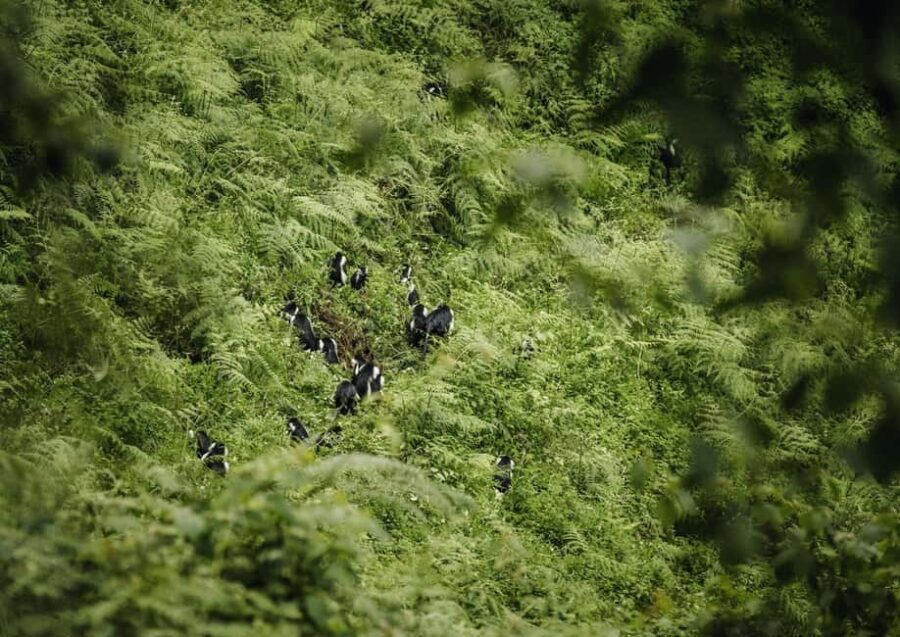
You might spot chimpanzees, colobus monkeys, and squirrels. Wildlife sightings are never guaranteed in any rainforest, but Nyungwe is one of the places where trained guides can help you notice signs and behavior that you’d otherwise miss.
The rainforest walk: slow enough to look, guided enough to learn
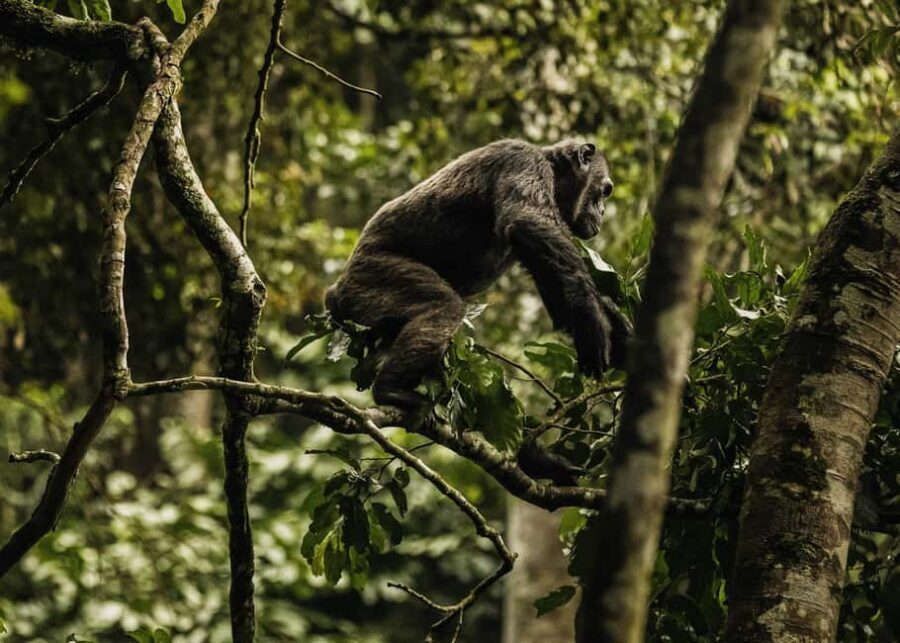
The forest hike is about 2 hours. It’s long enough to feel like a real walk in the ecosystem, not a quick stop, but short enough that most people can handle it with proper shoes.
What makes this part valuable is the explanation component. The guide points out what you’re seeing and what it means—what kinds of plants you’re walking past and what animals might be nearby. In the feedback I’ve seen, guides such as Omar and Christophe are praised for teaching about local wildlife and adapting to the walking pace.
That adaptation is key. Rainforest hiking is uneven and sometimes slippery, so a guide who can adjust to your speed makes the difference between a stressful slog and a day you actually enjoy.
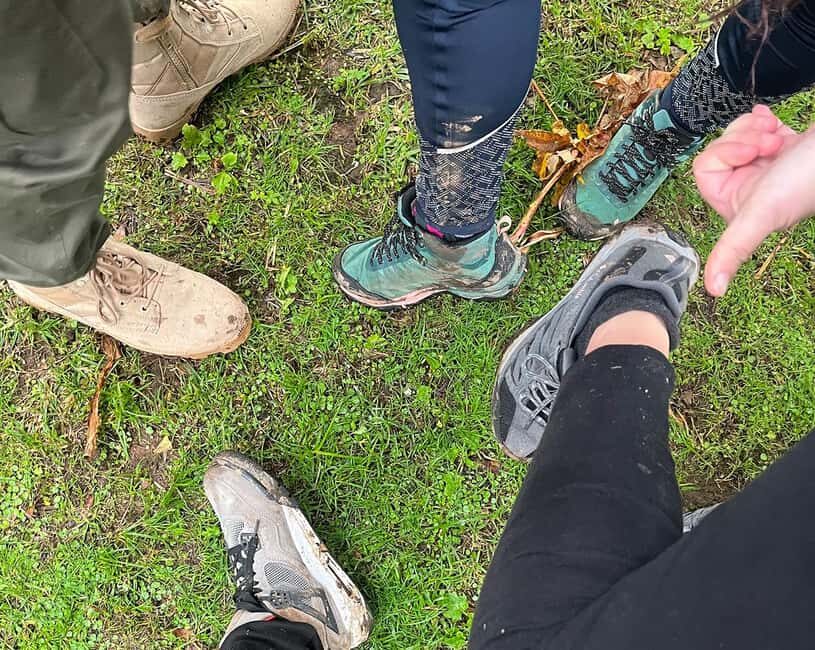
Practical note: you’ll want comfortable shoes that can handle muddy patches. The tour provides a hiking stick, which can really help on uneven ground.
Nyungwe Canopy Walk: the thrill, the height, and the reality check
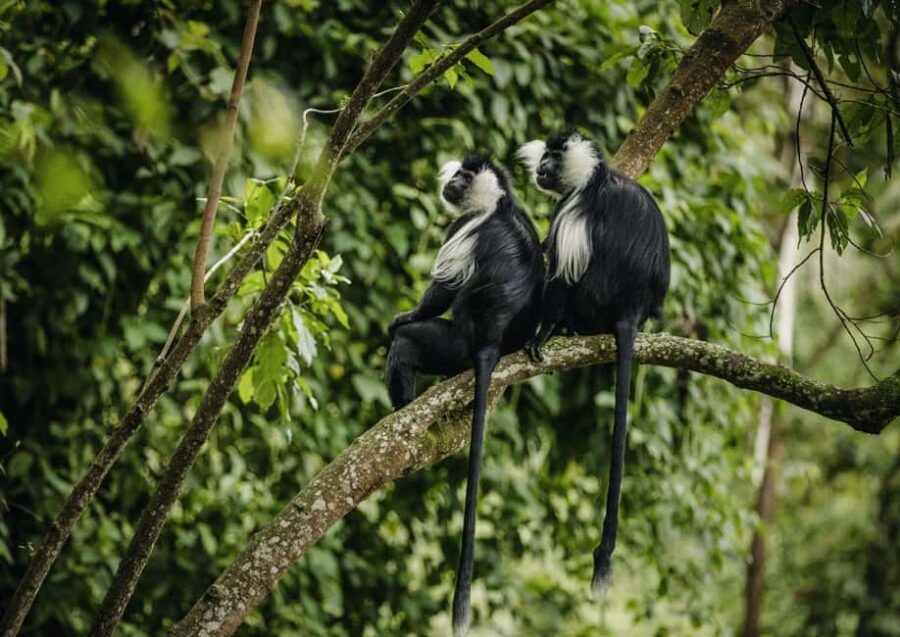
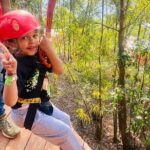
Next comes the canopy walkway, built as a suspension bridge. You’ll be walking about 50 meters above the forest floor, across a span of roughly 200 meters. From up there, you get aerial views of the canopy and you may spot birds and primates moving through the treetops.
This is the moment most people remember most clearly because the perspective changes fast. On the ground, you’re reading the forest at your pace. Up top, you’re watching the forest like a map—lines of branches, activity in the canopy, and open sightlines you never get at eye level.
Now the reality check: one booking found the canopy section felt shorter than expected. That doesn’t make it bad—it’s just useful to set expectations. The bridge is designed as an experience, not an all-day hike.
If you’re prone to heights, this is where you need to be honest with yourself. The tour is not suitable for people with vertigo, and the height isn’t something to push through casually.
A few more Kigali tours and experiences worth a look


Lunch at the park restaurant: rest without losing the day
After your morning activities, you’ll have lunch at the park restaurant for about an hour. This is a good pace because it gives you real recovery time without sacrificing your afternoon.
You’ll likely want a meal that’s not too heavy, since you’re heading into a longer hike afterward. Even with an hour, you’ll feel the day’s rhythm if you eat carefully and hydrate.
Since bottled water is included, you can focus on refueling and staying comfortable, rather than trying to shop once you’re deep into the park.
Ndambarare Waterfall hike: your afternoon payoff
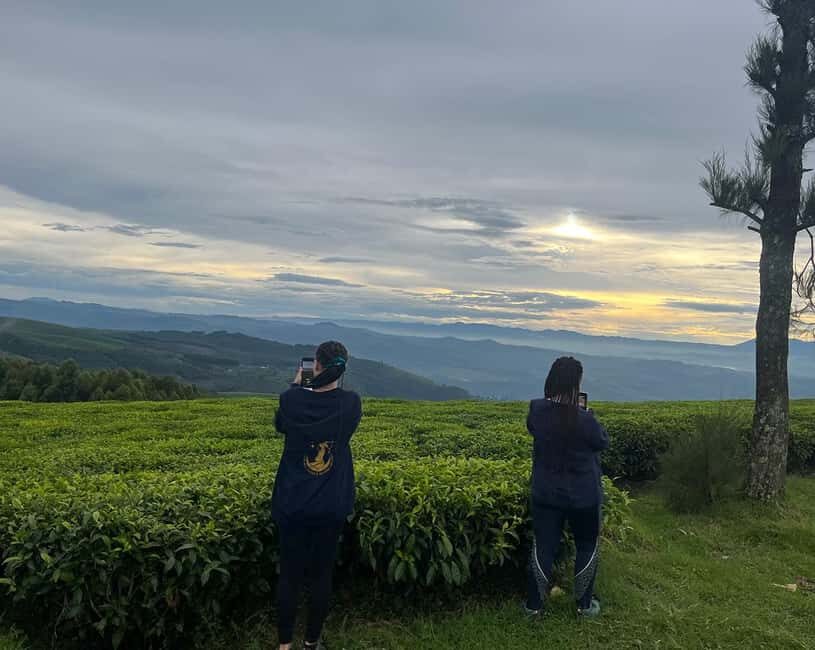
In the afternoon you’ll hike toward Ndambarare Waterfall. Expect about 2–3 hours on the trail, with forest paths and tea plantations along the way before you reach the falls.
This part works well because it changes the sensory experience. Up top, you’re looking for motion between branches. On this trail, you’re listening and walking—your attention shifts to sound, mist, and how the ground and vegetation change as you approach the water.
When you reach Ndambarare, the tone becomes calmer. The waterfall is the payoff for the effort of the trail, and it gives you a break from the adrenaline of heights. In the feedback I saw, the waterfall is a standout feature, and people often describe it as the relaxing end to a full day.
Keep your rain gear handy. Even if the morning feels clear, rainforest weather can shift quickly, and mist at the falls can mean your clothes and shoes feel damp sooner than you expect.
Transportation and timing: why the 4.5-hour ride matters
This tour is built around a long transfer. You’re in a jeep/SUV for roughly 4.5 hours each way. That means the schedule matters as much as the activities.
A big plus here is that you’re not navigating on your own. You’ll be picked up from your residence, and the driver-guide handles the route and timing. In one account, the driver Omery is noted as punctual, with helpful breaks for photos and when people needed them.
For you, that translates into less stress. You can focus on your day instead of worrying about directions, stops, or when to get back in the car for the drive home.
Price and value: what the $290 covers (and what to budget)
The advertised price is $290 per person for a 1-day itinerary. On paper, that includes pickup and drop-off, 4×4 transportation, guided nature walk, waterfall and canopy experiences, lunch, a hiking stick, bottled water, and an informative guide.
Then plan for park fees. The tour data indicates an additional park entry fee of $155 per person. That fee is not included in the $290, so you should treat it like part of the real total cost.
One important note: some bookings reported additional guide-related fees added on top of entry and transportation costs. Since you’re seeing variations in what’s charged during booking, I suggest you confirm the exact inclusions and final total before you pay anything locally.
If you’re comparing against self-drive costs, you’re also paying for time and expertise. The drive is long, and the guide’s job is to help you see more and move safely in the rainforest and on the canopy bridge.
Who this tour suits best
This is a strong fit if you:
- Want a full Nyungwe experience in one day: forest walk, canopy views, and Ndambarare Waterfall
- Like guided interpretation of wildlife and plants
- Prefer a private format, where the pace can be adjusted
It’s a poor fit if you:
- Are under 6 years old
- Are pregnant
- Have back problems
- Have vertigo (because of the canopy walkway height)
Also, this day involves walking in rainforest conditions and then hiking 2–3 hours in the afternoon. So bring shoes you trust and don’t plan to arrive with sore feet already.
What to pack (so you’re comfortable all day)
The tour is hiking-focused, so packing smart pays off. Bring:
- Comfortable shoes
- Hat
- Camera
- Sunscreen
- Water (even though bottled water is included, extra helps)
- Rain gear
- Insect repellent
Respect the basic rules too. You won’t smoke or litter, you won’t feed animals, and you won’t touch plants. That’s not just for safety—it also helps keep the forest ecosystem intact.
Guide language: how to avoid surprises
English, French, and Swahili are listed as guide languages. In at least one booking, the guide language setup wasn’t what was expected: the driver spoke French, but the accompanying guide spoke only English. It wasn’t described as catastrophic, but it’s worth factoring in if you’re relying on French.
For you, the best approach is to confirm in advance what language your guide will actually use for the rainforest hike and canopy portion, not just who is driving you.
Also, if you’re not fluent, a good guide can still help with nonverbal signals and simple explanations. But you’ll enjoy the forest more if you can follow the key points about what you’re seeing.
Should you book this Kigali to Nyungwe day trip?
Book it if you want one organized day that covers the rainforest hike, canopy walkway, and Ndambarare Waterfall without you having to plan timing, transport, and park movement. The private structure and guided focus make it feel efficient, not rushed.
Skip it or reconsider if you have vertigo or back issues due to the canopy bridge height and walking. Also, be realistic about expectations for the canopy segment: it’s famous, but it’s a short bridge experience, not a long expedition.
If you can handle a full day with a long drive, this tour is a great way to experience what makes Nyungwe special: canopy views, possible primate sightings, and a waterfall finish that feels like a reward rather than a checkbox.