REVIEW · KIGALI
Kigali City Tour: History, Art and Local Highlights.
Book on GetYourGuide →Operated by Iriza Tours & Safaris · Bookable on GetYourGuide
Kigali packs emotion, then gives you clarity. This guided loop threads together the Genocide Memorial, green hillside views, local neighborhoods, and craft-market time—plus hotel pickup and lunch so the day stays smooth.
I especially love how the tour turns Kigali into lived-in city life, not just photo stops. You get market conversations and craft browsing at places like Niyo Arts Center, where Made-in-Rwanda items feel personal instead of souvenir-ish.
One thing to weigh: the day is active and includes an emotionally intense memorial, so comfortable shoes matter. Also, the tour runs in English; most guides communicate clearly, but you may want to ask questions if anything feels unclear.
In This Review
- Key highlights worth your attention
- Getting picked up in Kigali without wasting time
- Kigali Genocide Memorial: how to use the time well
- Mount Kigali Forest: viewpoints and a breather from the streets
- Nyamirambo: seeing Kigali through a real neighborhood
- Imbuga City Walk: the “small moments” stop
- Niyo Arts Center: crafts you can actually connect with
- Kimironko Market: vendor chats, not just photos
- Lunch in the middle of the day: usually a win, but watch timing
- Price and value: is $99 worth it?
- What you should bring (and what to skip)
- Who this tour is best for
- Should you book this Kigali city tour?
- FAQ
- FAQ
- What’s the duration of the Kigali City Tour?
- What language is the live guide?
- Is hotel pickup and drop-off included?
- What does the tour cost, and what’s included?
- Are museum entry fees included?
- What should I bring?
- Is free cancellation available?
Key highlights worth your attention
- Genocide Memorial time built into the schedule (about 1.5 hours) so you can take it in without rushing.
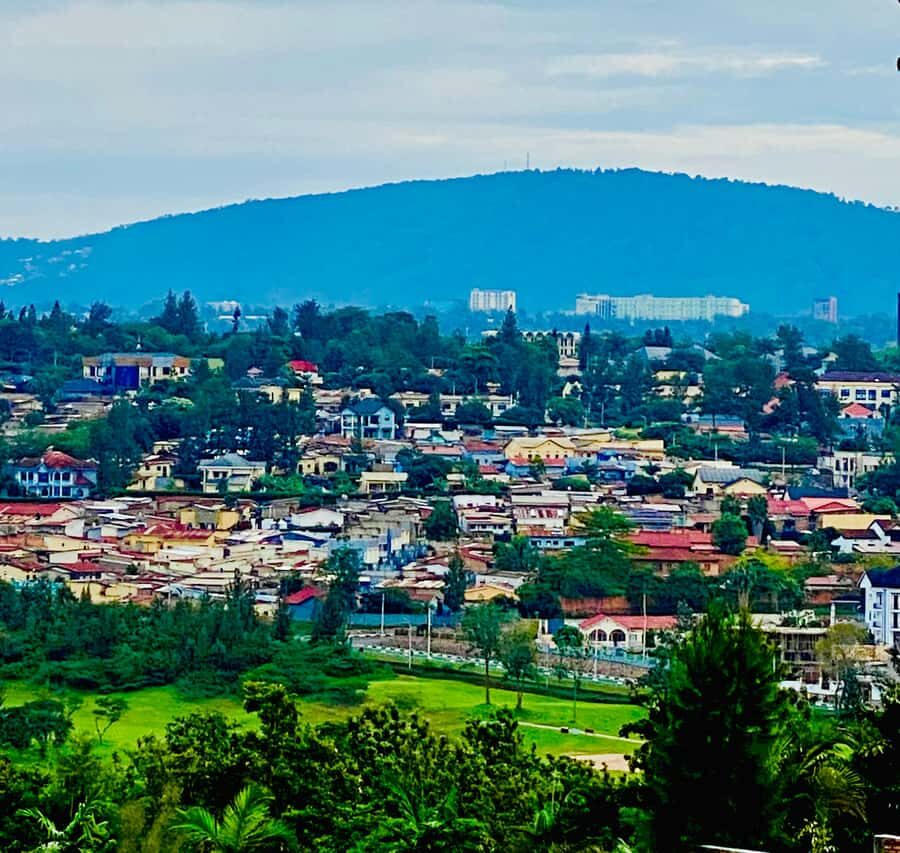
- A guided stop in Mount Kigali Forest with a chance to enjoy Kigali’s rolling-hill scenery.
- Nyamirambo neighborhood immersion with a local perspective on everyday Kigali.
- Craft and art visits including Niyo Arts Center and time to meet vendors.
- Kimironko Market with real human energy—and a guide who knows how to navigate it.
- Hotel pickup and drop-off for a day that’s easy to fit into your schedule.
Getting picked up in Kigali without wasting time
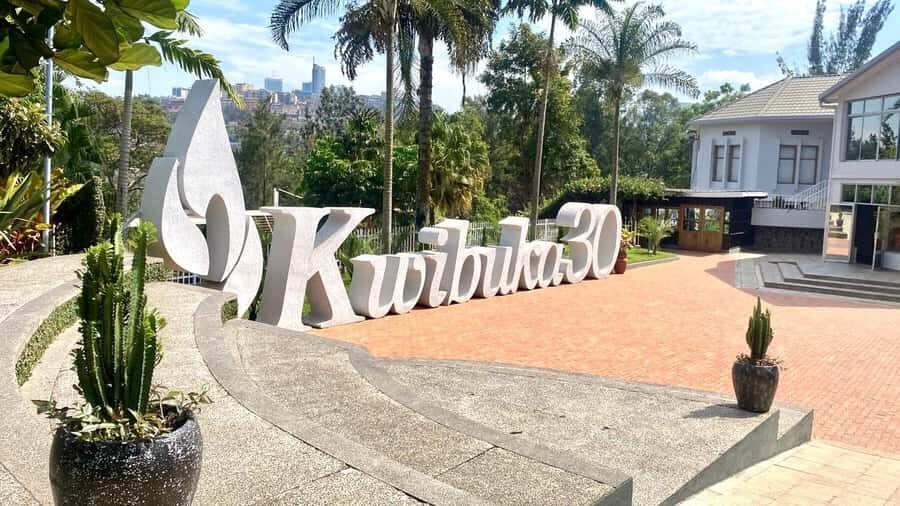
This tour starts the way you hope most tours start: with a driver-guide meeting you at your hotel lobby (or at the Kigali International Airport arrivals area). You’ll see your driver holding a sign with your name or Iriza Tours & Safaris, and you should be ready about 10 minutes ahead of the scheduled pickup time.
That little window matters. Kigali traffic and timing can shift, and being ready keeps the whole day from dragging. You’ll also have bottled water included, which helps when you’re moving between neighborhoods and markets.
You can also read our reviews of more city tours in Kigali



Kigali Genocide Memorial: how to use the time well

The schedule sets aside about 1.5 hours at the Kigali Genocide Memorial. This is not a quick-see stop, and it shouldn’t be. If you’re the type who likes to read every panel, that time usually feels right; if you prefer to move steadily and reflect, it’s still enough to get oriented and respectful.
What I like about including this stop on a city tour is the context it gives. Kigali’s present-day order, community spirit, and rebuilding effort make much more sense once you’ve seen how the city remembers and teaches. A strong guide here can turn your visit from information into understanding—especially around what you’re looking at and why it matters.
A practical note: this part of the day is emotionally heavy. Build in a calm pace. If you feel overwhelmed, ask your guide to slow down and explain only what you need at that moment.
Mount Kigali Forest: viewpoints and a breather from the streets
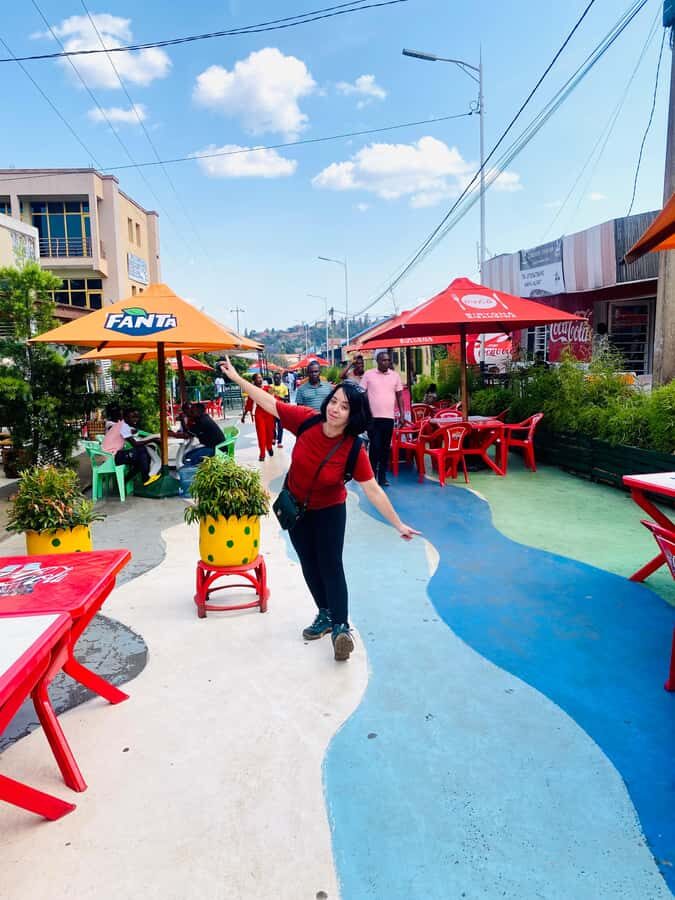
Next comes a shorter guided visit—about 40 minutes—in the Mount Kigali Forest area. This is where the tour shifts tone. You trade city sounds for greenery and hill air, and you get those rolling viewlines across Kigali’s winding streets.
I like this stop because it prevents the day from becoming only history and crowds. Even a short nature break helps you reset before the neighborhood walking starts. It also gives you a better mental picture of Kigali’s shape—how the hills set the city’s rhythm.
Wear shoes with grip. You’ll want comfort more than style, especially if paths feel uneven or slippery after mist.
Nyamirambo: seeing Kigali through a real neighborhood
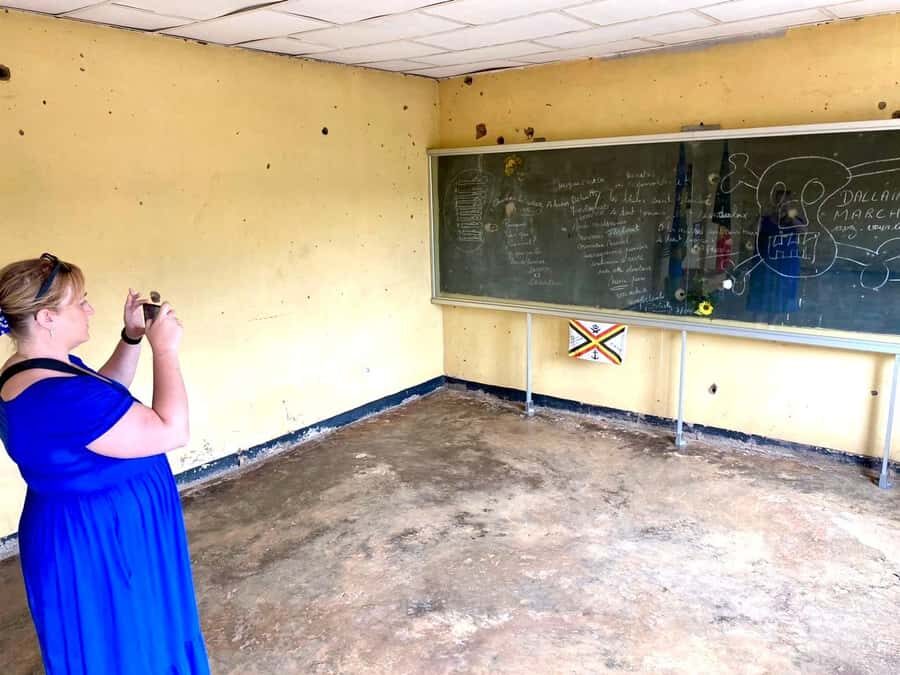
The tour then moves into Nyamirambo, with about an hour for a guided visit. This stop is less about landmarks and more about how people live—streets, daily movement, and the local culture you don’t see from a distance.
One of the best parts of tours like this is the guide’s ability to connect what you see with what it means. In strong cases, you’ll feel like you’re walking with someone who knows the city’s logic: where people gather, how businesses operate, and what everyday life looks like outside the tourist bubble.
Potential drawback? Neighborhood walking means you’ll be exposed to street activity—so keep your phone ready for photos, but keep your attention on what’s happening around you too.
Imbuga City Walk: the “small moments” stop

After Nyamirambo, the itinerary includes an Imbuga City Walk (about 40 minutes). Think of this as a bridge between neighborhood life and the creative side of Kigali. City walks work best when you slow down and let the guide point out the things you’d otherwise miss—patterns in the streets, local meeting points, and the city’s texture.
In a good guide-led walk, you start noticing how Kigali blends history, culture, and modern living in one place. The walk is short, so if you love street-level detail, this is one stop where you should ask questions as you go.
You can also read our reviews of more historical tours in Kigali

Niyo Arts Center: crafts you can actually connect with
Then you’ll head to Niyo Arts Center for about 40 minutes. This is one of the stops that supports the tour’s Made-in-Rwanda angle in a tangible way: you get time to see crafts and art, and to browse with a better sense of who makes what and why it exists.
I like this kind of visit because it’s not just shopping. A good guide helps you interpret the objects—what you’re looking at, how artisans work, and how art fits into Kigali’s present-day identity.
If you’re thinking of buying something, treat this as your first serious shopping window. You’ll have enough time to compare items, ask questions, and decide without feeling rushed.
Kimironko Market: vendor chats, not just photos
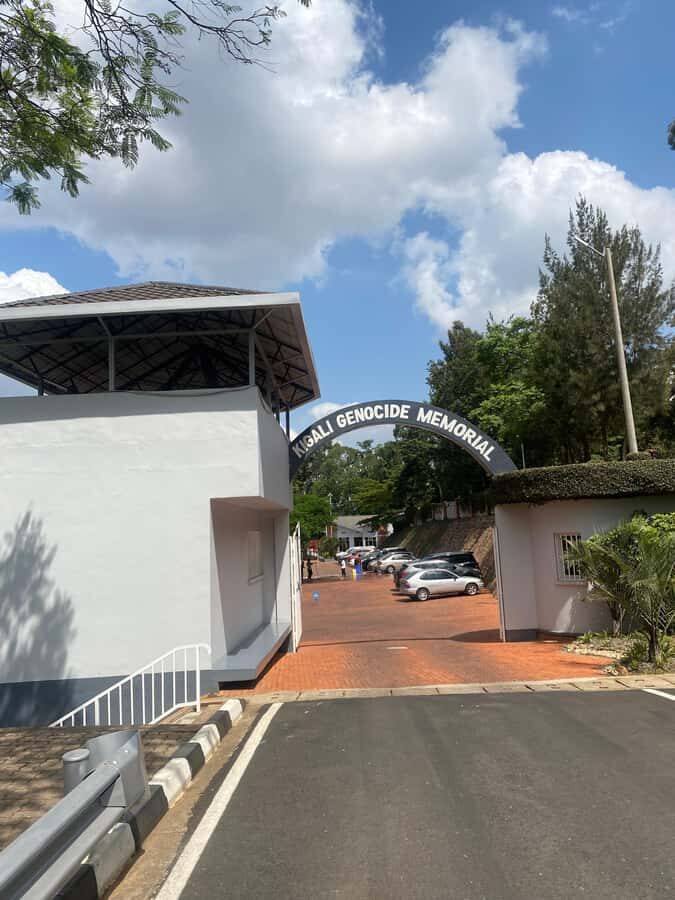
The final major stop is Kimironko Market, with about an hour for a guided visit. Markets can be chaotic on your own. With a local driver-guide, the difference is how you move: where you stand, what’s worth a closer look, and how to engage with vendors respectfully.
A detail I really value here is the human factor. In past experiences, guides like Jerry, Jeremiah, and Oliver have been described as popular around the market—basically, people recognize them and conversations flow easier. That matters. It turns your time into more than browsing; it becomes real interaction.
Quick practical advice:
- Keep cash and small bills ready if you’re buying.
- Don’t rush negotiations. Ask first, smile, then decide.
- Take photos only when it feels appropriate—watch for cues from vendors and guides.
Lunch in the middle of the day: usually a win, but watch timing
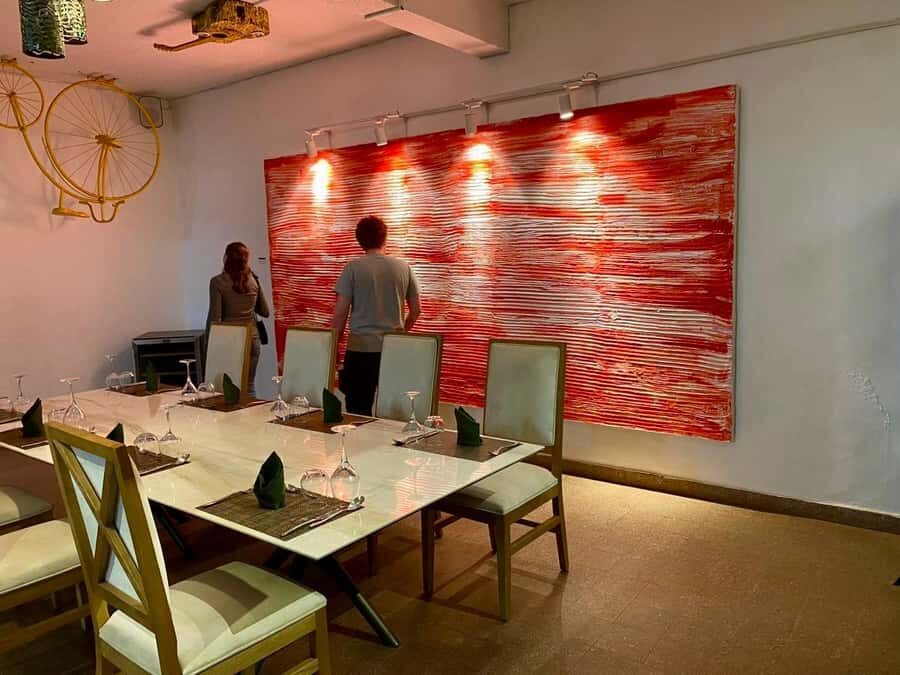
Lunch is included at a local restaurant. In the best versions of the tour, the lunch is good and lands at a sensible hour, letting you eat without delaying the rest of your day.
That said, timing can vary depending on how the schedule runs that day. There’s at least one report where lunch happened later than expected. My suggestion: if you’re arriving hungry or you’ve got limited stomach patience, plan to ask your guide when lunch is expected and keep an eye on the clock.
Price and value: is $99 worth it?
At $99 per person for a 4–6 hour tour, value depends on what you want from Kigali. If you’re comfortable navigating on your own, you could stitch together some stops. But if you want the context—especially around the Genocide Memorial and the meaning behind neighborhoods—then the price starts to look fair.
You’re paying for:
- a professional local driver-guide who can connect the dots across stops
- hotel pickup and drop-off
- guided time at multiple areas (not just one museum)
- bottled water and a Rwandan lunch
Also, remember that museum entry fees are not included. That means a portion of what you’re paying covers guiding and time, not ticket costs.
Bottom line: if you want a guided day that explains Kigali’s past and present without you managing logistics, $99 can be a solid deal.
What you should bring (and what to skip)
You’ll have a much easier day if you come prepared. Bring comfortable shoes, a hat, sunscreen, a camera, and water (even though bottled water is included).
The tour also has clear rules: no drones, no smoking, and no eating or drinking in the vehicle. Dress should be modest and practical—high-heeled shoes and short or see-through clothing aren’t allowed.
One more practical point: the tour is not suitable for wheelchair users. If mobility is an issue, you should plan on your walking tolerance being the limiting factor.
Who this tour is best for
This tour works well if you want:
- a balanced day mixing history, local life, and art/crafts
- a guide who helps you interpret what you’re seeing (not just drive you around)
- a smooth schedule with pickup, drop-off, and lunch handled
It may be less ideal if you hate guided groups that keep moving at a steady pace, or if you need lots of independent free time. The memorial stop alone can take energy, so if you prefer lighter days, consider splitting your Kigali time into smaller pieces.
Should you book this Kigali city tour?
If you’re trying to understand Kigali quickly and respectfully, I’d lean toward booking. The schedule makes sense: the memorial comes early enough to frame your day, then you shift into nature views, neighborhoods, art, and market life. That mix helps you see the city as more than one chapter.
I’d say book it especially if you value a guide’s role in making interactions easier—especially in places like Kimironko Market and around craft shopping at Niyo Arts Center. Just go in with realistic expectations: the memorial is serious, the day involves walking, and English interpretation matters. If you’re comfortable asking questions, you’ll likely get a lot out of it.
FAQ
FAQ
What’s the duration of the Kigali City Tour?
The tour runs for about 4 to 6 hours, depending on the day’s timing and your pickup time.
What language is the live guide?
The live tour guide provides services in English.
Is hotel pickup and drop-off included?
Yes. Your driver-guide meets you in your hotel lobby (or at the Kigali International Airport arrivals area) and handles drop-off at your chosen drop-off location.
What does the tour cost, and what’s included?
The price is $99 per person. Included are a professional local driver-guide, hotel pickup and drop-off, guided visits to the scheduled sites, bottled water, and a Rwandan lunch at a local restaurant.
Are museum entry fees included?
No. Museum entry fees are not included.
What should I bring?
Bring comfortable shoes, a hat, a camera, sunscreen, and water.
Is free cancellation available?
Yes. You can cancel up to 24 hours in advance for a full refund.