REVIEW · KAYONZA
From Kigali: 1 Day All inclusive Akagera Safari
Book on GetYourGuide →Operated by Vista Safaris · Bookable on GetYourGuide
A one-day safari in Rwanda beats most promises. This Kigali-to-Akagera trip packs Big Five sightings into two focused game drives, and I really like the included picnic lunch inside the park; the only real catch is that the day is long and the road time may be rough if you have back issues.
You also get real value from how the trip runs: a 2.5-hour drive each way, a proper briefing on arrival, then wildlife time split into a morning and afternoon slot. In past departures, guides such as Joseph, Marc, Paul, and Egide have been praised for finding animals and sharing practical wildlife info, which is exactly what turns a long drive into a memorable day.
In This Review
- Quick hit list: what makes the Kigali to Akagera day trip work
- Kigali to Akagera: the 2.5-hour drive that sets expectations
- Entering Akagera: permits, briefing, and where to look first
- First game drive (3 hours): Big Five odds in the morning light
- Lunch inside Akagera: picnic break, not a stop-and-go detour
- Second game drive (3 hours): lakes, birds, and the wildlife you didn’t plan for
- What Big Five in Akagera really means when you do one day
- Why the guides matter so much: Joseph, Marc, Paul, and Egide in practice
- Price and value: is $390 fair for an all-inclusive Akagera day?
- Practical packing list: passport, sun gear, and camera tricks that help
- Timing and logistics: how the 8-hour day is paced
- Who this safari suits best (and who should rethink it)
- Should you book this Kigali to Akagera day trip?
- FAQ
- Where does the safari pickup happen?
- How long is the full experience?
- How much time do you spend on game drives inside Akagera?
- Is lunch included?
- Is a boat ride included?
- What language is the live guide?
- Is this tour suitable for people with back problems?
Quick hit list: what makes the Kigali to Akagera day trip work
- Two 3-hour game drives for better odds than a rushed half-day.
- Big Five focus with lions, rhinos, elephants, plus giraffes and buffaloes in the mix.
- Picnic lunch inside Akagera, so you’re not losing your day to long meal breaks.
- Akagera’s lake-and-savannah combo, with more than 10 lakes and lots of birdlife.
- English/French/Swahili guiding, with guides praised for being attentive and communicative.
- All-in-one-day pacing from south to north, which is the whole point of doing Akagera in a single day.
Kigali to Akagera: the 2.5-hour drive that sets expectations
You start early in Kigali, then settle into a comfortable 4×4 SUV for the drive to Akagera National Park. The road time is about 2.5 hours one-way, and the operator plans en-route stopovers so you can stretch and look around at Rwanda’s scenery.
This transit matters because it shapes your expectations. If you’re thinking of a relaxed day at a lodge, this is more like a focused mission: reach the park, learn quickly, then hunt for animals while the day is still young.
Also, you’ll want to come ready for a long sitting session. The activity isn’t listed as wheelchair-friendly, and people with back problems may find it challenging, which is worth taking seriously before you book.
A few more Kayonza tours and experiences worth a look
Entering Akagera: permits, briefing, and where to look first
Once you arrive, the guide handles the entrance permit process. After that, there’s a briefing on the safari and a bit of park context, which is helpful because Akagera has multiple habitats, not just one type of scenery.
Then you get the core rhythm of a safari day: park rules, what to watch for, and where wildlife tends to show up. Since Akagera is known for open savannah and lots of water sources, you’ll usually spot animals around the places that make sense—lakes, paths through grass, and areas where prey and predators can meet.
If birding is your thing, Akagera also helps you warm up fast. It’s a birders’ park with more than 500 bird species, so you’ll likely start seeing the smaller action even before the big animal moments.
First game drive (3 hours): Big Five odds in the morning light
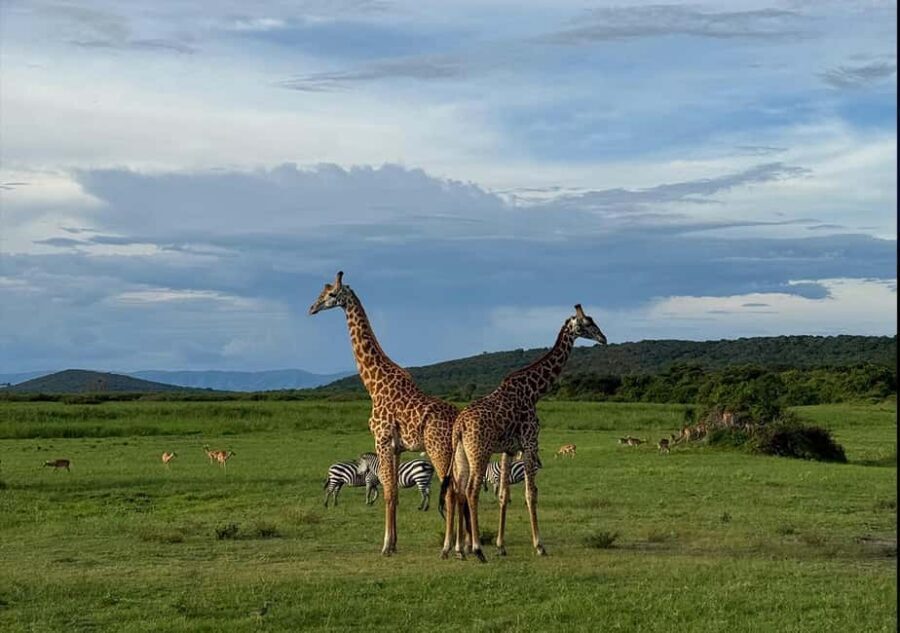
Your first game drive runs about 3 hours. This is when the day often turns from travel into wildlife time, because morning light can make animals easier to spot and easier to photograph.
Akagera’s “Big Five” promise here is practical: you’re specifically looking for lions and elephants, and you’re also in the territory where rhinos may be possible. In the overall wildlife mix, you can also expect giraffes and buffaloes, plus a whole list of other species that make the drive feel full even when the Big Five don’t all line up.
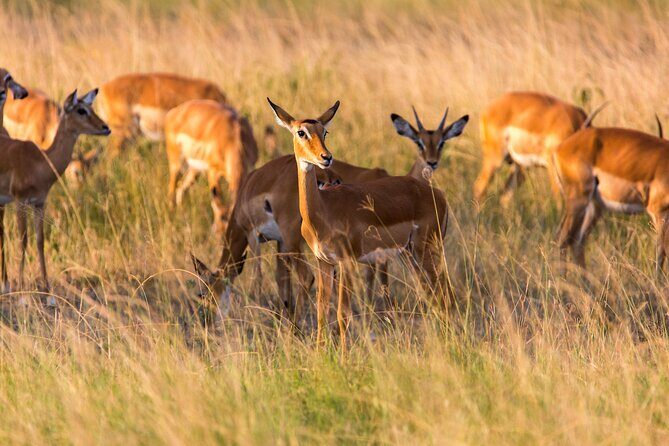
Based on what’s been reported on recent days, you might run into animals such as baboons, antelopes (including impala-type sightings), warthogs, zebras, and predators like leopards when conditions are right. The key is that the guide isn’t just driving; the guide is scanning, steering the jeep toward sightings, and helping you understand what you’re seeing.
Lunch inside Akagera: picnic break, not a stop-and-go detour
Lunch is included and happens inside the park for about 30 minutes. You’ll have a picnic lunch, which is a smart use of time because it keeps you close to the action rather than losing hours to restaurants outside the park.
This is also a good moment to reset your eyes and body. Safari viewing can get intense—heads up for animals, heads down for camera settings, then back up again—so a short break helps you stay alert for the second drive.
From past experiences, lunches can include choices like a cheeseburger with sides and iced tea, but the important part for you is that lunch is handled for the day. You just need to be ready to eat quickly, then get back out with energy.
Second game drive (3 hours): lakes, birds, and the wildlife you didn’t plan for
After lunch, you head back out for another 3-hour game drive. This second block is where many safaris start rewarding you for paying attention to the details—water, movement, calls, and the places animals use when they’re active.
Akagera is especially known for its water system, including more than 10 lakes, and that changes the whole feel of the afternoon. You’ll often get more bird sightings in and around the water, and you may notice animals that are smaller but more interesting to track.
Expect a broad cast: hippos, crocs in the water, fish eagles, guineafowl, and other birds that pop up when you slow your gaze and let the guide’s spotting lead you. Even when you’re hunting for the Big Five, this second drive is usually where the park shows its character.
Then, when the day wraps, you exit through the northern gate and start the drive back to Kigali. You should be looking at roughly 3 hours for the return, which brings the day to that total 8-hour experience window.

What Big Five in Akagera really means when you do one day
A one-day safari is a balancing act. You get two solid game drives, but you’re still asking wildlife to cooperate within a limited time window, and seasons can affect what’s visible and how animals move.
One important reality: not every Big Five animal is guaranteed on every day. For example, rhinos and leopards can be tougher at certain times of the year, especially when vegetation is thick and animals are more hidden. Dense greenery can make spotting harder even when the animals are present.
So I recommend you treat the Big Five as a serious target, not a checklist. If you go with that mindset, you’ll usually feel satisfied because Akagera delivers plenty of other wildlife value: elephants or lions in sight is already a huge win, and the mix of birds and lakes can turn the day into something beyond the Big Five headline.
Why the guides matter so much: Joseph, Marc, Paul, and Egide in practice
The biggest difference-maker on this trip is the guide’s ability to spot and explain. The guides who’ve been praised—Joseph, Marc, Paul, and Egide—show a pattern: they focus on getting you eyes on animals and giving useful context so the sightings mean something.
Here’s what that looks like for you on the ground:
You’re not only told what’s in front of you. You’re also given facts about behavior and where to look next, which helps you stay engaged through long stretches of scanning.
This is also why you should bring your camera seriously. When a guide puts you in the right position, you’ll get the kind of photo you can actually use—not just a blurry dot from the highway. Binoculars can also sharpen your viewing, especially for birds and animals farther from the jeep.
Price and value: is $390 fair for an all-inclusive Akagera day?
At $390 per person, you’re paying for a full day that includes the stuff that usually adds up: pickup and drop-off, 4×4 transport, a professional guide, park entry fees (listed as $100), lunch, bottled water, and taxes.
That price makes sense when you compare it to doing this independently. Without a guide, you’d still have to handle entry, transportation, and the time-cost of figuring out where to be when. With a guide, you get guidance plus a plan that follows the park’s rhythms—two game-drive blocks instead of one long, unfocused roam.
There’s one optional cost to flag: boat ride fees are not included if you choose to add a boat activity. If you’re the type who wants to stack experiences, ask ahead so you can budget cleanly and avoid last-minute surprises.
Practical packing list: passport, sun gear, and camera tricks that help
You’ll want to bring your passport. That’s the only hard requirement listed, but your comfort items will matter just as much for enjoying a day outdoors.
Wear comfortable clothes for a day outdoors and bring a camera. A hat and sunscreen are strongly advised because you’re spending hours under open sky and you’ll be sitting in sun while scanning for wildlife.
Binoculars can enhance viewing, especially for birds and animals farther away. And while it’s not required by the tour data, one practical tip from past participants: have some cash for souvenirs and tips.
Also, follow park rules: no smoking and no littering. It’s basic, but it keeps the park in good shape and helps the next day’s wildlife sightings.
Timing and logistics: how the 8-hour day is paced
The schedule is built around clear blocks: early pickup in Kigali, about 2.5 hours driving to the park, then 3 hours on the first game drive. Lunch takes about 30 minutes, followed by another 3 hours of game drive, then a roughly 3-hour return to Kigali.
This timing affects how you should plan your day. You’ll want a flexible schedule before and after, since you’re not just going to the park—you’re doing a round-trip wildlife day that consumes most of your daylight.
If you’re sensitive to long days, consider whether another day in Rwanda might fit you better. But if you’re short on time and want one high-value wildlife outing, this pacing is built for exactly that.
Who this safari suits best (and who should rethink it)
This is a great fit if you want a structured, one-day wildlife experience from Kigali. You’ll get the benefit of two guided game drives, included picnic lunch, and a plan built to cover a lot of the park in a short time.
It’s also a good match for bird lovers. Akagera’s more than 500 bird species mean the trip can feel rewarding even when the big animals are slower to appear.
On the other hand, it may not be the right choice if you have back problems, are pregnant, or use a wheelchair. The activity notes that these groups may find it challenging, which points to the reality of sitting in a vehicle on rougher tracks.
If you hate early mornings or you need long breaks, you might find the day intense. But if you like being out in nature and you’re comfortable with a long guided day, you’ll likely enjoy the flow.
Should you book this Kigali to Akagera day trip?
Book it if you want a high-value wildlife day without planning multiple logistics yourself. I like that this is an all-inclusive format with transport, guide, park entry, and lunch handled, and the two game drives give you a real chance to see more than one kind of action.
Consider skipping or switching to a different format if your body struggles with long sitting time, or if you need a very calm day with lots of downtime. Also, be realistic about Big Five odds in a one-day window, especially depending on season and vegetation.
If your goal is to see Akagera’s wildlife fast—lions, elephants, and a whole lot more—this one-day setup is an efficient, well-structured way to do it.
FAQ
Where does the safari pickup happen?
Pickup is included from your accommodation/stay in Kigali City.
How long is the full experience?
The safari is listed as 8 hours for a 1-day trip.
How much time do you spend on game drives inside Akagera?
You get 3 hours on a game drive in the morning and 3 hours on a second game drive later in the day.
Is lunch included?
Yes. Lunch is included as a picnic lunch inside the park.
Is a boat ride included?
A boat ride is not included. Boat ride fees apply if you choose to add it.
What language is the live guide?
The live tour guide is available in English, French, and Swahili.
Is this tour suitable for people with back problems?
It may not be suitable. People with back problems may find the activity challenging.
If you want, tell me your travel month and your top animals (for example, rhinos vs. birds), and I’ll help you set realistic expectations for a one-day Akagera run.