REVIEW · RUHENGERI
Half-Day Mukungwa River Canoe Trip from Musanze
Book on Viator →Operated by Kingfisher Journeys · Bookable on Viator
Canoeing the Mukungwa slows everything down. You get real rural Rwanda from the water, plus nonstop wildlife spotting with guides who know what to point out. I also like that the pace suits first-timers and families, with a safety-first briefing that keeps you confident. One thing to consider: the river can be muddy in places, and you’ll want bug spray and a waterproof plan for your stuff.
Here’s what makes this trip feel different from a standard tour: you’re not stuck looking at scenery from a viewpoint. You’re floating past working farms and village life, then pausing to listen and learn with your guide. It’s also a small-group experience (max 8), so you’re not just a number.
Timing works well if you’re balancing gorillas with lighter days. The full outing runs about 6 hours, with pickup and drop-off from Musanze included, and a professional guide on the water for the active part. Bring a raincoat if the weather turns, because getting wet is part of the deal.
In This Review
- Quick hits from the Mukungwa canoe
- Why the Mukungwa River paddle beats another day on the road
- Timing and how the day flows on the water
- Stop 1 at Kingfisher Journeys: farms, birds, and bridge-rapid excitement
- Stop 2 at Twin Lakes Recreational Island: calmer paddling at Lake Burera and Lake Ruhondo
- Guides you can actually follow: names, safety style, and real instruction
- What the river ride feels like: effort level and getting wet
- Dress and gear: what to pack so you stay comfortable
- Price and value: is $75 a fair deal for this half-day?
- Who should book this Mukungwa canoe trip
- Should you book this canoe trip?
- FAQ
- How long is the Mukungwa River canoe trip?
- Where do I meet for the tour in the Musanze area?
- Is food included?
- What ages are allowed?
- How many people are in a group?
- Can I cancel for free?
Quick hits from the Mukungwa canoe
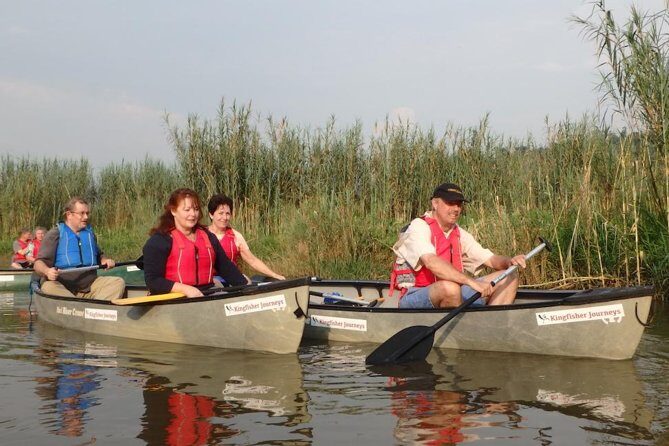
- Small-group feel (up to 8 people), so your guide can spend time with you instead of rushing the group
- Bird watching plus otter chances, with guides calling out what to look for
- Village-by-village views: farms, fishermen, washing, and everyday life along the river
- Gentle paddle with moments of excitement, including splashy sections around bridge rapids
- Photo-friendly guiding, so you can focus on the river while your guide handles shots
- Active but doable: no canoe experience required, just moderate fitness and a willingness to get a little wet
Why the Mukungwa River paddle beats another day on the road
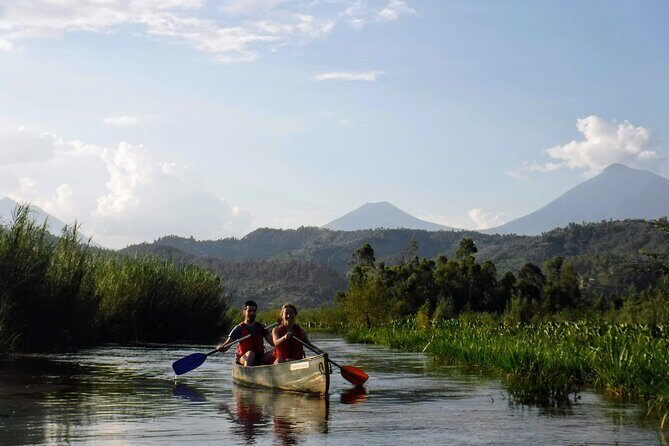
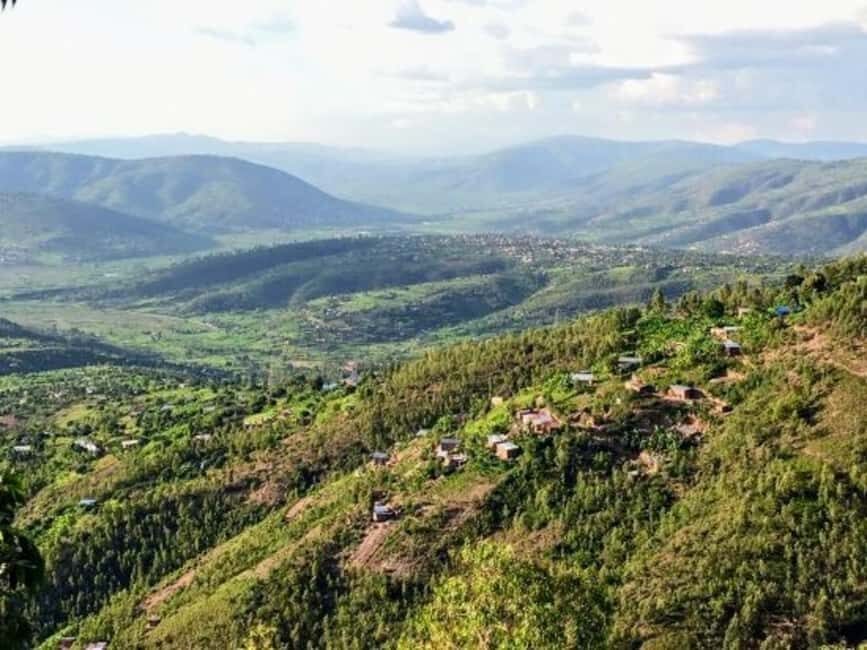
Northern Rwanda is famous for big wildlife moments, but the Mukungwa canoe trip scratches a different itch: the quiet, human scale of daily life. From the water, you glide through river turns where farms sit close to the banks and people keep working—collecting grass for animals, fishing, and going about their routines.
This is also one of those rare activities where wildlife spotting isn’t an afterthought. Expect frequent bird sightings, and the reviews specifically mention Kingfishers (including Pied), herons, and even otters when conditions line up.
That blend is the value. You’re paying for a guided half-day on moving water, yes—but you’re also buying time: time to watch, to ask questions, and to see northern Rwanda from eye level, not tour-bus height.
The only real drawback is practical: river conditions can be uneven. One trip description includes a muddy stretch with visible garbage, and you should go in prepared for that possibility by not assuming the river will look like a postcard.
You can also read our reviews of more tours and experiences in Ruhengeri.
Timing and how the day flows on the water
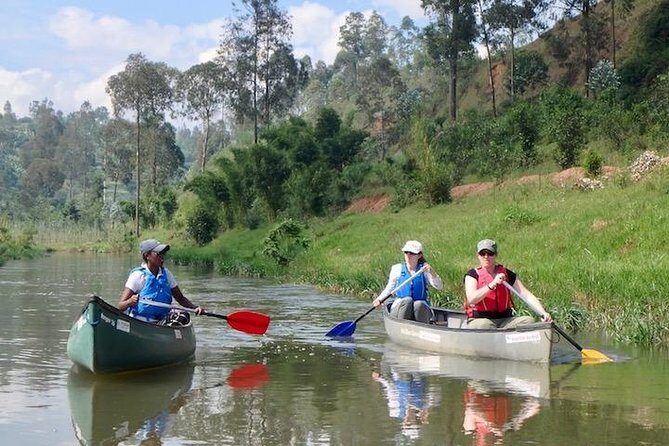
This is set up as two linked canoe sections, each around 3 hours, for a total of about 6 hours. The order matters less than the fact that the day changes mood: moving river first, then a calmer lake setting.
Because the total time is fixed, plan your day around it. If you’re doing gorillas or hiking the same week, this makes sense as a lighter-feeling activity—but you still need to be ready for wet gear, splashes, and a bit of paddling work.
Also note what’s included and what isn’t. Bottled water is included, and you’ll have a professional guide plus pickup and drop-off. Food and drinks are not included, so I’d treat this like a half-day outing that still needs a snack plan.
Stop 1 at Kingfisher Journeys: farms, birds, and bridge-rapid excitement
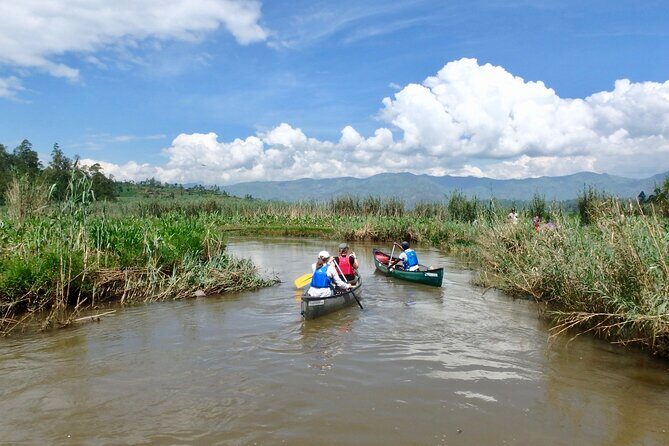
The first 3 hours are run at Kingfisher Journeys, and this is where the experience leans most into active river cruising. You’ll paddle through lush green surroundings with views that can open up toward forested areas and wildlife. A guide stays with you and shares what’s happening in the ecosystem—what birds you might be seeing and how the river environment supports them.
What I really like about this section is the rhythm it creates. Most of the time is calm enough to watch village life as you pass, but then you get small bursts of energy. Reviews mention faster flow sections and rapids under a road bridge that bring some splashes—enough to feel like adventure without turning the trip into a white-water stunt.
Wildlife highlights mentioned include:
- Kingfishers (including Pied)
- Herons
- Otter sightings (not guaranteed, but real enough that the guides look for them)
If you’re traveling with kids or you’re just returning from a hike, this river section is usually manageable. One review described the trip as not dangerous, with guides paying close attention to security—especially when children were involved.
Photo and attention mix: Guides also handle photographs for you, so you don’t have to juggle camera gear while you’re steering. That’s a small detail that matters once you’re in a moving canoe.
One thing to watch: because you’re on a working river, you might encounter debris. If you’re the type who gets upset about river litter, decide beforehand if you can keep your focus on the people and wildlife around it.
Stop 2 at Twin Lakes Recreational Island: calmer paddling at Lake Burera and Lake Ruhondo
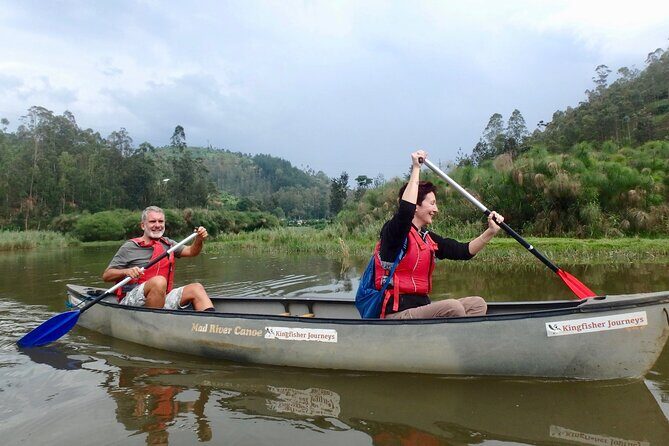
After the river portion, the trip shifts to the Twin Lakes region, where Lake Burera and Lake Ruhondo sit close enough to give you a quieter feel on the water. This section is described as serene, with crystal-clear waters and peaceful paddling between green hills.
In practical terms, this is the decompression part of the day. If the first half feels busy—watching birds, passing boats and farms, listening to your guide—the second half gives you room to settle in, glance around, and just enjoy the slow pace on calmer water.
A key cost note: admission for this part is described as not included. The trip price still covers your guide and the main experience, but plan for the possibility of an additional entry fee here. The exact amount isn’t stated in the info I was given, so I’d ask when you book so you don’t get surprised.
Guides you can actually follow: names, safety style, and real instruction
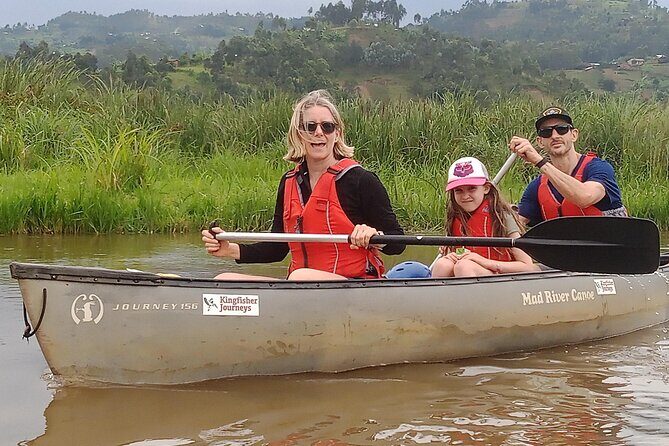
The guides are a big reason this canoe trip earns such high marks. Reviews mention multiple guides by name—Benjamin, Eve, Yves, Sharon, Eloi, and Willy—so the continuity seems to come from training and a consistent approach rather than a single standout person.
Here’s what shows up across guide reports:
- Clear briefings before you go out
- Attention to what everyone is doing in the canoe
- Safety-minded supervision without making the day feel stiff
Sharon is specifically mentioned as being trained in Australia, which can matter if you’re the kind of traveler who likes to understand the why behind safety rules and paddling instructions.
That said, there is one real caution raised: in at least one instance, children were seen following along near the water, and there were concerns about the boat spacing and how the situation was handled. A fun trip can still have awkward moments when people share the river. My advice is simple: stay close to your guide’s instructions, keep your attention on your canoe partners, and don’t assume the shoreline will always be quiet or controlled.
If you want the trip to feel safe and smooth, your best move is to treat the briefing like part of the adventure. The more seriously you take the first instructions, the more relaxed you’ll feel later.
What the river ride feels like: effort level and getting wet
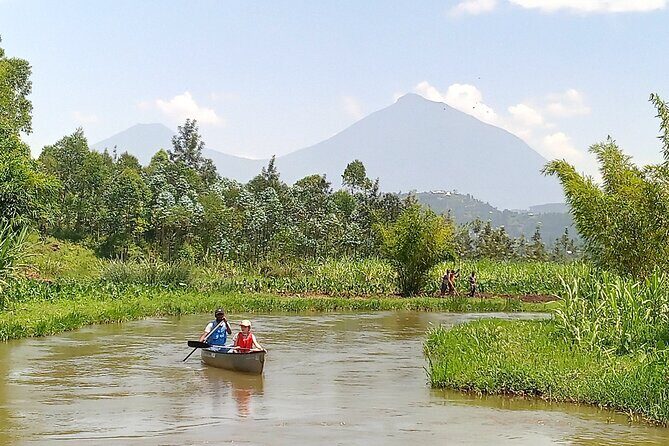
This isn’t a couch activity. Even with a guide steering and coaching, you should expect paddling effort. The experience is described as suitable for people with moderate physical fitness, and the trip is also marketed as doable for first-timers with no canoe experience necessary.
In real-world terms, you’re balancing three things:
- You need enough strength to paddle and stay stable.
- You need enough flexibility to handle getting splashed and possibly muddy.
- You need enough attention to listen and follow instructions.
One review also points out that you may need waterproof bags to protect belongings. That’s not optional advice if you want your phone and camera to survive.
Dress and gear: what to pack so you stay comfortable
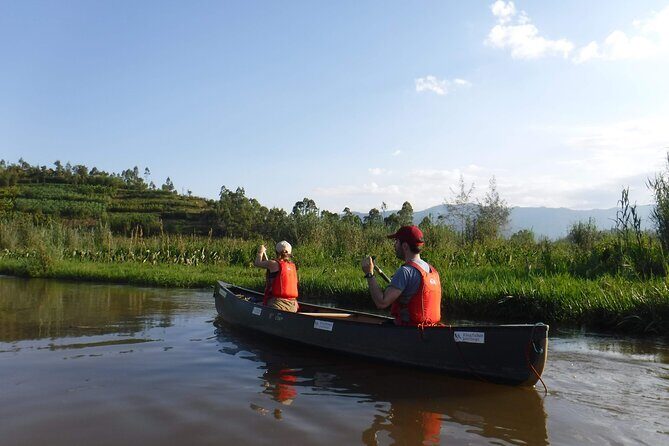
The dress code is straightforward: wear shorts and a T-shirt (or anything you don’t mind if it gets wet), plus sandals. In wet season, bring a raincoat.
I’d add a few practical items that match what people learned on the water:
- Strong insect repellent: one account mentions heavy bug spray needs
- A waterproof bag or dry pouch for your phone and wallet
- A small towel or quick-dry shirt for after
- Sunglasses with a strap if the sun hits and splashes happen
If you’re sensitive to mud on clothing, accept that you’ll see it. If you’ve ever worn sneakers in a river, you know how fast things can go from fine to annoying.
Also bring a mindset shift: on-water comfort here is less about staying dry and more about staying happy while you’re wet.
Price and value: is $75 a fair deal for this half-day?
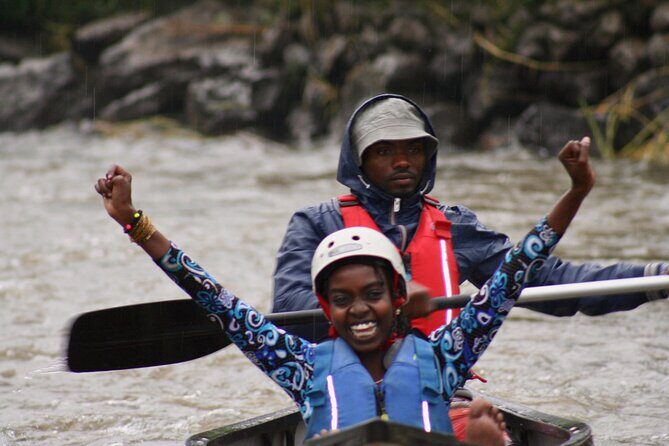
At $75 per person for about 6 hours, this canoe trip can be good value—mainly because so much is handled for you. You get bottled water, a professional guide, and pickup and drop-off from Musanze. The group size cap of 8 keeps the experience personal rather than assembly-line.
But value isn’t just the base price. Two cost considerations can affect what you pay at the end:
- Food and drinks are not included, so you’ll want snacks or a plan before and after.
- Admission for the Twin Lakes recreational island is described as not included.
If you’re comparing this to activities that require taxis, rental gear, and separate guides, the bundled guide + transport + guided paddle time is a strong package. If you’re already spending several days in northern Rwanda, this is also a smart way to break up heavier hikes with an active day that doesn’t demand technical skills.
Who should book this Mukungwa canoe trip
This works best for travelers who want to see Rwanda beyond the usual checklist. It’s a great choice if you want village life, bird watching, and a chance at wildlife like otters without committing to a full-day or multi-day logistics puzzle.
It also suits:
- Families with children age 7 and up (with safety emphasis from guides)
- Groups who want a shared activity that builds teamwork (one company-style trip description highlighted teamwork and resilience)
- Adults who want a relaxing paddle with occasional excitement, not a hardcore endurance day
One more honest fit check: if you hate the idea of bugs, you’ll want repellent and you’ll want to use it. If you’re very sensitive about river cleanliness, note that muddy water and debris can show up.
Should you book this canoe trip?
Book it if you want a guided, small-group way to see rural Rwanda from the water, with strong odds of bird sightings and a guide who actually explains what you’re looking at. The mix of calm paddling, village passing, and moments under-bridge rapids makes it feel like more than just sightseeing.
Skip it or plan carefully if you know you’ll be bothered by muddy stretches, river litter, or heavy insect conditions. Also, if you expect your day to include included meals, build in snacks because food isn’t included.
If you’re going to Musanze and weighing a lighter activity option, I’d treat this as a high-likelihood win: it fills time well, it’s active without being technical, and it gives you that rare viewpoint where you’re watching Rwanda happen right beside you.
FAQ
How long is the Mukungwa River canoe trip?
The trip runs for about 6 hours, with two sections of around 3 hours each.
Where do I meet for the tour in the Musanze area?
Hotel pickup and drop-off from Musanze is included. Unless otherwise agreed, the meeting place is La Silene, a coffee shop on the Kigali road, at the bottom of the hill just outside of Musazne.
Is food included?
No. Bottled water is included, but food and drinks are not included.
What ages are allowed?
The minimum age is 7. Travelers under 16 must be accompanied by a responsible adult.
How many people are in a group?
This tour has a maximum of 8 travelers per booking.
Can I cancel for free?
Yes. Free cancellation is allowed up to 24 hours in advance for a full refund.