REVIEW · RUHENGERI
Boat cruise in Twin lakes and Lake Kivu
Book on Viator →Operated by Beyond the Gorillas Experience · Bookable on Viator
Two lakes, one weird connection. That’s the magic of the Bulera–Ruhondo area, and a boat ride is the smartest way to see it. I love how the height difference turns the scenery into a real story you can follow on the water, and I also love the calm birdwatching setup around Rugezi Swamp.
You’ll get a gentle mix of nature and a quick slice of Rwanda’s energy history at the Ntaruka Electrical Station. The one drawback to plan for: this experience needs good weather, and the Ntaruka admission ticket is not included.
In This Review
- Key highlights you’ll feel right away
- Twin Lakes and the water-connection mystery
- What the 3 hours on the water really includes
- The day’s flow: boat sightseeing plus a smart energy stop
- Birdwatching at Rugezi Swamp (and why it’s worth the time)
- Lake scenery details that make photos actually work
- Guides and the small-group pace (Vincent and John)
- Price and value: is $90 worth it?
- Who should book this cruise (and who might skip it)
- Practical tips so your day goes smoothly
- Should you book the Twin Lakes and Lake Kivu boat cruise?
- FAQ
- How long is the Twin Lakes and Lake Kivu boat cruise experience?
- How much does the tour cost?
- What’s included in the price?
- Is pickup offered?
- What is the meeting point for the tour?
- Is a mobile ticket provided?
- What is included at Ntaruka Electrical Station?
- Is the Ntaruka Electrical Station admission ticket included?
- What is the maximum group size?
- What happens if the weather is poor or I cancel?
Key highlights you’ll feel right away
- Lake Burera is about 150 meters higher than Lake Ruhondo, which helps explain how water moves between them.
- Boat time is built for views of the lake connection that you just can’t get from the road.
- Rugezi Swamp is an Important Bird Area, so birdwatching is more than a casual side quest.
- Steep hills, waterfall outlines, and nearby Virunga volcano silhouettes make for strong photo angles.
- Small group size (max 15) keeps the pace relaxed and questions answerable.
- You may spot island-life moments that go beyond a straight sightseeing loop, including hands-on activities in some outings.
Twin Lakes and the water-connection mystery
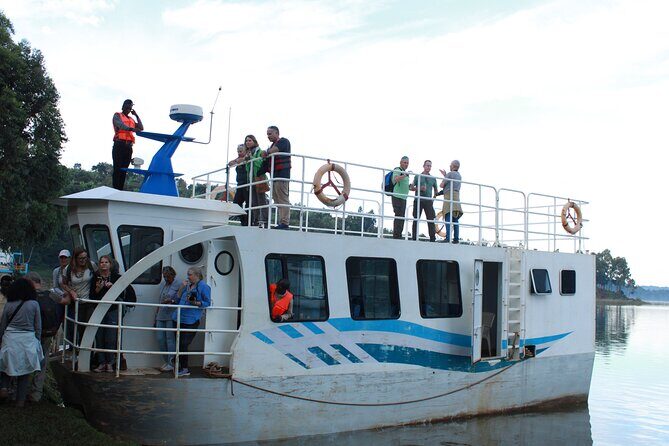
If you want scenery with a plot, these are your lakes. Lake Burera and Lake Ruhondo sit close together, yet Lake Burera is nearly 150 meters higher. That elevation gap is the big reason the area feels mysterious—and when you see it from the water, the “how does one lake become the other?” idea clicks fast.
This cruise setup matters because the road route around Twin Lakes can feel long. By staying on the water, you get a cleaner perspective on where the lakes meet and how the shoreline changes. It also helps with photography: you’re not only hunting for pretty water; you’re trying to capture the geometry of the place. The hills drop down toward deep water, and the nearby Virunga volcano outlines can frame the scene when visibility is good.
Then there’s Rugezi Swamp, which you’ll hear about for a reason. It’s one of the key birding areas in Rwanda, so your day is not only about views. It’s about slowing down enough to notice birds, movement, and the quiet rhythm of wetland edges.
You can also read our reviews of more tours and experiences in Ruhengeri.

What the 3 hours on the water really includes
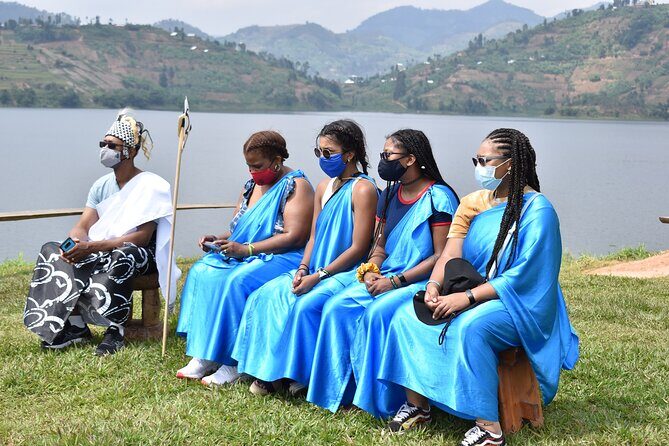
This experience is about three hours total for the cruise and related stops. That timing is practical. It’s long enough to feel like you stepped into a different pace than city life, but short enough that you’re not stuck for the whole day when you’ve got gorilla trekking or other plans.
You’ll also have a basic comfort cushion: bottled water is included, and lunch comes with the day. That helps if you’re using this as a break between heavier activities. The tour also uses a mobile ticket, which is handy if you’re trying to keep your day organized without digging for paper.
One small planning note: the tour includes pickup, but private transportation is not included. In practice, that usually means you should plan for the tour team’s pickup service, while knowing you may need your own ride if you’re not in the pickup zone.
The day’s flow: boat sightseeing plus a smart energy stop
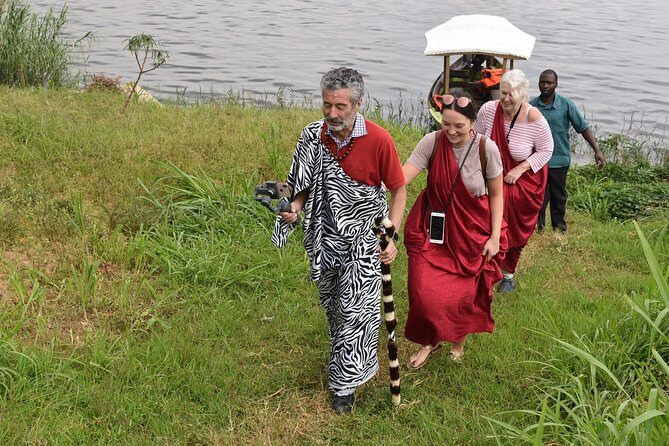
Your first major landmark stop is Ntaruka Electrical Station. This is known for being Rwanda’s first hydro power plant, built in 1957. Even if you’re not a power-plant nerd, it’s a useful counterpoint to all that lake calm. You’re seeing how people harness the same kind of water-and-height logic that makes Twin Lakes feel so unusual.
The station visit is short—about 10 minutes—but it’s well chosen. It gives context for why water matters here, not just as scenery. You’ll want to note one drawback: admission is not included. So, budget a little extra for that entrance fee, or at least have some cash ready just in case.
After that, you’ll shift into the main event: your boat time on the waters of the Twin Lakes area. The goal is sightseeing, not speed. You’re there for the serenity, the birdwatching potential, and the chance to see the lakes together in a way that feels almost unfair to miss.
Birdwatching at Rugezi Swamp (and why it’s worth the time)
Rugezi Swamp is one of the most important birding areas in Rwanda, listed as an Important Bird Area. That’s the kind of detail that matters, because it means your birding time isn’t random. It’s placed where birds have reasons to show up.
What I like about this kind of birding is that you don’t need to be an expert. You just need patience and a willingness to look where water meets vegetation. Swamp edges can be surprisingly active, even when the wider scene looks quiet. And on a lakeside boat, your viewing angle changes constantly—so your attention has to stay alert, not scattered.
If you care about photography or simply getting good sightings, consider bringing:
- binoculars if you own them
- a light layer for wind off open water
- a hat and sunscreen (water days can still burn fast)
Even if birds aren’t your main priority, Rugezi Swamp adds texture. It’s the “in-between” zone that makes the Twin Lakes feel like an ecosystem, not just a scenic card.
Lake scenery details that make photos actually work
Twin Lakes has the kind of scenery that looks great, but can be hard to frame if you’re rushing. On the boat, the angles come to you. You’re moving, but slowly, which gives you time to line up shots of the steep hills and the shoreline outlines.
From this area, you may also catch a waterfall backdrop effect, along with the Virunga volcano silhouettes in the distance. Those elements combine in a way that feels both dramatic and calm: deep blue water, steep terrain, and volcanic shapes at the edges of the view.
One practical tip: shoot both “wide scene” and “tight details.” Wide shots show the full twin-lake idea. Tight shots catch birds, texture in the swamp edge, and the way the shoreline curves. If you only shoot wide, the day can feel flat in your photos later. If you only shoot tight, you’ll miss the bigger story.
Guides and the small-group pace (Vincent and John)
A big part of why this experience earns strong feedback is guidance. Names matter because they signal accountability and consistency. In real outings, guides included Vincent, and there was also an instance where John took over after a schedule slip when the first guide was running late.
That “switch and keep going” detail matters for you because it protects the experience. You’re not stuck waiting in uncertainty; the day still moves. You also feel the difference between a tour that’s run by a checklist versus one run by people who can adjust in the field.
With a maximum of 15 travelers, you’re not packed into a loud group that makes questions impossible. That size also helps with comfort on boat sightseeing—everyone can actually see, and the captain or guide can manage viewing and timing without chaos.
Price and value: is $90 worth it?
At $90 per person for about three hours, the price makes sense if you care about the “why” behind the day, not just the “what.” Here’s what you’re getting for that money:
- a boat sightseeing experience in the Twin Lakes area
- lunch and bottled water included
- pickup offered
- a mobile ticket
Now compare that to what isn’t included: private transportation and Ntaruka admission. Those are the two items most likely to surprise you, depending on where you’re staying and whether you’re already in the pickup zone.
So is it good value? For most people who want the Twin Lakes highlights without spending a full day logistics-stressing, yes. The lunch and water alone reduce the day’s extra spending. And the boat viewpoint is the core reason this experience works. If you tried to do Twin Lakes by yourself with only road stops, you’d likely lose the connection-moment that comes from being on the water.
Who should book this cruise (and who might skip it)
This trip is a great fit if you:
- want scenic Rwanda beyond Kigali
- like birdwatching as a real activity, not just a photo stop
- prefer tours that don’t eat your whole day
- care about authentic day-to-day landscapes—water, wetlands, and local routines
It’s also a solid choice for couples and small groups. The small group size keeps it personal. The pace stays light enough for people who still want to enjoy Rwanda without feeling like they did a full hike.
You might consider skipping this cruise if:
- you’re only interested in fast, high-adrenaline activities
- you hate waiting for weather-dependent conditions
- you’re hoping for a long museum-style explanation at Ntaruka (this stop is brief)
Practical tips so your day goes smoothly
The best advice here is simple: plan like it’s a water day. That means wind, sun, and changing light can affect comfort and photos.
A few things that will help:
- Wear comfortable shoes with decent grip, especially if you’ll be walking near shore areas.
- Bring sun protection. Even on cooler mornings, Rwanda sun can be intense.
- Bring a small dry bag or phone protection if you’re serious about pictures.
- If you’re birding, move quietly and give yourself time to scan.
Also, set expectations about timing. Around lakes, the day can feel calm and unhurried, but it’s still a coordinated outing. If you want the best photos, don’t rely only on the first 10 minutes. Some of the best light and viewing happens after everyone settles in.
Should you book the Twin Lakes and Lake Kivu boat cruise?
I’d book it if your goal is to see Rwanda’s Twin Lakes connection in a way that feels calm, scenic, and thoughtfully planned. The combination of boat sightseeing, meaningful context at Ntaruka, and bird-focused Rugezi Swamp makes this more than a quick photo drive.
Go for it especially if you’ll value a small-group day with lunch included and a real chance to slow down. The price is reasonable for what’s covered, and the pickup helps you avoid extra hassle.
Just be honest with yourself about the one major planning factor: good weather. If conditions are poor, you’ll want the operator to reschedule or refund, since lake days depend on the view and the safety of being out on the water. If you can be flexible, this is the kind of outing that turns into a standout memory for the quiet reasons.
FAQ
How long is the Twin Lakes and Lake Kivu boat cruise experience?
The experience lasts about 3 hours.
How much does the tour cost?
It costs $90.00 per person.
What’s included in the price?
Bottled water and lunch are included.
Is pickup offered?
Yes, pickup is offered.
What is the meeting point for the tour?
The tour starts at La Locandamn, 205 n14 14, Ruhengeri, Rwanda, and ends back at the meeting point.
Is a mobile ticket provided?
Yes, you’ll receive a mobile ticket.
What is included at Ntaruka Electrical Station?
The stop includes a visit of about 10 minutes, and it’s known as Rwanda’s first hydro power plant built in 1957.
Is the Ntaruka Electrical Station admission ticket included?
No, the admission ticket is not included.
What is the maximum group size?
The experience has a maximum of 15 travelers.
What happens if the weather is poor or I cancel?
The experience requires good weather. If it’s canceled due to poor weather, you’ll be offered a different date or a full refund. You can cancel up to 24 hours in advance for a full refund.