REVIEW · KIGALI
Kigali: Choose Your Traditional Craft Experiences
Book on Viator →Operated by NuttinTODO · Bookable on Viator
Kigali lets you make art fast. In this two-hour session, you choose between basket weaving and pottery, plus beaded jewelry or canvas painting, all led by local artisans in an art-focused setting.
I like the way it’s hands-on and practical, so you’re doing the work, not just watching. I also like the added artisan conversations, which connect the craft to real life in Rwanda.
One thing to plan: private transportation isn’t included, so you’ll need to handle getting to Golden Coffee Roastery (and back).
In This Review
- Key highlights to know before you go
- Kigali traditional crafts: four ways to get your hands busy
- Where it happens: meeting at Golden Coffee Roastery
- Basket weaving mastery: learning the rhythm of the craft
- Pottery paradise: shaping clay into something you control
- Beaded elegance: color, pattern, and Rwandan-inspired design
- Canvas and culture: turning impressions into paint
- The artisan conversations: why the talk matters as much as the making
- What “choose your experience” really means in practice
- Price and value: what $30 buys you in Kigali
- Group size and the feel of the class
- Practical tips so you enjoy it more
- Who this suits best (and who should reconsider)
- Should you book Kigali Choose Your Traditional Craft Experiences?
- FAQ
- How long is the Kigali craft experience?
- What is the price per person?
- What craft options are available?
- What’s included in the price?
- Where do I meet for the activity?
- Is private transportation included?
- Do I get a mobile ticket?
- What is the cancellation policy?
Key highlights to know before you go
- Choose your craft: basket weaving, pottery, beaded jewelry, or canvas painting, depending on what you feel like making.
- Hands-on instruction: guided by skilled local artisans, not a lecture-only style class.
- Culture talk is part of the program: you’ll get context through lively discussion.
- Small enough for attention: capped at 50 travelers.
- A simple, centralized meeting point: Golden Coffee Roastery, making it easier to find.
- Water is included: bottled water comes with the experience.
Kigali traditional crafts: four ways to get your hands busy
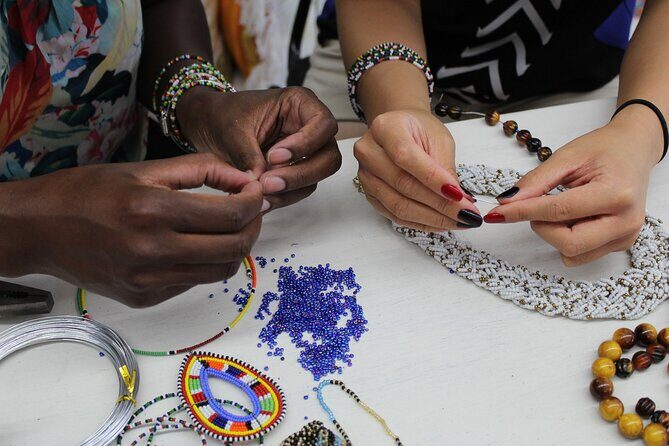
If you’re short on time in Kigali but still want something more meaningful than a quick photo stop, this craft experience is built for you. You spend about two hours working on a chosen traditional craft, guided by artisans who explain the process as you go. It’s a great way to slow down without losing the rest of your day.
What makes it feel special is that the class isn’t just about the final product. You’re learning technique—how artisans think while they work—then hearing stories and meanings tied to Rwandan craftsmanship. That blend of making + talking is the “why” behind the activity, not just the “what.”
You can think of it as a choose-your-own workshop. Pick the craft that matches your mood, and let the day teach you the rest.
You can also read our reviews of more tours and experiences in Kigali.



Where it happens: meeting at Golden Coffee Roastery
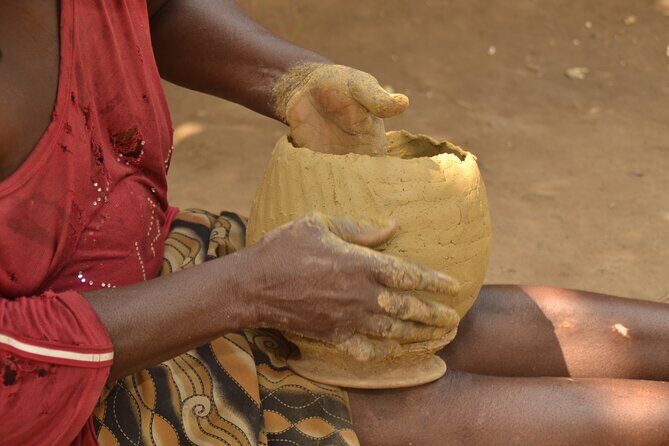
You’ll start and end back at the same place: Golden Coffee Roastery, plot 34 KG 9 Ave, Kigali, Rwanda. Since it’s a single location, you don’t have to worry about bouncing around town for different stops.
The roastery is also a useful reference point for getting there. It’s listed as near public transportation, which matters in Kigali because it’s often easier to rely on local transport options than to assume a private car will be available. Still, because private transport isn’t included, you’ll want to plan your route ahead of time—especially if you’re pairing this with other activities later.
Also: since the experience is capped at 50 people, it usually stays orderly. That helps if you’re doing a hands-on craft and want your turn without a long bottleneck.
Basket weaving mastery: learning the rhythm of the craft
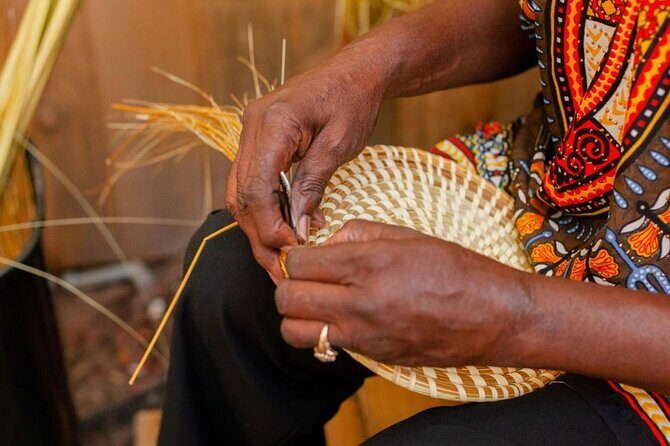
If you choose basket weaving, expect a session centered on technique and repetition. Basket weaving is one of those crafts where small choices matter—how you start, how you tension the material, and how you keep the pattern consistent. The payoff is that you start feeling the rhythm quickly, even as you’re still learning.
You’ll likely get guidance on how artisans handle the materials and keep their work even. The best part of a weaving workshop is that you’re not guessing in the dark; you’re building with feedback. It’s also a craft that suits different comfort levels because you can focus on one step at a time.
The main consideration is patience. Weaving can feel slow at first, especially if you’re used to “instant results” like painting a wall or taking a selfie. If you’re the type who gets frustrated easily when something is technical, remind yourself you’re learning a process, not racing a deadline.
Pottery paradise: shaping clay into something you control
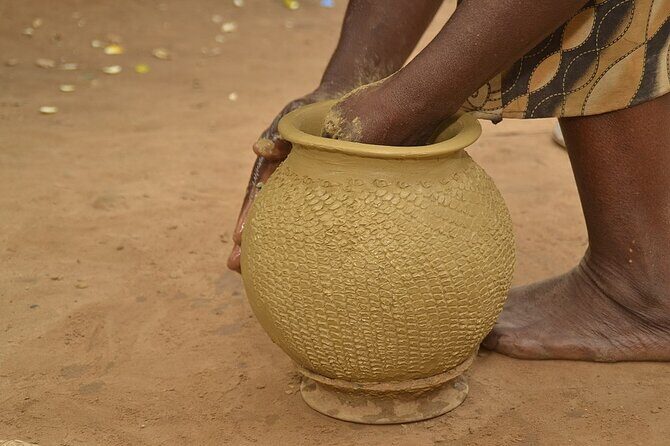
If you choose pottery, you’ll be learning through touch. Pottery is less about repeating an exact pattern and more about understanding form—how to shape, adjust, and refine. It’s a hands-on option that usually feels satisfying because clay responds right away.
In a guided pottery session, the instructor’s job is to translate craft knowledge into actions you can copy. That matters for beginners. With the right coaching, pottery stops being mysterious and becomes something you can steer. The class format is built for that kind of learning: you work during the session, and you get direction while you go.
The possible drawback? Clay work can be a little messy by nature. You’ll want to wear something you don’t mind getting dust or small splashes on—because pottery isn’t a dry, clean activity.
Beaded elegance: color, pattern, and Rwandan-inspired design
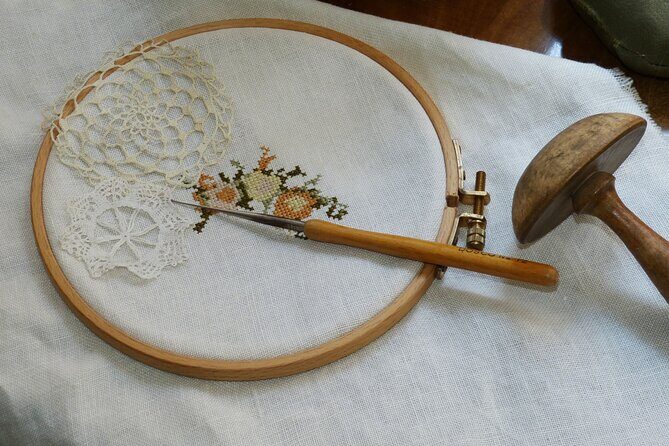
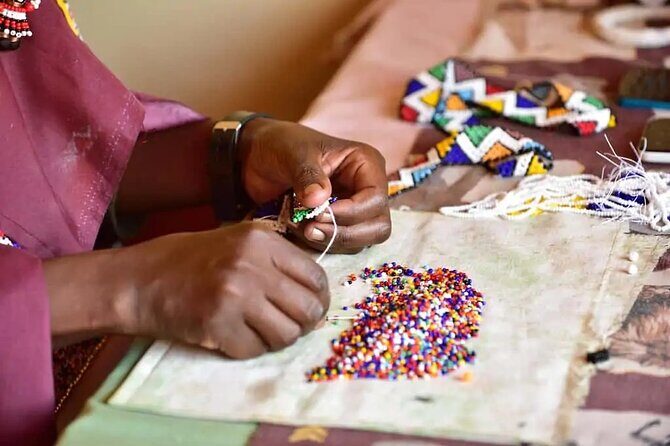
If jewelry is your style, beaded elegance is a strong pick. Beading is detailed work, and the fun is in the pattern decisions—color choices, arrangement, and design inspiration. This option is described as drawing from Rwandan culture and craftsmanship, so it’s not just making something pretty. You’re learning how cultural design shows up in everyday creative expression.
A good beading class doesn’t rush you. The value here is that you’ll be guided through technique while keeping enough freedom for your own choices. That’s the sweet spot: structure from the artisan, personality from you.
If you have short patience for fine-detail tasks, beading might feel slower than you expect. But if you like careful work—watching, counting, placing—it can be relaxing in a way you don’t get from bus tours.



Canvas and culture: turning impressions into paint
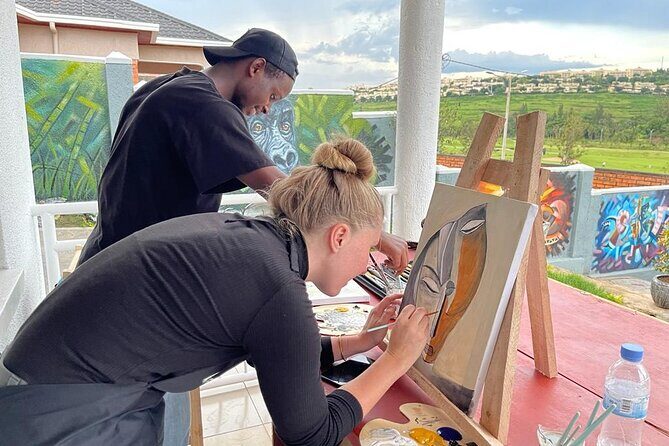
For people who want to express ideas quickly, canvas and culture is the best match. This option focuses on painting your impressions, guided by local artists who share the secrets of their craft. That’s important: painting is often misunderstood as talent-only, but instruction changes everything.
In this format, you’re not just asked to recreate a scene. You’re guided on how to see and translate what you notice into brushwork. And because it ties to culture, it’s not only about technique—it’s about meaning.
A possible consideration: if you’re expecting a polished “masterpiece” experience in two hours, you may feel disappointed. The real win is learning how artists guide perception and how they approach the painting process. Go in thinking craft practice, not art competition.
The artisan conversations: why the talk matters as much as the making
One of the most praised elements of this experience is the way artisans engage with you beyond tools and steps. The instruction is friendly and informative, and the setting feels welcoming. That’s not just nice energy—it helps you understand what you’re doing and why it matters.
This part of the experience is described as a lively discussion with local artisans. You’re learning how the designs and techniques fit into Rwanda’s cultural tapestry, and you get a clearer sense of how your participation supports the community.
For you, that changes the value. A craft class can become an isolated activity—show up, make something, leave. Here, the conversation makes it feel connected. You’re not just consuming culture. You’re participating in it.
What “choose your experience” really means in practice
Because the workshop offers multiple craft options, it’s built for personal fit. You’ll want to pick based on three things: your patience level, your desired type of creativity, and how you like to learn.
- If you enjoy technique and method: basket weaving or beading.
- If you like hands-on shaping: pottery.
- If you want faster visual expression: canvas painting.
If you’re not sure, go with the craft that sounds least intimidating. The guidance from artisans is a major part of the experience, and picking something you’re curious about helps you relax faster.
Also, keep an eye on the vibe of the setting. Since it’s at an art place near a major meeting point, the group usually stays focused on the activity. With a maximum of 50 travelers, you shouldn’t feel swallowed by a crowd.
Price and value: what $30 buys you in Kigali
At $30 per person for about two hours, you’re paying for more than entry access. You’re paying for guided hands-on instruction by local artisans, plus the cultural discussion that gives context to the craft. Bottled water is included, so you’re not paying extra for basic needs during the session.
The value is strongest if you like activities with skill-building. If you want to come away with a real understanding of how a craft works—how people actually make things—this price is reasonable for the time commitment and the personalized guidance.
The best comparison isn’t to a museum ticket. It’s to other hands-on workshops in cities where craft instruction can cost significantly more. Here, the session is short enough to fit into a busy itinerary, but structured enough to feel like actual learning, not a quick demo.
Group size and the feel of the class
This activity is limited to a maximum of 50 travelers, which helps keep it manageable. It also means you’re likely to get some attention from the artisan team rather than being lost in a sea of people.
The program length—about two hours—also shapes the experience. You’ll have time to get started, receive guidance, and work through enough steps to feel progress. That’s the sweet spot for craft travel: long enough to learn, short enough to stay energetic.
Practical tips so you enjoy it more
Here’s how I’d prep so the session goes smoothly:
- Plan your route to Golden Coffee Roastery. Since private transportation isn’t included, you’ll want a clear plan for getting there.
- Wear clothes that can handle craft mess, especially if you pick pottery.
- Bring a curious mindset. The culture talk is part of the value, and asking simple questions often leads to better answers.
- Don’t overthink materials. The experience is designed for participants who can join in without needing specialized gear.
If you’re combining this with other Kigali plans, treat it like a focused stop. Two hours can disappear fast once you’re working with your hands.
Who this suits best (and who should reconsider)
This is a good match if you want a real cultural activity that fits into a short schedule. It’s especially good for:
- First-time visitors who want to do something practical without committing to a full-day workshop
- People who enjoy learning from local artisans directly
- Anyone who likes making things—whether it’s weaving, clay work, jewelry design, or painting
It may not be ideal if you want a slow, unstructured art retreat. This is guided, time-bound, and focused on technique and cultural context. Also, if getting to the meeting point is a hassle for you and you rely on private transport, you’ll want to plan that piece before you book.
Should you book Kigali Choose Your Traditional Craft Experiences?
I’d book this if you want hands-on learning with Rwandan artisans, in a short window. The best reasons are practical: it’s guided, it’s hands-on, it includes cultural conversation, and it’s priced so you can fit it without budgeting your whole trip around it.
Choose the craft that feels easiest for your personality. If you’re detail-focused, go for beading or weaving. If you want expressive making, pottery or canvas is your friend. And because it ends back at the meeting point, it’s simple to plug into the rest of your Kigali plans.
If you can get there without stress, this workshop is an excellent way to spend two hours learning a skill and hearing what craft means in Kigali.
FAQ
How long is the Kigali craft experience?
It runs for about 2 hours (approx.).
What is the price per person?
The price is $30.00 per person.
What craft options are available?
You can choose among basket weaving, pottery, beaded jewelry, or canvas and culture (painting).
What’s included in the price?
The experience includes bottled water.
Where do I meet for the activity?
The meeting point is Golden Coffee Roastery, plot 34 KG 9 Ave, Kigali, Rwanda.
Is private transportation included?
No. Private transportation is not included.
Do I get a mobile ticket?
Yes. The experience uses a mobile ticket.
What is the cancellation policy?
You can cancel for a full refund if you cancel at least 24 hours before the start time. Within 24 hours, the amount paid is not refunded.