REVIEW · KIGALI
1 Day Akagera Game Drive Safari
Book on Viator →Operated by Judith Safaris · Bookable on Viator
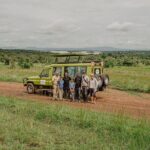
A dawn safari beats waiting for results. This one-day Akagera drive from Kigali is made for quick wildlife hits, with woodlands, swamps, and savannah all in the same day, so your route keeps changing as the park does. Akagera National Park sits along Rwanda’s border with Tanzania, and that mix of habitats is exactly why it works so well for a time-pressed safari.
I especially like the wildlife variety, from big mammals such as giraffes and elephants to bird sightings like the rare shoebill stork.
I also love that lunch at the game lodge is included, which turns your mid-day break into something real instead of another rushed stop. One caution before you book: park entry ticket wording can be inconsistent, so confirm what’s covered in your booking details to avoid surprises at the gate.
In This Review
- Key highlights worth your attention
- Why Akagera works for a one-day Rwanda safari
- The 5:30 am departure: how the day really plays out
- Akagera National Park: woodlands, swamps, savannah, and Lake Ihema
- What you’re looking for in the main habitats
- The southern push: Lake Ihema for hippos and crocodiles
- Animals aren’t the only win: birds make the day richer
- The game lodge lunch: where your day pauses (and resets)
- Private tour time with guides like Didi or Iddy
- Price and value: is $930 per person worth it
- Who this safari fits best
- Should you book Akagera for one day?
- FAQ
- What time does the Akagera safari start?
- How long is the safari?
- Is pickup available from Kigali?
- What’s included in the tour besides the game drive?
- Is this a private tour?
- What wildlife can I expect to see?
- What is the cancellation policy and what happens if the weather is bad?
Key highlights worth your attention
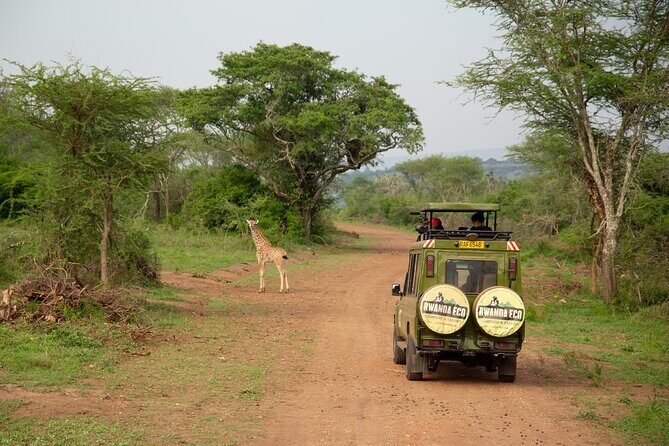
- Private group experience: your own group only, so the day feels more tailored than a big shared bus.
- Early start from Kigali: a 5:30 am launch to maximize your daylight in the park.
- Habitat variety inside Akagera: woodlands, swamps, low mountains, and savannah all show up in one route.
- Lake Ihema action: in the south of the park, this area is known for hippos and crocodiles.
- Birdwatching payoff: Akagera is a serious bird area, including the rare shoebill stork.
- Included game lodge lunch: a proper sit-down meal so you don’t lose the best hours to hunger.
Why Akagera works for a one-day Rwanda safari
If you want Rwanda wildlife without signing up for multiple days, Akagera is one of the smartest choices. The park covers a mix of environments—woodland, swamp, low mountains, and open savannah—which means you’re not stuck in one “kind” of scenery all day. That variety matters, because animals tend to show up where the habitat fits what they need.
I also like the fact that Akagera isn’t only about the usual icons. Yes, you can hope for elephants, zebras, giraffes, buffalo, and lions. But you can also get serious bird time, including the rare shoebill stork, plus the south-area focus around Lake Ihema.
A few more Kigali tours and experiences worth a look
The 5:30 am departure: how the day really plays out
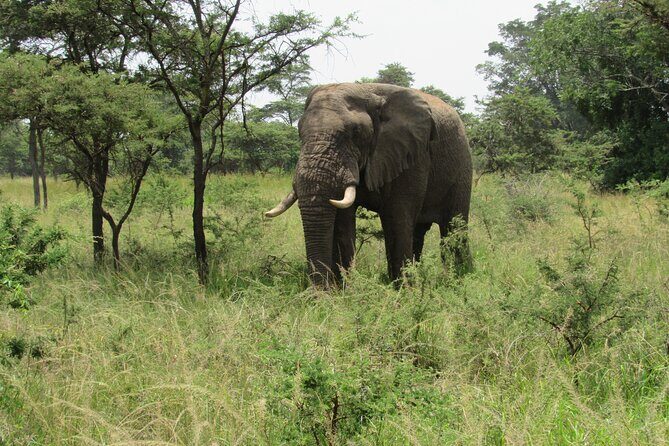
The day runs long, about 8 hours total, and it begins early, around 5:30 am. That start time sounds brutal until you realize what it buys you: more daylight for game viewing and fewer late-day “nothing’s moving” stretches.
This is a private tour with pickup offered in/around Kigali, so you’re not wrestling with a complicated meeting point. The goal is simple—leave Kigali, drive to Akagera, and spend the bulk of your time inside the park with a guide who can work the route based on what the day is giving you.
You’ll also want to plan for a full morning and midday of time in the vehicle. The payoff is that Akagera’s terrain and wildlife shift as you move, so the experience doesn’t feel like one long wait for a single moment.
Akagera National Park: woodlands, swamps, savannah, and Lake Ihema
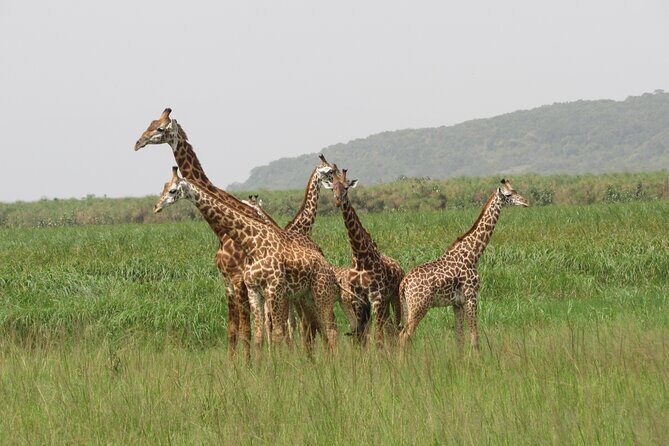
Akagera National Park sits in eastern Rwanda, running along the border with Tanzania. That location helps explain the park’s mix of ecosystems: woodland patches, swamp areas, low mountains, and open grassland-like savannah. It’s a big reason the park feels “alive” even between sightings.
What you’re looking for in the main habitats
In the woodlands and savannah, you can reasonably expect classic sightings such as zebras and giraffes, plus the chance of elephants depending on where animals are moving that day. Lions and buffalo are part of the park’s reputation too—though like any safari, the exact encounters depend on the moment-to-moment conditions.
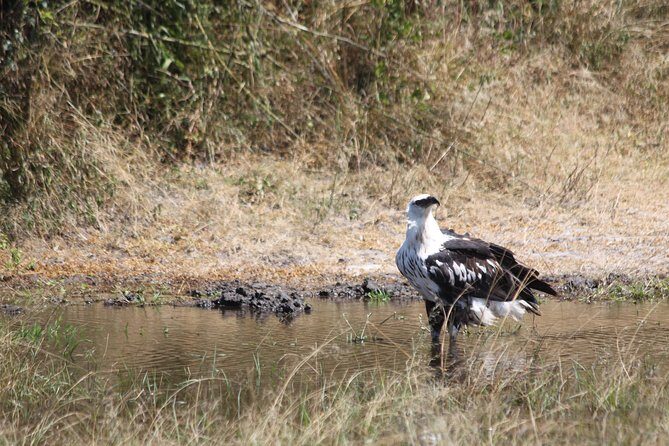
In swampy areas, animals may be slower to appear but more likely to be “in the right place” for feeding and resting. If you’re the type who likes a safari that includes birdlife as a core goal (not an optional bonus), Akagera delivers. The park is home to hundreds of bird species, and the rare shoebill stork is specifically highlighted as a draw.
The southern push: Lake Ihema for hippos and crocodiles
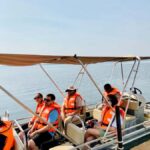
One of the most exciting parts of Akagera is the southern area around Lake Ihema. This is where the park’s “water creatures” reputation comes in strong—hippos and crocodiles are associated with this part of the reserve. If you’re imagining a safari with dramatic, close-up energy near water, this is the section to be excited about.
Tip for your expectations: hippos and crocs can be calm and watchful rather than showy, especially depending on temperature and water conditions. Your best strategy is to stay patient, keep your eyes moving, and trust your guide to point things out as they appear.
A few more Kigali tours and experiences worth a look
Animals aren’t the only win: birds make the day richer
I love when a wildlife day includes a built-in reason to slow down. Akagera’s bird reputation does that. When you stop focusing only on the largest animals, you start noticing how much action happens in smaller spaces—swaps of movement in reeds, quick hops across branches, calls you can’t quite identify but can appreciate on the spot.
If you’re a bird-leaning traveler, this is a rare one-day safari where birds aren’t an afterthought.
The game lodge lunch: where your day pauses (and resets)
Lunch is included at the game lodge, which is a big deal on a long safari day. You’re not grabbing a snack and rushing back into the vehicle; you get a real break in the middle, which helps you enjoy the afternoon search for wildlife instead of counting minutes.
One detail that stands out from on-the-ground feedback is that meals can be genuinely enjoyable—avocado was specifically mentioned as a nice touch. That kind of small win matters more than people think. When you’re up early and scanning for hours, a good lunch makes the rest of the day feel smoother.
Practical mindset: use lunch time to hydrate and refuel, and then get ready for the afternoon stretch. Wildlife can show up late in the day too, so you don’t want to spend your best hours thinking about how hungry you are.
Private tour time with guides like Didi or Iddy
Private doesn’t just mean fewer people. It means your guide can react to what you actually care about, and you’re not trapped behind a one-size schedule.
In feedback tied to this kind of trip, guides such as Didi and drivers named Iddy were called out for being prompt and for sharing useful context about Rwanda’s parks and wildlife. That matters because it changes what you notice. Instead of just seeing an animal, you start understanding why it’s there—what it’s likely doing, how its habitat connects to the terrain around you, and which areas in Akagera tend to produce certain sightings.
You should expect a serious focus on your group’s comfort and pacing. A safari morning is long enough that small things—where you stop for viewing, how your guide reads the day—make a real difference.
Price and value: is $930 per person worth it
At $930 per person, this is not a budget safari. So you should judge value by what’s included and what kind of day you’re buying.
What you’re paying for:
- A full-day drive with time inside Akagera National Park
- Pickup offered from Kigali
- A private format so it’s only your group
- An included lunch at the game lodge
What to double-check:
- Park entry coverage. The experience notes admission ticket free, but there has been confusion around whether entry is truly included in every situation. Before you go, confirm in your booking details what you’ll be responsible for at the gate.
When it feels worth it: if you value comfort, want a private rhythm, and you’d rather pay to avoid the hassle of multi-day planning. When it might feel steep: if you’re only chasing one or two specific animals and don’t care about birds, because a one-day safari will always be more “open to chance” than a longer stay.
The best way to think of it: you’re buying a high-effort logistics win. You’re not doing the planning work yourself, and you’re using daylight wisely with an early start.
Who this safari fits best
This one-day Akagera safari is ideal if:
- You’re short on time in Rwanda and still want a serious wildlife experience
- You prefer a private day rather than sharing the vehicle with strangers
- You care about birds as much as big animals
- You want a lunch break that doesn’t kill your energy
It’s also a good choice for people who don’t want the commitment of a multi-day safari but still want to see Akagera’s signature mix—especially Lake Ihema for hippos and crocodiles.
If you’re the type who hates early mornings, the 5:30 am start is the part you’ll feel most. If you know you can handle an early launch, the rest of the day tends to fall into place.
Should you book Akagera for one day?
I think this is an easy yes when you match the safari to your time and style. You get a full day in one of Rwanda’s best-known wildlife parks, with a route that can cover everything from woodland birds to Lake Ihema water wildlife, plus an included lodge lunch that keeps you comfortable.
Book it if you:
- Want wildlife in a natural setting without staying multiple days
- Like the idea of Akagera’s mix of habitats instead of a single-area outing
- Can handle a very early start
Hold off (or re-check details) if:
- You’re relying on the park entry ticket being automatically included. Confirm that point before your safari morning.
- You’re expecting a guarantee of every major animal. This is wildlife viewing, not a zoo schedule.
If you do book, your best results come from going in with flexible expectations and an eye for both the big animals and the birdlife. Akagera rewards that kind of attention.
FAQ
What time does the Akagera safari start?
The start time is 5:30 am.
How long is the safari?
The duration is approximately 8 hours.
Is pickup available from Kigali?
Yes, pickup is offered.
What’s included in the tour besides the game drive?
A delicious lunch at the game lodge is included, and the park entry is noted as admission ticket free in the experience details.
Is this a private tour?
Yes. It’s described as a private tour/activity, meaning only your group participates.
What wildlife can I expect to see?
Akagera is known for animals such as giraffes, zebras, elephants, lions, and buffalo. The park also includes bird species like the rare shoebill stork, and the Lake Ihema area is associated with hippos and crocodiles.
What is the cancellation policy and what happens if the weather is bad?
There is free cancellation up to 24 hours in advance for a full refund. The experience requires good weather; if it’s canceled due to poor weather, you’ll be offered a different date or a full refund.