REVIEW · KIGALI
Kigali Eco Park Bird Watching Experience
Book on GetYourGuide →Operated by NuttinTODO · Bookable on GetYourGuide
Birding in Kigali feels like finding nature in plain sight. At Nyandungu Eco Park, you get a guided way to spot up to 70 species, from migratory birds to endemic ones, while moving through different habitats. I especially like how the park sits close to the city, yet the experience turns quiet fast. One heads-up: details like exact timing and any add-ons can vary, so I suggest you confirm what’s included before you go.
What I like most is the learning side—someone watching your eyes and ears, not just your feet. The guide helps you identify birds by look and sometimes by call, and you’ll also notice butterflies, flowers, and trees along the way. A possible drawback is logistics: transport and meals aren’t included, so you’ll want to plan how you’ll get there and keep energy up.
In This Review
- Key highlights you should know before you book
- Nyandungu Eco Park: a nature break you can fit into Kigali
- The 4-hour birdwatching session: how the time usually pays off
- Forest-to-savannah scanning: what “diverse habitats” means on the ground
- The guide matters: how Tessy and Joseph-shaped outcomes
- Binoculars, photos, and the reality of weather
- Price and value: is $50 a fair deal?
- What to bring (and the small rules that can catch you)
- Who should book this birdwatching experience?
- Should you book? My practical take
- FAQ
- Where is the Kigali Eco Park bird watching experience held?
- How long is the bird watching session?
- What is the price per person?
- What’s included in the experience?
- What language is the tour guide available in?
- What should I bring with me?
Key highlights you should know before you book
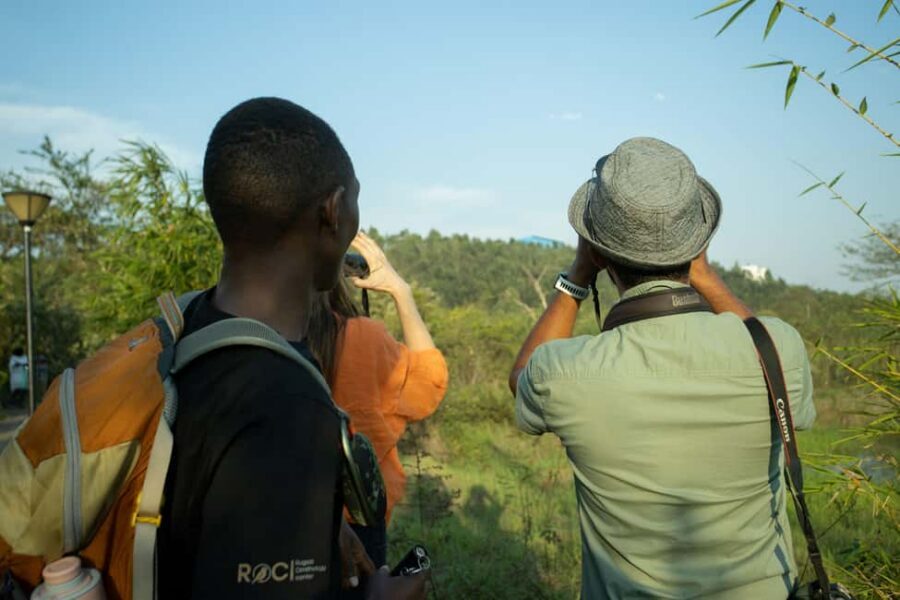
- Up to 70 bird species in 4 hours across migratory and endemic birds
- Expert-led birdwatching session with binoculars provided
- Multiple habitats to scan, from forest sections to open savannah
- Real ecosystem spotting beyond birds: butterflies, flowers, and trees
- English guide for clear explanations and on-the-spot ID help
Nyandungu Eco Park: a nature break you can fit into Kigali
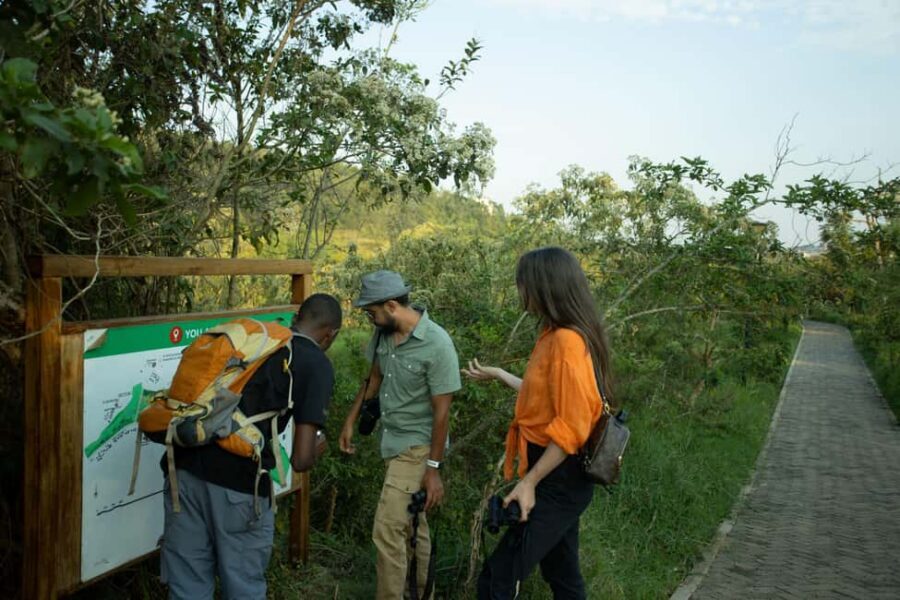
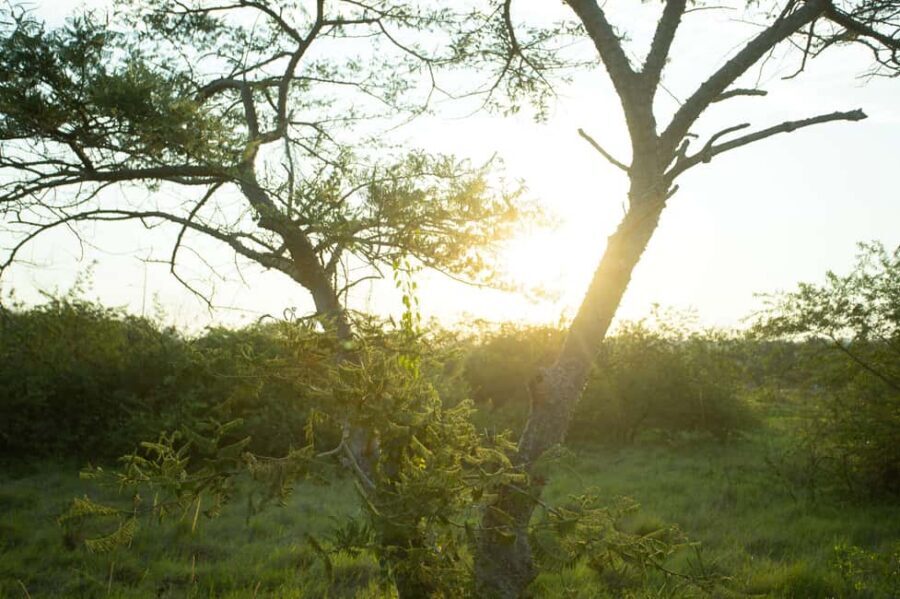
Nyandungu Eco Park is one of those places where you stop thinking like a city visitor and start acting like a wildlife watcher. Kigali might be busy, but the moment you’re inside the park, you’re in a calmer world where small movements matter. You’ll be looking for birds that blend into the canopy, the shrubs, and the edges of open ground.
The park is built for variety. You’re not just standing at one spot waiting for birds to wander in. You’ll walk through different habitat types, and that’s what makes this work for both first-timers and people who already own field guides. If you like the feeling of “I’m learning as I go,” this is a strong match.
From the guide-led format, I’d expect you to leave with more than a checklist. You’re meant to understand how the ecosystem supports the birds you’re seeing—so you’ll know what to watch for next time, not just what you saw this time.
You can also read our reviews of more tours and experiences in Kigali.

The 4-hour birdwatching session: how the time usually pays off
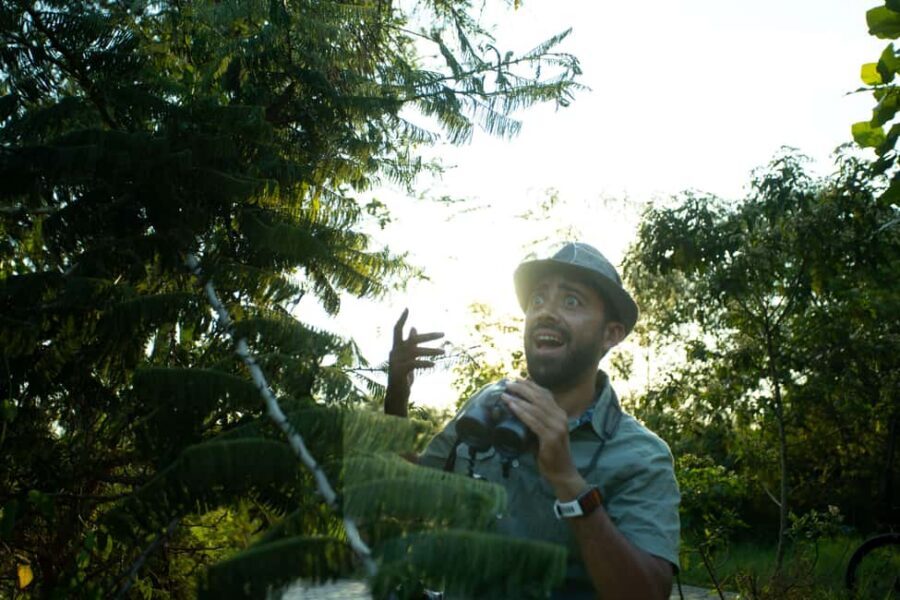
This experience is set at 4 hours, and it’s offered in morning, afternoon, and evening sessions. That matters more than people think. Bird activity shifts with light and temperature, and different birds show themselves at different times. If you’re flexible, choose the session that fits your energy level and your photography goals.
Here’s what the rhythm feels like in a guide-led birding walk:
- You’ll get a quick orientation on what to look for.
- You’ll use binoculars to slow down and actually see details.
- You’ll pause often, because birds rarely cooperate in a straight line.
- You’ll keep scanning as you move through habitat changes.
The big value is that the guide is there to help you “read” the environment. In one case, the guide identified birds by call, which is the kind of skill you can’t rush or fake. It also makes the experience easier if you’re not sure what you’re doing with binoculars yet.
One more practical note: a birding walk can run short in real life if weather is rough or if the group is moving slower than planned. I’d plan for the day rather than assuming every minute will be perfectly structured. In rainy conditions, a good guide keeps the session going and adjusts where needed.
Forest-to-savannah scanning: what “diverse habitats” means on the ground
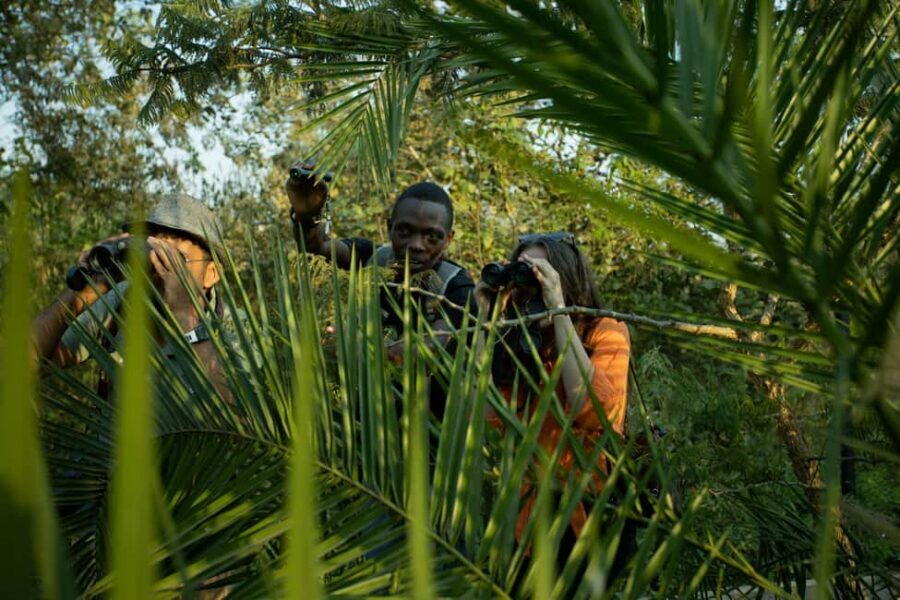
You’re promised a mix of habitats, and that’s the difference between “a nice stroll” and “birding that produces variety.” Nyandungu Eco Park includes sections you can think of as more forested and other areas that feel more open, like savannah edges.
That habitat mix influences what you’ll likely see:
- In more covered areas, you tend to look for birds that move through branches and understory.
- In more open sections, you can spot birds using sky lines, treetops, and edges of grass or shrub.
- When habitats change, bird behavior changes too. It’s like switching game levels.
Even if you don’t catch sight of everything, the walk teaches you to look in the right places. You start noticing bird-friendly structures: fruiting trees, perches, and places where insects might be active.
And it’s not only birds. The park’s ecosystem is part of the point, so you’ll also be watching for butterflies, flowers, and trees as you go. That makes the experience feel more “alive” than a list hunt. If you’re traveling with someone who isn’t obsessed with birds, this added nature layer helps keep the whole group interested.
The guide matters: how Tessy and Joseph-shaped outcomes

The best birding guides don’t just hand you species names. They teach you how to notice what matters. In the feedback you can learn from, guides like Tessy and Joseph stood out for how they guided people through actual sightings.
One highlight: bird identification by call. When a guide can connect a sound to the right species, you stop chasing every movement and start understanding the soundscape. That speeds up your learning fast.
Tessy’s sessions also show the payoff of timing. One account mentioned getting up for a very early start, and it was worth it. If you choose a morning slot, you’ll likely be stepping into more active conditions—especially if birds are feeding and moving with early light.
Joseph’s approach was praised for friendliness and bird-focused explanations, plus a broader read of fauna and plants. That’s a good sign. It usually means you’ll leave not only with sightings but also with context: why those birds are there, what habitats support them, and what to watch next time you return.
Binoculars, photos, and the reality of weather
Binoculars are included, which is a big deal for value and comfort. You don’t need to worry about renting or bringing equipment. You can just focus on looking—properly—at the right distance.
That said, one caution popped up in feedback: there was a complaint about needing to pay extra for binoculars and a mismatch in duration. I can’t confirm what happened in that specific case, but it’s enough of a flag that you should:
- verify the binoculars are included for your exact booking, and
- confirm whether your session time matches the posted duration.
Weather will be part of your equation. One guided outing was described as happening despite rain, and it still turned out fascinating. For you, that means bring the right basics and don’t assume rain will automatically cancel the fun. Birdwatching isn’t always about perfect skies—it’s about patience and adaptability.
For photos, you’ll usually have the chance to capture what you see while scanning with binoculars. The guide’s job is to help you line up your attention so you’re not only taking shots at empty branches.

Price and value: is $50 a fair deal?
At $50 per person for a 4-hour, guide-led session with binoculars, the value is strongest if you care about two things:
1) you want real help identifying birds (not just wandering), and
2) you don’t want to figure out gear and timing on your own.
This isn’t a bare-bones walk. It includes an expert guide and the binoculars, plus a structured birdwatching session. That’s the part you’re paying for: guidance that improves what you see and how quickly you understand it.
What’s not included matters for budgeting:
- Transport to the park
- Meals
- Personal expenses
So the real cost is $50 plus your local logistics. If you’re already in Kigali and you can arrange transport easily, this stays a simple add-on. If you have to hire a vehicle from far away, build that cost into your total plan.
Also, compare your goal. If you’re just after fresh air and light exercise, you might not need a guided birding session. But if you want bird ID help and a chance to spot up to 70 species, a guide makes that much more realistic.
What to bring (and the small rules that can catch you)
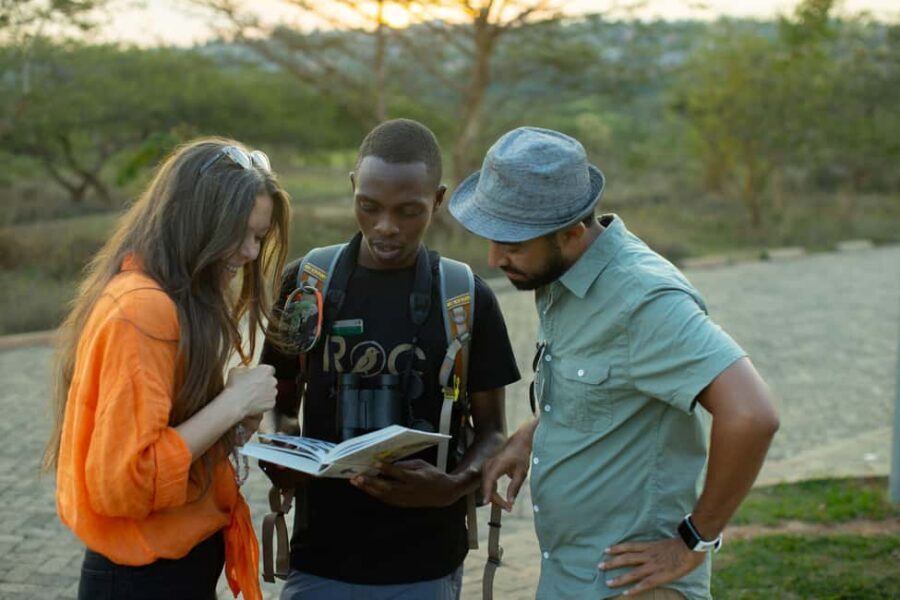
Your checklist is straightforward, and it directly matches what the park experience expects:
- Comfortable shoes
- Hat
- Sunscreen
- Water
One extra tip from experience reports: avoid single-use plastic in the park. In particular, plan on bringing your own bottle and refilling if possible. You’ll look like the prepared one, and you won’t waste time once you’re there.
Also, treat this like a day hike even though it’s only 4 hours. You’ll be walking, pausing, scanning, and standing in place more than you’d expect. Comfortable shoes are not optional if you want to enjoy it.
For hat and sunscreen: Kigali sun can be strong, and you’ll be exposed while waiting for birds to show up. Bring what you’d normally bring for daytime outdoor time.
Who should book this birdwatching experience?
This is ideal for:
- Bird lovers who want better identification without buying a pile of gear
- First-time birdwatchers who want a guide to explain what to look for
- People who like nature walks but also want a learning component
- Travelers who want a Rwanda nature experience that fits into a half-day
It might be less ideal if:
- you’re looking for guaranteed sightings of specific species (birding is never that predictable)
- you hate walking on uneven park paths (comfortable shoes help, but it’s still walking)
- you don’t want to handle logistics like getting to the park and bringing water
The park’s biggest advantage is that it supports curiosity. You’ll spend time on the ecosystem itself—birds plus butterflies, flowers, and trees—so it doesn’t feel like you’re only chasing one thing.
Should you book? My practical take

Yes, I think you should book this if your goal is guided birding in Kigali with a high chance of variety and real nature context. The mix of habitats, plus the expert guide and binoculars, makes the $50 feel fair—especially if you’re new to birdwatching or you want help identifying birds by call and behavior.
Before you go, do one simple thing: confirm the details that affect your day, especially the session length and that binoculars are included for your booking. Then plan transport and bring water in a reusable bottle. If you do that, you’ll spend four hours focused, calm, and pleasantly surprised by how much life you can spot close to the city.
FAQ
Where is the Kigali Eco Park bird watching experience held?
It takes place at Nyandungu Eco Park in Kigali Province, Rwanda.
How long is the bird watching session?
The duration is 4 hours.
What is the price per person?
The price is $50 per person.
What’s included in the experience?
The experience includes an expert guide, binoculars, and the bird watching session.
What language is the tour guide available in?
The live tour guide is available in English.
What should I bring with me?
Bring comfortable shoes, a hat, sunscreen, and water.