REVIEW · KIGALI
Kigali: Gorilla Trekking in Volcanoes National Park
Book on GetYourGuide →Operated by Unique Africa Ventures · Bookable on GetYourGuide
Four-thirty is early, and that helps you see gorillas. This full-day Kigali to Volcanoes National Park trek is all about finding and watching mountain gorillas in their own habitat, starting with a smooth ride north and ending with lunch in Musanze. I like the comfort of an air-conditioned 4WD and I love how the day is built around the park’s ranger-led trek once you arrive. The main catch: it’s a long, sometimes muddy walk, and the trekking portion can run 2 to 8 hours.
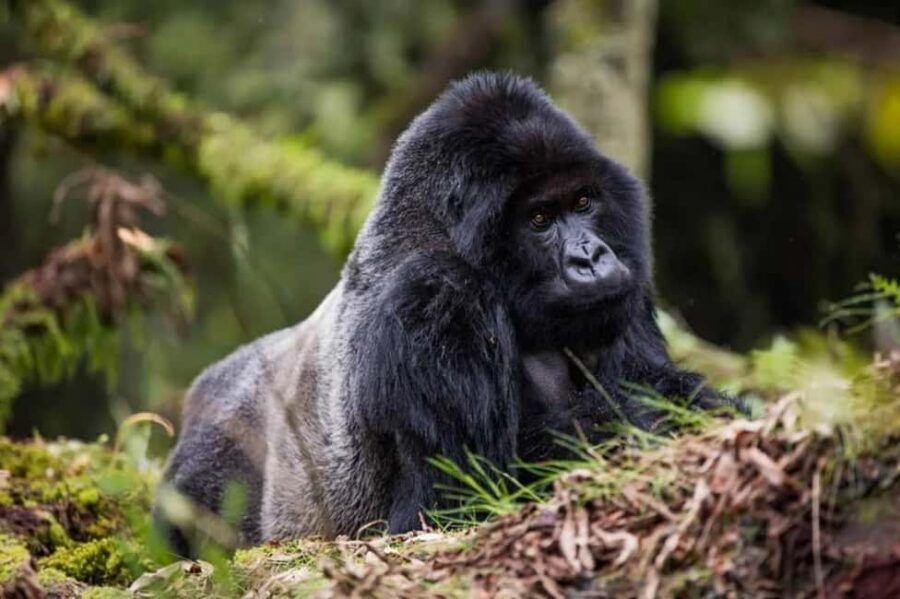
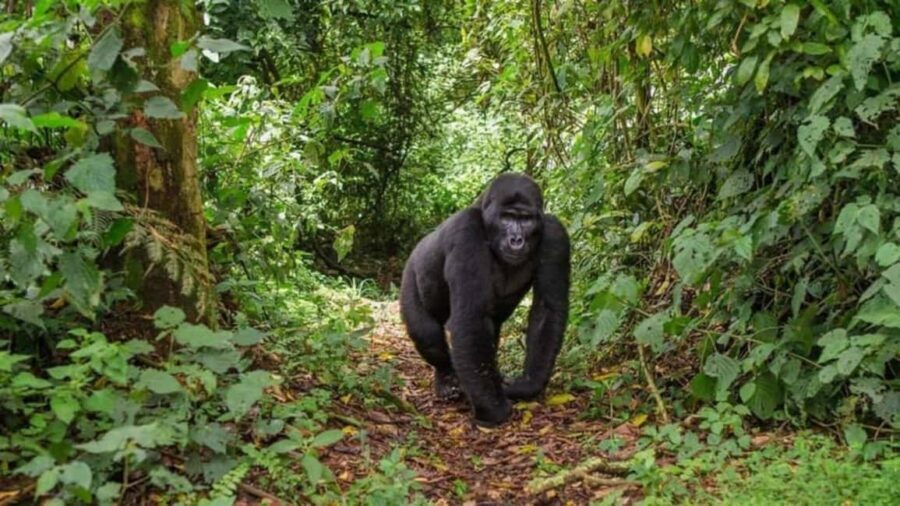
Mountain gorillas are endangered, listed on the IUCN Red List, and you’re in the part of the world where they still survive in the Virunga Mountains (Rwanda, DRC, and Uganda). That context matters, because this isn’t a zoo visit—it’s careful, rule-based time in the forest with one of the planet’s most threatened great apes.
One more thing to know up front: your $299 price is for getting you there and back, plus the safari-day logistics. The separate gorilla tracking permit for international visitors is listed as $1500 (or $500 for African residents) unless you select an option that includes it. If you’re on a tight budget, this is the one line item you need to plan for early.
In This Review
- Key Points You’ll Want to Know Before You Go
- The Kigali-to-Volcanoes Drive (Why Your Day Starts Before Sunrise)
- Musanze-Kinigi Briefing: Where the Rules and Ranger Guidance Start
- Trekking for Gorillas: What 2 to 8 Hours Actually Feels Like
- Mountain Gorillas in the Virunga Range: Why This Is More Than a Checklist
- Gear and Behavior Rules That Keep You Comfortable (and On-Track)
- Price and Value: What $299 Really Buys (and What You Still Need to Budget)
- After the Trek: Lunch in Musanze and the Ride Back to Kigali
- Who Should Book This Gorilla Trek From Kigali (and Who Should Skip It)
- Should You Book Kigali Gorilla Trekking in Volcanoes National Park?
- FAQ
- FAQ
- What time is pickup in Kigali?
- How long is the drive from Kigali to the park area?
- How long does the gorilla trekking take?
- What is included in the $299 per person price?
- Are gorilla tracking permits included automatically?
- Can I hire a porter?
- What should I bring for the trek?
- What is not allowed during the experience?
- Is the tour refundable if plans change?
Key Points You’ll Want to Know Before You Go
- 04h30 pickup from Kigali sets you up for the best chance of a smooth start
- Musanze-Kinigi briefing and group assignment mean you’re tracking with a planned ranger process
- Trekking time can be 2–8 hours depending on gorilla movement in the forest
- All the big safety rules are part of the program (including no flash photography and no feeding)
- $299 covers transport and day logistics, while the gorilla tracking permit is a separate cost for international visitors
- John (driver guide) is repeatedly praised for punctuality, clear explanations, and helpful flexibility like ATM stops
The Kigali-to-Volcanoes Drive (Why Your Day Starts Before Sunrise)
This trip runs on a strict clock. You’ll be picked up from Kigali at 04h30, then you’ll drive about 2h30 to Musanze-Kinigi, with at least one coffee break along the way. That early departure isn’t random; it’s the practical way to be at the park offices, get briefed, and start trekking while the day still has energy.
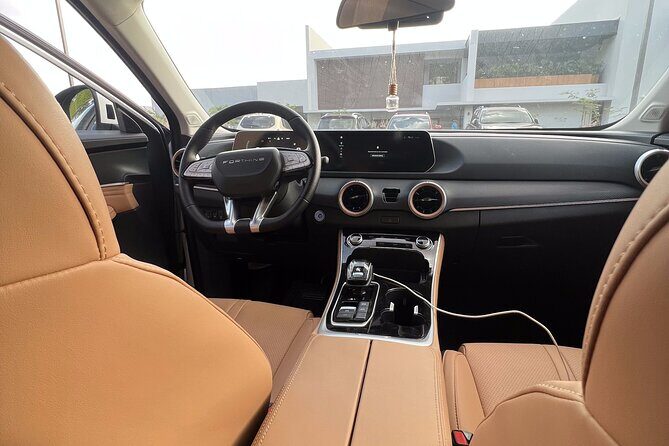
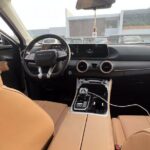
The ride itself matters more than you’d think. You’re traveling in an air-conditioned 4WD jeep, which is a relief in Rwanda’s early-morning chill and helps you arrive at the park less worn out than you would with a rougher ride. Also, this is a road trip with a purpose: you’re not just “getting to a place.” You’re transitioning into a day where decisions happen quickly once rangers assign your group.
I also like the human touch in how the day is handled. In real use, operators often make the day smoother by supporting the small things that can derail a plan—like helping you sort paperwork for permits or stopping for an ATM if needed. One driver/guide named John gets a lot of credit for exactly that kind of calm, hands-on help, plus safety-first driving.
You can also read our reviews of more hiking tours in Kigali
Musanze-Kinigi Briefing: Where the Rules and Ranger Guidance Start
Once you reach Volcanoes National Park headquarters in Musanze-Kinigi, you’ll get assigned to a gorilla group to track. Then comes the briefing from the ranger guide—your real “mission briefing” before you step into the forest.
This is where your day becomes more than walking. Your ranger guide’s job is to manage safety and track gorillas while respecting strict behavior rules. You’re also working within a system designed to limit stress on the animals. So the briefing isn’t just formalities—it’s what keeps your tracking experience both safe and respectful.
You’ll also want to pay attention to what the program explicitly says you can’t do:
- No high-heeled shoes
- No flash photography
- No alcohol and drugs
- No feeding animals
These rules aren’t there to spoil your fun. They reduce risks in close quarters and help protect the animals’ normal behavior. If you go in expecting the forest to be quiet and controlled, you’ll feel the experience click into place.
Another detail that can make you feel better before the trek begins: safety planning is part of the setup. One description of the trek experience notes an armed protector accompanying the group, plus porters and trackers working to get people through dense jungle terrain. Even if your main “job” is to follow the ranger, it’s comforting to know there’s a broader safety chain in place.
Trekking for Gorillas: What 2 to 8 Hours Actually Feels Like
After briefing, you’ll drive to the starting point for your trek. Then the real variable begins: the trek can last 2 to 8 hours, depending on the movement of the gorillas.
That range is important. You’re not signing up for a predictable hike with a scoreboard. Gorillas move at their own pace, and rangers adjust the plan. Practically, that means you should be ready for a mix of slow walking, stops, and sudden changes in direction.
The good news is that the trek is designed for your group’s reality: dense terrain, slippery spots, and thick vegetation. The program may include porters (optional, at 10 USD) and macheted trackers who help the group move through jungle terrain. In other words, you’re not expected to hack your way through the forest alone.
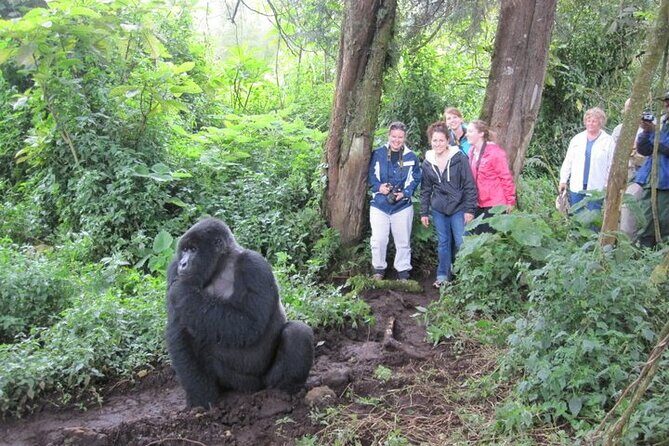
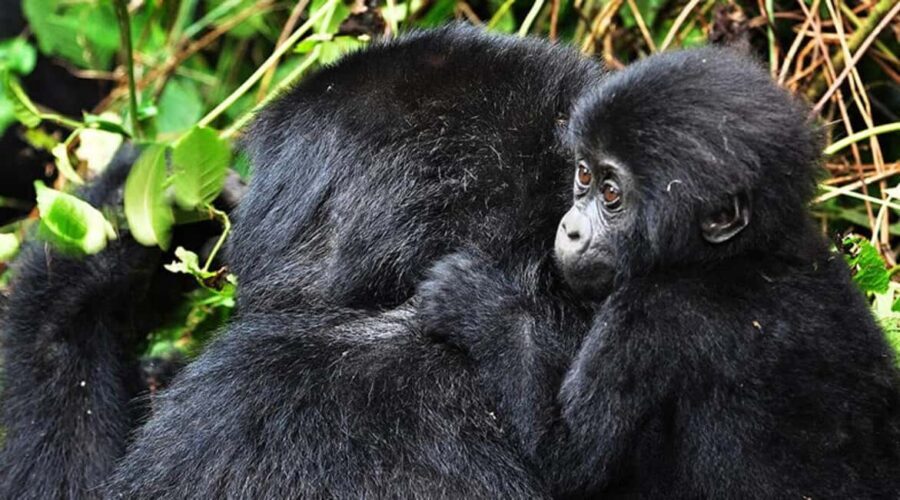
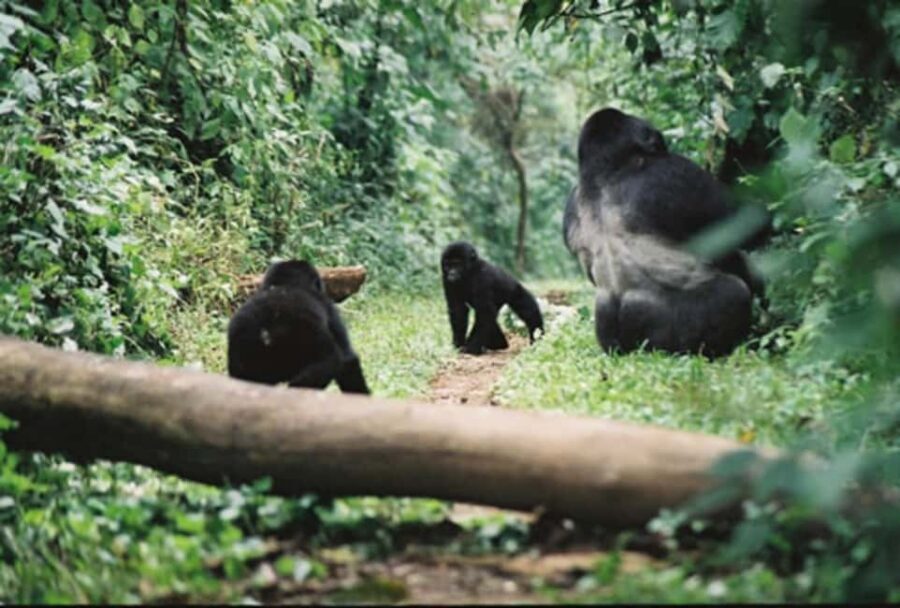
If you’re a “plan the day down to the minute” person, switch gears. The forest isn’t on your timetable. But there’s a payoff to that patience. The goal is to observe mountain gorillas as they go about daily life—feeding, resting, moving through the trees and ground vegetation—while you stay within the behavior limits set by rangers.
Mountain Gorillas in the Virunga Range: Why This Is More Than a Checklist
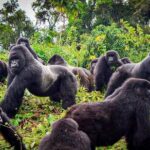
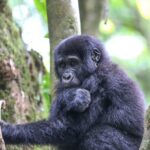
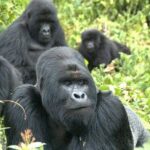
You’re tracking mountain gorillas, one of the endangered species highlighted on the IUCN Red List. They’re found in the Virunga Mountains, spanning Rwanda, the DRC, and Uganda. That distribution gives the whole region a unique conservation meaning: this is habitat that has to be protected in a real, on-the-ground way, not just celebrated in brochures.
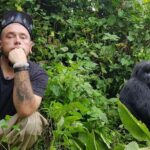
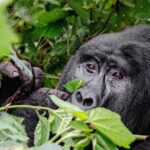
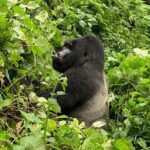
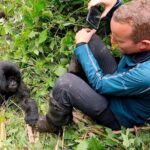
What you’re aiming to see during tracking is the gorillas in their natural environment. That’s why the trekking approach exists. You’re not driving up to an enclosure and watching from a distance. You’re moving with ranger guidance, staying quiet and controlled, and letting the animals determine what kind of sightings you get.
There’s also a key emotional expectation to set: sightings can vary. Sometimes you’ll get crisp, clear views; sometimes the silverback may seem less active. That doesn’t automatically mean anything has gone wrong—it can reflect fatigue, positioning, or simply how they’re behaving that day. If you go in thinking the forest is a living system, you’ll have an easier time enjoying whatever the gorillas decide to show.
Gear and Behavior Rules That Keep You Comfortable (and On-Track)
This kind of trek rewards good preparation. The essentials you’re told to bring are clear, and you’ll thank yourself when the weather shifts:
- Hiking shoes
- Rain gear
- Daypack
- Hiking pants
- Biodegradable insect repellent
- Passport (a copy is accepted)
- Trekking gear, as needed
A couple of practical reminders based on the rules: you’ll want footwear that handles mud and roots. They specifically say not to use high-heeled shoes, which makes sense in terrain that can turn slick fast.
Also plan for the “small discomforts” that add up. Rain gear matters because Volcanoes National Park weather can change quickly. Insect repellent matters because you’ll be in the forest long enough for bugs to matter. And a daypack helps you keep your essentials close rather than fumbling while rangers coordinate movement.
Behavior-wise, your job is simple: don’t interfere. The program is explicit about no flash photography, no feeding, and no alcohol or drugs. If you keep it calm and follow the ranger lead, the whole day feels smoother.

Price and Value: What $299 Really Buys (and What You Still Need to Budget)
Here’s the straightforward value math.
Your listed price is $299 per person, and the included items focus on the day’s transport and logistics:
- Pickup and drop-off in Kigali
- Transportation in an air-conditioned 4WD jeep
- Driver guide
- Drinking water
- Tracking permit for international visitors if you select that option
The big point is this: the gorilla tracking permit itself is listed separately as $1500 for international visitors (or $500 for African residents) unless the option you choose includes it.
So when is $299 a good deal? It’s a good deal when you consider what it replaces: organizing a long, early-morning round trip between Kigali and Volcanoes National Park, getting you to the exact starting logistics for your gorilla group, and having a driver guide manage the driving, timing, and coordination back to Musanze and onward to Kigali. In practice, the “transport-only” portion often turns into the most stressful part for independent travelers. Paying for it here can be worth it just to reduce friction on a day with time-sensitive steps.
Also, the model is flexible in how you can book. There’s a Reserve & Pay Later approach noted, meaning you can keep plans flexible and pay later rather than locking everything immediately.
And one more value factor: good operators can help you navigate permit availability. In peak season, one report praises a company for working with authorities to find a spot even when permits appeared sold out online. I can’t promise that outcome for every date, but it’s a sign you should choose a provider that stays engaged with the real-world permit situation, not just a static webpage.
After the Trek: Lunch in Musanze and the Ride Back to Kigali
When the trek ends, you’ll be driven back to the nearest town, Musanze, for lunch. This is a practical design. After hours of walking, you don’t want to chain another long activity right away—you want food, a chance to cool down, and a toilet break.
Then it’s the return drive to Kigali with the drop-off at the end of the day. If you’re wondering how you’ll handle the day-ending fatigue: it’s normal. The trek can be long, the morning starts early, and the ride back is when you’ll feel the day catch up with you. The comfort of a 4WD helps, and the fact that the program handles transportation end-to-end reduces the “what now?” moments that can add stress.
Who Should Book This Gorilla Trek From Kigali (and Who Should Skip It)
This experience is built for people who can handle a long day and follow safety rules without fuss.
It’s clearly not suitable for children under 15. It’s also listed as not suitable for people with:
- Animal allergies
- Altitude sickness
If you have altitude concerns, double-check with a medical professional before committing, since the listing flags this specifically.
Who it suits best:
- First-timers to Rwanda who want the experience to be organized start-to-finish
- People who like wildlife encounters where you follow ranger instructions and don’t cut corners
- Travelers who value safety planning and clear rules as part of the experience
If you’re the type who wants a “light hike” only, this probably isn’t the one. The trek timing ranges from 2 to 8 hours, and the forest terrain is not a flat city sidewalk.
Should You Book Kigali Gorilla Trekking in Volcanoes National Park?
If your priority is to see endangered mountain gorillas in their natural habitat with ranger-led safety and clear behavior rules, then yes—you should seriously consider booking. The biggest reason is simple: this isn’t an add-on. It’s the main event, and the day is structured to get you to the forest at the right time, with the right support, and with time to observe.
Before you book, do two checks:
- Confirm whether the gorilla tracking permit is included or still needs to be paid separately at $1500 for international visitors (or $500 for African residents).
- Be honest about your walking stamina. The trek can last up to 8 hours, so you’ll enjoy it most if you’re ready for a real trek day.
If you’re flexible and you want a genuine, rule-based wildlife encounter in Rwanda, this is a strong choice.
FAQ
FAQ
What time is pickup in Kigali?
Pickup is early, at 04h30 in the morning.
How long is the drive from Kigali to the park area?
The drive to Musanze-Kinigi takes about 2h30, with a coffee break included.
How long does the gorilla trekking take?
The trek can last from 2 to 8 hours, depending on the gorillas’ movement.
What is included in the $299 per person price?
It includes pickup and drop-off in Kigali, transport in an air-conditioned 4WD jeep, a driver guide, and drinking water. A tracking permit for international visitors is included only if you select that option.
Are gorilla tracking permits included automatically?
No. The mountain gorilla tracking permit is listed separately as $1500 for international visitors and $500 for African residents, unless you select an option that includes it.
Can I hire a porter?
Yes. Optional porter hiring is listed at 10 USD.
What should I bring for the trek?
Bring hiking shoes, rain gear, a daypack, hiking pants, biodegradable insect repellent, passport (a copy is accepted), and trekking gear.
What is not allowed during the experience?
You can’t use high-heeled shoes, flash photography, alcohol or drugs, and you can’t feed the animals.
Is the tour refundable if plans change?
Cancellation is allowed up to 24 hours in advance for a full refund.