REVIEW · KIGALI
Local hills hiking
Book on Viator →Operated by Beyond the Gorillas Experience · Bookable on Viator
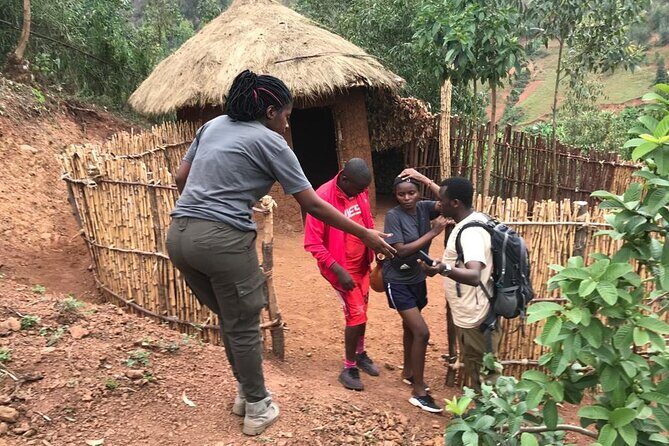
One steep morning and Kigali feels brand new. This guided hike takes you out from Gakenke into Rwanda’s rolling countryside, with stops at a local primary school and the Gakenke market, then pushes up to the tallest hill in the area at 2,660 meters (8,700 feet).
I especially like that the day is structured around everyday community places, not just a viewpoint. I also like that the hiking is real and guide-led, with an interactive pace that keeps you engaged while you work your way uphill.
The main drawback: this hike is not for the faint-hearted. You’ll want a strong physical fitness level, because the climb is demanding and the altitude is real.
In This Review
- Key highlights you’ll feel right away
- A 6-hour Kigali hill hike from Gakenke, with an 8:00am start
- Gakenke market: your warm-up with real local trade
- Primary school stop: where your walk turns into a human moment
- The climb to 2,660 meters: pace, altitude, and effort
- Hilltop views: lakes, villages, and Bagenge Rock
- Snacks included: what to bring so the hike feels better
- Pickup, small group size, and the guide-led factor
- Who this Kigali hill hike is best for
- Price and value: what $110 covers and what it means
- Booking tips that will make the day smoother
- Should you book Local Hills Hiking from Gakenke?
- FAQ
- How long is the Local Hills Hiking tour?
- What time does the hike start in Gakenke?
- Is pickup or transportation included?
- What is included in the price?
- What is not included?
- Do I need strong physical fitness?
- What is the cancellation policy if weather is poor?
Key highlights you’ll feel right away
- Gakenke market first: See active trade right in the community, not a staged stop
- Primary school visit: A chance to connect with local daily life during the walk
- 2,660m summit: Taller-than-you-expect height for views over lakes and villages
- Hilltop sightlines: Look for lakes, villages, and Bagenge Rock from above
- Small group size: Max 20 travelers, so it stays manageable on foot
- Snacks included: Light fuel is provided, but you still should pack extras
A 6-hour Kigali hill hike from Gakenke, with an 8:00am start
This is a morning outing that runs about 6 hours. Starting at 8:00am matters here: you get cooler hiking temperatures, and you’re more likely to enjoy clearer views if the weather cooperates. It also helps you keep the day from dragging, because you’re not spending long hours on the road.
You’ll begin in Gakenke and end back at the same meeting point. The itinerary is built for a walking day, so even with transfers, plan your energy for the uphill work. The day is rated for strong physical fitness, and with altitude involved, you’ll do best if you’re comfortable hiking at a steady effort rather than sprinting up.
Good weather is required. If conditions are poor, the experience may be canceled and you’ll be offered another date or a full refund. That’s a fair trade-off for a hike that depends on visibility from the top.
You can also read our reviews of more hiking tours in Kigali

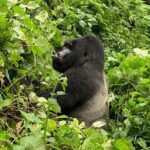
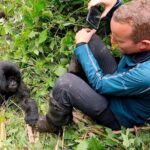
Gakenke market: your warm-up with real local trade
Your first major stop is Gakenke Market, an open-air market known for heavy local trade. You’ll see bananas alongside other fruits, vegetables, and staple foods—more than a photo-op, it’s a community gathering place where people come to buy, sell, and catch up.
What I like about starting here: it gives context fast. Before you climb, you learn what the area looks like at ground level—busy, practical, and very much part of daily life. It also makes the hike feel connected instead of separate from “Rwanda sightseeing.”
The market stop is short—about 20 minutes—and admission is free. That means you’re not stuck waiting around, and it keeps the schedule focused on the hike. Still, bring a little patience. Open-air markets run on local rhythm, and that’s part of the charm.
Practical tip: wear shoes you don’t mind getting dusty. Markets and village paths can be rough on soles, even when the route isn’t muddy.
Primary school stop: where your walk turns into a human moment
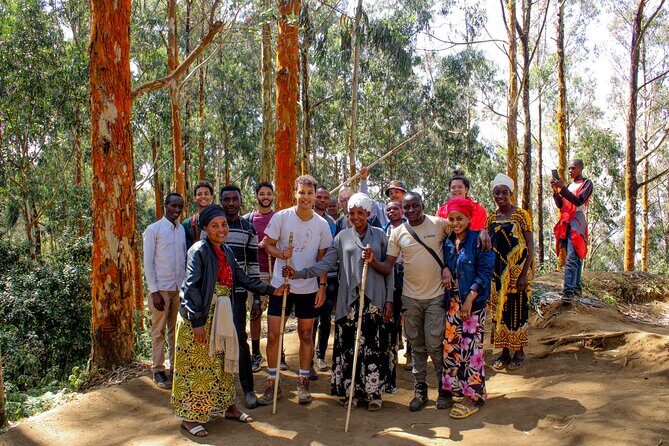
A key part of this day is visiting a local primary school. That’s the kind of stop that changes how you experience the landscape. Instead of looking at Rwanda from the outside, you pause and see education and community life up close.
You’ll want to approach this respectfully. Keep interactions calm, follow your guide’s lead, and remember this is part of local routine. Even if you’re just stopping briefly, your posture and tone matter—quiet, curious, and mindful goes a long way.
There isn’t much detailed timing provided for the school visit beyond being included in the day, so it’s smart to stay flexible. Plan to be present for the stop, not just scanning for “the best picture spot.” This is the moment most likely to stick with you after the hike.
The climb to 2,660 meters: pace, altitude, and effort
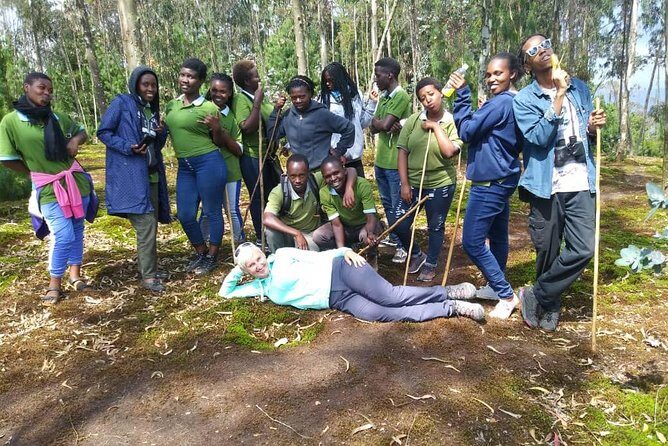
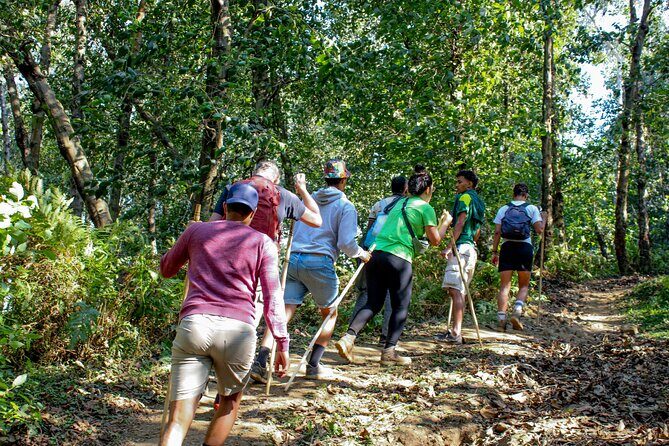
The big goal is reaching the top of the area’s tallest hill at 2,660 meters (8,700 feet). That number is impressive on paper, but what it means for you is simple: you’ll work harder than you expect, and you’ll want to manage your breathing.
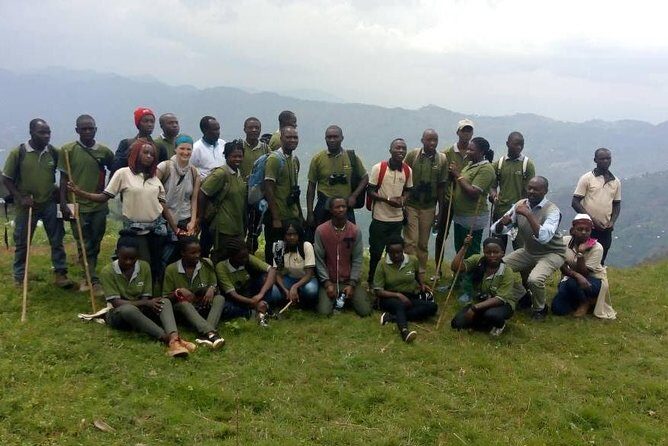
The experience is meant for people with a strong physical fitness level. One review summed it up clearly: it’s interesting and the guide makes it interactive, but it’s not for the faint-hearted. So don’t sign up thinking it will feel like an easy nature stroll.
What helps most is a steady, controlled pace. If you go out too fast at the start, you’ll pay for it later near the steeper sections. A guide-led hike can help here, because you’re not trying to navigate or constantly decide what to do next—you can focus on your effort and posture.
Also, plan for the fact that you’re high enough to be affected by altitude even if you don’t feel sick. If you’re prone to shortness of breath, or you don’t hike often, consider preparing with local walking or light cardio before you come.
Hilltop views: lakes, villages, and Bagenge Rock
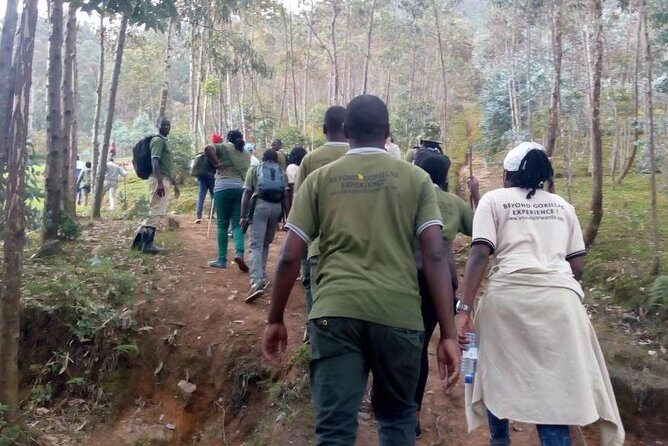
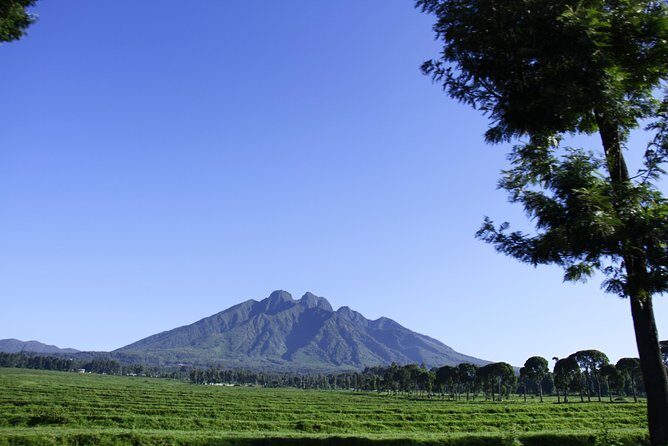
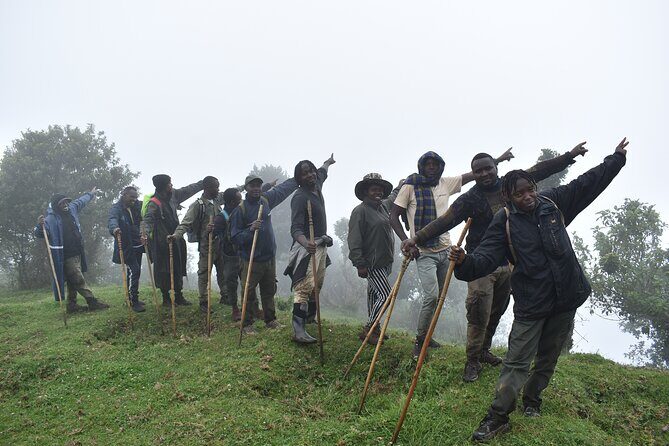
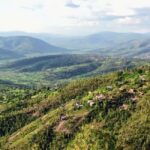
When you finally reach the top, the payoff is the scenery. From the hilltop, you can enjoy views of lakes, surrounding villages, and Bagenge Rock. This is the kind of viewpoint that makes the earlier hard parts feel worthwhile, because you get to see how the hills connect everything below.
What you should know: views depend on weather. Since the tour requires good conditions, the day is set up so you’ll be hiking with the hope of visibility. If clouds or mist roll in, the view might be softer than you pictured—but you’re still going to get the satisfaction of reaching a serious height.
The hilltop is a natural place for photos, but don’t let the camera control your plan. Take a moment to pause and let your eyes adjust. From above, the scale of settlement and the pattern of valleys start to make sense.
Photo note: at 2,660m, light can change quickly. Bring sun protection, and if you have it, sunglasses help with glare.

Snacks included: what to bring so the hike feels better
Snacks are included, which is a nice baseline. Still, the day can feel long and physical, and the guidance is clear: it’s recommended that you bring your own snacks too. Think of the included snacks as support, not your full meal plan.
Here’s what I’d bring for comfort and energy, based on how a 6-hour hike usually goes:
- Extra snacks you like (so you’ll actually eat them)
- Water for the duration (you’ll want more than you think)
- A light layer in case it’s cooler near the hilltop
Even if you feel strong, uphill walking drains you. If you wait until you’re hungry to eat, you’ll lose momentum. A few small snack breaks keep you steady.
Also, remember you’ll be outside for much of the time. Sunscreen, a hat, and basic weather readiness can make the difference between a fun hike and a miserable one.
Pickup, small group size, and the guide-led factor
This experience offers pickup and round-trip transfers from your accommodation. That’s valuable in Kigali because you’re not spending mental energy figuring out how to get to the start. It also makes the day simpler if you’re staying somewhere that’s not convenient for local buses or taxis.
The group size is capped at 20 travelers. For a hike, that matters. Smaller groups move more smoothly, and your guide can spend time keeping everyone together without turning the day into herding cats.
On top of that, the tour is guide-led and can be interactive. One of the strongest review themes is that the guide made the hike interesting and engaging. That kind of guidance turns the day from a workout you endure into a story you understand—why you’re stopping where you are, what the community spaces represent, and how to pace the climb.
You should also be comfortable with the reality that this is active travel. Even with transport sorted, you’re doing a hill hike with real effort.
Who this Kigali hill hike is best for
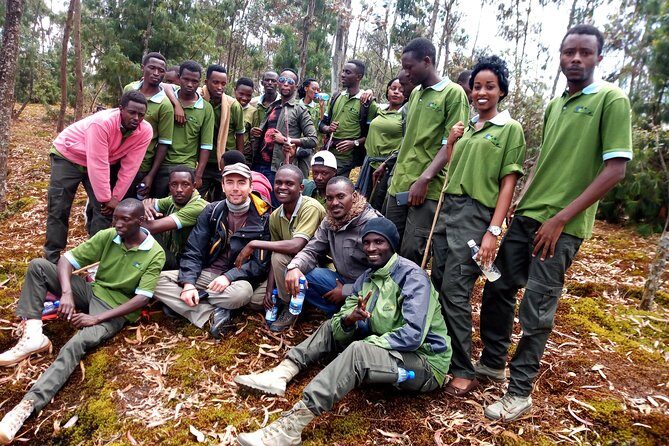
This is a great fit if you want more than a viewpoint. If you like getting out into everyday places—market trade, school community life, local village surroundings—this route gives you that connection while still rewarding you with height and views.
It’s especially suited for:
- Active travelers who hike regularly or are ready for a serious effort
- People who prefer community-based experiences over staged tourism
- Anyone who enjoys guided days where you can relax into the plan
It’s not ideal if:
- You want a light, casual walk
- You struggle with steep climbs or breathlessness
- You don’t have strong physical fitness
If you’re on the fence, be honest about your hiking habits. The elevation plus the uphill effort is the main reason the day can feel tough.
Price and value: what $110 covers and what it means
The price is $110.00 per person. For a guided, multi-stop half-day to full-day hike with pickup/round-trip transfers and snacks included, it’s not a bargain—but it’s also not out of step with what guided outdoor experiences cost in the region.
Where the value comes from:
- Guiding for route and pacing, plus an interactive approach
- Community stops (market and a primary school) that give the day meaning
- A real destination at 2,660m, not just a short trail
- Transfers that reduce logistical hassle
One note for budget planning: private transportation isn’t an add-on you’re meant to purchase separately. If you need special arrangements beyond what’s included, you’ll have to plan that on your own—but the baseline setup already includes pickup/round-trip transfers from your accommodation.
Also, the fact that it’s often booked about 40 days in advance tells you something practical: there’s steady demand. If you’re traveling during peak periods or have specific weather windows in mind, plan ahead.
Booking tips that will make the day smoother
A few small things will help you have a better experience from the start:
- Go in with a strong fitness mindset. The best outcome comes when you treat it like a hike, not a stroll.
- Pack extra snacks even though snacks are included. Your energy will thank you.
- Expect the weather to matter. If conditions are bad, the tour may be rescheduled.
- Dress for outdoors and uneven ground, especially around open-air markets and village paths.
There’s also a mobile ticket and confirmation at booking time. That helps streamline arrival so you can focus on the day.
Should you book Local Hills Hiking from Gakenke?
You should book if you want a guided hike that mixes community visits with a serious hill climb and a payoff view from 2,660m. The market and primary school stops add real texture, and the guide-led, interactive approach makes the hike feel more like a connected day of travel than a solo slog.
Skip it if you’re looking for an easy walk, if you’re not comfortable with steep effort, or if you’re short on time and want something gentler. This is for people who like movement, effort, and a straightforward reward.
If that sounds like you, this is a strong value choice: $110 gets you a structured day, transfers, snacks, and a chance to see Rwanda from higher ground while still touching local life along the way.
FAQ
How long is the Local Hills Hiking tour?
The tour lasts about 6 hours.
What time does the hike start in Gakenke?
The start time is 8:00am.
Is pickup or transportation included?
Pickup is offered, and the tour includes round-trip transfers from your accommodation.
What is included in the price?
Snacks are included, and you also receive a mobile ticket.
What is not included?
Private transportation is not included.
Do I need strong physical fitness?
Yes. The experience is designed for travelers with a strong physical fitness level.
What is the cancellation policy if weather is poor?
You can cancel for free up to 24 hours in advance for a full refund. The experience requires good weather, and if it’s canceled due to poor weather, you’ll be offered a different date or a full refund.