REVIEW · KIGALI
Kigali: Traditional Basket Weaving in a Garden
Book on GetYourGuide →Operated by NuttinTODO · Bookable on GetYourGuide
Kigali’s basket weaving class feels personal fast. In a calm garden setting, you’ll learn traditional techniques from Rwandan artisans while making a craft you can actually use back home. You’re also supporting women who keep these skills alive.
I especially like the hands-on pace and the way the teaching stays practical. You’re not just watching; you’re building a basket with step-by-step help, and you’ll leave with something like a small basket, coaster, or bowl depending on what you make.
One thing to consider: this experience is not suitable for people with food allergies, so check carefully before you book. If you do have allergies, ask the provider what materials you’ll handle.
In This Review
- Key points to know before you go
- A garden workshop in Kigali where the work is the lesson
- What you can make in 2 hours (and why small matters)
- How the class runs: welcome, setup, then guided weaving
- The real payoff: patterns, purpose, and the stories behind designs
- Coffee, tea, and a comfortable garden break
- Price and value: $30 for skills, tools, and a take-home craft
- Logistics that matter: location, timing, and what’s not included
- Who should book this, and who should think twice
- Final call: should you book Kigali Traditional Basket Weaving in a Garden?
- FAQ
- How long does the Kigali basket weaving workshop take?
- How much does it cost?
- What’s included in the price?
- What is not included?
- What languages are available?
- Is the workshop suitable if I have food allergies?
- Can I cancel and get a full refund?
- Is there a reserve now, pay later option?
Key points to know before you go
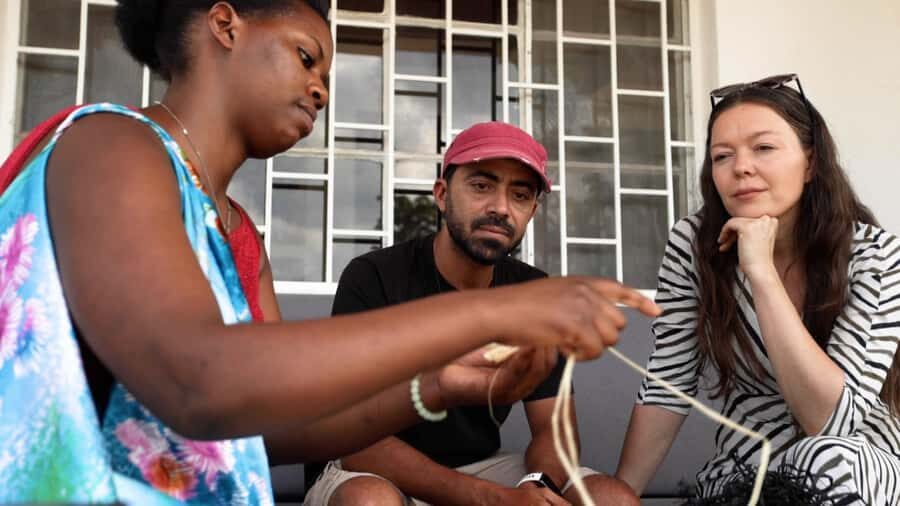
- Local women guide the workshop, so you learn technique plus real context for the designs.
- English and French instruction is available, with support that may include translation help.
- You’ll work in a garden setting, often with a coffee or tea break.
- All materials and tools are provided, so you can focus on learning, not shopping.
- Small-group feel helps you get patient attention and finish what you’re making.
- You take home your craft, usually a small basket item made during the session.
A garden workshop in Kigali where the work is the lesson
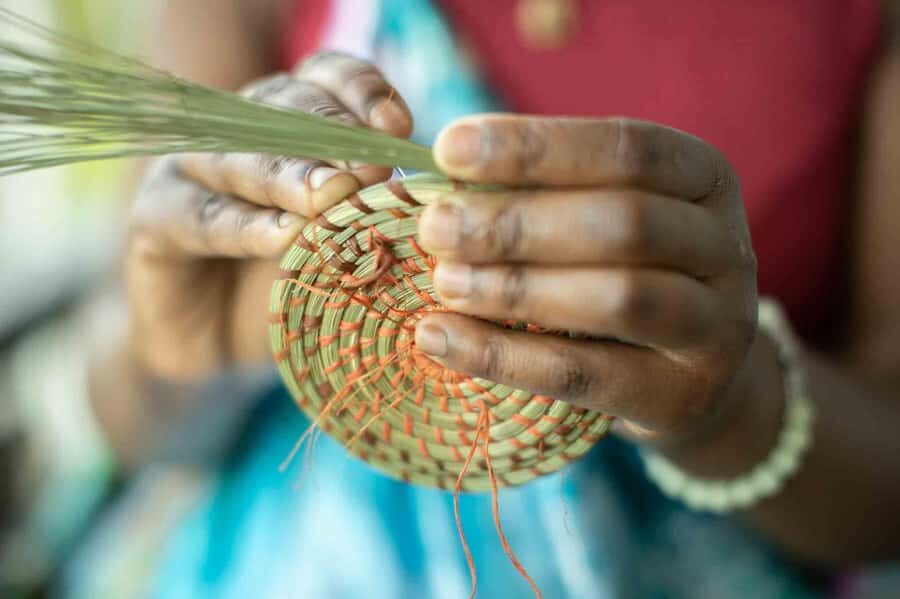
Kigali is full of great things to do, but this one hits differently because you’re learning a skill with your hands. In a garden setting, you’ll sit close to the weaving process and follow along as local artisans explain what they’re doing and why it matters. The rhythm of weaving is oddly calming, and the pace is friendly enough that even if your hands are better at buying souvenirs than making them, you’ll still get somewhere.
I also like that it doesn’t treat the craft like a museum piece. Basket weaving is shown as something living, taught person to person. That’s the kind of cultural experience that feels worth your time, because you can see the skill in action and hear the reasoning behind the patterns.
Expect a warm welcome when you arrive. Then you’ll get set up with the needed materials and tools and start learning the basics right away. The whole session is structured to help you produce a finished take-home item in about two hours.
You can also read our reviews of more tours and experiences in Kigali.



What you can make in 2 hours (and why small matters)
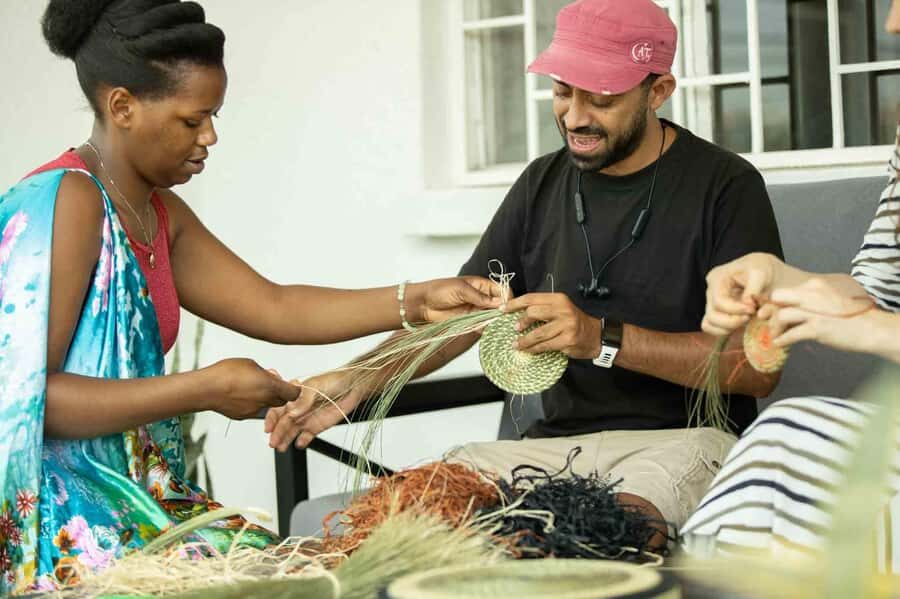
The workshop is built around creating something you can complete during your visit. Based on past sessions, many people leave with a tiny basket, or with a smaller item like a coaster or a small bowl. Even if the first attempt feels imperfect, that’s part of the learning curve. You’re not expected to produce a masterpiece on day one.
The “small” output is actually a strength. For a short class, it gives you a practical goal and helps you practice enough to understand the steps. You’ll see how changes in tension, overlap, and pattern placement affect the final look and structure.
If you’re the type who wants to understand a craft, not just buy an item, this format makes sense. You’ll get a working relationship with the material instead of only admiring the final product.
How the class runs: welcome, setup, then guided weaving
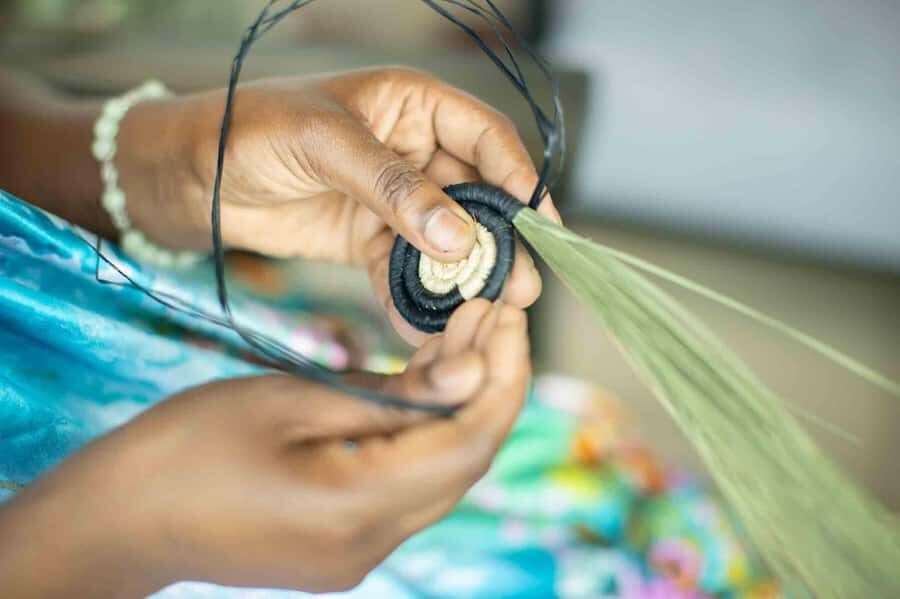
Most sessions start with introductions from the Rwandan artisans hosting you. You’ll hear personal stories and learn why basket weaving is meaningful in Rwanda. That storytelling isn’t just background flavor; it helps you connect the patterns you’re making with the people who made them long before you arrived.
After the welcome, you get the materials and tools. You’ll be shown how to handle the weaving process step by step, and you’ll have time to practice while still getting correction. One key detail from the way this class is taught: instructors are often described as patient and willing to explain clearly, including using English or French as needed.
In some cases, a translator may support you so everyone can follow the explanations comfortably. So if your French is rusty, you still have a pathway to understanding what’s being taught. It also makes it easier to ask questions, which is where you get the most value out of a cultural craft session.
Then comes the main work: your hands on the material. You’ll focus on learning the rhythm and technique rather than rushing. If you’re working slowly or you simply want to keep going, the experience has shown it can run a bit over time to help you finish. That matters, because stopping mid-basket is a fast way to turn a fun project into a stressful one.
The real payoff: patterns, purpose, and the stories behind designs
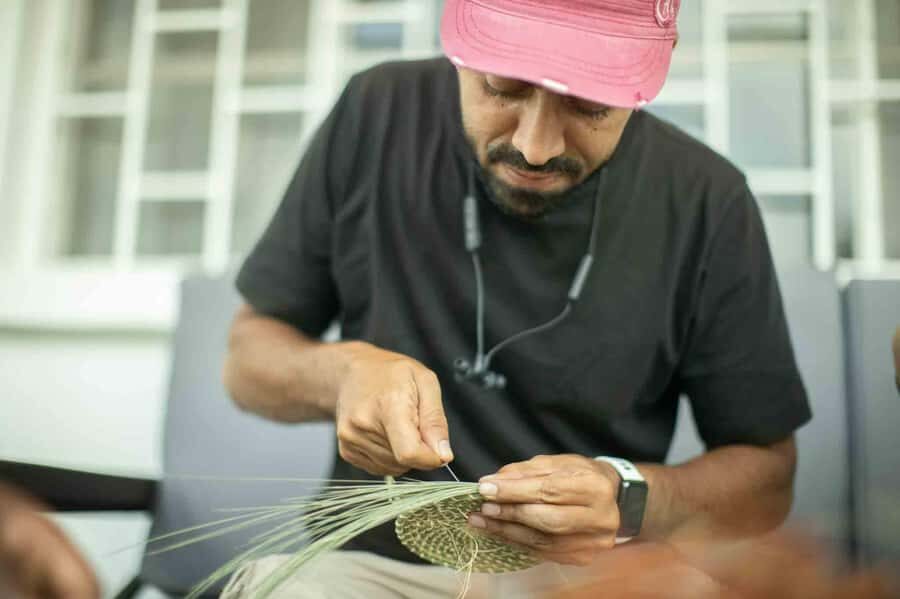
A basket isn’t just a basket in this setting. The patterns and designs carry meaning, and the instructors connect those choices to tradition and everyday life. You’ll learn how basket designs aren’t random decoration. They’re part of how knowledge gets passed down across generations.
I like this approach because it turns the class into more than a craft demo. You’re not only learning technique; you’re also learning how the community sees the craft. When you understand the “why,” the item you take home feels more personal and less generic.
You’ll also talk with the women teaching the workshop. That conversation can be as simple as what the craft taught them, how it’s learned, or what it means to share the skill now. Either way, the human connection is the part that tends to stick long after you’ve packed the basket in your cupboard.
Some sessions also include short pauses for conversation while you weave, which helps the workshop stay relaxed. One person even described sitting comfortably in the garden with tea during the process, which is exactly how this should feel: calm, social, and focused on learning.
Coffee, tea, and a comfortable garden break
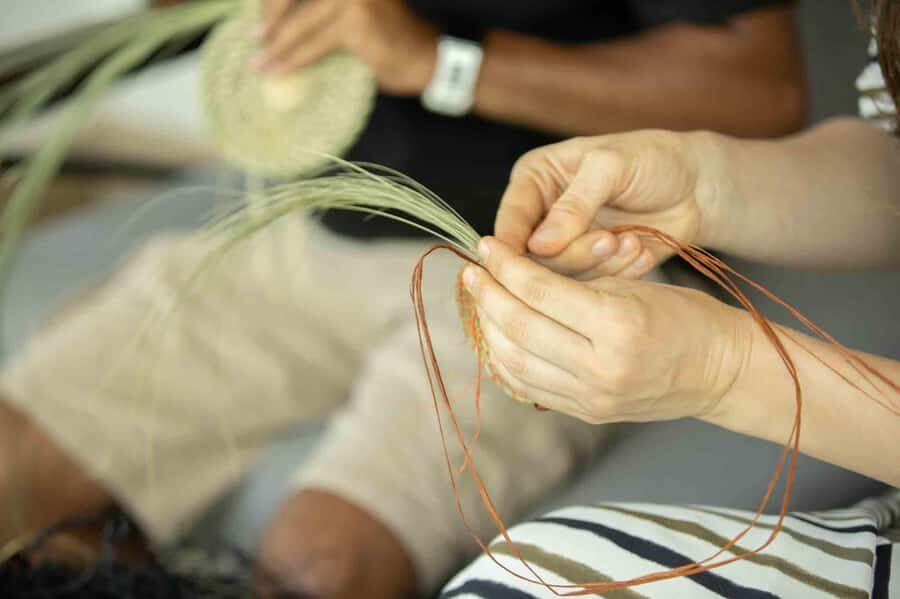
This class isn’t only about weaving in a rush. The setting is described as cozy and garden-like, which makes a big difference for a two-hour workshop. You’ll be able to sit comfortably while you work, and that comfort helps you concentrate on technique.
Several sessions include a coffee shop component. In past experiences, people noted getting free coffee, and others appreciated having a nice place to grab coffee after weaving. If you like adding a small pause to break up the work, this setup fits well.
Even if you skip extra drinks, the point is simple: you’re not herded from one thing to the next. The workshop gives you time to slow down. In a place where you might otherwise be moving quickly from one stop to another, that pause is a gift.



Price and value: $30 for skills, tools, and a take-home craft
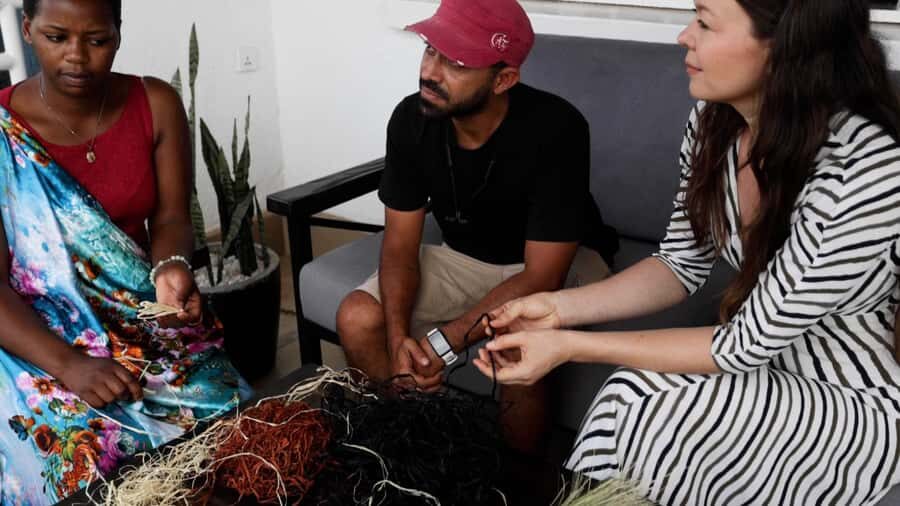
At $30 per person, this workshop is reasonably priced for a guided, hands-on cultural class. The value comes from three places.
First, you get instruction from local artisans. This isn’t a generic craft. You’re learning a technique tied to Rwandan tradition, taught by people who do the work themselves.
Second, the class provides all materials and tools. That’s important because it means your money goes to teaching and making, not to add-ons. You also don’t need to bring anything specific besides yourself.
Third, you leave with an item made during the session. A take-home craft is not just a souvenir. It’s proof you completed the steps, even if your first try looks a little rough. And since the output is small, it’s easy to pack and hard to regret.
If you’re comparing this to buying finished baskets, the difference is the process. You get skills and context, not only the object. That’s why the price feels fair for what you receive.
Logistics that matter: location, timing, and what’s not included
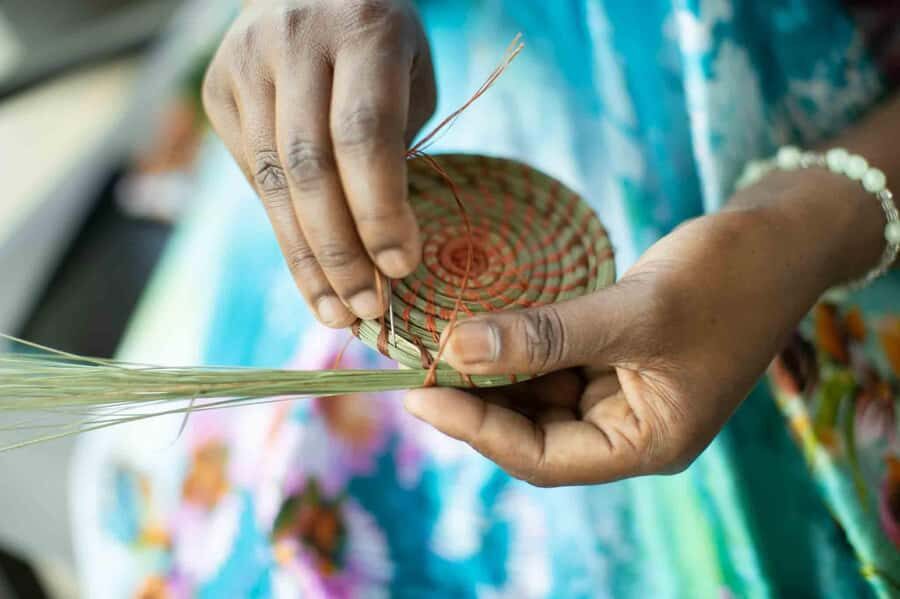
Transportation is not included. So plan to get yourself to the activity location and back on your own. That’s the main practical piece to handle ahead of time, especially if you’re using rideshares or hiring local transport.
Duration is two hours, so you’ll want to slot this into a time when you can give it your full attention. It’s a short window, but it’s enough for real learning and a finished item.
Language support is a solid plus. Instruction is offered in English and French, which means you’re unlikely to be totally lost during key moments. If translation support is used, it’s typically to help you understand the cultural context as well as the technique.
Also note: personal expenses are not included, so if you want extra coffee or drinks beyond what’s provided, plan for that in your budget.
Who should book this, and who should think twice
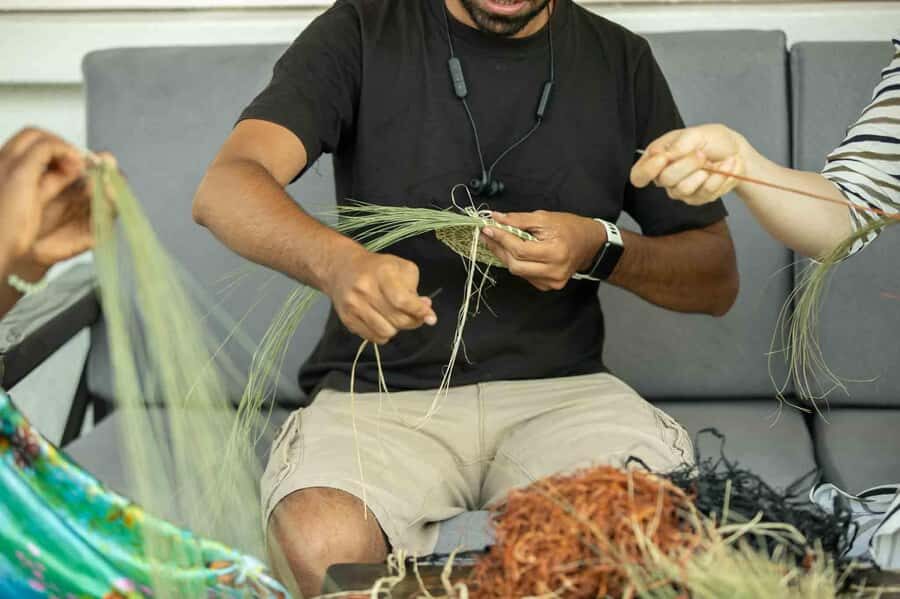
This is ideal if you want an authentic cultural activity that’s hands-on. You’ll probably enjoy it most if you like making things with your hands, asking questions, and learning how everyday skills connect to local life.
It also works well as a lighter break in a travel schedule. Even though the craft has cultural depth, the setting and pace are relaxed enough that it won’t feel like a lecture.
One group should think twice: people with food allergies. The activity information says it’s not suitable for them, so if that applies to you, it’s safer to choose a different Kigali experience.
If you’re traveling alone, you’re still likely to feel supported because the instruction is geared toward helping you complete your item. And if you’re with friends, it’s a fun shared project. You’ll compare results and laugh at the parts that go slightly wrong, which is basically the job of learning any new technique.
Final call: should you book Kigali Traditional Basket Weaving in a Garden?
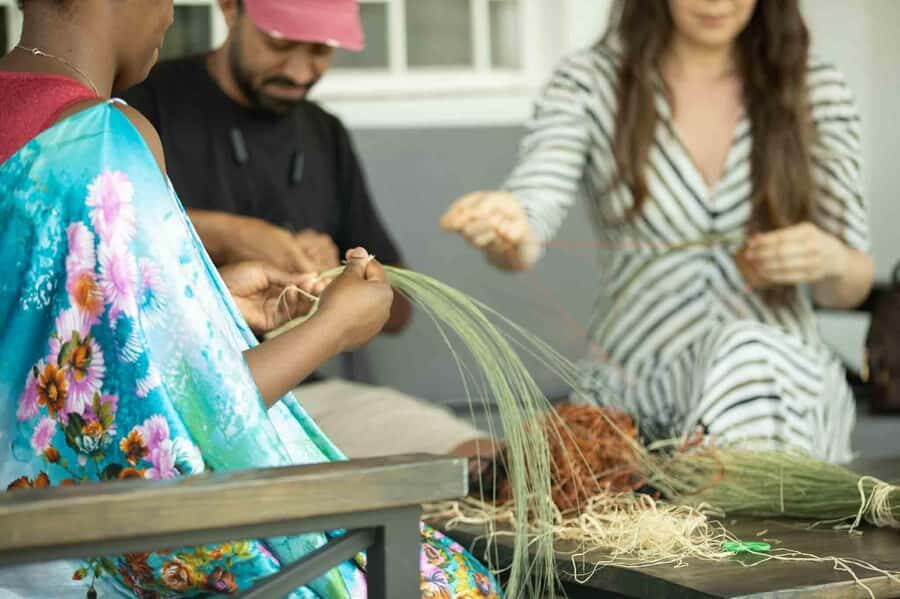
Book it if you want a short, meaningful class where you learn a real craft, not just a photo stop. At $30 for two hours with materials provided and local women teaching, it’s good value and a satisfying use of time in Kigali. The garden setting, comfortable pace, and focus on patient guidance make it especially friendly for beginners.
Skip it if you have food allergies, since the activity is not suitable in that case. Also, if you strongly prefer large, complex outputs, keep your expectations small; the workshop is designed for finishing something in two hours.
If you want a souvenir with a story you can explain, this is one of the few activities where that’s actually true.
FAQ
How long does the Kigali basket weaving workshop take?
The duration is 2 hours.
How much does it cost?
It’s $30 per person.
What’s included in the price?
You’ll get an introduction and welcome from local Rwandan artisans, the hands-on basket weaving workshop, all materials and tools, and cultural insights and storytelling.
What is not included?
Transportation to and from the activity location is not included, and personal expenses are also not included.
What languages are available?
The instructor supports English and French.
Is the workshop suitable if I have food allergies?
No. The activity is listed as not suitable for people with food allergies.
Can I cancel and get a full refund?
Yes. You can cancel up to 24 hours in advance for a full refund.
Is there a reserve now, pay later option?
Yes. You can reserve now & pay later, meaning you can book your spot and pay nothing today.