REVIEW · KIGALI
Kigali: Motorcycle City Tour
Book on GetYourGuide →Operated by NuttinTODO · Bookable on GetYourGuide
Kigali at night feels like a different city. On a motorcycle, you glide past the lights fast and smooth while a local guide handles the route and the stops.
What I like most is the chance to get night views and landmark photos without wasting time walking around. I also appreciate the safety gear and local guidance that keep the whole experience focused on fun, not guesswork.
One consideration: this ride is not for everyone. It’s not suitable for kids under 10, pregnant women, or anyone who isn’t comfortable riding a bike—and at night, the pace can feel intense for first-timers.
In This Review
- Key things to know before you hop on
- Why a night motorcycle tour makes sense in Kigali
- Starting at Kigali Heights and finding your ride fast
- How the route works: from Convention Centre to City Tower
- Neighborhood cruising after dark: Kiyovu and Nyamirambo energy
- Mt Kigali: the viewpoint stop that turns the tour into a memory
- The ride experience: speed, short segments, and how safety is handled
- English guide: great for clarity, especially when you want context
- What you get for $30: value math that’s actually useful
- What’s included (and what you’ll handle yourself)
- What to bring: small items that make the ride better
- Who this tour is best for
- Fit it into your Kigali schedule without stress
- Should you book the Kigali: Motorcycle City Tour?
- FAQ
- How long is the Kigali motorcycle city tour?
- How much does the tour cost?
- Where do I meet for the tour?
- Is the tour guided and in English?
- What safety gear is included?
- What should I bring with me?
- Are meals or refreshments included?
- Are entrance fees included?
- Is travel insurance included?
- Is it really a fixed-price tour, or should I tip?
Key things to know before you hop on
- You ride through Kigali after dark with an English-speaking guide and a nighttime cityscape focus
- Safety gear is provided (helmets and gear), so you’re not improvising
- The route hits major spots like Kigali Convention Centre, Kigali City Tower, and viewpoints from higher ground
- It’s designed to keep moving with short stops and lots of scenery per minute
- Guides you might hear about include Shark and Shafi—known for being helpful and upbeat in the experience reports
- Bring cash and a camera since meals aren’t included and you’ll want photos at the viewpoints
Why a night motorcycle tour makes sense in Kigali
Kigali has a way of looking orderly in daylight and dramatic after dark. With a motorcycle tour, you don’t just see neighborhoods—you see how the city flows when the streets light up and people are out. You’ll be close to the action without dealing with parking, street timing, or long waits.
The biggest value of this format is time. In just about an hour, you can cover multiple areas that would take you a lot longer by foot or by short rides that never quite connect. It also feels practical: the engine handles the distance while you focus on watching, snapping photos, and listening.
You can also read our reviews of more city tours in Kigali
Starting at Kigali Heights and finding your ride fast
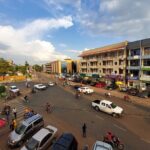
Your meeting point is at the roundabout with Radisson and Kigali Heights, where there’s a fountain and a statue. If you show up a few minutes early, you’ll have an easy moment to spot the group and get fitted with helmets and gear.
It’s also a smart idea to be ready to go once you arrive. This tour is built around momentum—short segments in different areas—so being prepared helps the experience stay smooth.
How the route works: from Convention Centre to City Tower
The ride is structured like a guided sweep through key parts of Kigali, with several quick stops and short stretches between highlights. You start from Kigali Heights and head toward the first major checkpoint: Kigali Convention Centre. From there, the route continues to Nyarutarama and then up toward Kigali City Tower.
What makes these landmark stops worth it is perspective. You’re not just passing by at street level; the tour is timed for views, night lighting, and photo angles. The Kigali City Tower stop matters because it anchors your sense of scale—how the city sits and grows around its central spaces.
And because the guide and driver are local, you’re not doing navigation math in your head. You can pay attention to the city and let the route keep rolling.
Neighborhood cruising after dark: Kiyovu and Nyamirambo energy
The tour experience isn’t only about big buildings. You also spend time rolling through Kiyovu’s nightlife and Nyamirambo’s streets, with the feel of markets and cultural areas along the way.
At night, neighborhoods like these tend to show you the city’s everyday personality—where people gather, how the streets look under lights, and how Kigali’s different communities sit next to each other. On a motorcycle, the sense of speed helps too: you see changes quickly, and it gives your brain a clean “tour” of the city’s layout.
One practical tip: if you’re serious about photos, keep your camera ready during slower moments or when the guide signals a good viewpoint. You’ll want shots of night vistas from higher points, and that timing can get tight if you’re fumbling with settings.
Mt Kigali: the viewpoint stop that turns the tour into a memory
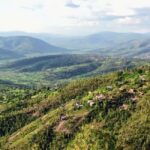
The highlight for many people is the climb and stop near Mt. Kigali. That’s where the city lights spread out and you get the kind of panoramic photo you can’t recreate from a random street corner.
You’ll also appreciate this part because it changes the mood. Early on, you’re in motion through neighborhoods. Near the viewpoint, the tour shifts to “watch and shoot.” It’s the moment where all the earlier cruising starts to make sense—Kigali’s shape, the brightness pattern of streets, and the feeling of altitude.
If night photography is your thing, this is the stop to focus on. Bring your camera strategy: wipe the lens, check if your phone/camera needs night mode, and be ready to hold steady.

The ride experience: speed, short segments, and how safety is handled
This tour is billed as a high-energy night motorcycle adventure. That translates to quick movement, short viewing stops, and a pace designed to keep the city coming at you instead of waiting around.
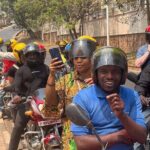
The good news: helmets and safety gear are provided. That alone makes a big difference. You’re not searching for proper head protection on the spot, and you can relax into the experience.
Also, the tour includes guided control. The experience includes the thrill of a motorcycle ride with the driver handling the motorcycle. It’s guided by a local expert who can explain what you’re seeing and keep you on track.
That said, the tour isn’t suitable for everyone. It’s not for kids under 10, pregnant women, and people who can’t ride a bike. If you’re new to motorcycles, or if you get anxious with speed, choose your comfort level carefully. A night ride can feel more intense simply because darkness reduces your visual references.
English guide: great for clarity, especially when you want context
The live guide is listed as English-speaking, which helps a lot for a tour like this where you’ll want quick context for landmarks and neighborhoods. Knowing what you’re looking at turns photos into stories.
Keep in mind that communication can vary depending on who’s driving and how the team handles explanations. If English clarity is important to you, ask a couple of questions early. Simple questions like what area you’re entering and where the best photo angle will be can lock in a better ride rhythm.
What you get for $30: value math that’s actually useful
The price is listed at $30 per person for about 1 hour. For a night motorcycle tour, that’s not outrageous—especially because the package includes safety gear, a local guide, and guided nighttime exploration across multiple areas.
But here’s the value trick: motorcycle tours like this can be either fixed-price or gratuity-based depending on how they’re run. There’s also a note that for free moto tours, people give an amount they consider appropriate, usually ranging from about €15 to $50 per person depending on satisfaction.
So what should you do with that information? Treat your booked price as your baseline, then factor in tips or extra payment only if your arrangement is gratuity-based or if the experience exceeds expectations. Either way, bring cash so you’re not stuck searching for the right moment.
One review-related consideration worth taking seriously: at least one person felt the price was too high for the attraction. That doesn’t mean it’s overpriced for everyone. It just means you should ask yourself what you want most: speed, safety, night views, and local guidance in a tight timeframe.
If that’s your priority, the $30 often makes sense. If you mostly want slow sightseeing and deep stops, you may find better value in other formats.
What’s included (and what you’ll handle yourself)
Included in the tour:
- Guided motorcycle adventure with the ride driven by the team
- Expert local guide for city context
- Nighttime cityscape tour focused on views and neighborhood atmosphere
- Safety gear (helmets and gear)
- City exploration through iconic districts, markets, and cultural hotspots
Not included:
- Meals and refreshments
- Accommodations
- Personal expenses and souvenirs
- Entrance fees to any specific attractions not listed as included
- Insurance
That “no meals” detail matters more than it seems. If your tour sits over dinner time, you’ll want a plan so you don’t feel snack-stressed while you’re trying to enjoy the views. Keep it simple: eat before you go, then use the tour as your after-dark highlight.
What to bring: small items that make the ride better
Bring:
- Camera (or make sure your phone is ready for night shots)
- Drinks
- Cash
You may not need much else because helmets and gear are provided. Still, having drinks helps you stay comfortable. And cash is useful both for small personal needs and if you decide to tip according to the gratuity-style guidance that sometimes applies to moto tours.
Who this tour is best for
This is a great pick if you:
- Want a fast, guided night experience that covers multiple areas in a single outing
- Enjoy skyline and panoramic photos from higher ground
- Like the idea of movement-based sightseeing where you don’t have to plan each turn
It may be a poor match if you:
- Want a long, slow, walking-heavy tour with time to linger
- Don’t feel comfortable riding (or you’re worried about speed at night)
- Have constraints related to safety suitability (again: kids under 10 and pregnant women are not suitable)
Fit it into your Kigali schedule without stress
Because it’s about an hour, you can pair it with other Kigali plans without turning the evening into a complicated juggling act. I like using a night tour after you’ve spent a bit of time in town during the day. You get oriented first, then at night you understand what you’re seeing.
If you’re also doing other night plans, keep this one central. It’s the kind of experience that changes your mental map of Kigali quickly.
Should you book the Kigali: Motorcycle City Tour?
Book it if you want an efficient, safety-supported way to experience Kigali after dark, with night lighting, landmark viewpoints, and neighborhood energy handled by a local guide. The $30 price for a guided motorcycle adventure is often fair value when you care about seeing more areas in less time.
Skip it if motorcycle comfort isn’t your thing, if you’re traveling with someone who doesn’t meet the suitability guidance, or if you prefer slow, stationary sightseeing.
If you do book, show up on time at the Radisson/Kigali Heights roundabout, bring cash and a camera, and plan to eat beforehand. Then let the city lights do what they do best from Mt Kigali and the other viewpoint moments.
FAQ
How long is the Kigali motorcycle city tour?
It runs for about 1 hour.
How much does the tour cost?
The price is listed at $30 per person.
Where do I meet for the tour?
Meet at the roundabout with Radisson and Kigali Heights, at the fountain and statue.
Is the tour guided and in English?
Yes. You’ll have a live guide and the tour is available in English.
What safety gear is included?
Helmets and safety gear are provided.
What should I bring with me?
Bring a camera, drinks, and cash.
Are meals or refreshments included?
No, meals and refreshments are not included.
Are entrance fees included?
No, entrance fees to attractions are not included.
Is travel insurance included?
No, insurance (including medical coverage) is not included.
Is it really a fixed-price tour, or should I tip?
The tour is listed with a set price, but there is also guidance that free moto tours may not have a set price and people typically give an amount at the end (often around €15 to $50 per person, depending on satisfaction).