REVIEW · KIGALI
Private Kigali City Walking Tour
Book on Viator →Operated by Heaven Experiences · Bookable on Viator
Kigali walks are short, but they hit hard. This private city walking tour is designed for an easy pace through important Kigali landmarks, from the first-day genocide memorial to the city’s daily market life. It’s also flexible, so you can steer the walk toward what interests you most.
I like two things most: the mix of remembrance and everyday Kigali (not just one theme), and the fact that admission is included for the Belgian Peacekeepers Memorial and the Kigali City Market. You also get the convenience of a mobile ticket and the comfort of a private group, so you’re not squeezed into a big crowd.
One consideration: the stops involve serious content and a bit of time indoors, so if you’re traveling with anyone who wants a lighter, strictly scenic walk, you may need to plan your expectations. Also, the experience requires good weather, which can affect scheduling.
In This Review
- Quick takeaways before you go
- Why this private Kigali walking tour works so well
- Belgian Peacekeepers Memorial: short time, heavy weight
- Kigali City Market: where daily life and souvenirs meet
- Hôtel des Mille Collines landmark: seeing the refuge story in the real city
- Kandt House Museum: why the museum time is worth it
- Price and value: what $35 gets you in real terms
- What the 90 minutes feels like (and how to prepare)
- The guide experience matters, especially on serious stops
- Logistics that are actually worth knowing
- Should you book this Kigali City Walking Tour?
- FAQ
- How long is the private Kigali city walking tour?
- What is the price per person?
- Is this tour private or shared?
- What’s included in the tour?
- Is admission included for Kandt House Museum?
- Where is the meeting point?
- What are the opening hours?
- What happens if the weather is poor?
- Is a mobile ticket provided?
- Can I get a refund if I cancel?
- Is it near public transportation, and are service animals allowed?
Quick takeaways before you go

- A private guide for a 90-minute walk means you can ask questions and shape the pace to your group.
- Two admissions are included (Belgian Peacekeepers Memorial and Kigali City Market), which helps the value.
- You’ll see the Hôtel des Mille Collines landmark—a key 1994 genocide-era refuge site—right in the flow of the walk.
- Kandt House Museum adds context about daily life and the colonial-to-postcolonial story, but its ticket isn’t included.
- Oscar is a name to remember: if he’s available, you’ll likely get a standout guide experience.
Why this private Kigali walking tour works so well
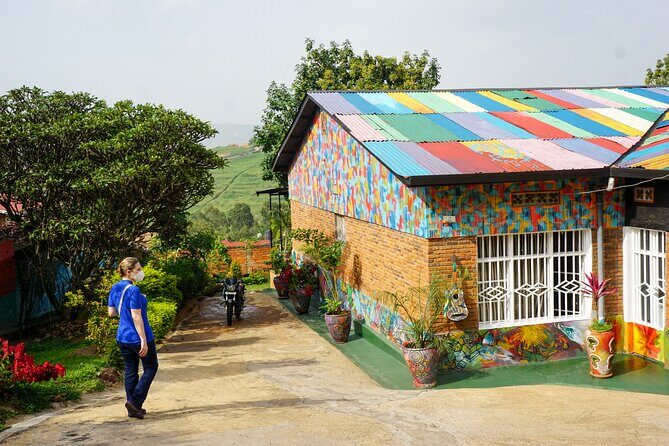
Kigali has a reputation for being clean and safe, and this tour is built on that idea. The route stays in the city area, with a relaxed walking feel and minimal center-city chaos. That matters because you spend more of your time looking at Kigali and learning, not constantly hustling for logistics.
The other reason this works is balance. A lot of tours in Rwanda focus heavily on one type of site. Here, you move from an intense memorial to the city market’s day-to-day energy, then on to a museum that frames how Kigali changed over time. It’s a thoughtful order: first the tragedy, then the human context, then the broader “how the city got here” perspective.
This is also a practical pick if you’re short on time. At about 1 hour 30 minutes, you can fit it into a day without turning the rest of your itinerary into a scramble. And because it’s private, you’re not stuck waiting for slow walkers or rushing with fast ones.
You can also read our reviews of more walking tours in Kigali



Belgian Peacekeepers Memorial: short time, heavy weight

Your first stop is the Belgian Peacekeepers Memorial, a small site with an impact that feels larger than its size. It commemorates 10 Belgian soldiers murdered on the first day of the 1994 genocide in April 1994. The tour schedule sets aside about 20 minutes, so you’re not lingering forever, but you do get time to take it in properly.
What I like about starting here is that it sets the emotional tone fast. You’re not easing into the day with casual sights first. You’re acknowledging what happened before your eyes start searching for details elsewhere in Kigali.
A practical note for your planning: this is the kind of stop where you may find yourself slowing down and reading everything carefully. If your group includes kids or anyone who prefers lighter explanations, tell your guide early. The tour says it can be customized based on your interests, and that’s exactly where flexibility helps.
Kigali City Market: where daily life and souvenirs meet

Next you’ll walk through Kigali City Center and spend time at the Kigali City Market. This isn’t a staged “tourist market” experience. You’ll see the everyday rhythm of traders, butcher shops, and importers, then shift to a more peaceful pedestrian walkway with textile and craft-style browsing.
You’ll spend about 30 minutes at the market area, and importantly, admission is included for this stop. That means you can focus on the moment instead of sorting out extra ticketing.
The market portion also gives you something many history-focused tours miss: normal human motion. You get to see how people shop, how vendors present their goods, and the cultural feel of everyday Kigali. You’ll also have access to Made in Rwanda artisan products and fabrics like kitenge. Even if you don’t plan to buy much, it’s a great place to watch and learn how the city does daily commerce.
If you do want to shop, keep your pace comfortable. A market is fast by nature, so it helps to have a guide who can point you to what’s worth your attention and avoid turning your time into a scavenger hunt.
Hôtel des Mille Collines landmark: seeing the refuge story in the real city
Then you’ll pass by the Hôtel des Mille Collines, a major landmark in Kigali’s 1994 history. This large hotel is known for the period when more than a thousand people took refuge there during the genocide of 1994.
What makes this stop valuable on a walking tour is context. You don’t see it as a standalone attraction with a separate transportation plan. You see it as part of the city’s living environment—an important difference. Buildings like this don’t sit outside daily life; they sit inside it.
You might not get a lot of time here like you do at the memorial and market, but the point is to connect the story to place. A good guide can help you understand why that matters, not just what happened.
A consideration: because this site is tied to real tragedy, it’s not the moment to treat the hotel like a normal sightseeing photo stop. If your group is into photos, you can still take them—but I’d keep the mood respectful and use the guide to learn what to notice.
Kandt House Museum: why the museum time is worth it

The final stop is the Kandt House Museum. Here you shift from the memorial and the city street to something more interpretive. The museum covers artworks and displays that show social, economic, and political life before colonization, then how Rwanda’s people experienced the colonial period, and finally how Kigali’s story looked before, during, and after the colonial era.
Your time here is about 30 minutes. That’s a good length for a museum stop on a walking itinerary: long enough to pick up key themes, short enough to keep the day from turning into museum overload.
Important detail: admission for Kandt House Museum is not included. So if you want to plan smoothly, budget for the ticket separately. Still, from a “value of time” perspective, this is often the stop that turns scattered facts into a clearer picture of the city’s development.
One thing I appreciate about museum stops like this is that they can answer the questions you didn’t know you had yet. After the memorial and the living market, you may find yourself thinking about how Kigali changed, what shaped daily life, and how people navigated outside influence. That’s what this kind of museum time helps with.
You can also read our reviews of more city tours in Kigali




Price and value: what $35 gets you in real terms
This tour costs $35.00 per person, and it runs about 90 minutes. For a private walking tour, that price can be a strong deal—especially because admissions are partially covered.
Here’s the value story as it applies on the ground:
- Belgian Peacekeepers Memorial: admission included, and the time set aside is focused.
- Kigali City Market: admission included, with a dedicated block for walking and browsing.
- Kandt House Museum: admission not included, so you’ll likely pay extra if you want to fully participate.
When I look at value, I think about what you don’t have to coordinate yourself. Included admissions reduce the “paperwork friction,” and private guiding reduces the “wasted time” factor. You’re paying for guided understanding plus simple logistics.
Also, the schedule is flexible in concept. The tour says it may be customized based on your interests. That customization can be a big value boost because it turns a fixed itinerary into something that fits your questions—whether you’re more drawn to history, culture, or the rhythms of city life.
What the 90 minutes feels like (and how to prepare)

Even though the tour is short, it has momentum because each stop is a different “mode”:
- Remembering and reading at the memorial (20 minutes).
- Walking and watching at the market (30 minutes).
- Learning through exhibits at Kandt House Museum (30 minutes).
- Plus a landmark pass at the Hôtel des Mille Collines as part of the story arc.
Because your day is moving, you’ll get the best results if you arrive with a clear mental focus. Ask yourself what you want most:
- A better understanding of 1994 events and their Kigali locations
- A look at daily life through the market and city center
- A sense of Kigali’s long timeline through the museum
Then bring at least one question you genuinely want answered. It could be as simple as what the guide suggests you notice first at each site.
You’ll meet at 11 KN 29 St, Kigali, Rwanda, and the tour ends back at that same meeting point. That “loop” structure is helpful in Kigali because it keeps your day tidy—no need to guess a second pickup point or reorganize your afternoon plans around transit changes.
The guide experience matters, especially on serious stops
This is led by a guide from Heaven Experiences. Your guide isn’t just there to lead you from A to B; they’re the bridge between what you see and what it means.
One detail I’d take seriously: if Oscar is available, he comes recommended. The strong guide feedback around Oscar is the kind of thing that can noticeably change the experience—because at memorials and history sites, the difference between reading a sign and understanding the story is often the guide’s clarity and pacing.
Even if you don’t request a specific name, keep this in mind: your best questions usually sound like practical curiosity. For example:
- What’s the most important thing to notice here?
- How should I connect this stop to the next one?
- What’s a common misconception people have before they learn this part?
The tour format gives room for those questions, since it’s private and can be customized based on your interests.
Logistics that are actually worth knowing
A few details help you plan without stress.
- This is a private tour/activity. Only your group participates.
- You get a mobile ticket.
- The activity is near public transportation.
- Service animals are allowed.
- The experience is listed as suitable for most travelers.
- It’s scheduled with good weather required. If the weather’s poor, it may be rescheduled or you may get a full refund.
Since the tour is a walking experience, your main “gear decision” is comfort. Wear shoes you can stand and walk in easily for about 90 minutes, and bring water if that fits your style. Kigali’s clean-city vibe is part of why walking tours work here, but comfort still makes learning easier.
Should you book this Kigali City Walking Tour?
I think this is a strong booking if you want a focused introduction to Kigali in a short time. It’s especially good for you if you like tours that mix important history with real city life, not just one theme.
Book it if:
- You have about 90 minutes and want to use them well
- You want guided context at serious sites and not just photos
- You value included admissions for two stops
Skip or reconsider if:
- Your group wants a light, entertainment-first walk with minimal historical weight
- You’re trying to do a museum day with deep time but don’t want an extra ticket at Kandt House Museum
If you do book, I’d suggest arriving ready to ask questions and giving the guide a clear sense of what you care about most. And if Oscar is available, take that recommendation seriously.
FAQ
How long is the private Kigali city walking tour?
It’s listed as approximately 1 hour 30 minutes.
What is the price per person?
The price is $35.00 per person.
Is this tour private or shared?
It’s a private tour/activity. Only your group will participate.
What’s included in the tour?
A guide leads the Kigali City Neighborhood walk. Admission is included for the Belgian Peacekeepers Memorial and Kigali City Market.
Is admission included for Kandt House Museum?
No. Admission for Kandt House Museum is not included.
Where is the meeting point?
The start (and end) point is 11 KN 29 St, Kigali, Rwanda.
What are the opening hours?
The listed opening hours are Monday to Sunday, 9:00 AM to 4:00 PM, within the period 04/23/2023 – 06/17/2026.
What happens if the weather is poor?
The experience requires good weather. If it’s canceled due to poor weather, you’ll be offered a different date or a full refund.
Is a mobile ticket provided?
Yes, it includes a mobile ticket.
Can I get a refund if I cancel?
There is free cancellation. You can cancel up to 24 hours in advance for a full refund.
Is it near public transportation, and are service animals allowed?
It’s listed as near public transportation, and service animals are allowed.